


All clownfish are born male. They can make a choice (which is irreversible) to change their gender and become the dominant female of their group.
The sea anemone gets its name from the beautiful anemone flower. But unlike its namesake, the sea anemone is a carnivorous water dweller. It feeds on fish and shrimp. This polyp is a highly dangerous being. Its tentacles fire off at the slightest touch. Those venom-filled tentacles work like a harpoon, on contact, they shoot a tiny filament straight into their prey.
Big things come in small packages. That phrase fits the clownfish perfectly. Small in size but full of personality, this temperamental fish has a beauty of its own. The existence of both the clownfish and the sea anemone is intricately woven together. Symbiosis means a living arrangement between two organisms, from which both creatures may or may not benefit. In the case of the clownfish and the sea anemone, their symbiosis benefits both sides.
Clownfish
| Size | 2-5 inches |
|---|---|
| Color | Red, orange, yellow, purple, black |
| Lifespan | 6-10 years (wild), 3-5 years (captivity) |
| Habitat | Pacific Ocean, Indian Ocean, Red Sea, Great Barrier Reef |
| Traits | Temperamental, aggressive, territorial |
| Food | Omnivorous |
| Diet | Plankton, algae, mollusks, crustaceans, zooplankton, isopods |
Sea Anemone

| Size | 0.71-1.12 inches |
|---|---|
| Color | Multicolored |
| Lifespan | 50 years or more (wild), several months (captivity) |
| Habitat | Tropical waters, shallow waters mostly attached to rocks |
| Food | Carnivorous |
| Diet | Small fish, shrimp |
Their Symbiotic Relationship
The beauty of this relationship is remarkable. A tiny fish making its home inside the venomous tentacles of a sea anemone sounds impossible. But this is no cruel trick of nature, it is reality!
The reason they get along is a true give-and-take. The clownfish, because of its bright colors, attracts prey for the sea anemone to hunt and feed on. In turn, the sea anemone feeds the clownfish with scraps or leftovers from its meals. The clownfish also prunes the sea anemone by eating its dead tentacles and any algae that settles on it. When the clownfish fans its fins while swimming, it gives the sea anemone better water circulation. The feces of the clownfish also acts as a fertilizer for the sea anemone.
Being very territorial, the clownfish drives away polyp-eating fish. This protects the sea anemone. In return, the sea anemone provides protection to the clownfish, its predators prefer to steer clear of those venomous tentacles.

Clownfish do not get harmed when they touch sea anemones. This is because the clownfish has a coat of mucus on its skin which is made of protein instead of sugar. That difference is likely why the sea anemone does not treat the clownfish as an enemy.
Frequently Asked Questions
Why aren't clownfish stung by sea anemones?
Clownfish have a special mucus coat made of protein instead of sugar, which means the anemone's stinging cells don't recognize them as prey.
What is the relationship between clownfish and sea anemones called?
Mutualistic symbiosis, both animals benefit from living together.
Are all clownfish born male?
Yes, all clownfish are born male and can irreversibly change to become the dominant female of their group.
Where do clownfish live?
Clownfish are found in the Pacific Ocean, Indian Ocean, Red Sea, and around the Great Barrier Reef. They do not live in the Atlantic Ocean.
How long do sea anemones live?
In the wild, sea anemones can live for 50 years or more. In captivity they typically survive only a few months.
Take the Clownfish Quiz!
5 quick questions about the ocean's most iconic partnership.
Facts about Clownfish and Sea Anemone
- Clownfish like shallow waters and sheltered reefs.
- They are not found in the Atlantic Ocean.
- The male clownfish courts the female, lures her into his nest where they mate.
- The tentacles of a sea anemone contain venom, which is a mix of toxins and neurotoxins.
- Nematocysts are the cnidae that sting.
- Sea anemones have a soft, cylindrical body with a broad, circular foot at the bottom.
- At the top of its body, it has a mouth surrounded by tentacles loaded with poison that paralyzes its prey.
- Sea anemones usually stay fixed to rocks and shells on the ocean floor. But they can also slowly crawl using their foot, or swim using their tentacles.
- Some species of sea anemones have defined sexes. Others are hermaphrodites, they reproduce through budding and binary fission.
Threats
Both animals face serious threats in the wild.

Sea anemones are threatened by butterfly fish, humans, rising sea water temperatures, and the global trade in ornamental animals. Clownfish face threats from global climate change, octopus and large fish, eels and stingrays, sharks, and humans.
- Butterfly fish
- Humans
- Rise in sea water temperature
- Global trade as ornaments
- Global climate change
- Octopus and large fish
- Eels and stingray
- Sharks and humans
We can see the beautiful relationship between these two marvels of the sea. Their relationship is proof that different species can live in harmony with each other, in order to ensure their own survival.
Explore More Animals
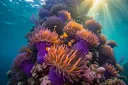 Fascinating Facts About Sea Anemones You Never KnewSea anemones are stinging polyps that live on coral reefs and rock faces. Discover how they sting, reproduce, and form one of nature's most famous partnerships
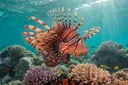 Unbelievably Fascinating Facts About LionfishVividly striped, armed with venomous spines, and invading the Atlantic, discover where lionfish live, what they eat, the Red, Black, Freshwater and Dwarf speci
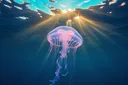 Utterly Enchanting Facts About JellyfishThe jellyfish is a unique marine animal, known for its delicate looks, and equally deadly stings. However, there is much more to this sea creature than is appar
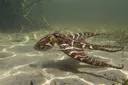 Amazing Facts About the Mimic OctopusThe mimic octopus was first found in Indonesia in the early 90s and can impersonate more than a dozen sea creatures. Discover amazing facts about Thaumoctopus m

 Fun fact for today!All clownfish are born male, and can permanently switch to become female!