

One quick thing to clear up: the snow leopard (Panthera uncia) (despite its name) is not a subspecies of the leopard (Panthera pardus). It is actually a completely separate species.
Facts About the Amur Leopard
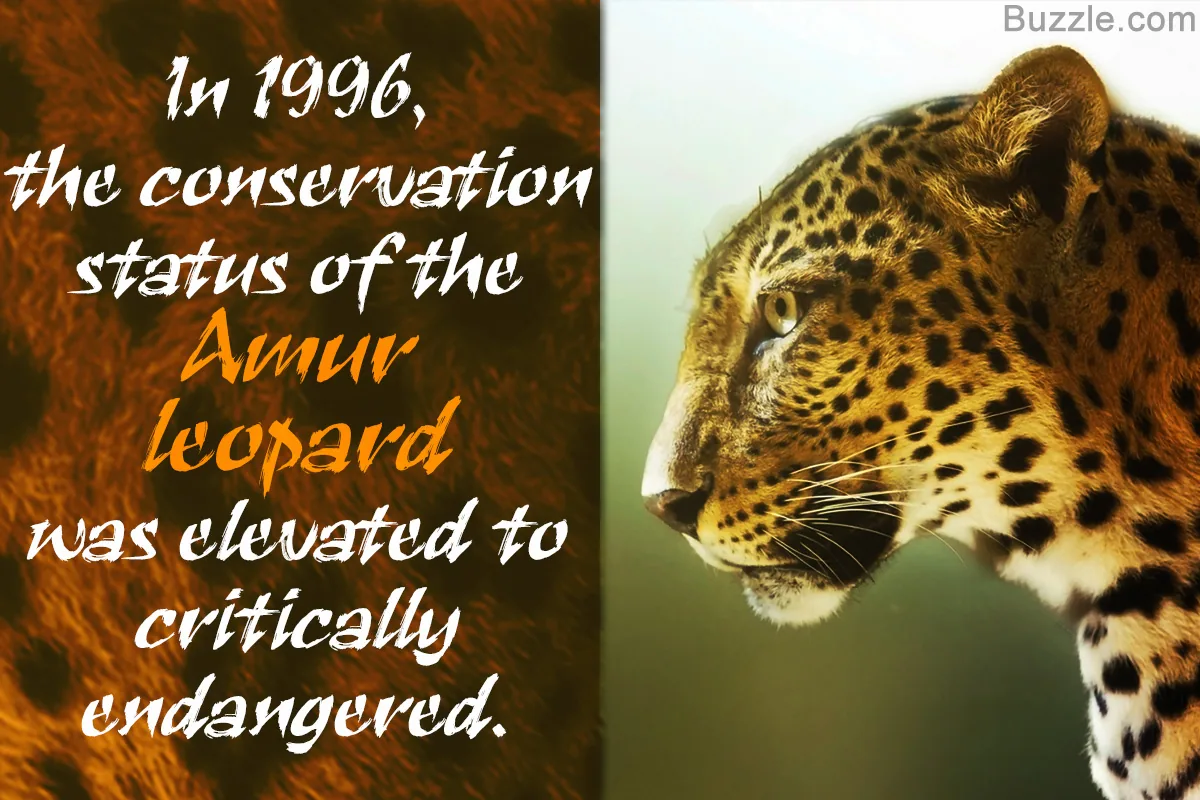
The Amur leopard (Panthera pardus orientalis) is also known as the Far East leopard, Manchurian leopard, or the Korean leopard. It is one of the most endangered big cats in the world. Fewer than 70 individuals exist in the wild, 57 of them in Russia and 12 in China. The International Union for Conservation of Nature (IUCN) added it to its Red List of Threatened Species as a critically endangered animal in 1996.
Geographic Range and Habitat
The Amur leopard lives in a small part of the world. Its range covers the Amur river valley (which gives the subspecies its name), the mountains of northeastern China, the Ussuri river valley along the China-North Korea border, and the Korean Peninsula.
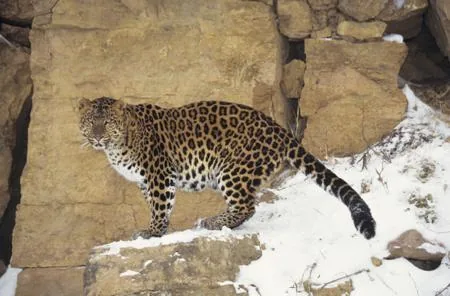
Most leopards live in the grasslands of Africa and Asia, but the Amur subspecies is different. Amur leopards are built for cold climates. They live in the temperate, broadleaf, and mixed forests of the Russian Far East, a region known for its brutal winters.
The Amur leopard also shares its home with the Amur tiger (Panthera tigris altaica), another endangered species. Conservationists point out that protecting one of these great cats often benefits the other, their habitats overlap, so saving one means saving both.
Physical Attributes
A male Amur leopard measures 42-54 inches from nose to tail base, with the tail adding another 32-35 inches. Males weigh between 70 and 105 lb. Females are smaller, weighing between 55 and 95 lb.
The Amur leopard's coat is pale cream or reddish-yellow, and it gets even lighter in winter. In summer, the fur is about 0.79-0.98 inches thick. By winter, it grows to 2 inches deep, thick enough to keep the leopard warm in the freezing Russian cold.
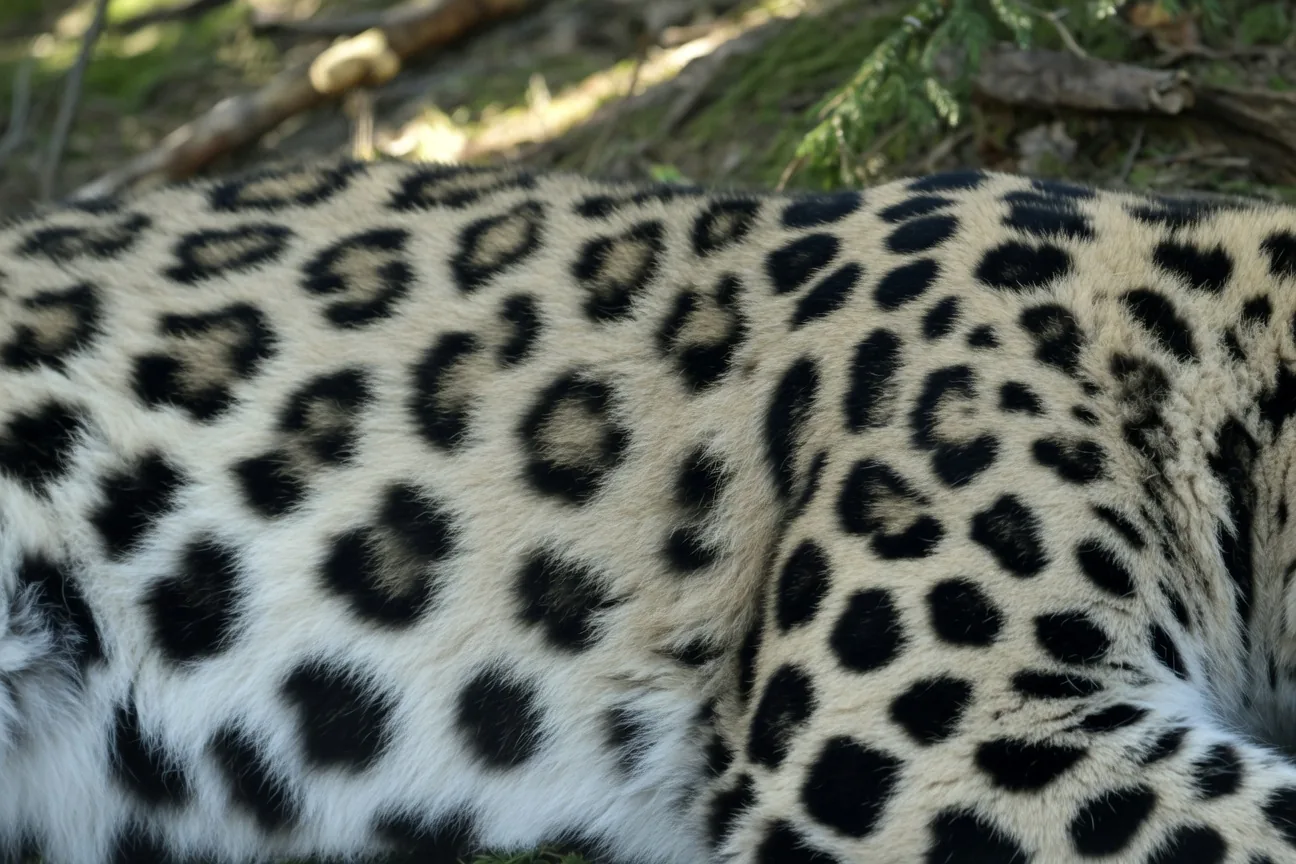
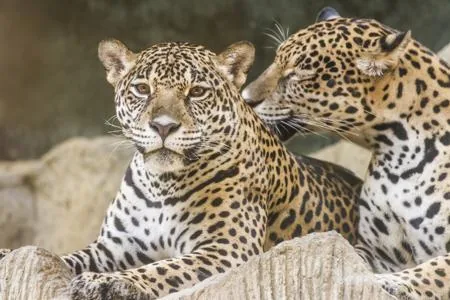
You can tell the Amur leopard apart from other leopard subspecies by its rosettes, they are more widely spaced and have thicker dark borders. It is also the smallest leopard subspecies, but it has longer legs than its cousins.
Behavior and Diet
The Amur leopard is mainly nocturnal, active at night and resting during the day. It hunts alone, using a stalk-and-ambush approach. One of its most fascinating habits is hiding its kills from other predators, dragging prey up into trees to keep it safe.
It is an incredibly athletic animal. It can reach speeds of 37 miles per hour in short bursts, jump 10 feet high, and cover 20 feet in a single leap. Its tree-climbing skills help it stash leftover food out of reach of scavengers.
The Amur leopard eats hares, badgers, and wild boars, as well as deer species such as the Roe deer, Musk deer, and Sika deer. There are also recorded cases of the leopard preying on the young of Eurasian black bears.
Take the Amur Leopard Quiz!
5 quick questions. How much do you know about the world's rarest big cat?
Life Cycle and Breeding
In the wild, Amur leopards live for 10-15 years. In captivity, they can live for around 20 years.
Amur leopards reach sexual maturity at age three. Breeding takes place in spring or early summer. After a gestation period of 90-105 days, the female gives birth to a litter of 1-4 cubs.
Unlike most big cats, some Amur leopard males have been reported to stay with the female after mating and help raise the cubs.
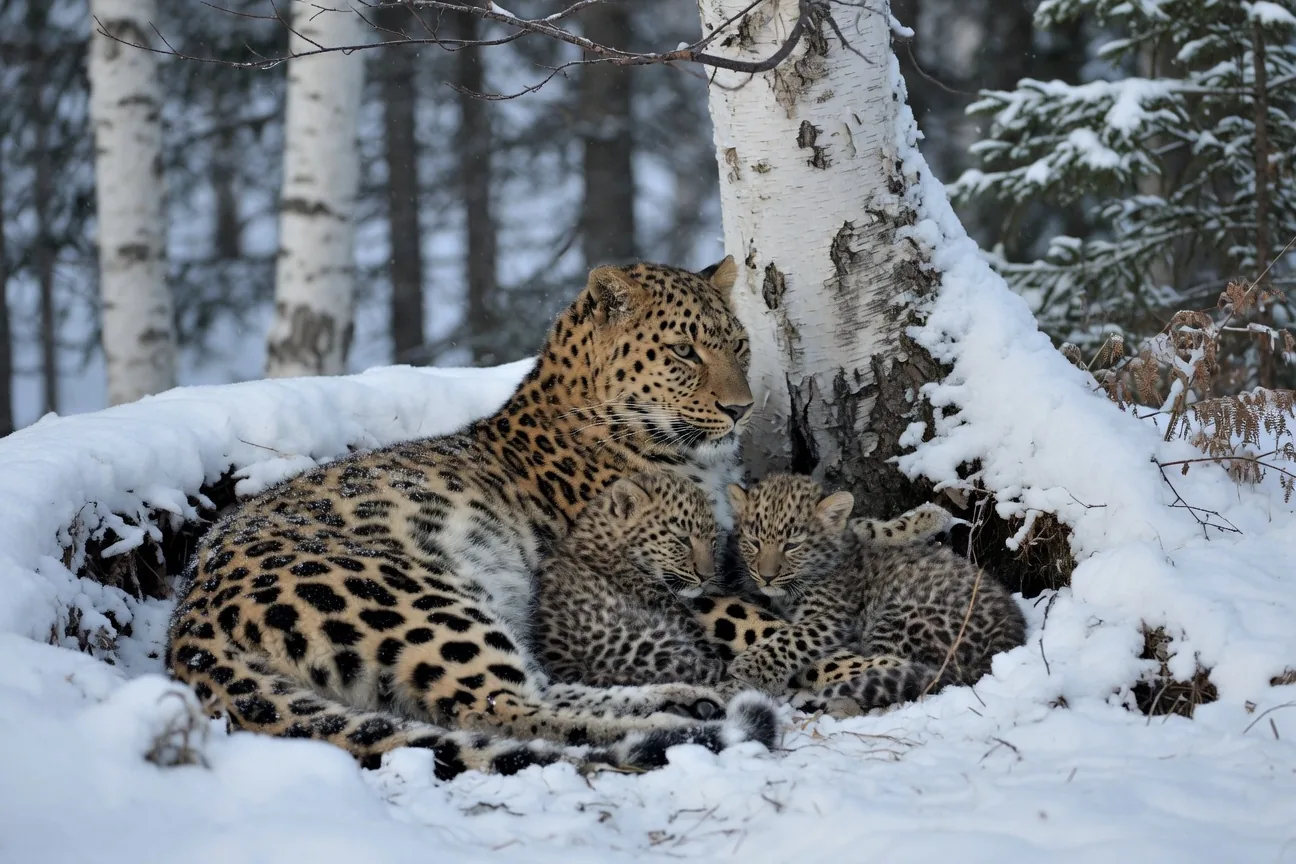
The cubs are weaned at 3 months old. By the time they are 1½, 2 years old, they are ready to live on their own.
Because the population is so small, Amur leopards are at serious risk from inbreeding. Scientists have recorded cases of father-daughter and sibling matings. Inbreeding causes genetic problems over time, including reduced fertility. It also leaves the population vulnerable to unusual shifts in birth and death rates, or in sex ratios. For example, in some cases all cubs born over a two-year period turned out to be males.
Frequently Asked Questions
What is the Amur leopard's scientific name?
Panthera pardus orientalis
How many Amur leopards are left in the wild?
Around 70 individuals as of 2015, making it the world's rarest big cat.
Where do Amur leopards live?
Temperate broadleaf and mixed forests of the Russian Far East, with a small population in northeastern China.
What do Amur leopards eat?
Deer (Roe, Musk, Sika), hares, badgers, and wild boar.
Why is the Amur leopard endangered?
Habitat loss from deforestation and forest fires, poaching for fur and bones, trophy hunting, and conflicts with deer farmers.
Threat of Extinction
The news is not all bad. The Amur leopard population has doubled, from fewer than 35 in 2007 to 70 as of 2015. That is a real achievement. But the species still has a long way to go before it is safe. Its small population and limited range make it very fragile.
The biggest threat is habitat loss. Deforestation, logging, and forest fires have broken up the Amur leopard's forest home into isolated patches. Poaching is another major problem, leopard fur and bones fetch high prices in illegal markets. Trophy hunting and a shortage of prey also put pressure on the population.
In the Russian Far East, deer are farmed for meat and for their antlers, which are used in traditional medicine. When wild prey becomes scarce, Amur leopards sometimes raid these farms. This brings them into direct conflict with farmers, who often see the leopard as a danger to their animals.
The good news is that humans caused most of these problems, which means humans can help fix them. Stopping deforestation and using non-lethal methods to protect deer farms would make a real difference. Every living creature plays a role in the ecosystem, and losing the Amur leopard would upset that balance in ways we might not be able to reverse.
Explore More Animals
 Facts About the Charming and Elusive Snow LeopardSnow leopards are beautiful grayish-white, thick-furred animals belonging to the cat family. Discover their habitat, diet, behavior, and why they're endangered.
 Survivors of the Cold: Interesting Facts About Siberian TigersSiberian tigers are the biggest cats on the planet and one of the most endangered. Discover facts about their size, diet, hunting skills, and survival in Russia
 Cheetah vs. Leopard: How to Tell Them ApartCheetah or leopard? Learn the quick clues, spots vs. rosettes, speed, body shape, and habitat, that tell these two spotted cats apart, with a side-by-side cha
 Marvelously Staggering Facts About the CheetahAgile, swift, graceful, lethal...words fail to describe the magnificence of this particular predator from the cat family. A closer run-down of the statuesque ch

 Fun fact for today!With only 70 individuals left in the wild, the Amur leopard is considered the rarest big cat in the world.