

Early scientists thought sauropods might have lived in water, their huge size and long necks seemed to support the idea. But later fossil discoveries proved this wrong. Sauropods were fully land-dwelling reptiles.
When we think about our planet before humans existed, dinosaurs are the first things that come to mind. The word "dinosaur" literally means "terrifying lizards." These creatures were among the largest animals ever to live on Earth. Scientists have found dinosaur fossils on every continent, and each new discovery teaches us something new. We already know a great deal, but there is still much more to learn!
In this article, we explore the sauropods, a group of plant-eating dinosaurs with enormous bodies and long necks. Their name means "lizard-footed" in Latin.
Sauropods: A Brief Overview
Sauropods were some of the largest dinosaurs ever to exist. They are famous for their long necks and tails (which were often out of proportion to the rest of their body) and their thick, pillar-like legs.
These long-necked giants walked on all four feet and had surprisingly small heads compared to their massive bodies. Their fossil remains have been found on every continent, including Antarctica!
The fact that sauropods lived across such a huge range shows just how adaptable they were. They could survive in many different climates and environments.
Sauropods first appeared during the Triassic period, roughly 250 to 200 million years ago. By the Late Jurassic period (around 150 million years ago) they had spread widely and evolved into many different forms.
They continued to spread and evolve through the Late Cretaceous period, about 100 to 67 million years ago.
Then, about 66 million years ago, the Cretaceous-Paleogene extinction event wiped out the entire sauropod group. This same event killed off most non-avian dinosaurs on Earth.
The Major Genera
Scientists have found only a limited number of sauropod fossils so far. But from those discoveries, they have identified several distinct groups of these long-necked dinosaurs.
The most famous are Brachiosaurus, Diplodocus, and Apatosaurus. Of these, Brachiosaurus was among the heaviest dinosaurs that ever lived.
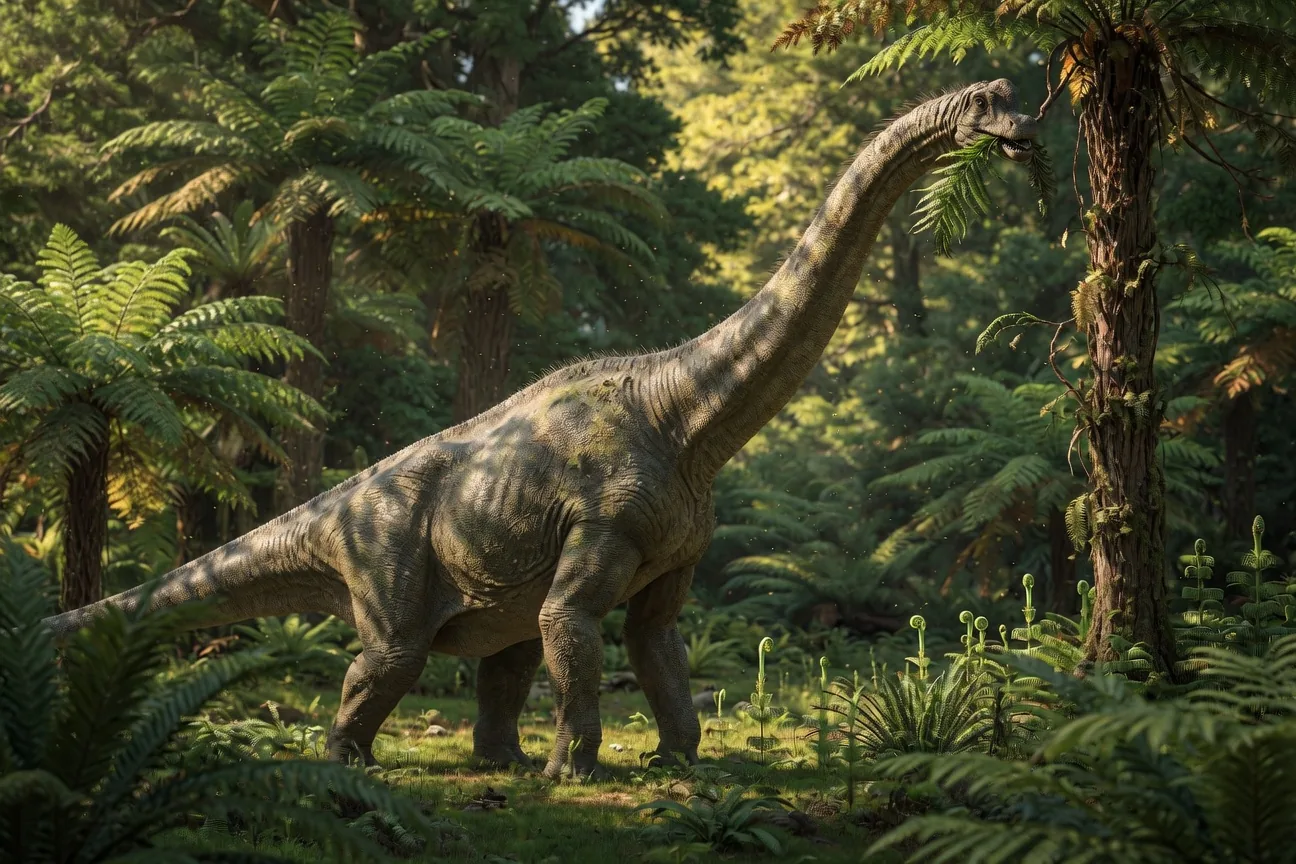
Diplodocus was much more slender than the other sauropod species. Apatosaurus, on the other hand, was among the longest dinosaurs that ever walked the Earth.
Scientists also know about Titanosaurs, a large and varied sauropod group. Many titanosaurs had armoured skin covering their bodies, which made them look even more impressive.
Altogether, researchers have identified about 15 different subgroups of sauropods. Each group has its own special features, but all sauropods share the same basic body plan.
General Characteristics
The most striking thing about sauropods was their sheer size. The longest sauropod ever found is Amphicoelias fragillimus, which measured an incredible 190 ft from head to tail tip. To put that in perspective, the longest land animal alive today is the reticulated python, which reaches no more than 29 ft.
Their height was equally jaw-dropping, thanks to those long necks. The tallest sauropod found so far is Sauroposeidon proteles, which could reach up to 60 ft high. Compare that to today's tallest animal, the giraffe, which stands about 16 to 18 ft tall.
Some sauropods were also incredibly heavy. Bruhathkayosaurus matleyi may have been the heaviest land animal ever, weighing somewhere between 175 and 220 metric tons. Today's heaviest land animal, the Savannah elephant, weighs no more than 10 metric tons.
All sauropods walked on four legs. Their limbs were thick and powerful, built to support their massive weight. Depending on the species, they had three to five fingers on each foot, all tipped with claws.
Many sauropod fossils show hollow cavities inside the backbones. Scientists believe these were connected to a system of air sacs (similar to those found in birds today) that helped the dinosaurs breathe more easily.
Some sauropods also had built-in defenses. Shunosaurus had a club-like bony structure on its tail that it could use as a weapon. Saltasaurus had spiky bony armour covering its body.
All sauropods were plant-eaters with large teeth. What makes their teeth especially interesting is how fast they were replaced. In Nigersaurus, teeth were replaced every 14 days. In Diplodocus, replacement happened every 35 days.
Their long necks helped them reach food high up in trees. For a long time, scientists thought sauropods could swing their necks in wide arcs to browse through the branches. But more recent research suggests their necks were quite stiff, tall but not very flexible, somewhat like an ostrich's neck.
Why were sauropods so huge? Scientists have debated this for years. One idea is that their huge bodies helped them digest the enormous amounts of tough plant matter they ate each day. Other theories suggest their size protected them from predators, gave them longer lifespans, and made it possible to do more with less energy.
Most long-necked dinosaurs were sauropods, but not all. There are a few fossils of long-necked creatures from other groups too. One example is Plesiosaurus dolichodeirus, an aquatic reptile from the Jurassic period.
Frequently Asked Questions
What is a sauropod?
A sauropod is a group of huge four-legged herbivore dinosaurs known for their long necks, small heads, and pillar-like legs. The name means 'lizard-footed'.
Which dinosaur had the longest neck?
Mamenchisaurus had one of the proportionally longest necks, nearly half its total body length. The overall longest sauropod body was Amphicoelias fragillimus at around 190 ft.
Were sauropods aquatic?
Early researchers thought they might be aquatic, but later evidence confirmed that sauropods were fully terrestrial (land-dwelling) reptiles.
When did sauropods go extinct?
Sauropods went extinct during the Cretaceous-Paleogene extinction event approximately 66 million years ago.
What did sauropods eat?
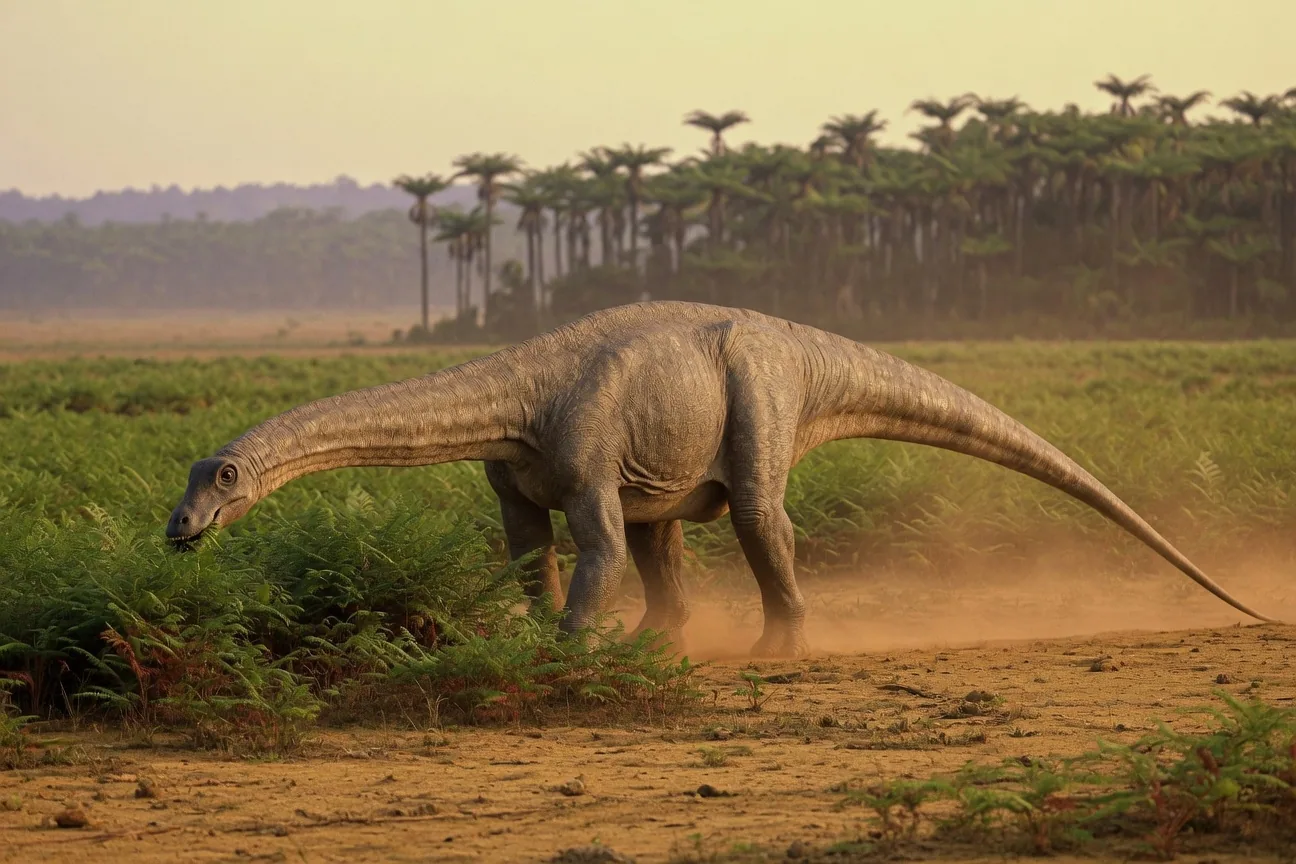
All sauropods were herbivores. Their long necks allowed them to reach tall trees and high vegetation that other animals couldn't access.
Take the Long-Necked Dinosaur Quiz!
5 quick questions. How much do you know about Earth's mightiest sauropods?
Gallery: Long-Necked Dinosaur Species
Here are some of the most fascinating long-necked dinosaurs. Take a look and spot the differences between the species!
Explore More Animals
 Types of Dinosaurs: How Each One Got Its NameMeet the different types of dinosaurs and learn the clever way each got its name, from teeth and horns to feet, armor, places and people. A fun, fact-packed gu
 Tyrannosaurus Rex vs. AllosaurusHave you ever wondered what it would be like if two dinosaurs had a duel? We compare the T-Rex and Allosaurus head-to-head: size, bite force, speed, vision, and
 Facts About Triceratops That Will Make Your Blood Run ColdTriceratops was a genus of dinosaurs that prevailed about 68 to 65 million years ago during the Late Cretaceous Period, best known for their striking resemblanc
 Stupefying Facts About Giraffes That Will Make You GawkWere you aware that each time a giraffe lifts up its neck, it lifts more than 550 pounds? Read on for fascinating facts about giraffes, their size, diet, lifes
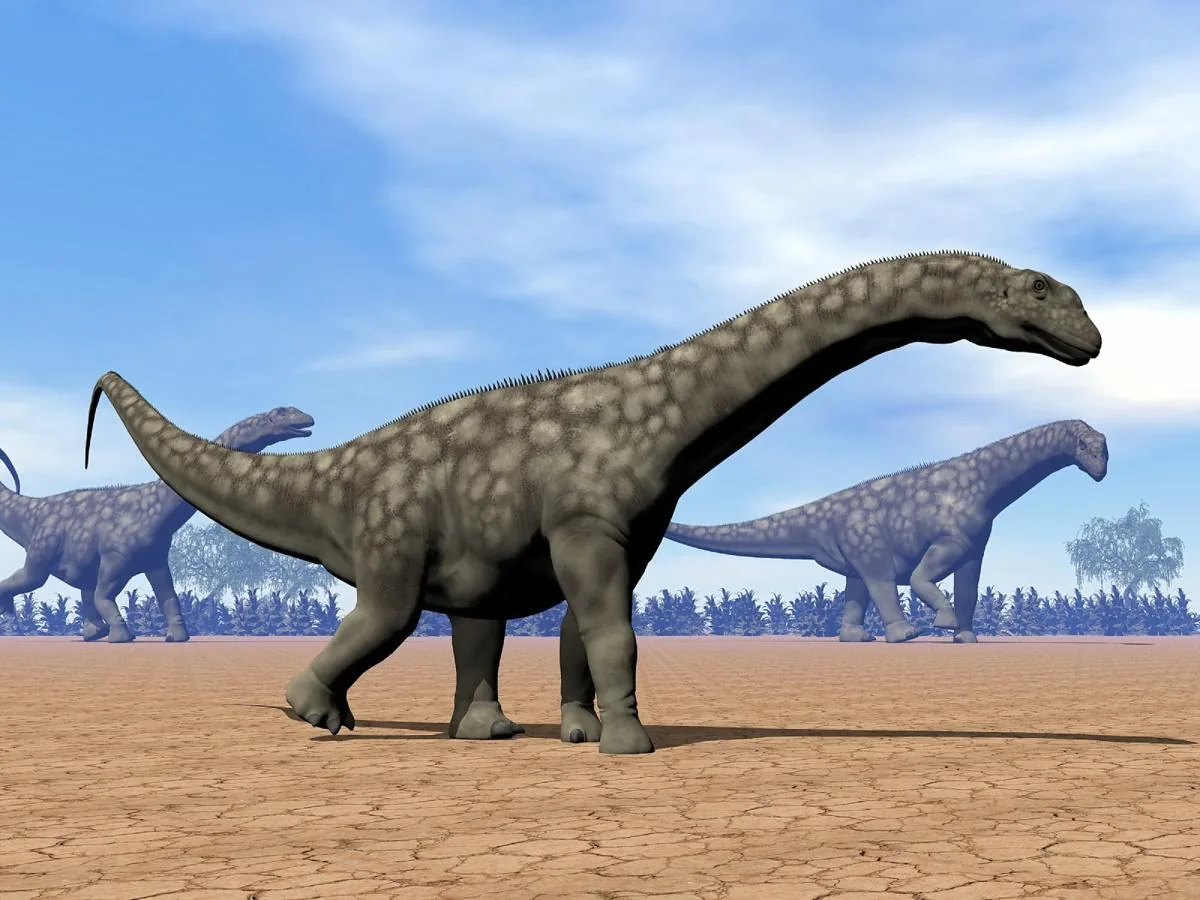
Length: 30 to 35 meters — Weight: 80 to 100 metric tons — Height: About 21 meters
One of the largest dinosaurs ever discovered, found in Argentina.
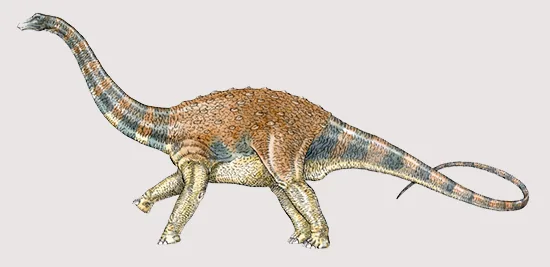
Length: About 12 meters — Weight: About 7 metric tons — Height: About 5 meters
Notable for the bony armoured skin covering its back.
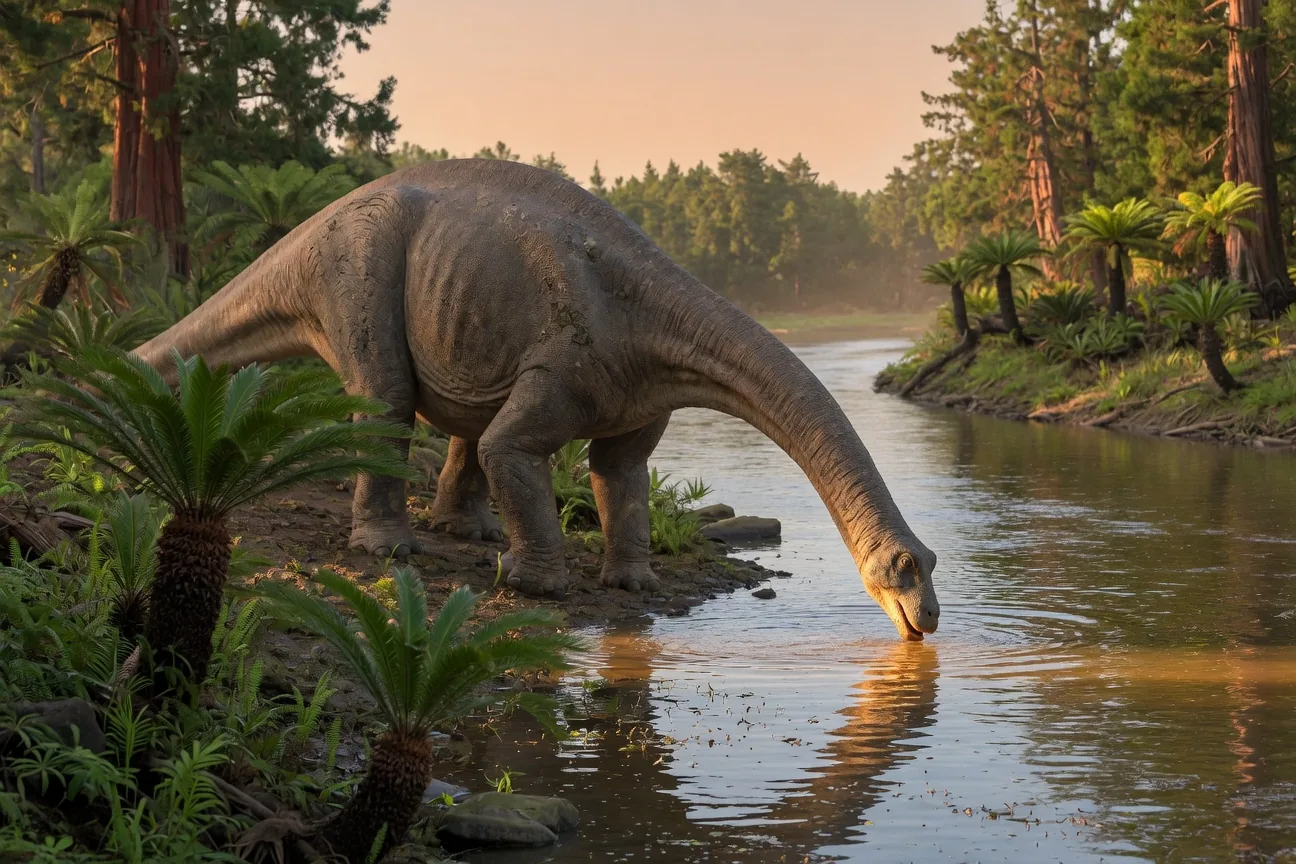
Length: About 23 meters — Weight: About 35 metric tons — Height: About 9 meters
Among the longest dinosaurs that walked the planet.
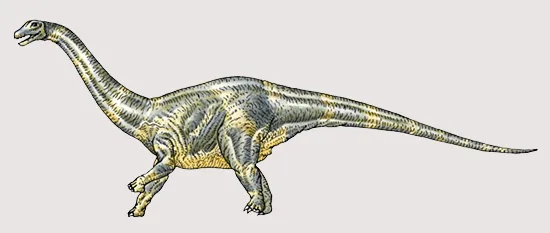
Length: About 16 meters — Weight: About 11 metric tons — Height: About 3 meters
Europe's first-named sauropod; discovered in England in the 1800s.
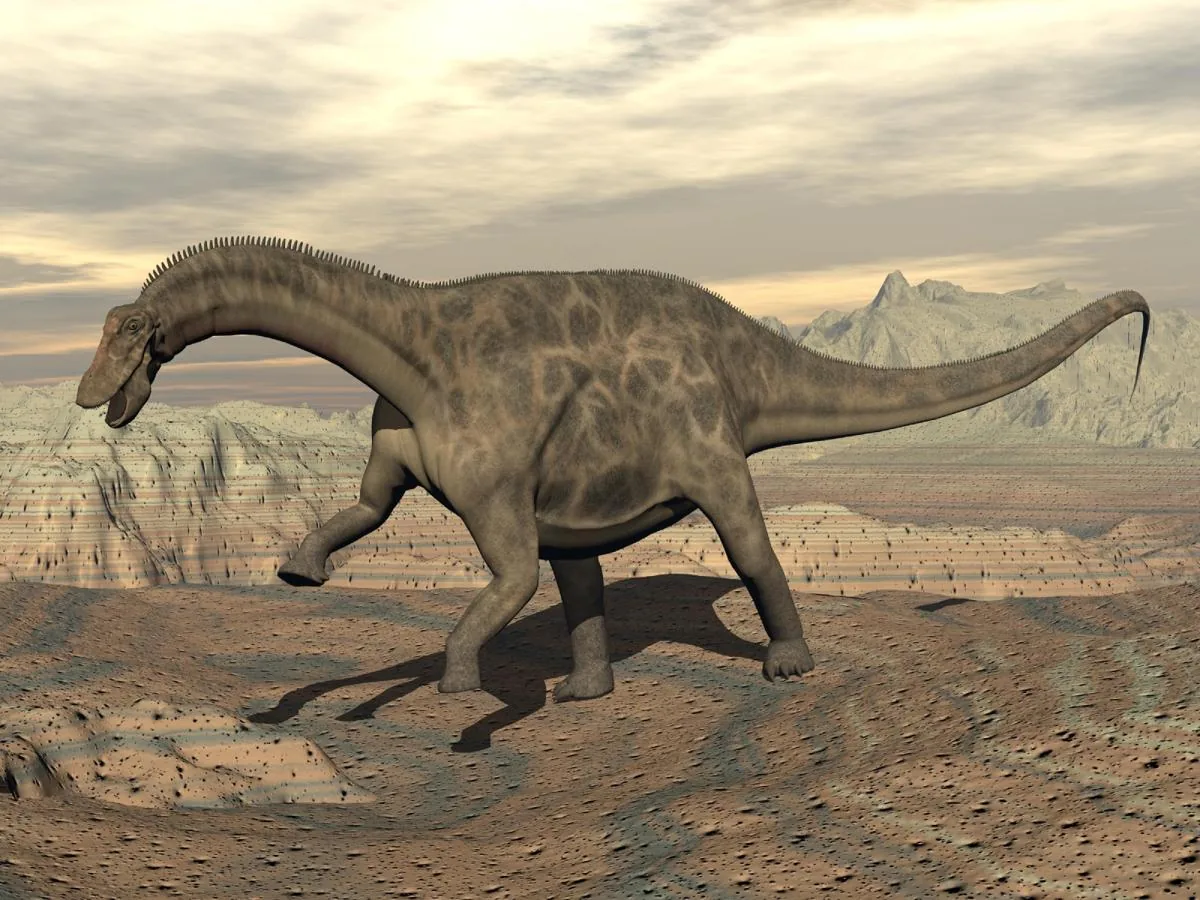
Length: About 12 meters — Weight: About 3 metric tons — Height: About 4 meters
Found in Tanzania; had distinctive paired spines along its backbone.
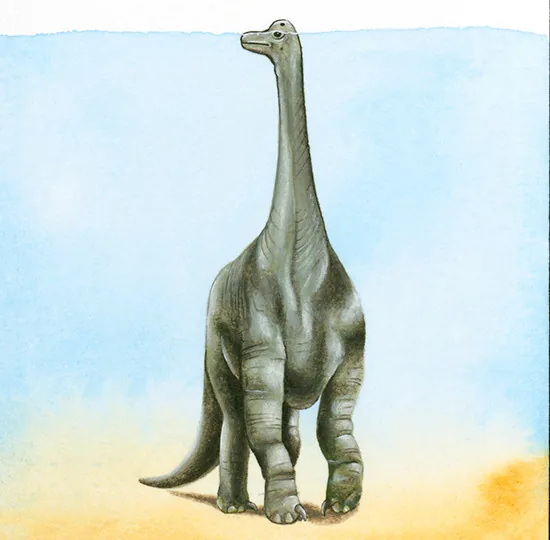
Length: About 26 meters — Weight: Over 20 metric tons — Height: About 12 meters
A close relative of Diplodocus; fossils found in both Africa and North America.
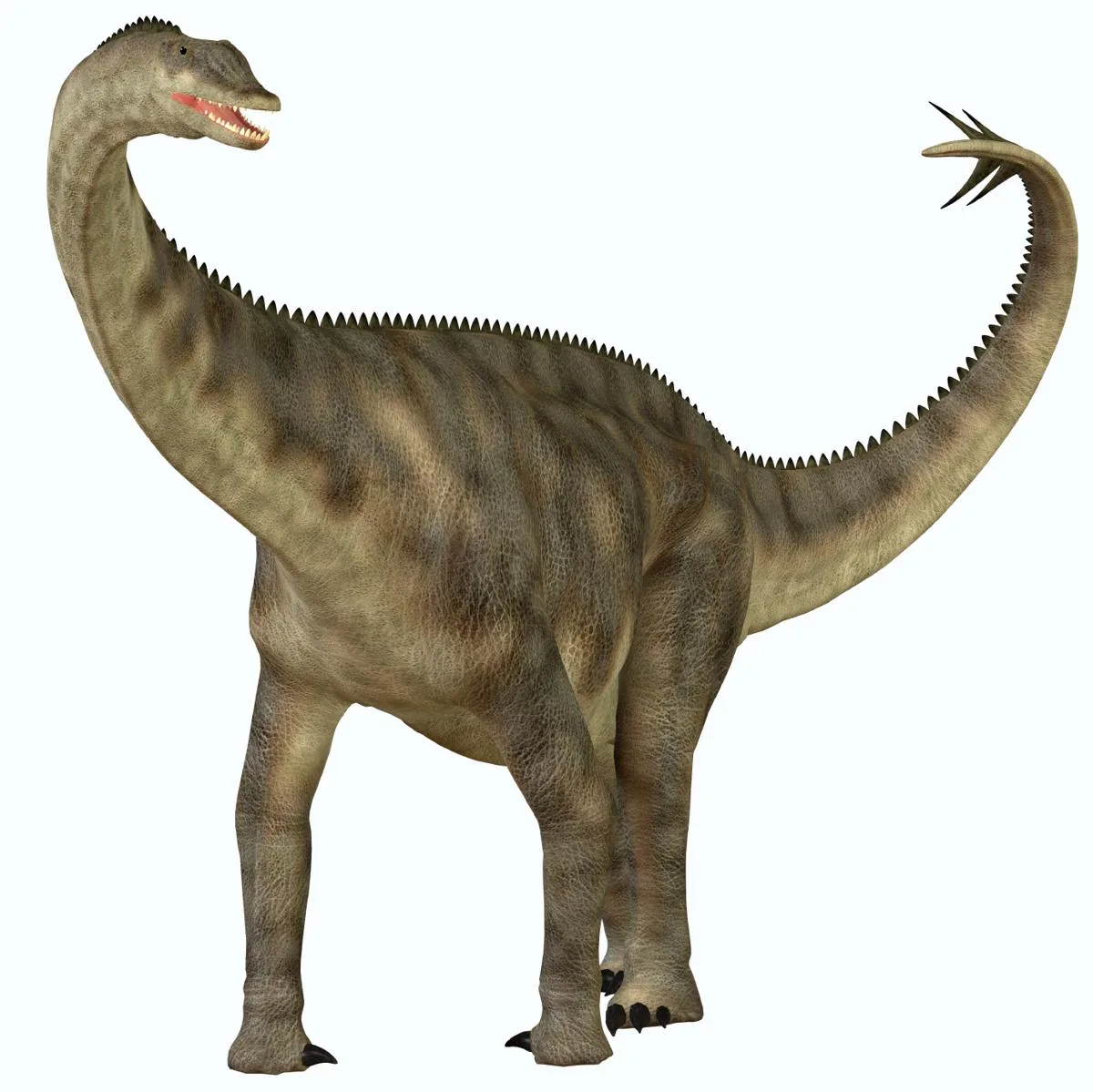
Length: About 11 meters — Weight: About 3 metric tons — Height: About 16 meters
From China; armed with a bony club on its tail as a weapon against predators.
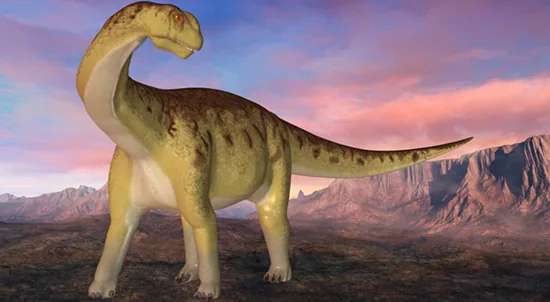
Length: About 23 meters — Weight: About 47 metric tons — Height: About 5 meters
The most common large sauropod fossil in North America; known for its boxy, deep skull.
Length: About 54 meters — Weight: About 113 metric tons — Height: About 26 meters
More slender than other sauropods; its whip-like tail may have been used for communication or defense.
Length: About 26 meters — Weight: About 29 metric tons — Height: About 9 meters
One of the heaviest known dinosaurs; its front legs were longer than its back legs.
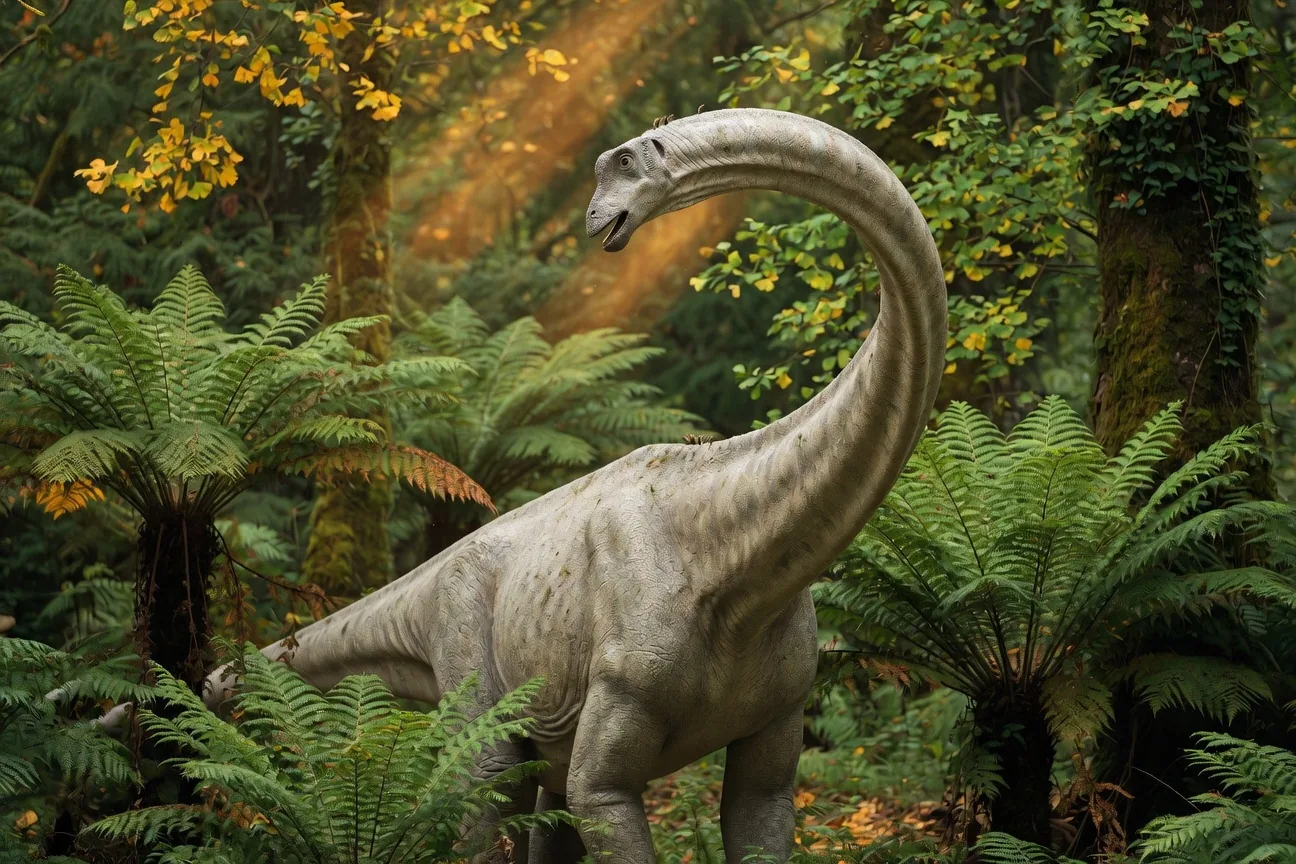
Length: About 22 meters — Weight: About 30 metric tons — Height: About 8 meters
Discovered in China; its neck made up nearly half its total body length.
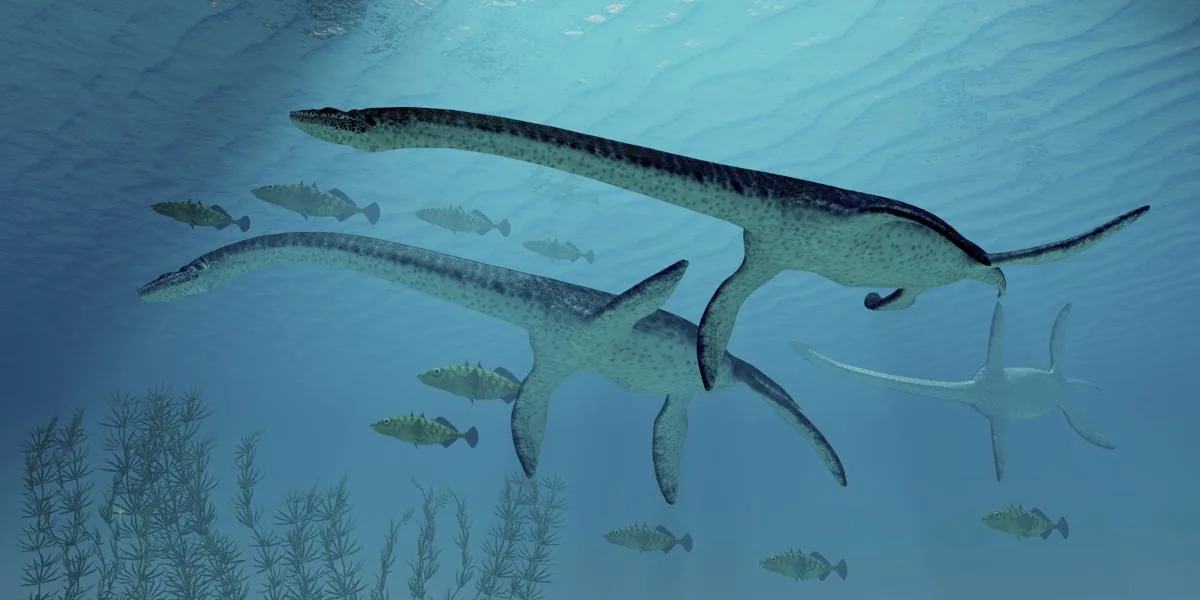
Length: About 17 meters — Weight: About 150 metric tons — Height: About 1 meter
** Some studies claim that Plesiosaurus was not a dinosaur, but just a marine reptile of the Jurassic period.

 Fun fact for today!The tallest sauropod stood 60 ft tall, more than three times the height of today's tallest animal, the giraffe!