

Did you know that zoosadism, which refers to pleasure derived from cruelty to animals, is one of the three precursors to sociopathic behavior? The other two are fire setting and enuresis.
We have all heard the saying "a dog is a man's best friend." Most of us have read Black Beauty at least once. Even kids in kindergarten know that the lion is the king of the jungle. There are many ways in which animals are seen as our friends, and yet, people still inflict pain and torture on them. Animal cruelty is not something new.
For thousands of years, humans have harmed animals weaker than themselves. Practically all animal species have been abused by man in some way. Humans are thought to be the most intelligent of all species. Still, when we look at the animal abuse statistics, mankind is put to shame.
Black's Law Dictionary (used by courts and welfare bodies like the MSPCA) gives a clear definition. It calls animal cruelty "the infliction of physical pain, suffering or death upon an animal, when not necessary for purposes of training or discipline or (in the case of death) to procure food or to release the animal from incurable suffering, but done wantonly, for mere sport, for the indulgence of a cruel and vindictive temper, or with reckless indifference to its pain." In short, any action that causes an animal needless pain is wrong.
Animal Abuse Facts and Statistics
Animal cruelty is found in all parts of society. People in rural areas and urban areas alike are reported for animal cruelty cases. The statistics show that reported cases are just the tip of the iceberg. There are hundreds, maybe thousands of cases related to animal abuse that go unreported.
People carry out violent and gruesome attacks on animals, both domestic and stray. The most common victims of animal abuse are dogs, cats, horses, birds, and livestock.
Abuse can take place in many different ways. A dog is kicked because he is barking too much. A house cat is forced to live outdoors because it missed the litter box. Horses are whipped non-stop just so the jockey can win a race. Bulls are made to fight against men to prove who is mightier. There are also cases where people put unwanted kittens in a bag and leave them on a highway.
Statistics based on media reports reveal that around 1,880 animal abuse cases were reported in 2007. Dogs were involved in 1,212 of these cases. Similarly, 337 cats suffered at the hands of people, and over 470 other animal species were reported to have suffered from some sort of cruelty that year. Several dogs are kept together in poor conditions, just so they keep producing puppies that can be sold as purebred dogs, even well-known breeders are guilty of this crime.
You have probably heard of bull fights, cock fights, dog fights, stallion fights, and many other animal fights. People place bets on these poor animals to earn fast cash. But have they ever stopped to think that a living creature is being killed or maimed for their lust for money?
In the year 2000, it was reported that over 7,600 greyhound puppies and 11, 400 adult greyhounds were killed. The reason? They were not fast enough for the dog races enjoyed by humans.
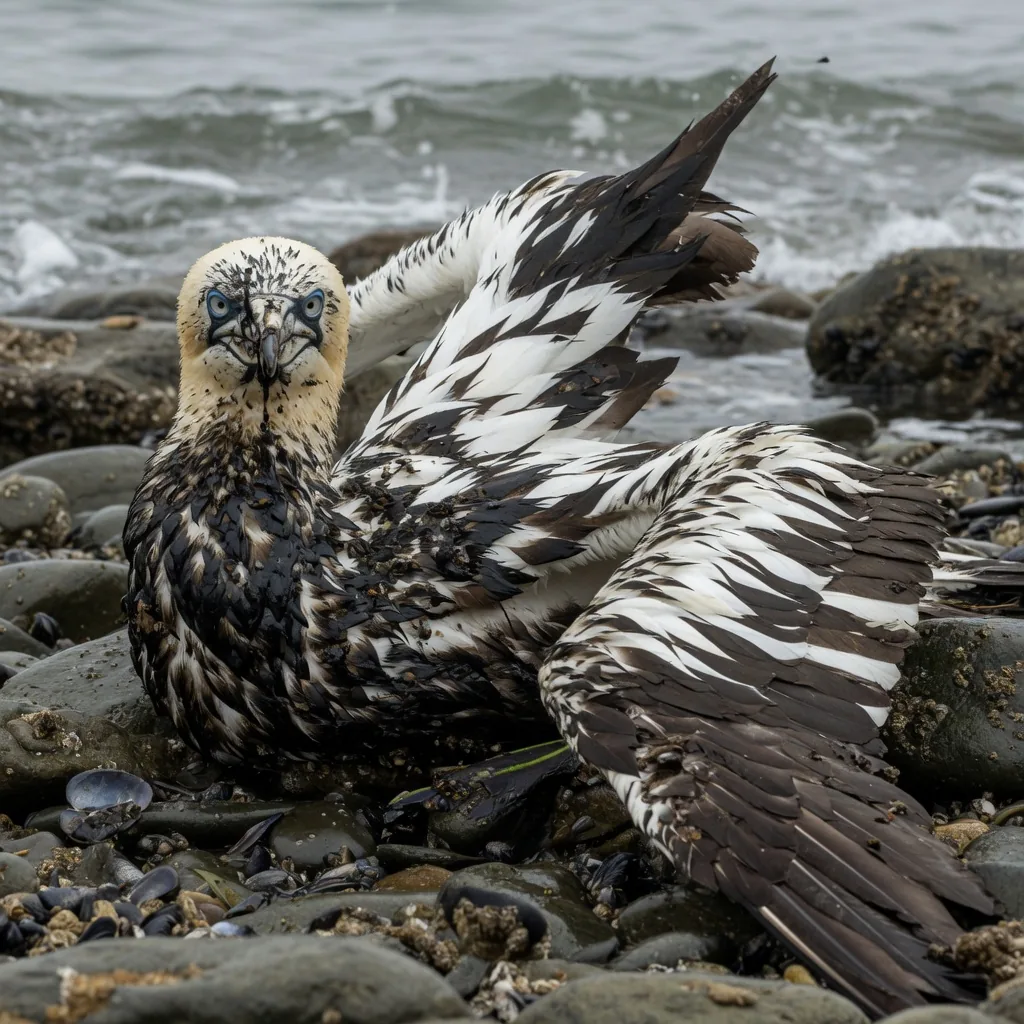
Oil spills in the oceans trap many penguins, seagulls, walruses, turtles, fish, and other marine animals. The oil forms a thick layer over their bodies. It sticks to their fur or feathers and destroys the natural insulation and waterproofing that keeps them warm and dry. They develop hypothermia and die. Birds cannot spread their feathers and cannot escape predators. The oil makes their bodies heavier, so they drown.
They can no longer swim, and their buoyancy is reduced. Baby seal pups are abandoned by their mothers because the oil on their bodies masks the scent that helps mothers recognize their babies.
Humans have polluted land, air, and water. We have cut down forests and taken away land from wild animals. And now, accidental oil spills are yet another way that people in water-dependent wildlife suffer.
Apart from marine animals, animal statistics show that 15 million warm-blooded animals worldwide are tortured daily in laboratories. These animals are used for research and kept in the most inhumane conditions. They are left to die and suffer while researchers look for cures for human diseases.
Over 25 to 100 million vertebrate animals (including some of the closest relatives to humans) were reported to be used for animal testing in the US. Chimpanzees, monkeys, beagles, dogs, cats, rabbits, rats, birds, and farm animals were all used in experiments. The invertebrate number is even higher: over 100 million invertebrates are estimated to have been used for lab testing.
Many people love fur coats and are willing to pay a lot for the real thing. But think about what it costs before you buy one. According to statistics, over 18 foxes are killed to make a single fur coat. Over 55 minks are sacrificed to provide the soft fur for one mink coat.
In 2006, over 350, 000 baby seals were killed by clubbing during the annual Canadian commercial seal hunt. A study conducted in 2001 reported that over 42% of seals were skinned while they were still alive and conscious. And we call our human race the most advanced and evolved of all in the animal kingdom.
Over 2 million dogs and cats are killed for their fur to produce fake fur coats. These animals suffer in terrible ways before they are finally freed from their pain. There is video evidence documenting the gruesome treatment of these creatures at the hands of humans.
Every year, over 3,000 gorillas, 4,000 chimpanzees, and hundreds of bonobos are killed for their meat by people in Africa. Similarly, over 100 million ray fish, sharks, and other aquatic animals are caught by accident in fishing trawlers. They are thrown back into the water badly injured. Whales, dolphins, porpoises, and turtles have all been pushed to the brink of extinction.
How Cruelty Breaks Down: The Numbers
Animals are exploited in many ways. The most common uses are entertainment, research, and fashion. Statistics in the US show how the different types of cruelty break down by share of reported cases:
- 32.4% of animals are neglected
- 11.6% are shot dead
- 11.5% die through choking or suffocation
- 9.3% die of poisoning and fighting
- 7% are beaten up or face theft
- 5.6% are tortured
- 2.4% are hunted or thrown away
- 2.3% are stabbed
- 2.2% suffer from burning or drowning
- 1.9% are burned by caustic substances
- 1.8% die from fighting
- 1.4% are victims of unlawful trade
The biggest slice of that chart is the quietest one. Neglect (passive cruelty) tops the list at almost a third of all cases. An animal suffering from starvation or exposure is just as much a victim as one that is deliberately harmed. And because many abuse cases go unreported, the real numbers are even higher.
Animals in Circuses & Entertainment
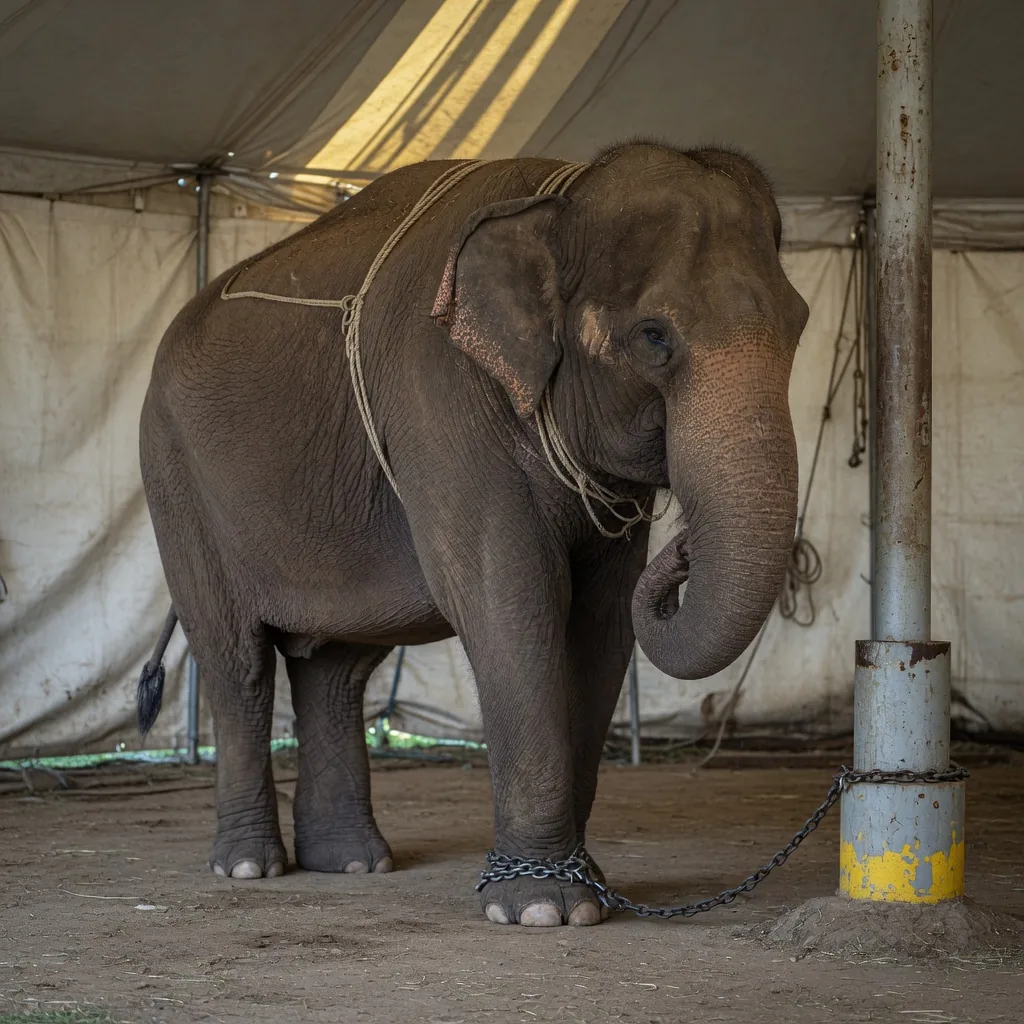
Animals working in a circus are tortured all their lives. They are forced to perform on stage for audiences who do not notice their pain. Wild animals like tigers, lions, and elephants are made to perform shows and look fierce to keep audiences entertained. No one ever notices the tight collars, the whips hitting their bodies, the beatings, or the lack of food.
These animals do not perform willingly. They obey because they are afraid of being hurt. Trainers use whips, muzzles, and electric prods to force animals to follow commands. The animal rights organization PETA has investigated circus conditions and found shocking results: bull hooks and electric prods are used to beat elephants, heavy chains are kept around the necks of wild cats, and bears and tigers are beaten with sticks and poles.
Constant traveling forces the animals to stay in trailers or trucks for long stretches. Even though the animals earn good money, their owners do not bother to keep them in better conditions. They are made to survive even in extreme weather, which takes a serious toll on their health. According to PETA, Ringling Bros. and Barnum & Bailey Circus ran 11 tours a year and kept elephants chained for 26 hours, sometimes up to 100 hours at a stretch. Wild cats were kept in cages so small they could barely turn around, and sometimes two tigers or lions were placed in one cage.
One case reported by PETA involved a young lion called Clyde. In July 2004, while the circus was traveling, Clyde died from heatstroke and dehydration. When an animal cannot take the torture anymore, it attacks the abusers. The abusers are then called victims and the poor animal is shot dead, or given heavy doses of tranquilisers. Old, sick, and weak animals that can no longer perform are sold to people looking to make quick money. These animals are killed in terrible ways. Their fur, body parts, and bones are sold illegally. Some are sold in the illegal pet trade to people who have no idea how to care for them. These poor animals are either abandoned or further abused by their new owners.
Cruelty in Slaughterhouses
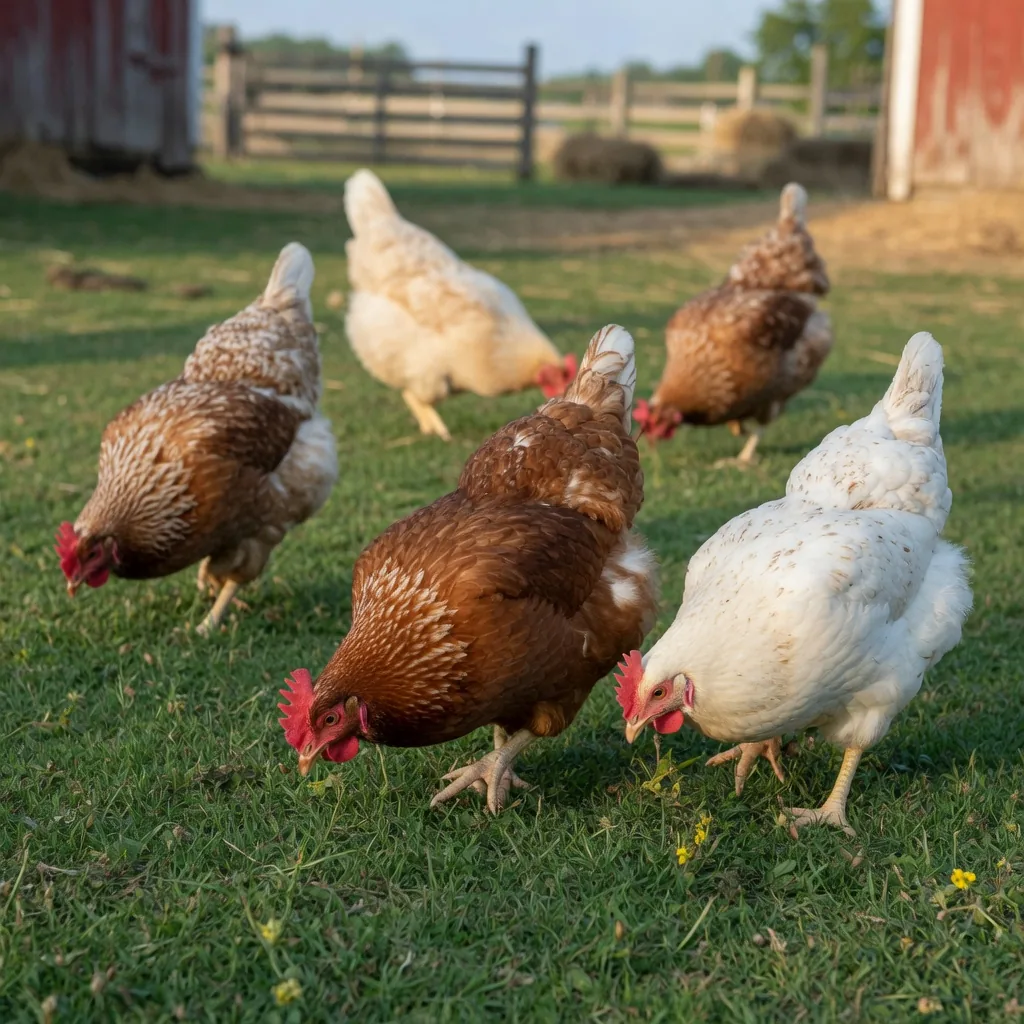
Slaughterhouses are among the places where animals suffer the most. Information collected by activists of 'Mercy For Animals', an animal welfare organization, revealed cruel treatment given to chickens and turkeys during an undercover operation.
Slaughterhouse workers rip the heads off turkeys while the birds are fully conscious. On a few occasions, birds were also thrown under the wheels of trucks. Chickens are trampled by workers at poultry farms; in some cases, workers pick up a bird by its legs and hit it hard against the wall.
Cows are killed to make beef in ways just as barbarous. A 'kosher' slaughterhouse investigation carried out by PETA activists in 2004 revealed that cows were left in seething pain after their throats were cut only partly. The cow does not die almost immediately and faces agonising pain for quite a while. Internal organs like the trachea are removed while the animal is still conscious.
Cruelty at Sea: Fishing & Dolphin Hunts
Fishing might seem harmless because the cruel acts behind it are rarely seen by the public. Yet this is an area where animal cruelty reaches its peak. Dolphins are killed in Japan in the period between October and March. They are chased so that they bunch together in shallow bays near the coast, where they are brutally killed in such great numbers that the sea water turns red.
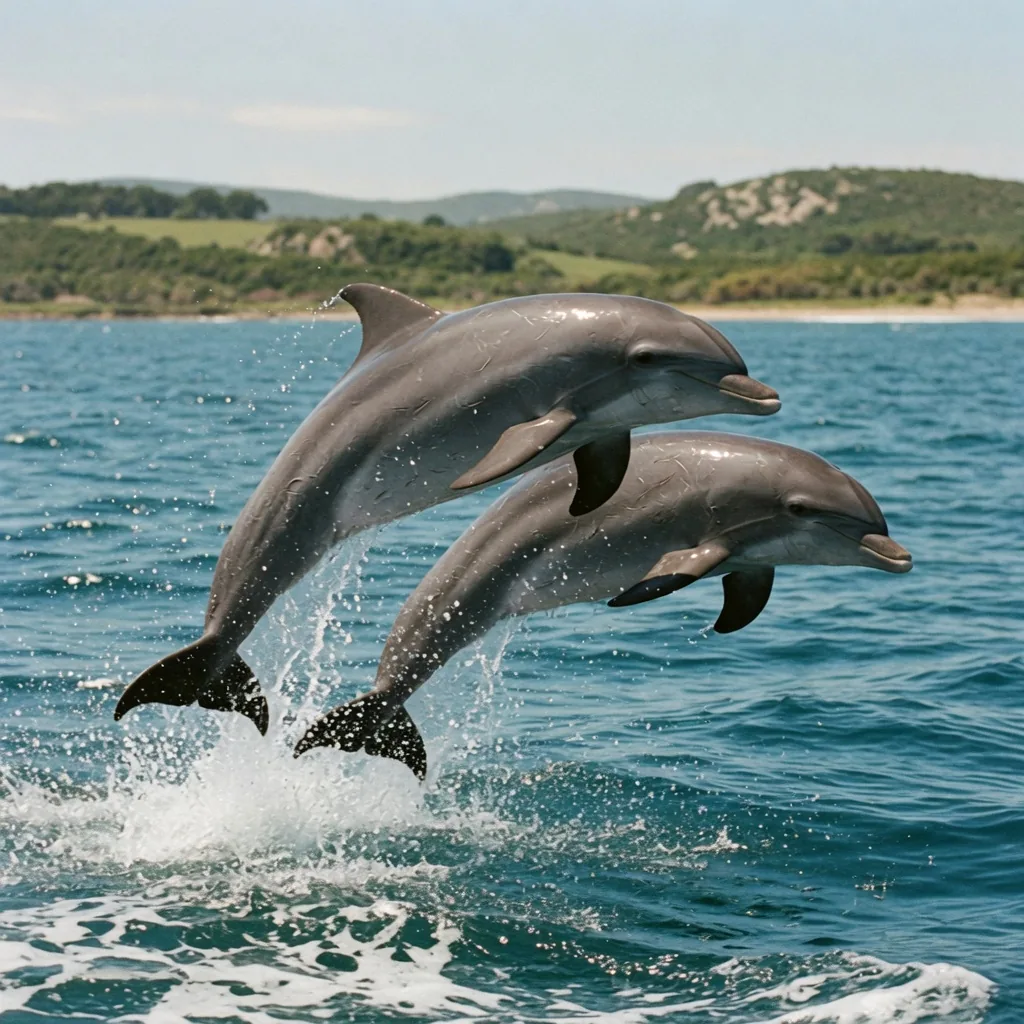
A similar form of cruelty is shown off the coastal regions of Denmark, where dolphins are killed every year. The reason is not just about food, in that part of the world, some people see the slaughter of dolphins as a symbol of moving from teenage years into adulthood.
Take the Animal Abuse & Cruelty Quiz!
9 questions. How much do you know about animal cruelty, the numbers, the laws, and how to help?
The Link to Human Violence
Cruelty to animals is not only about the animals. Research shows that people who deliberately hurt animals are more likely to be violent towards other people too. Studies have found that almost all serial killers and violent criminals had a history of abusing animals when they were young.
- Jeffrey Dahmer (known as The Milwaukee Cannibal) murdered 16 boys and young men. As a child, he collected dead animals and dissected them, and he impaled the heads of dogs and cats.
- Ted Bundy, a convicted serial killer, was known to have abused animals as a child.
- Dylan Klebold and Eric Harris, the students behind the Columbine High School shooting in which 12 classmates were killed, were believed to have mutilated animals beforehand.
Deeper research shows many of these individuals came from troubled family backgrounds and experienced trauma or neglect growing up. While animal cruelty does not always lead to serious violence, it has been seen as an early warning sign in many criminal cases.
Words of the Wise
Is it right to harm animals simply because they cannot fight back? Animals are not our property to treat however we like. Here are a few well-known voices on the matter.
- Former Beatle Paul McCartney once said: "If slaughterhouses had glass walls, we would all be vegetarian."
- TV host Ellen DeGeneres said: "If you want to test cosmetics, why do it on some poor animal who hasn't done anything? They should use prisoners who have been convicted of murder or rape instead. So, rather than seeing if perfume irritates a bunny rabbit's eyes, they should throw it in Charles Manson's eyes and ask him if it hurts."
- Czech writer Milan Kundera wrote: "Humanity's true moral test, its fundamental test, consists of its attitude towards those who are at its mercy: animals."
Animal Abuse Laws
There are many anti-cruelty laws and animal welfare programs in all states and territories of the United States. These laws prohibit torturing, beating, mutilating, and the unnecessary killing of animals. They also cover neglecting, abandoning, or depriving pets or farm animals of food, water, and shelter.
Many organizations monitor animal abuse and take action against those responsible. The Society for Prevention of Cruelty to Animals (SPCA), People for Ethical Treatment of Animals (PETA), animal rescue agencies, and animal shelters all investigate animal abuse cases. If these agencies are not available, the police or the sheriff's department can take action. Once enough evidence is collected, charges are filed by the local district or state's attorney.
What the Law Says, State by State
Every US state has its own law on animal cruelty, and the punishment varies. Here is a look at the rules in a few states:
- In Alaska, animal cruelty can lead to imprisonment up to 1 year, a fine up to $5,000, restitution, and community service.
- In California, the punishment includes imprisonment up to 1 year and/or a fine up to $20,000.
- In Delaware, a basic offense carries imprisonment up to 1 year, a fine up to $1,000, surrendering of all animals, and no animal ownership for 5 years. If the cruelty was intentional, the sentence rises to 3 years in prison, a fine up to $5,000, surrendering of all animals, and no animal ownership for 15 years.
- In Oklahoma, punishment can mean up to 5 years in a state penitentiary with a fine up to $5,000, or up to one year in a county jail.
- Around the world, countries like China and Saudi Arabia currently have no specific laws against animal cruelty.
- However, countries including India, Germany, France, Taiwan, Sweden, and Switzerland all have laws that make animal cruelty a punishable offense, with fines and prison sentences that vary by country.
More Shocking Statistics
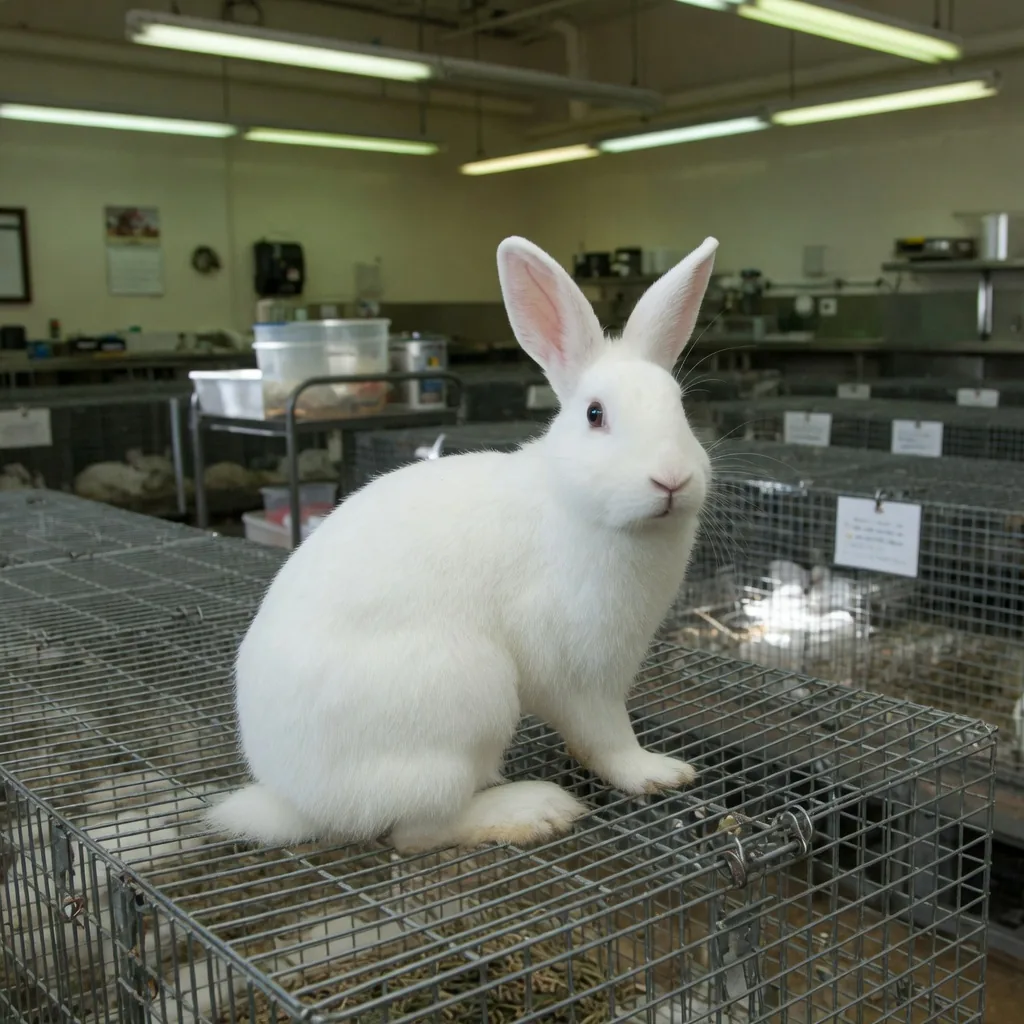
- More than 100 million animals suffer and die every year in chemical, cosmetic, food and drug tests, and in biology dissection lessons. They are poisoned, burned, crippled, and hurt in many other ways.
- Circus elephants are often kept chained up for as long as 23 hours a day, right from when they are babies.
- Each year, approximately 10,000 bulls die in bullfights.
- 4 to 5 million animals die every year in animal shelters.
- 1-day-old calves are given milk replacements (including cattle blood) so that their mother's milk can be sold to humans instead.
- A Canadian police study found that 70 percent of people arrested for animal cruelty had past records of other violent crimes.
- In 2007, pit bulls were the victims in 25 percent of reported dog abuse cases.
The government of the Netherlands studied the treatment of circus animals, and then banned all animal circuses. Here is what they found:
» 65% of the wild animals, like tigers, lions, and elephants, were starved or malnourished.
» 35% of wildcats and animals like lions and tigers were not provided an outdoor enclosure or access to their natural habitat.
» 70% of the observed animals had medical problems.
» Elephants were kept chained for more than 18 hours a day, while lions were made to spend about 98% of their time indoors.
Frequently Asked Questions
How many animal abuse cases were reported in 2007?
Around 1,880 animal abuse cases were reported in 2007, with dogs involved in 1,212 of them.
What is the most common form of animal cruelty in the US?
Neglect (passive cruelty) accounting for 32.4% of reported cases, more than any other type.
How many animals are used in laboratory testing worldwide?
Animal statistics show 15 million warm-blooded animals worldwide are tortured daily in laboratories, and more than 100 million animals suffer and die every year in chemical, cosmetic, food and drug tests.
What is zoosadism?
Zoosadism refers to pleasure derived from cruelty to animals, including torture and killing. It is one of the three precursors to sociopathic behavior.
What are the two types of animal cruelty?
Passive cruelty involves neglect (starvation, dehydration, improper shelter). Active cruelty involves intentional harm such as beating, whipping, or burning.
What organizations investigate animal abuse?
The SPCA, ASPCA, PETA, the Humane Society of the United States, Mercy For Animals, animal rescue agencies, shelters, and local law enforcement investigate animal abuse cases.
Types of Animal Abuse
There are two types of cruelty inflicted on animals by humans: passive cruelty and active cruelty.
Passive cruelty involves cases of neglect. It is generally a failure to prevent pain and suffering. Starvation, dehydration, and improper shelter are all types of passive cruelty. A related problem is "pet hoarding", when someone takes in far more animals than they can properly care for, leading to overcrowded, unsafe conditions.
Active cruelty involves harmful acts where the abuser intentionally hurts the animal. The animal may be beaten, whipped, burned, or branded. It often leads to death. Animals can be abused in many terrible ways, including:
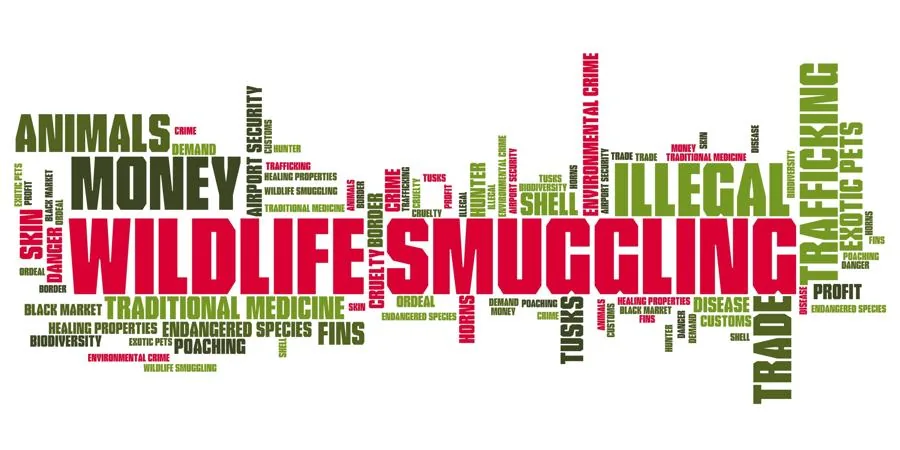
- Wildlife smuggling/trading
- Shooting
- Torturing
- Mutilation
- Burning
- Starvation
- Poisoning
- Kicking
- Running over with vehicle
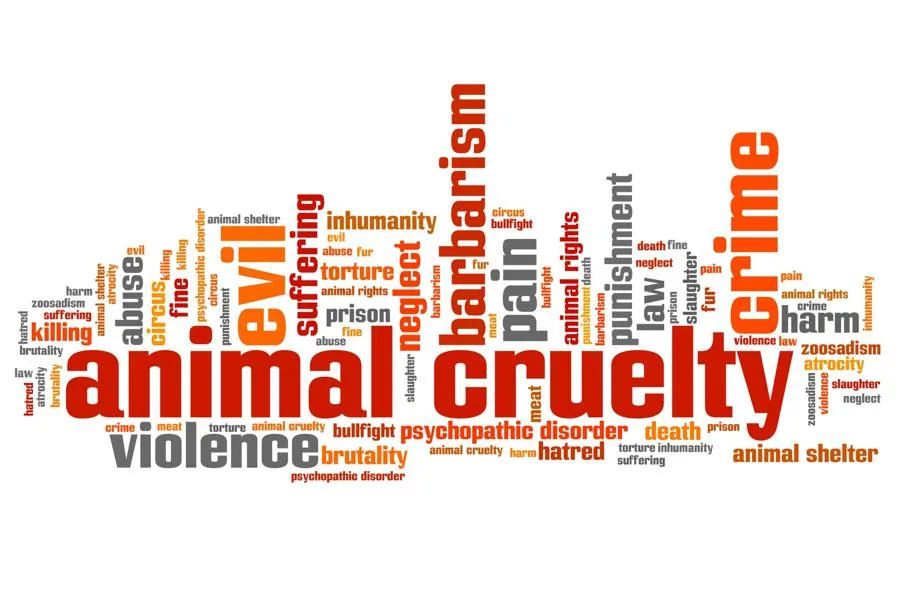
- Animal fighting
- Beating
- Throwing
- Neglect
- Emaciation
- Stabbing
- Dragging/hanging
- Animal sexual abuse
Warning Signs of Animal Cruelty

How can you tell when an animal is being mistreated? These are some of the warning signs to watch for:
- The animal has a bad flea or tick infestation.
- The animal is wounded, limping, bleeding, or has patches of missing or matted fur, or looks very dirty, weak, or smells bad.
- The animal has been injured or sick for a while but has not received any vet care.
- The animal has been chained up in a yard, left alone for a very long time, or appears to have had no food or water.
- The animal has been left outside in very hot or very cold weather without proper shelter.
- The animal looks very thin, bony, and underfed.
- You see a person physically hurting an animal on purpose.
- Animals that cower in fear or lash out aggressively are often doing so because they have been abused.
Explore More Animals
 These Bone-chilling Animal Cruelty Facts Will Move You to TearsAnimal cruelty, often viewed with subdued interest, is perhaps the most neglected fact on a humanitarian level. Learn the facts, the statistics, and what you ca
 5 Shameful Reasons Why People Abuse AnimalsThere are many reasons behind animal abuse. It could be done unintentionally or intentionally. But the question is how correct or how wrong it is? Both morally
 Hard-hitting Animal Abuse Quotes That Will Tug at Your HeartAnimal abuse is an issue that many people feel strongly about. Read powerful quotes from philosophers, scientists, activists, and artists who have spoken out fo
 Stop Animal Cruelty! Animal Abuse Facts and StatisticsMost people think that animals in circus and movies like what they do. However, this is not the case. Here are the facts about animal cruelty you need to know.
Stop Animal Abuse: How You Can Help

We live in civilised societies where every one of us knows about basic human rights. All of us are familiar with the idea of live and let live. We have no right to torture the weaker creatures who share our planet. Even animals feel pain and are injured by the mistreatment they receive. They do not need your sympathy. They need you to act and stop this abuse. If you see anyone beating or tethering their animal for no reason, report them to the authorities.
They say charity begins at home. If you have pets, teach your children to love and respect them. Never hit, push, or punish a pet in front of kids, you are indirectly showing a child that it is okay to hurt an animal. School teachers, parents, and guardians should all talk about respecting wild and domestic animals and discuss some animal cruelty facts.
Beyond your own home, there are many concrete steps you can take to stop, prevent, or report animal cruelty wherever you see it:
- Report any abuse you see. Look up local organizations that deal with animal welfare and keep their numbers handy. If no such service exists nearby, call 911.
- Collect as much evidence as you can. Use your phone to take photos or video of the abuse, and try to capture the abuser's face.
- Animal abuse is hard to watch, but don't look away. MAKE THE CALL. It also helps to know which of your neighbors have pets, so you can spot early signs that something is wrong.
- Volunteer or donate to shelters. You can even sponsor or foster an abused or abandoned animal until it finds a loving home, and help with medical care if you can.
- Support anti-cruelty laws in your state, and set an example for others by speaking up for animals.
- Consider starting a Neighborhood Watch Programme to keep an eye out for animal abuse where you live.
- If something feels wrong, trust your instincts and tell the authorities. Do not brush it off, your action might save an innocent animal's life.
Hundreds of animals die each year because of thoughtless human actions. A person who hits, tortures, or abuses an animal in any way is not behaving like a decent human being. Animals do not have a voice or an opposable thumb. But they have feelings, they can feel pain. Do not be so insensitive to their suffering.
Put yourself in their place. How would you feel if you were beaten up, burnt by caustic substances, drowned, or smothered to death? What would go through your mind if someone pulled the skin off your body while you were still alive and conscious?
Why do people abuse animals? Mother Nature created all creatures to live on this planet in peace. Do not let power make you ignore an animal's right to live. If these facts have stirred your conscience even slightly, do your bit to stop these mindless acts. Animals are innocent creatures and only a few thoughtless people think they can take advantage of them.
Animals, no matter what species they are, will prove to be man's best friend. They will always be there with you, no matter what. It is time to decide whether you will stand up for them, or look away.
"The greatness of a nation and its moral progress can be judged by the way its animals are treated."

 Fun fact for today!Zoosadism (pleasure derived from cruelty to animals) is one of three early warning signs of sociopathic behavior. Recognizing it matters.