

As the world has developed, governments have created more rules to protect people, and animals. These rules often come from people who are angry and upset about things happening around them. One concern that is growing rapidly is animal cruelty.
Animal abuse is cruel and unwarranted treatment of animals. Its goal is simple: to cause unnecessary harm and pain to animals, and sometimes to pets. One of the most serious types of animal abuse is torture.
Animal cruelty means different things in different places. The definition varies from region to region, state to state, and country to country. It can be broadly defined or barely defined at all. Abuse by individual people often goes unnoticed and unreported. But larger organizations involved in factory farming, fur farming, and animal testing are also frequently accused of animal cruelty.
Another major area of concern is the entertainment industry, especially circuses and films. Circuses in particular are said to be rampant with cruelty toward animals. This growing awareness has led to calls for "animal-free" circuses. Countries like Sweden, Costa Rica, Austria, Finland, India, and Singapore have already banned or restricted the use of animals in circuses.
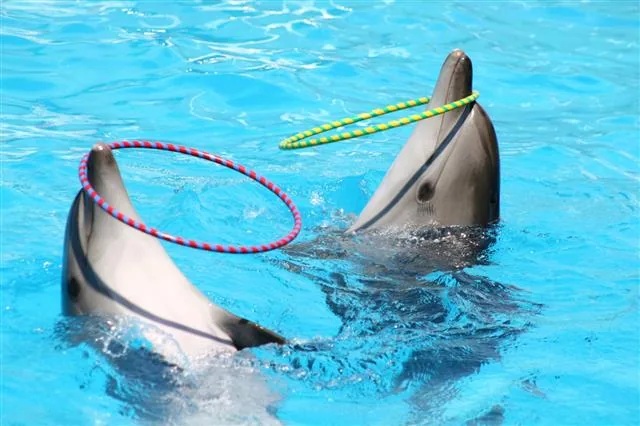
In a recent report, People For Ethical Treatment of Animals (PETA) revealed embarrassing facts about the lives of circus animals. According to PETA, many well-known circuses do not practise what they preach. Nobody oversees or regulates the animals' training. Tight collars, whips, beatings, and torture are common.
PETA's Take on Circus Animals
PETA points out that circus animal behavior is completely unnatural. Tigers do not naturally hop around and lie down together on command. Elephants do not naturally walk trunk-to-tail in a line. These tricks are only possible through extreme training, which often means extreme pain.
Take the Animal Cruelty Awareness Quiz!
5 quick questions. Test what you know about animal abuse and animal rights.
Dangers Involved in Circus Surroundings
Circus animals are also routinely exposed to dangerous diseases. Many receive no basic medical care at all. Tuberculosis is a major illness among circus elephants. There are cases where elephants were not treated for wounds caused by beatings or other injuries. Some circuses are even known to keep large amounts of topsoil on hand, to cover up wounds and blood on the elephants.
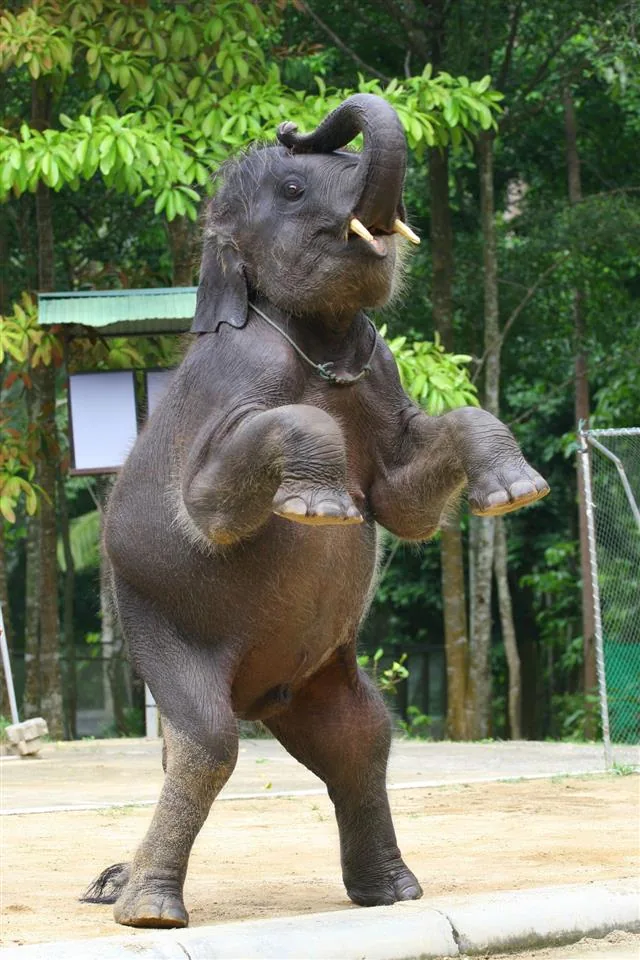
Frequent Elephant Deaths in Circus
Many elephants in circuses also develop lameness, arthritis, and foot abscesses. A common cause of elephant deaths in circuses is osteoporosis, a disease where bones become weak and brittle. Elephants develop osteoporosis because they have no room to move around. Inhumane conditions mean circus animals are dying at a faster rate than they are breeding.
Frequently Asked Questions
What is animal cruelty?
Cruel and unwarranted treatment of animals that subjects them to unnecessary harm and pain.
Which countries have banned animals in circuses?
Sweden, Costa Rica, Austria, Finland, India, and Singapore have banned or restricted animals in circuses.
Why do circus elephants develop osteoporosis?
Because they do not have wide spaces to move around, leading to bone weakness.
What industries are accused of animal cruelty?
Factory farming, fur farming, animal testing, and the entertainment industry (especially circus and film).
Death at the Sets of 'Cannibal Holocaust'
One of the worst examples of animal cruelty in film is the movie Cannibal Holocaust. The film was controversial from the moment it was released. It was proved that at least six animals were killed for the film, a muskrat, a pig, a monkey, a snake, a turtle, and a large spider. The monkey scene reportedly had to be filmed twice, meaning two monkeys died for the movie.
Despite widespread concern and protests, animals continue to face enormous cruelty and abuse. It is not only the government's and NGOs' job to protect these creatures, as a society, we all need to take action together.
It is easy to feel sad about animal suffering and then move on and buy a fur coat. Many arguments are made to justify animal slaughter, but nothing truly justifies taking away a life, no matter how high the stakes.
Explore More Animals
 Animal Abuse & Cruelty Statistics: The Facts, Laws & How to HelpAnimal abuse statistics reveal a grave picture of suffering at human hands, circuses, labs, fashion, fighting and neglect. Here are the key facts, the laws tha
 Facts About Animal Rights: What They Are and Why You Should CareIn theory, the concept of animal rights needs no introduction. However, most of the facts about its history and various laws pertaining to it continue to elude
 These Bone-chilling Animal Cruelty Facts Will Move You to TearsAnimal cruelty, often viewed with subdued interest, is perhaps the most neglected fact on a humanitarian level. Learn the facts, the statistics, and what you ca
 5 Shameful Reasons Why People Abuse AnimalsThere are many reasons behind animal abuse. It could be done unintentionally or intentionally. But the question is how correct or how wrong it is? Both morally

 Fun fact for today!Countries including India, Sweden, and Singapore have banned or restricted animals in circuses, and the list is growing!