

We live in the 21st century, an age of science, technology, and progress. Yet every day, millions of animals suffer needlessly at human hands. Animal cruelty is not some distant problem. It is all around us, often hidden in plain sight.
Many of us do not think about where our food, clothing, or cosmetics come from. That lack of thought (that ignorance and neglect) is part of the problem. Cruelty towards animals can never be justified. We are a part of nature. We share this planet and its resources with animals. By allowing their suffering, we are harming ourselves too. It is time we took real steps to protect animals from torture and abuse.
In the words of MK Gandhi, "The greatness of a nation and its moral progress can be judged by the way its animals are treated."
Lack of Awareness
Long ago, humans hunted animals to survive. Those days are gone. Today we are a powerful and well-fed species, yet some people still harm animals for fun or fashion. Animals are being poached and slaughtered all over the world, simply because not enough people are paying attention.
Fur clothing is one example. Some people love wearing fur. But the animals used in making fur products are killed in deeply cruel ways (electrocuted, suffocated, or even clubbed to death) all to keep the coat intact. Is a fashion statement really worth that?
Many countries have no laws to protect these defenceless animals. Statistics show that over 2 million cats and dogs were killed for their fur in countries like China and Hong Kong. Whether wild or domestic, animals are wronged, regardless.
Every year, thousands of dolphins are slaughtered at a particular coast of Denmark. It is a ritual performed by the youth of the country to mark the transition from teenage to adulthood. This ritual shows that some modern humans are yet to leave behind their instincts from the stone age.
The seal-hunt video from Canada sparked strong reactions from animal rights activists around the world. As a result, the European Union banned the import of all seal products. This ban reduced seal hunting in Canada to a great extent, a real win for those who stood up for the cause.
Animal Atrocities
Videos of animal cruelty filmed inside slaughterhouses are deeply disturbing. They show us exactly how animals are treated, and expose a side of modern society that most people would rather not see.
Unintentional neglect by workers in slaughterhouses is one of the most common forms of animal cruelty. Hens and small chicks are crammed together in tiny, dirty spaces. Captive pigs are often jabbed with pins and beaten with metal rods. In one filmed case, a worker from a poultry farm literally trampled a chicken to death.
Cows killed for beef go through a similar ordeal. They are slaughtered in a mechanised way. Sometimes they are left bleeding in a half-slaughtered state, still alive and fighting. It is agonising to watch.
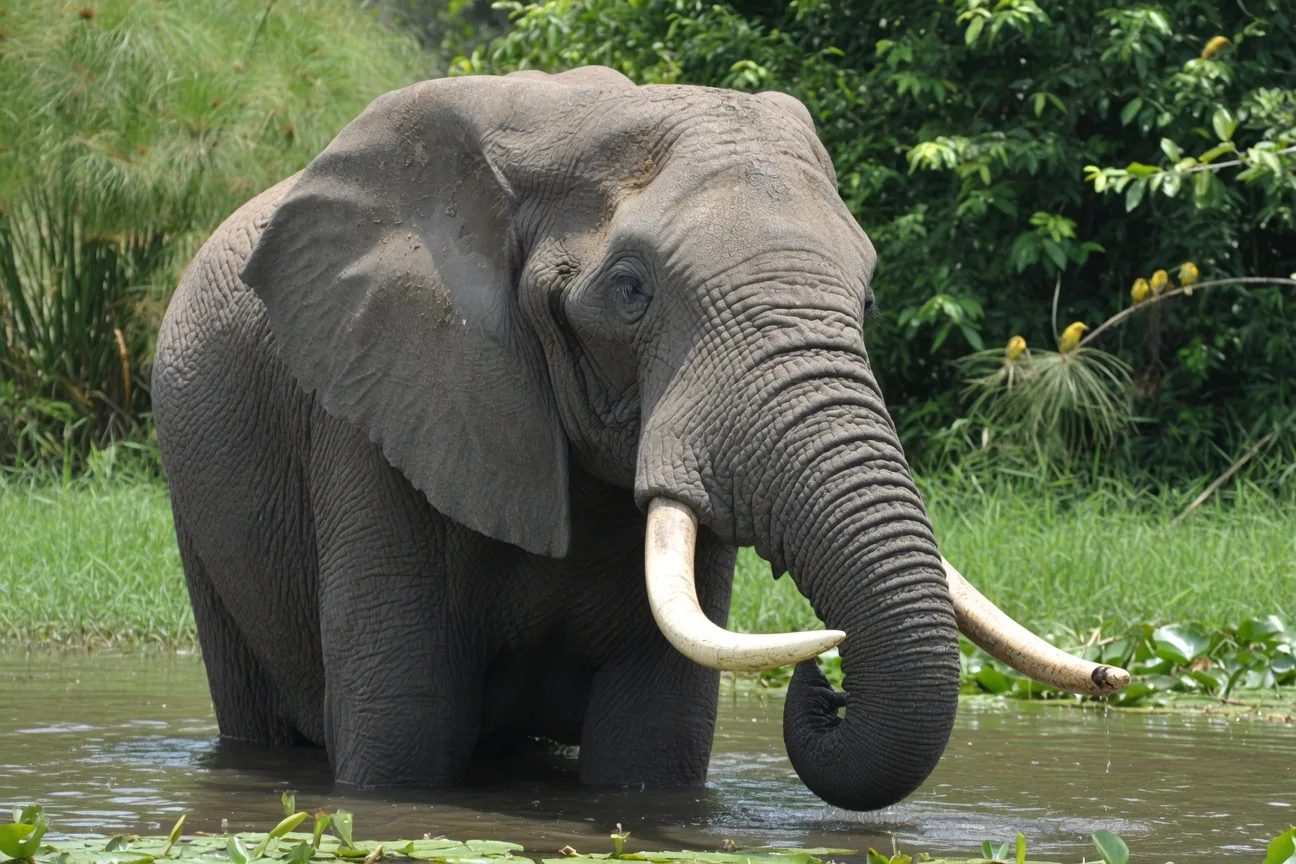
Animals used in circuses have their own story of pain. Circus elephants often perform with cuts and wounds that are left untreated, their injuries are simply covered with topsoil so the audience cannot see. Because their movement is so restricted, elephants often suffer from osteoporosis, a painful bone disease.
Bullfighting is a sport in which bulls are killed with spikes, daggers, and spears. Because the bull is such a strong animal, death does not come quickly. The weapons cause massive blood loss, which slowly weakens the animal until it finally succumbs to its injuries. In 1991, the Canary Islands became the first Autonomous Community in Spain to ban bullfighting. Catalonia became the second, imposing its ban in January 2012.
Mice and rats are probably the worst-treated creatures in laboratories, put through extreme pain in the name of research.
In one case, over a thousand hamsters were made to inhale air mixed with nanoparticles (tiny particles smaller than a cell) inside sealed vessels, causing their deaths. The animals paid with their lives so that nanoparticles could be tested for use in cosmetics and lotions. Think about that one!
Take the Animal Cruelty Facts Quiz!
5 quick questions. How much do you know about animal cruelty and what you can do to stop it?
Animal Cruelty Statistics
The numbers tell a sobering story. In 2009, there were 832 cases of animal abuse reported in the United States. The states with the most reports were Florida (68 cases), California (50 cases), and Pennsylvania (51 cases).
Every year, more than 1.1 million animals in the USA are used for research and product testing. These are not rare occurrences, they are everyday industrial-scale practices.
A Short Account of Animal Cruelty
In 2010, PETA published a report on conditions inside research laboratories. What it found was disturbing.
Many labs were not following the rules for the ethical treatment of animals. Workers were spraying animals with high-pressure water hoses, using harmful chemicals and bleaches on them, and forcing them to swallow dangerous substances to gather test results.
These animals were defenceless. They could not say no. And the cruel treatment they received (even when carried out in the name of "research") is just as illegal and unethical as any other form of animal abuse.
What "You" Can Do!
You don't need to be an animal lover to help animals. All you have to be is a human.
Start by paying attention to what is happening around you. If you see an animal being mistreated, speak up. You have the power to report any misconduct against animals in your area, and that report can make a real difference.
Today, many organizations and individuals work hard to protect animals from cruelty and injustice. They can be reached on their contact numbers and websites. PETA (People for the Ethical Treatment of Animals) is the largest animal rights center in the world. It just takes a phone call to help put an animal out of its misery.
You can also do your bit by supporting causes that defend animals, and by not contributing to medical research unless you know it is ethical. These small steps add up, and together they help bring an end to these atrocities.
If you care about the broader picture, you can also explore animal rights facts and the detailed animal cruelty statistics that show just how widespread this problem remains.
Frequently Asked Questions
What is the most common form of animal cruelty?
Neglect (failing to provide food, water, shelter, or veterinary care) is the most common form of animal cruelty reported.
How many animals are used for research in the USA each year?
More than 1.1 million animals in the USA are used for research and product testing every year.
What can kids do to help stop animal cruelty?
Kids can learn about animal rights, speak up when they see an animal being mistreated, and support animal-protection organizations like PETA.
Which countries banned the import of seal products?
The European Union banned the import of all seal products, which significantly reduced seal hunting in Canada.
Is bullfighting banned anywhere?
Yes. In Spain, the Canary Islands banned bullfighting in 1991 and Catalonia followed in January 2012.
Facts for Kids
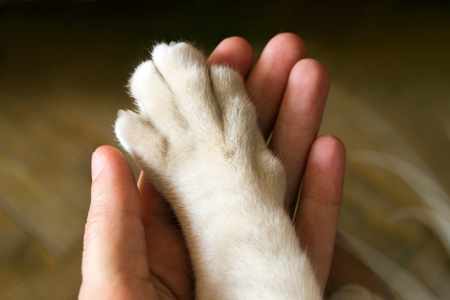
Children need to learn about animal cruelty at school. That means learning about animal rights, and understanding that it is illegal to abuse animals.
Some children hurt domestic animals thinking it is fun. But animals, just like humans, feel pain. When a child truly understands this, they will stop doing it, and they will also stop other kids from doing it too.
Kids who are struggling (who feel pressure from friends or other kids) sometimes take it out on animals. If you see this happening, speak up. That is your chance to be the superhero. Protect the animal. Do the right thing.

Kindness and compassion towards animals is an important thing to be taught and followed.
The animal abuse facts mentioned above are just the tip of the iceberg. You can find more about some of the worst forms of abuse by looking up animal testing facts online. Each one of you reading this has the power to help an animal in distress, at home, in your community, or on a global level. Do the right thing and act on it.

Explore More Animals
 Animal Abuse & Cruelty Statistics: The Facts, Laws & How to HelpAnimal abuse statistics reveal a grave picture of suffering at human hands, circuses, labs, fashion, fighting and neglect. Here are the key facts, the laws tha
 5 Shameful Reasons Why People Abuse AnimalsThere are many reasons behind animal abuse. It could be done unintentionally or intentionally. But the question is how correct or how wrong it is? Both morally
 Hard-hitting Animal Abuse Quotes That Will Tug at Your HeartAnimal abuse is an issue that many people feel strongly about. Read powerful quotes from philosophers, scientists, activists, and artists who have spoken out fo
 Facts About Animal Rights: What They Are and Why You Should CareIn theory, the concept of animal rights needs no introduction. However, most of the facts about its history and various laws pertaining to it continue to elude

 Fun fact for today!In Gandhi's words: "The greatness of a nation can be judged by the way its animals are treated."