

Hibernation (also known as 'winter sleep') is a state of deep sleep that an animal enters during the cold months of winter. During this phase, the body's metabolism and heart rate drop drastically. The animal practically sleeps for days or even months at a time.
There are two main types of hibernation: 'true' hibernation and torpor (a lighter, temporary hibernation). In true hibernation, the animal falls into such a deep sleep that it can appear to be dead. Its body temperature, breathing, and heart rate all drop very low. Torpor is a shorter, lighter sleep, the heart rate and body temperature still go down, but the animal can still move around. Not all animals go into a complete state of hibernation.
Why Do Animals Hibernate?
After spending the hot summer days playing in the sun and the warm fall days collecting food, animals have to get ready for the bitter cold. Unlike humans, they do not build cozy homes with heaters and chimneys to keep them warm. Yes, they do have a warm fur coat, but it is no match for the freezing temperatures in the wild. So, in order to face the winter bravely, many animals adapt themselves.
Winter is the time when food becomes scarce. The trees focus on survival rather than on bearing fruits and berries. So animals end up losing more calories than usual, which makes them weak, because their bodies use up more and more energy to keep warm, leaving little to no energy for hunting. The animals who do not stay in a pack can starve or freeze to death. To get through it, they go into a deep sleep that keeps their energy needs to a minimum and helps them regulate their body temperature. This adaptation is called hibernation, and while the animal sleeps, the fat and calories it built up earlier keep it alive.
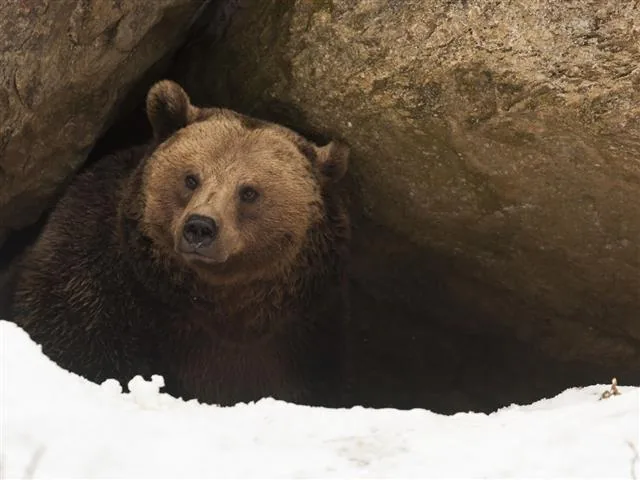
What Happens Inside the Body?
Hibernation is physiological inactivity, a fancy way of saying the body almost stops working. When animals know it is time to hibernate, they produce a hormone called 'hibernation-specific protein'. This hormone starts lowering their metabolic activity and brings on the sleep state. Soon the heart rate drops, breathing becomes slow, and the blood supply gets restricted to only the essential parts of the body.
The non-essential organs then enter a state of stasis, a paused, almost-frozen state. This leads to a drop in core temperature, until the inside of the body becomes more or less equal to the temperature outside. The energy the animal needs is greatly reduced, and so it survives the winter. The drop can be enormous: a hibernating chipmunk brings its heart rate all the way down from 350 beats per minute (bpm) to as low as 4 bpm.
How Animals Prepare
Animals hibernate to escape the harsh cold of winter. Both warm-blooded and cold-blooded animals can hibernate. Certain species of fish, amphibians, and insects also survive the cold months this way. Before going into hibernation, animals use a few key adaptations:
- They eat a huge amount of food before winter arrives. The body stores all that energy as fat. During hibernation, the animal lives off this fat to survive the chilling days.
- The body temperature drops to match the outside temperature.
- They sink into a deep slumber and almost appear to be dead, breathing and heart rate slow right down.
Different animals manage the long sleep in different ways. A squirrel sleeps for about 4 to 5 days at a stretch, wakes up, eats the food it collected in summer, takes a wee break, and then sleeps for another 4 to 5 days. Bears, on the other hand, sleep right through the winter without a break and wake up fresh and hungry in summer.
Not all animals hibernate in winter. Some go through estivation instead, a summer version of hibernation triggered by extreme heat and dry conditions rather than cold. Desert animals in North America, like tortoises, crocodiles, frogs, and salamanders, go through the estivation cycle.
Mammals That Hibernate
Many animals go into deep sleep during winter to protect themselves from the freezing temperature. The animals below all become dormant during winter as a way to survive. They wake up and resume normal life once the cold months are over.
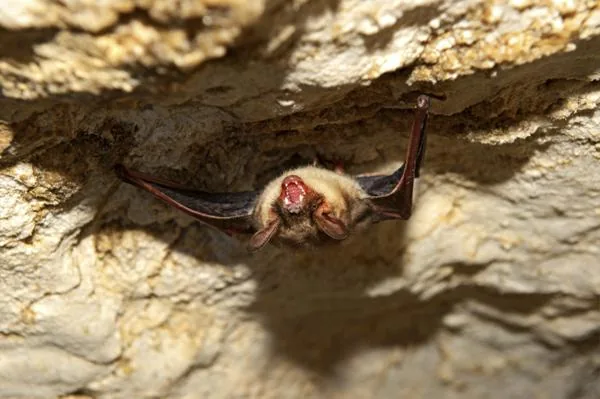
Bat
Bats are the only flying mammals, and they are among the longest true hibernators. The Big Brown Bat, for example, can hibernate for between sixty seven to eighty days. During this time, bats live off fat stored in their bodies. Their heartbeat drops from 400 beats per minute to just 25 beats per minute.
By February and March, some bats leave their hibernacula (the caves or roosts where they hibernate) to search for food and water. By the time spring arrives and hibernation ends, most bats will have lost around half their body weight.
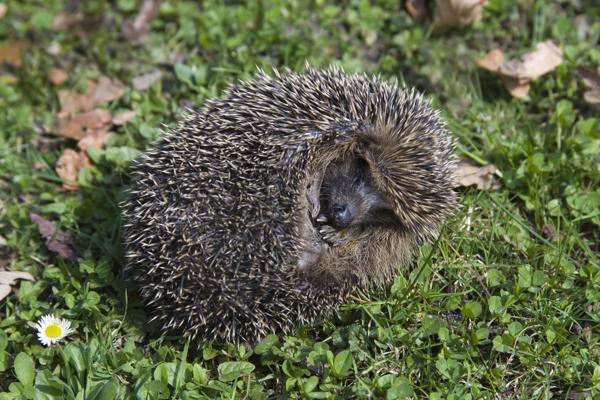
Hedgehog
Hedgehogs are spiny mammals found in Europe, Africa, New Zealand, and Asia. In summer, a hedgehog keeps its body temperature at a steady 35°C. When winter arrives and food becomes scarce, the temperature drops to around 6°C. Hedgehogs hibernate for about 2 to 5 months, and males usually enter hibernation before females.
Before going to sleep, a hedgehog builds a cosy nest of leaves, grass, and plants. In hibernation, it hardly breathes at all, taking just one breath every few minutes. Its body temperature, normally around 35°C, drops drastically to 10°C. Chemical reactions in the body slow by 75%, so fat reserves become the only source of energy. In very cold conditions, the hedgehog's heart speeds up slightly to produce more heat, which can wake it briefly.
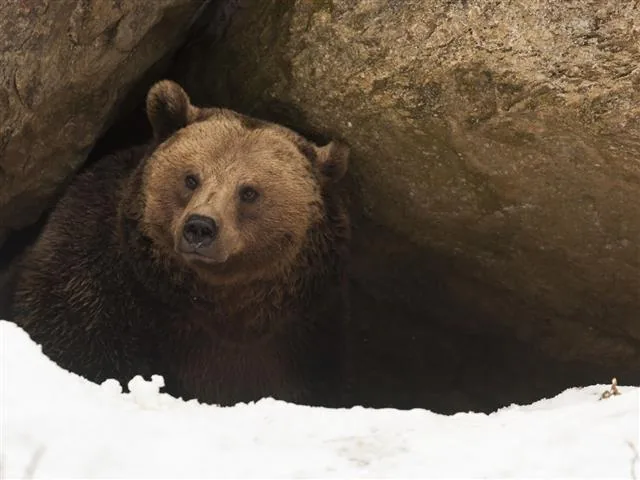
Bear
Bears are one of the most famous examples of hibernating animals. They are found everywhere, from swamps and mountains to the cold Arctic regions. Before winter arrives, a bear looks for a good den to spend the cold months in. Then it eats huge quantities of food and stores all that energy as fat.
While the bear sleeps, it uses its fat reserves to stay alive. It does not eat, drink, defecate, or urinate the entire time. Unlike small hibernators like squirrels and marmots, a bear's body temperature only drops by 6°C, not very much. But its oxygen supply and metabolism drop drastically by nearly 75%.
Take the Hibernation Quiz!
8 quick questions. How much do you know about winter sleep?
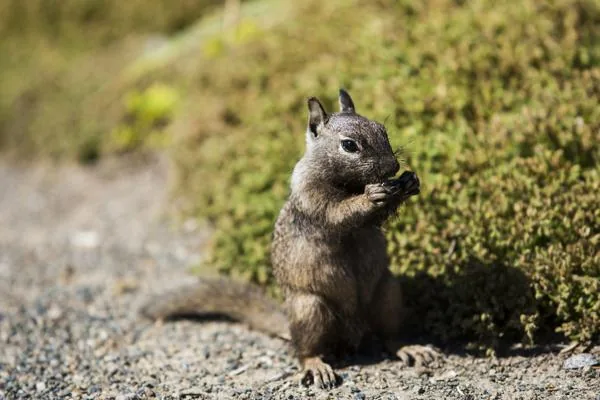
Ground Squirrel
There are around sixty two species of ground squirrels. The ones that hibernate are the non-tropical ground squirrels found in temperate regions of North America, Eurasia, and parts of Africa. Well-known examples include the Arctic squirrel of the tundra and the Mohave ground squirrel from California's Mojave Desert.
When hibernating, a ground squirrel heads to its den and lowers its body temperature to just one or two degrees above the temperature outside. It rolls into a tight ball with its head tucked between its legs and its tail draped over its head. Heartbeat and breathing slow right down. About once a week, ground squirrels wake up for around 12-20 hours before going back to sleep again.
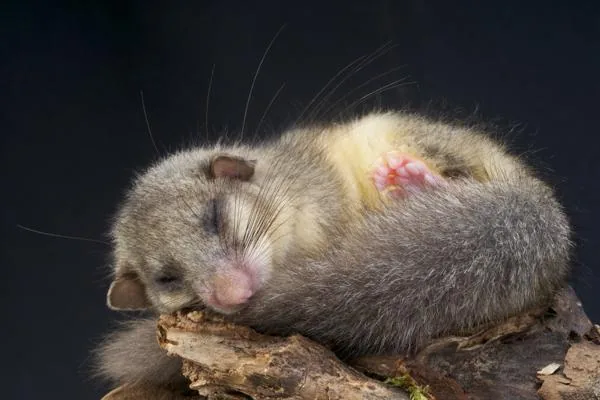
Dormouse
Dormice are small, bright-golden rodents. They hibernate in the ground inside their nests. When hibernating, a dormouse rolls up into a tight ball and lowers its body temperature, breathing, and heartbeat.
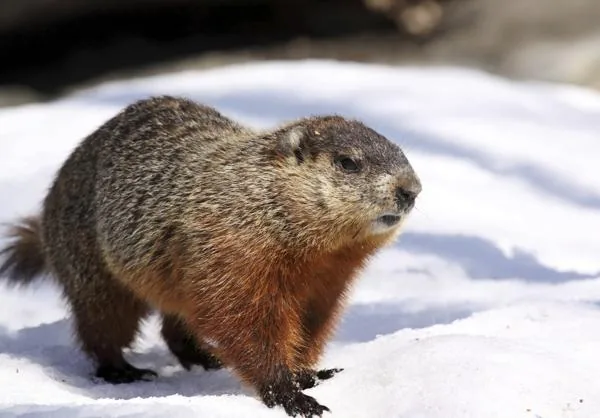
Woodchuck
The woodchuck goes by many names, groundhog, marmot, earth pig, and grass rat. It is the third largest rodent in North America. A woodchuck spends half the year in hibernation. During that time, it keeps its body temperature at 38°F and breathes just once every six minutes.
Some animals (like hamsters, badgers, skunks, and raccoons) do not enter true hibernation. Instead, they are usually inactive for four to five months, or they enter torpor. During milder winter months, these animals may still be active.
Reptiles, Mollusks & Amphibians That Hibernate
Unlike warm-blooded animals, reptiles and other cold-blooded creatures cannot make their own body heat, they have to get it from the environment around them. This, combined with winter food shortages, is why they need to go dormant each winter.
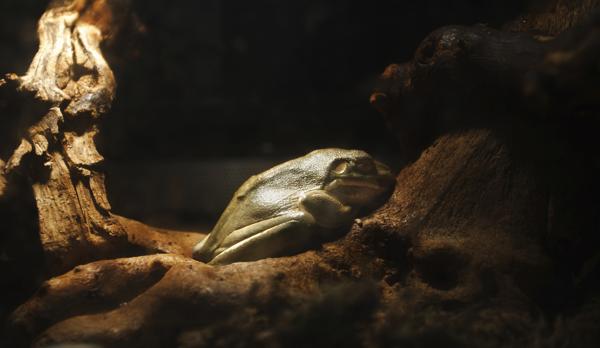
Frog
Frogs living in colder climates hibernate in winter, tucking into small creeks, cracks in logs, and rocky crevices. They store glucose in their bodies to stop themselves from freezing solid. Some frog species even hibernate under water. Toads are cold-blooded nocturnal creatures. Their hibernation begins in October, and some toads can hibernate for as long as three to four years. They survive on body fat stored up during the warm months.
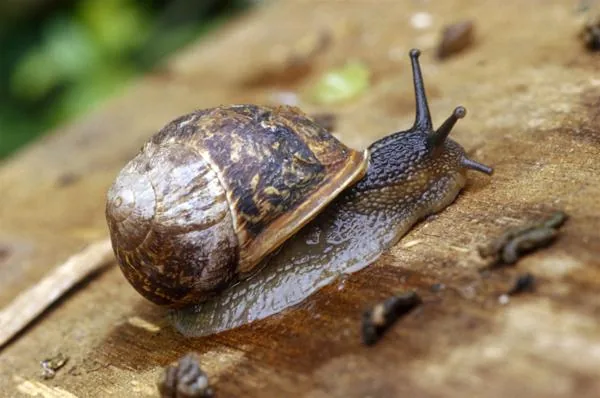
Snail
Many snail species hibernate through the cold months. First, they cover their bodies with a thin layer of mucus and begin living off stored fat. The mucus keeps them from drying out. Then they bury themselves and seal the entrance to their shell with more mucus, which hardens into tough skin. This sealed door keeps predators from harming them while they sleep. In times of drought, some snails can also estivate.
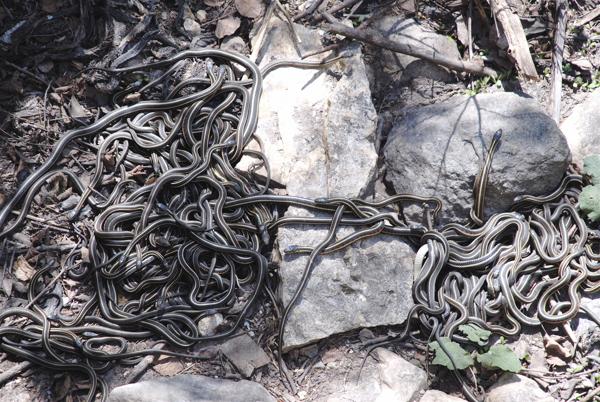
Snake
Snakes do not truly hibernate, their winter sleep is called brumation, or wintering. In most cases, a snake's survival depends on how well it can escape the frost. That is why snakes crawl into rock crevices, holes in the ground, and hollow stumps to brumate. During this phase, the snake's metabolism is extremely slow and it cannot digest food at all.
Some species, like the Garter snake, brumate in groups for extra warmth. These communal dens are called hibernacles, and they can hold hundreds of snakes at one time.
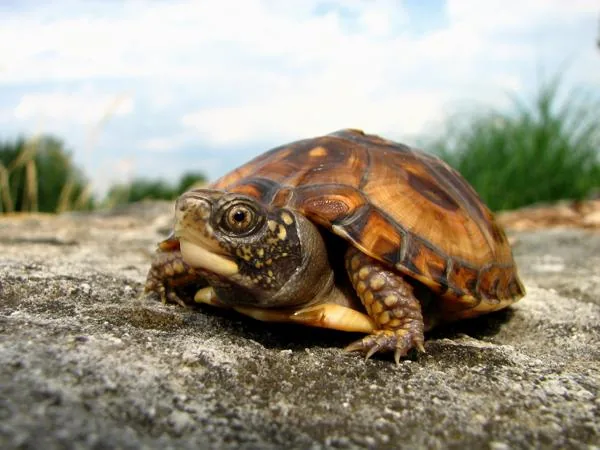
Common Box Turtle
When food becomes scarce in the cold months, wild turtles and tortoises enter brumation. Their digestion slows right down and their immune systems work less efficiently. Box turtles become sluggish, eat less, and spend fewer hours basking in the sun before retreating to their winter hiding spots.
Insects That Hibernate
Insect hibernation is different from mammal hibernation. Insects go into a state called diapause, a long-term pause of almost all life functions. Insects like the praying mantis survive winter as eggs, only hatching when Spring arrives. Adult insects that must survive winter alter the chemical make-up of their blood, producing an antifreeze-like mixture that stops them from freezing solid.
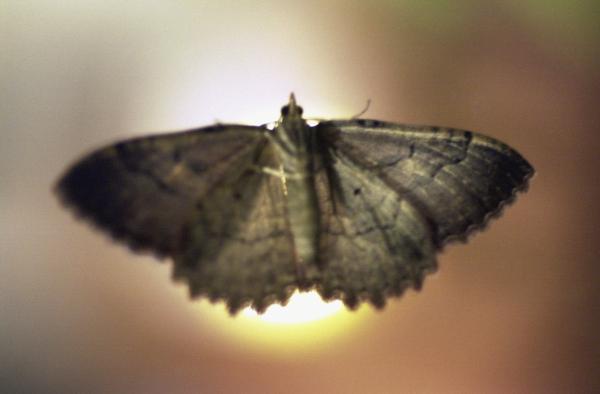
Butterflies and Moths
Butterflies and moths have to make both physical and behavioral changes to survive winter. The adaptations are different at each stage of the life cycle. Eggs take longer to hatch in winter. Caterpillars stay inside the pupa rather than emerge and starve. Adult moths hibernate in clusters, sleeping in creeks or cracks in wood to stay protected.
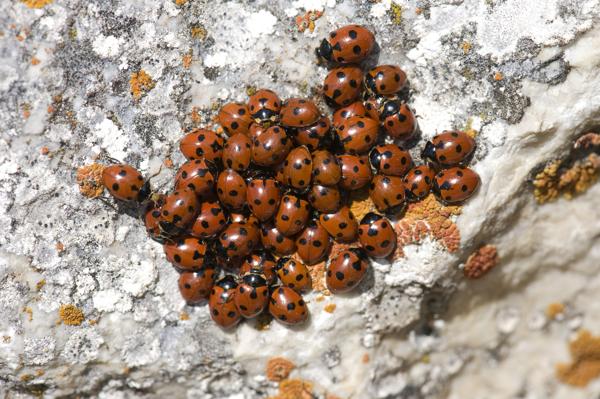
Ladybird
Hibernation is common in many ladybird species. They gather in large groups inside houses, under tree bark, or in leaf litter to sleep through winter. Clustering together keeps them warmer and helps ward off predators during their long sleep.
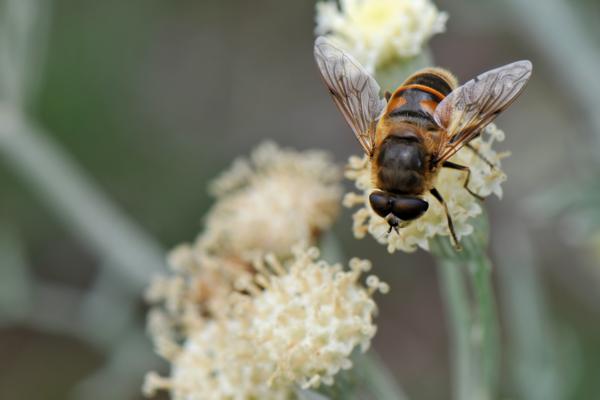
Bumble Bees
In a bumble bee colony, only the new queen bees survive harsh winter weather. The workers, old queens, and males all die when the cold arrives. The new queen drinks large amounts of nectar to pack fat into her body. This fat keeps her alive through the cold months. To hibernate successfully and emerge in spring, a queen bee should ideally weigh around 0.6 g.
When temperatures drop extremely low, the queen produces glycerol, a natural antifreeze that stops ice crystals forming inside her body.
Birds That Hibernate
Birds are not famous for hibernating, but a few do slow right down for winter. Species like the Poor-Wills, swifts, and nighthawks enter a sleep-like state, while only one bird is known to truly hibernate.
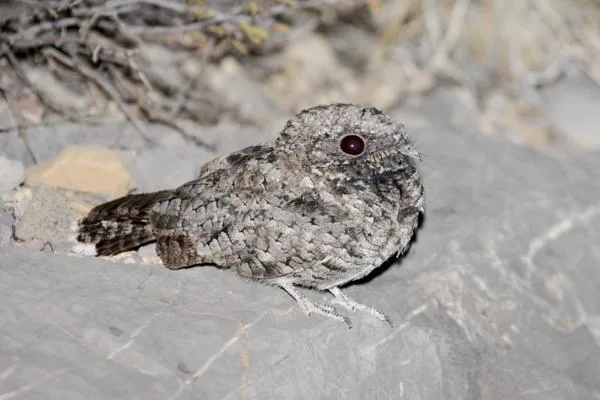
Common Poorwill
The Common Poorwill (Phalaenoptilus nuttallii) is the only known bird species that truly hibernates. It tucks under rocks and logs and stays dormant for four to five months. During this time it sleeps for around 100 days, and its energy levels drop drastically by more than 93%. While hibernating, the bird has a much lower body temperature, heartbeat, and breathing rate.
Hibernation vs. the Other Big Sleeps
A lot of people use the word "hibernation" to mean any kind of deep animal sleep, but scientists don't. In biology, the umbrella word is dormancy: any state where an organism slows its body right down to get through a tough time, such as cold, scorching heat, or a food shortage. Some animals go dormant only once hard times actually arrive (that's called consequential dormancy). Others start before things turn bad, like an early warning (predictive dormancy).
Hibernation is just one type of dormancy, alongside aestivation, brumation, daily torpor, and diapause. It is the most famous type because the animals that do it (chipmunks, groundhogs, hedgehogs, and bats) are ones we know well. Before hibernating, these animals eat huge amounts of food and store the energy as body fat. Once they're fat enough, they find a warm, safe shelter and fall into a very deep sleep for the rest of winter, dropping their heart rate by as much as 90 percent. How long do they sleep? It depends, anywhere from a few weeks to several months.
Hibernation vs. Aestivation
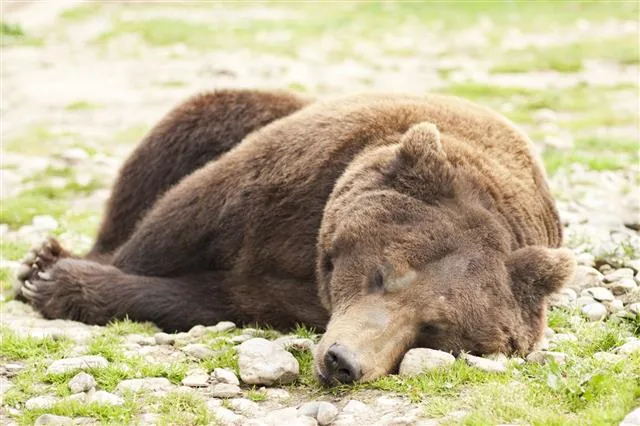
Hibernators slow down to escape the cold, sheltering in a warm, safe spot.
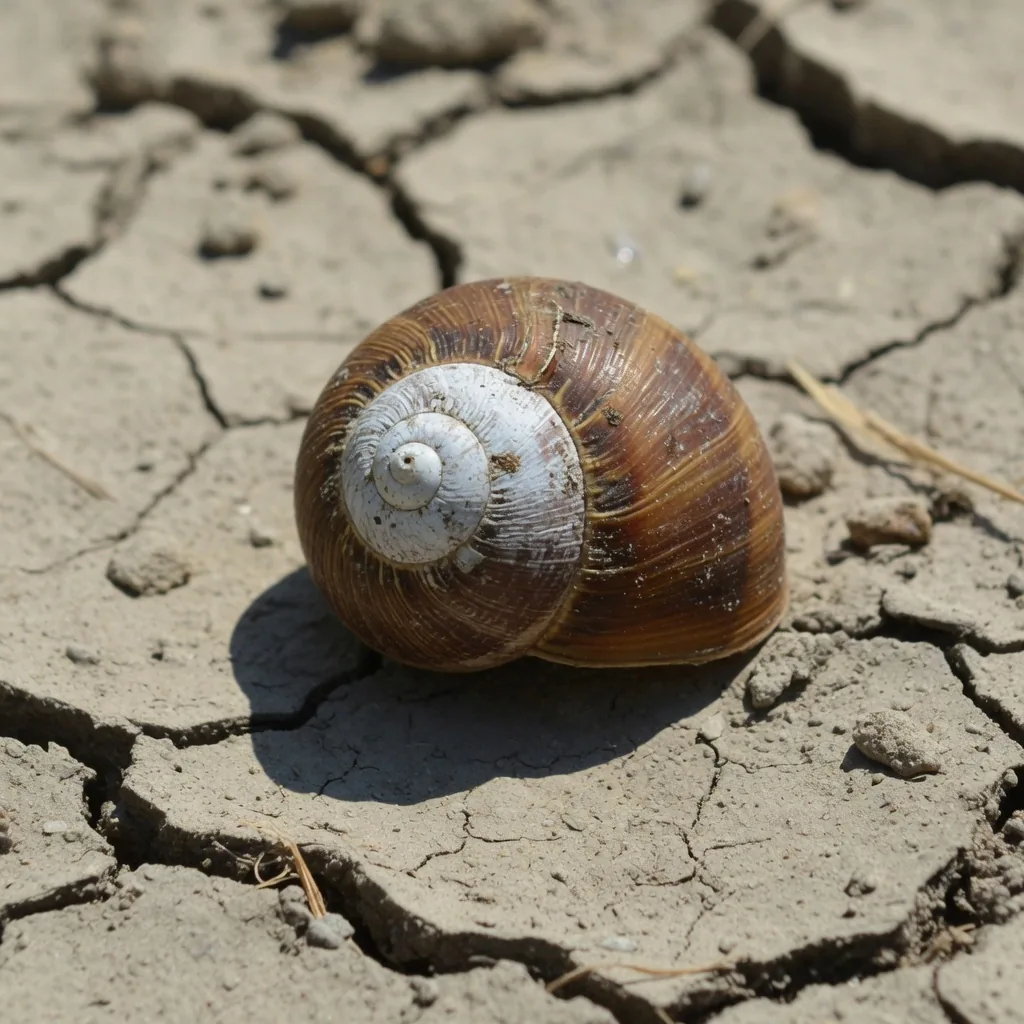
Aestivators like snails seal up in cool, moist places to escape heat and dryness.
Both hibernation and aestivation (also spelled estivation) are types of dormancy, but they happen at opposite ends of the year. Aestivation is the summer version. Instead of escaping the cold, animals go into a resting state to escape scorching heat and dryness. A long list of animals aestivate: the African lungfish, desert tortoise, salamanders, frogs, snails, and even hedgehogs.
Aestivating animals don't go into the same deep sleep as hibernators, so they can wake up much faster. And instead of tucking into a warm spot, they look for somewhere cool and moist, like mud, a hollow tree trunk, or the deepest, coolest part of a lake or pond.
- ❄️ Hibernation = winter sleepEscapes the cold. Deep sleep in a warm shelter; slow to wake.
- ☀️ Aestivation = summer sleepEscapes the heat. Lighter rest in a cool, damp spot; quick to wake.
Hibernation vs. Brumation
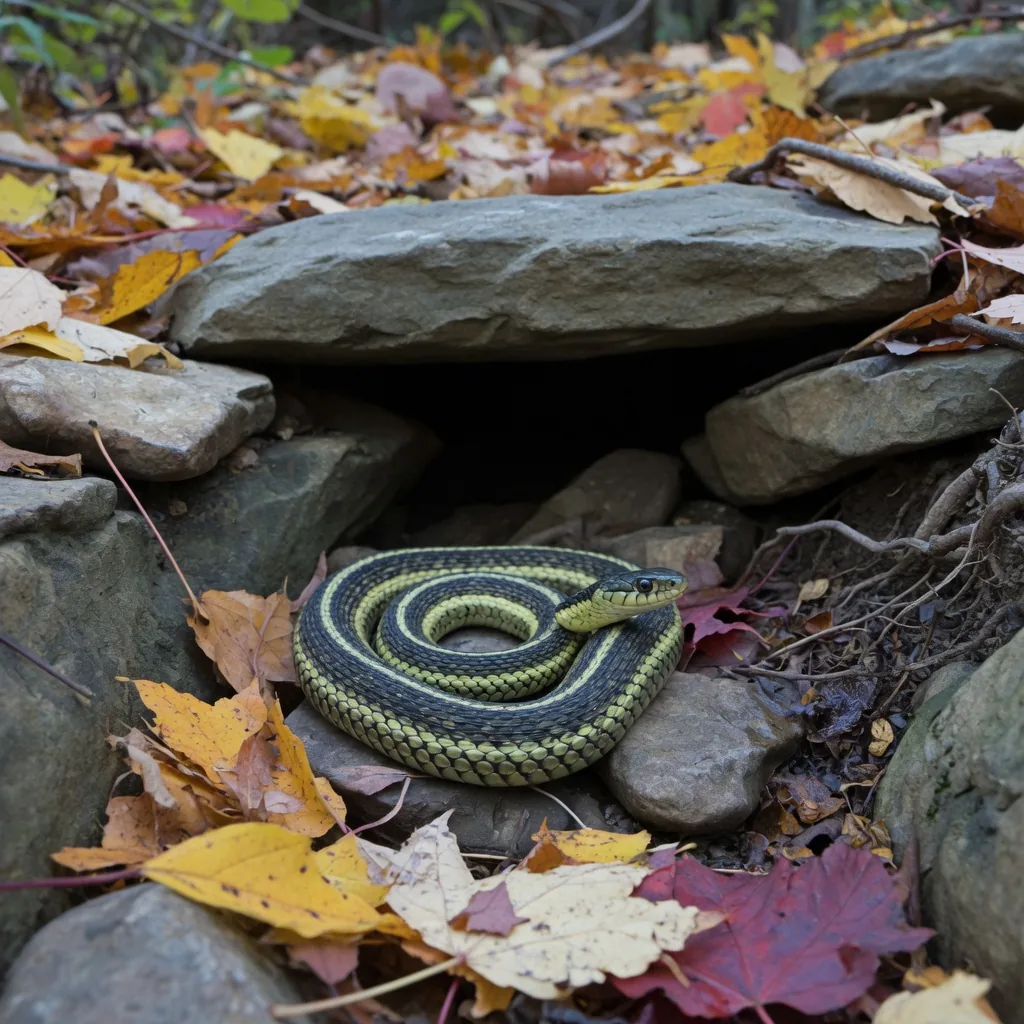
Brumation is the reptile version of winter dormancy. Reptiles don't fall into a deep, continuous sleep the way mammals do. Instead, they have long quiet spells broken up by short active periods. A brumating snake or lizard will crawl out of its shelter on a warm day to bask in the sun. It probably won't eat, but it must drink water to stay hydrated. By contrast, a hibernating mammal does not eat or drink at all during the whole dormancy period.
Both mammals and reptiles breathe more slowly during dormancy. One key difference: reptiles can survive periods of low oxygen by using stored sugar in their blood. Mammals can't do this, they need a steady supply of oxygen from the air around them.
Hibernation vs. Daily Torpor
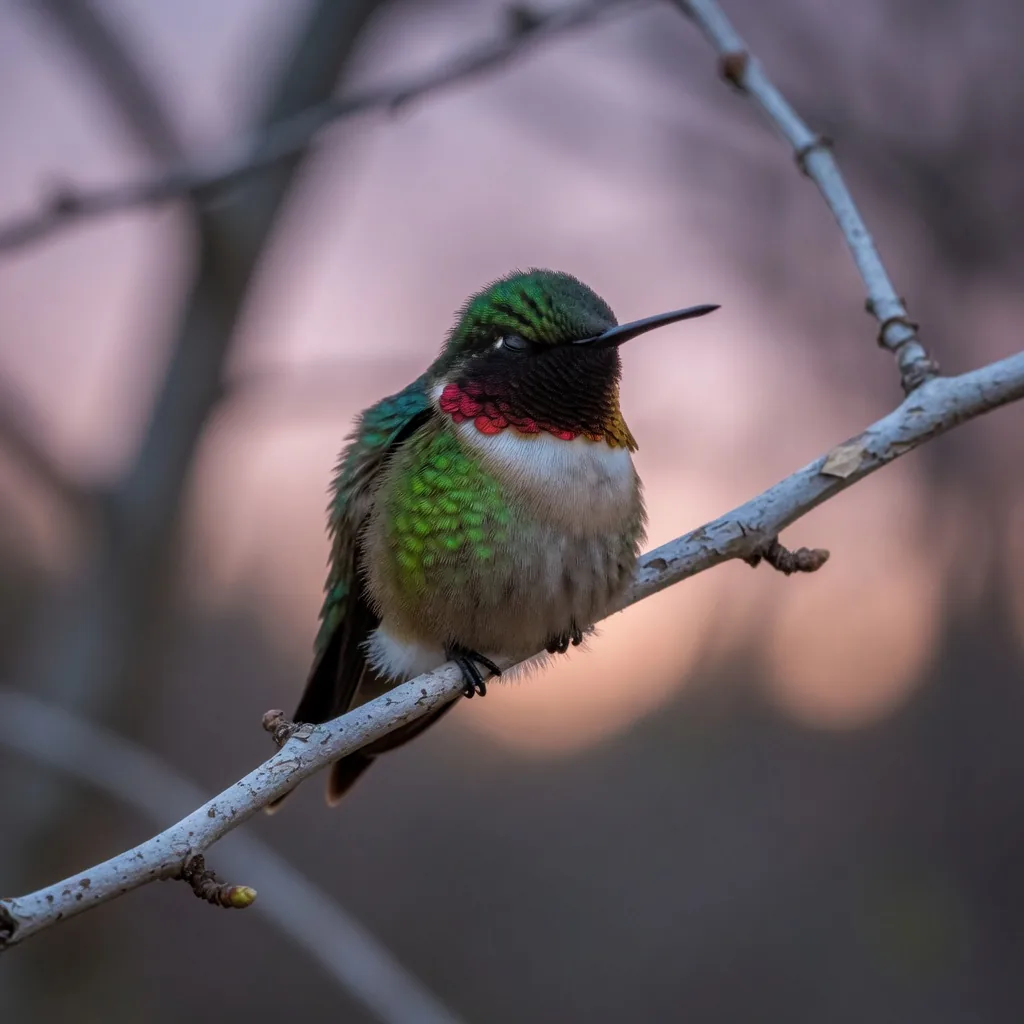
A hummingbird drops into torpor overnight to save energy, then warms back up by day.
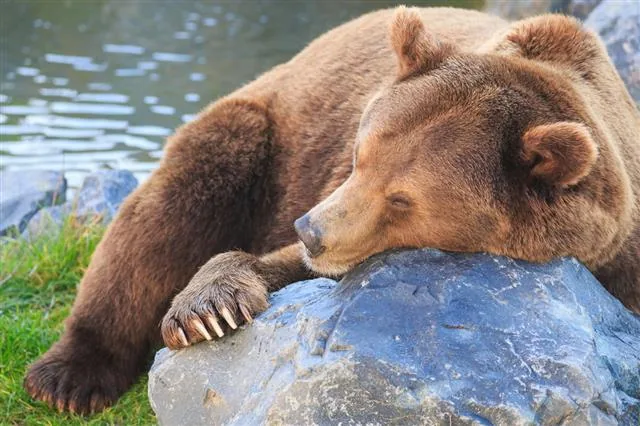
Hibernation, by contrast, lasts weeks or months, not just part of a single day.
Hibernation, aestivation, and brumation all last a whole season, weeks or months. Daily torpor is different: it only lasts part of a single day. Birds and small mammals use it most. These animals keep their body temperature normal for most of the day, then dip it down (along with their heart rate and breathing) during the coldest part, like a freezing night. When morning comes, they warm back up and get on with their lives. Daily torpor saves energy not just during cold snaps, but also when food is scarce.
Hibernation vs. Diapause
Diapause is different from hibernation in an important way. Hibernation is about resting and conserving energy. Diapause is about pausing development, stopping growth or breeding completely until conditions improve. It can happen in summer or winter, unlike hibernation, which is tied to winter cold. Diapause is most common in insects, but it also shows up in some birds, fish, and mammals. In adult insects, it means a pause in breeding. In young insects (larvae or pupae), it means all growth stops until the bad conditions pass.
Hibernation vs. Each Type of Dormancy, at a Glance
All of these are types of dormancy, ways of powering down to survive. Here is how each one lines up next to hibernation, side by side.
| Type | When it happens | Who does it | How it differs from hibernation |
|---|---|---|---|
| Hibernation | Winter (cold) | Mammals, chipmunks, groundhogs, hedgehogs, bats | The baseline: deep winter sleep; no eating or drinking; lasts weeks to months. |
| Aestivation | Summer (heat & dryness) | African lungfish, desert tortoise, salamanders, frogs, snails | "Summer sleep" instead of winter; rest is lighter, so the animal wakes quickly; hides in cool, moist spots. |
| Brumation | Winter (cold) | Reptiles, snakes, lizards, turtles | Not a deep sleep, long stillness with active bouts; reptiles still drink water and can cope with low oxygen. |
| Daily torpor | Part of a single day (e.g. cold nights) | Birds and small mammals | Short, only part of a day, not a whole season; body temperature returns to normal between dips. |
| Diapause | Winter or summer | Mostly insects; also some birds, fish, mammals | Pauses development (growth or breeding), not just activity; can happen in any harsh season. |
True vs. False Hibernation
Scientists split hibernation itself into two types: true hibernation and false hibernation. True hibernators fall into such a deep sleep that they won't wake up even if you touch them or make noise nearby. False hibernators sleep deeply but can wake up fairly easily. Bears are the most famous false hibernators. Despite the difference, both types serve the same purpose: helping the animal survive cold weather and the food shortage that comes with it.
Do Plants Hibernate?
Plants don't "hibernate," but they do go dormant. A plant in dormancy stops or slows its growth to survive freezing temperatures or a shortage of water, the same basic idea as animal dormancy, just with roots instead of legs. There is also something called seed dormancy: even when conditions seem fine, a seed may wait a while before it germinates. This built-in delay gives the seed a better chance of sprouting at just the right moment.
Frequently Asked Questions
What is the difference between hibernation and torpor?
True hibernation is a deep, prolonged sleep where body temperature, heartbeat, and breathing all drop dramatically. Torpor is shorter and lighter, the animal can still move around, and daily torpor may last only part of a single day.
Do bears truly hibernate?
Bears enter a state very close to true hibernation, but their body temperature only drops by about 6°C, compared to near-freezing in small hibernators. Their metabolism and oxygen use still drop by about 75%. Scientists call the bear a 'false' hibernator because it can wake fairly easily.
What do reptiles call their winter dormancy?
Reptiles enter brumation rather than hibernation. Snakes and turtles slow their metabolism almost completely but can occasionally crawl out to drink water on warm days, unlike true hibernators.
What is the only bird species that hibernates?
The Common Poorwill (Phalaenoptilus nuttallii) is the only known bird to enter true hibernation, sleeping for up to 100 days with energy levels dropping by more than 93%. Other birds use a shorter state called torpor.
What is the difference between hibernation and aestivation?
Hibernation is winter sleep triggered by cold and food shortage. Aestivation (or estivation) is the summer version, a dormant state triggered by extreme heat and dry conditions. Tortoises, frogs, lungfish, and snails can all aestivate.
Is hibernation the same as dormancy?
No. Dormancy is the big umbrella word for any slowed-down state that helps an animal survive hard times. Hibernation is just one type of dormancy, alongside aestivation, brumation, daily torpor, and diapause.
More Animals That Power Down
The full list of hibernating animals is longer than the famous bears and bats. It stretches across mammals, amphibians, fish, reptiles, insects, and birds. Bees, earthworms, snails, mud turtles, butterflies and moths, the gila monster, wasps, and rodents all undergo some form of winter shutdown.
Whichever method they use, the goal is the same. These animals store food as body fat during the months of summer and fall, then live off it through winter. Some, like squirrels, also stash extra food in burrows and caves, a handy snack for the short breaks when they briefly wake. And in cold-blooded animals, the body simply cools along with the world outside; when the air warms up again in spring, they wake from their deep sleep.
Animals That Hibernate and Migrate
Not every animal stays put for winter. Some species migrate, traveling to warmer climates and staying until winter is over. Their internal body clocks tell them when to go and when to return. Here are some animals that migrate rather than hibernate:
- Birds such as geese and ducks.
- Mammals such as elks, whales, and caribou.
- Insects such as termites, the Japanese beetle, moths, and Monarch butterflies.
The animal kingdom is full of creatures that have found clever ways to deal with changing climates and cold winters. Whether they hibernate, brumate, enter diapause, aestivate, or migrate, each strategy is a remarkable trick for staying alive. So the next time you pass an animal in deep sleep during winter, don't wake it up. Wish it good night, and let it finish its body cycle.
Explore More Animals
 Utterly Incredible Facts About the Hibernation of BearsAll those myths about bear hibernation definitely do a lot of disservice to the bear fraternity. In this AnimalSake post, we shed light on hibernation in bears,
 Examples of Cold-blooded AnimalsThat the lengthy list of cold-blooded animals is dominated by reptiles and amphibians shouldn't really come as a surprise, considering that nearly all animals i
 Unbelievably Amazing Examples of Animal AdaptationsAdaptation is a structural or functional change in a living organism that helps it survive. To look at some of the animal adaptations, read on.
 Deciduous Forest Animals: A Mind-Boggling VarietyA wide variety of mammals, birds, insects, and reptiles can be found in deciduous forests. Discover 18 remarkable species with facts, photos, a quiz, and more.

 Fun fact for today!A bat's heartbeat can drop from 400 beats per minute to just 25 during hibernation!