

Bobcats are a species of wild cats found all across the United States. They pose no real threat to humans as such, but may try to hunt smaller farm animals and pets. This AnimalSake post tells you everything you need to know about these reclusive wild cats.
How to Identify a Bobcat
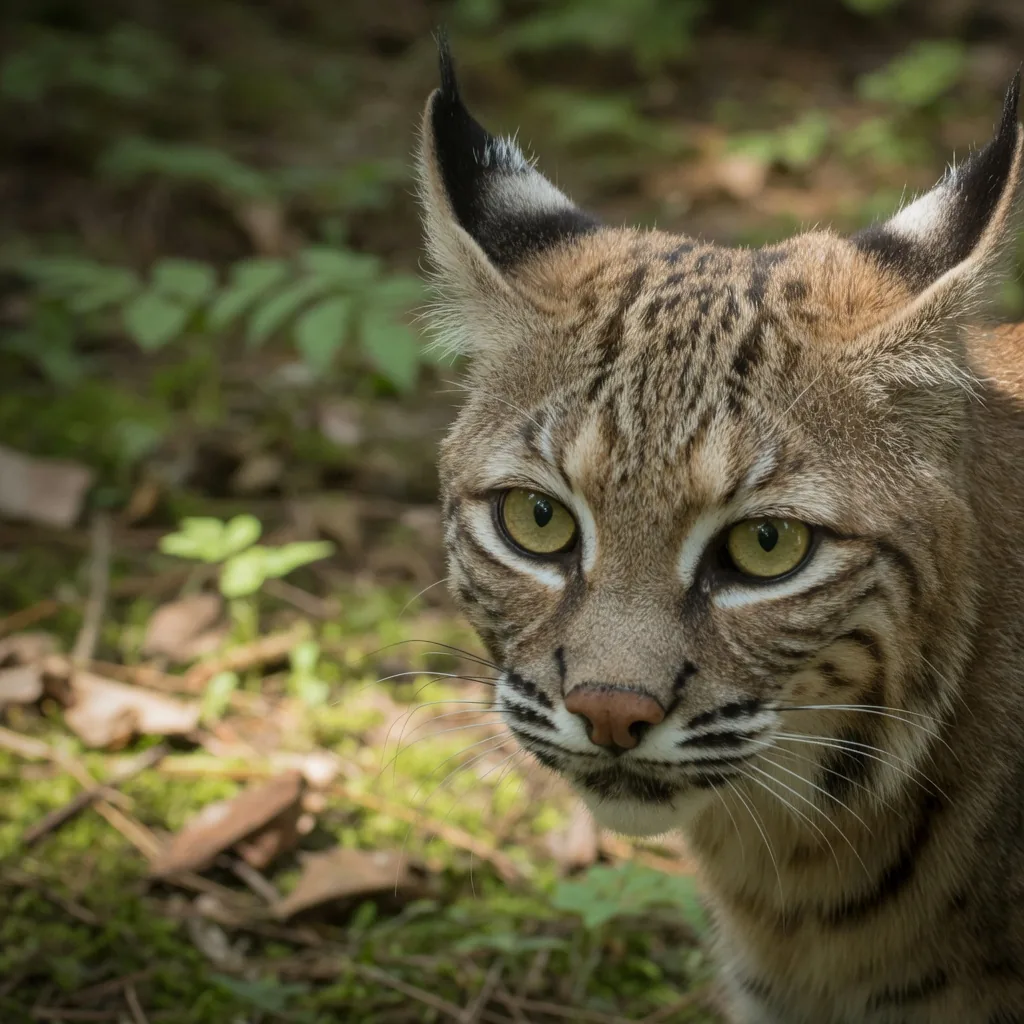
Can't recognize a bobcat? Look for these four field marks:
- Tufted, pointed ears with black spots on the back
- Short, "bobbed" tail
- Light brown coat with black spots
- Rear legs longer than the front ones
Bobcats are slightly bigger than domestic cats and smaller than mountain lions. More and more people now keep domestic cat breeds that look a lot like wild cats, which can make it tricky to tell a bobcat apart from someone's pet. If you think bobcats might be living near you, it is worth learning what they look like.
Are Bobcats Dangerous to Humans?
Chances are that you'll spend your entire life living in the United States without ever spotting this shy and reticent feline. Bobcats tend to be creatures of the night and strive hard to avoid encounters with humans. They are also solitary, so you would hardly find them in groups, unless it happens to be a mother with her kittens.
Bobcats pose little to no threat to humans, both adults and children. Hunting a creature much bigger than themselves simply is not worth it for them. Because bobcats are solitary and reclusive, you will not find them very often in busy urban areas.
But as we move into their territory, there is a chance you might come across a bobcat on rural farms or at the edges of towns. They are usually drawn there by the smell of food, chickens, rabbits, small game, and yes, at times, even small pet dogs and cats.
Keep Your Pets Safe From Bobcats
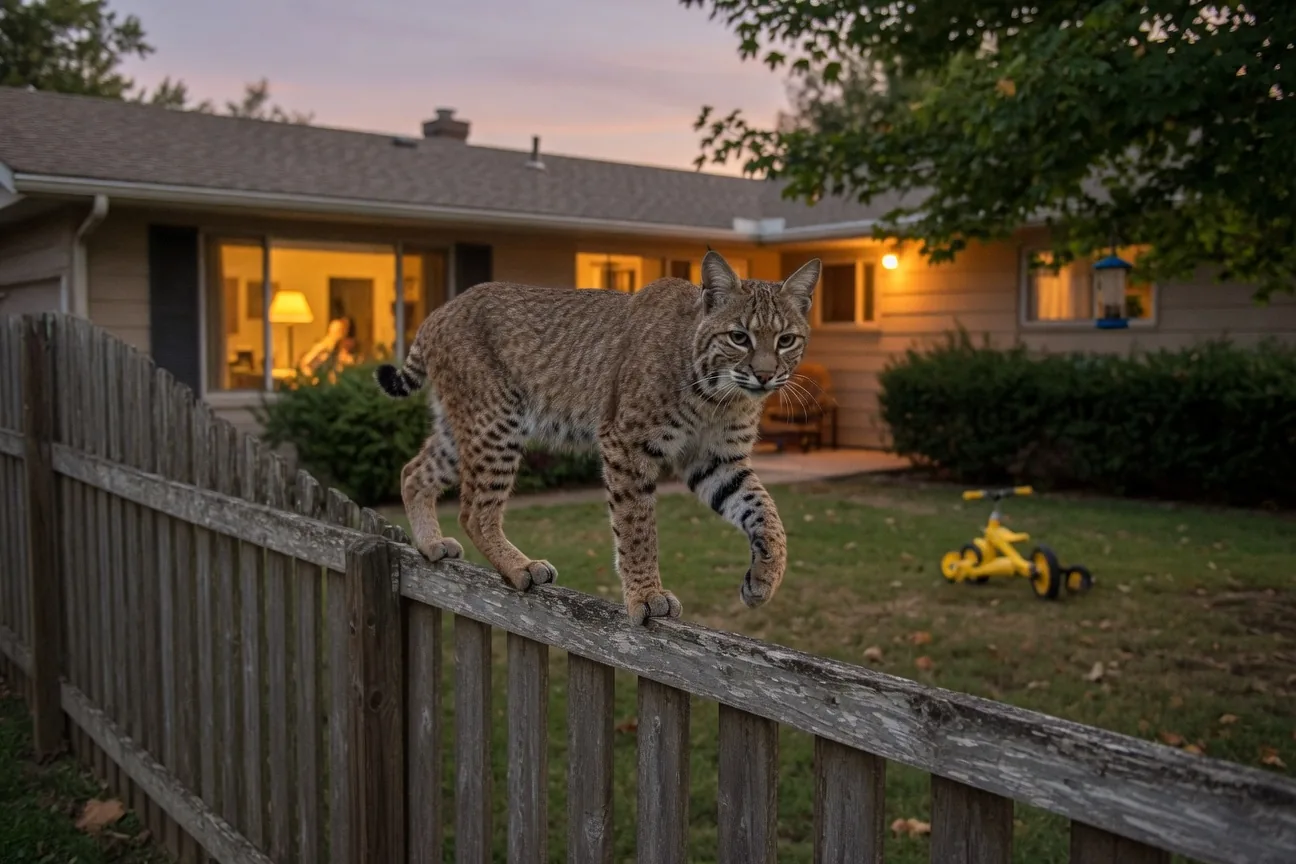
Bobcats wander into human habitation in search of food. They may be particularly attracted to a farm with several small animals like chickens, rabbits, other poultry, small dogs and cats, and rodents.
It is very important to keep your pets and farm animals safe, either inside your home or in a secure enclosure. Bobcats are felines and very agile. They can jump through open windows or over fences to reach food.
Clear out wild bushes and shrubs from your yard, as these make good hiding spots for bobcats. Never leave food outside, especially at night, that is an open invitation to bobcats and other wild animals like coyotes. Keep trash cans tightly closed too.
If you spot a bobcat nearby for the first time, watch it from a safe distance. It rarely comes close to people, and will most likely run off as soon as it notices you.
If sightings start happening more often, shoo the animal away by making loud noises or spray water with a garden hose.
If you notice that the animal is trapped or scared, do not approach it. Contact the Game and Fish Department in your state, animal control, or a wildlife removal business right away, and let them handle it.
Remember that most wild animals, including the bobcat, wander into human areas because they are looking for food. They are not looking to be domesticated.
Take the Bobcat Safety Quiz!
5 quick questions. How much do you really know about staying safe around bobcats?
Dealing With a Bobcat Attack
Bobcats are very rarely known to attack humans. However, if you spot one that seems very aggressive or is attacking, get away from it immediately and contact animal control.
If you have been attacked or bitten, you need immediate medical attention. Aggressive bobcats can be afflicted with rabies.
Never encourage your children to interact with wild animals. Because of the bobcats' resemblance to the domestic cat, your child may be tempted to go closer. That is why it is important to educate them about these animals.
Frequently Asked Questions
Are bobcats dangerous to humans?
Bobcats pose little to no threat to humans. They are shy and reclusive and will almost always flee before a person gets close.
Will a bobcat attack my dog or cat?
Bobcats can and do prey on small pets such as cats and small dogs if given the opportunity, especially if left unsupervised outdoors.
Can you keep a bobcat as a pet?
No. Bobcats are wild animals and keeping them as pets is illegal in many U.S. states.
What should you do if a bobcat is in your yard?
View it from a distance, it will likely leave on its own. If sightings increase, shoo it away with loud noises or a garden hose. If it appears trapped or injured, contact animal control.
What does a bobcat look like?
Bobcats have tufted, pointed ears with black spots on the back, a short 'bobbed' tail, a light brown coat with black spots, and rear legs that are longer than their front legs.
Pet Bobcats?
NO. Just plain no. Despite their appearance, bobcats are wild animals and cannot be kept as pets. In fact, you will find that keeping them as pets is illegal in several states. These animals are built for life in the wild and only wander into human areas to find food. Bobcats are not even pack animals, so you can imagine how hard it would be to domesticate them.
Explore More Animals
 Brilliant and Interesting Facts About BobcatsDid you know there are 12 subspecies of the bobcat, and over a million in the wild? Discover fascinating bobcat facts about habitat, diet, hunting, territory, a
 Canadian Lynx vs. Bobcat: How to Tell Them ApartLynx or bobcat? Learn the easy clues (paws, ears, coat, tail, size, and range) that tell these two look-alike wild cats apart, with a side-by-side chart, real
 Unbelievable Facts About the Eating Habits of CoyotesMost often mistaken for domestic dogs, coyotes can now be spotted in cities too. Learn what coyotes eat, how they hunt, and how to protect your pets.
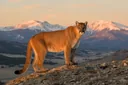 Interesting Facts about Cougars (Mountain Lions)An impressive cat of the Americas, the cougar is known for its amazing adaptability. It has over 40 names, and despite being a skilled hunter it is usually not

 Fun fact for today!The name "bobcat" comes from its distinctive short, bobbed tail, only 4-7 inches long!