

"Daddy longlegs are extremely poisonous. But, their mouths are small and fangs too short to penetrate the human skin."
You've probably heard something like that before. It's one of the most common answers people give when asked whether daddy longlegs are poisonous. But it's just an urban myth. These tiny creatures are completely harmless.
Here's the real picture: there are actually three different types of creatures that people call "daddy longlegs." They look different, live differently, and belong to different groups of animals.
Types of Daddy Longlegs
Crane Fly
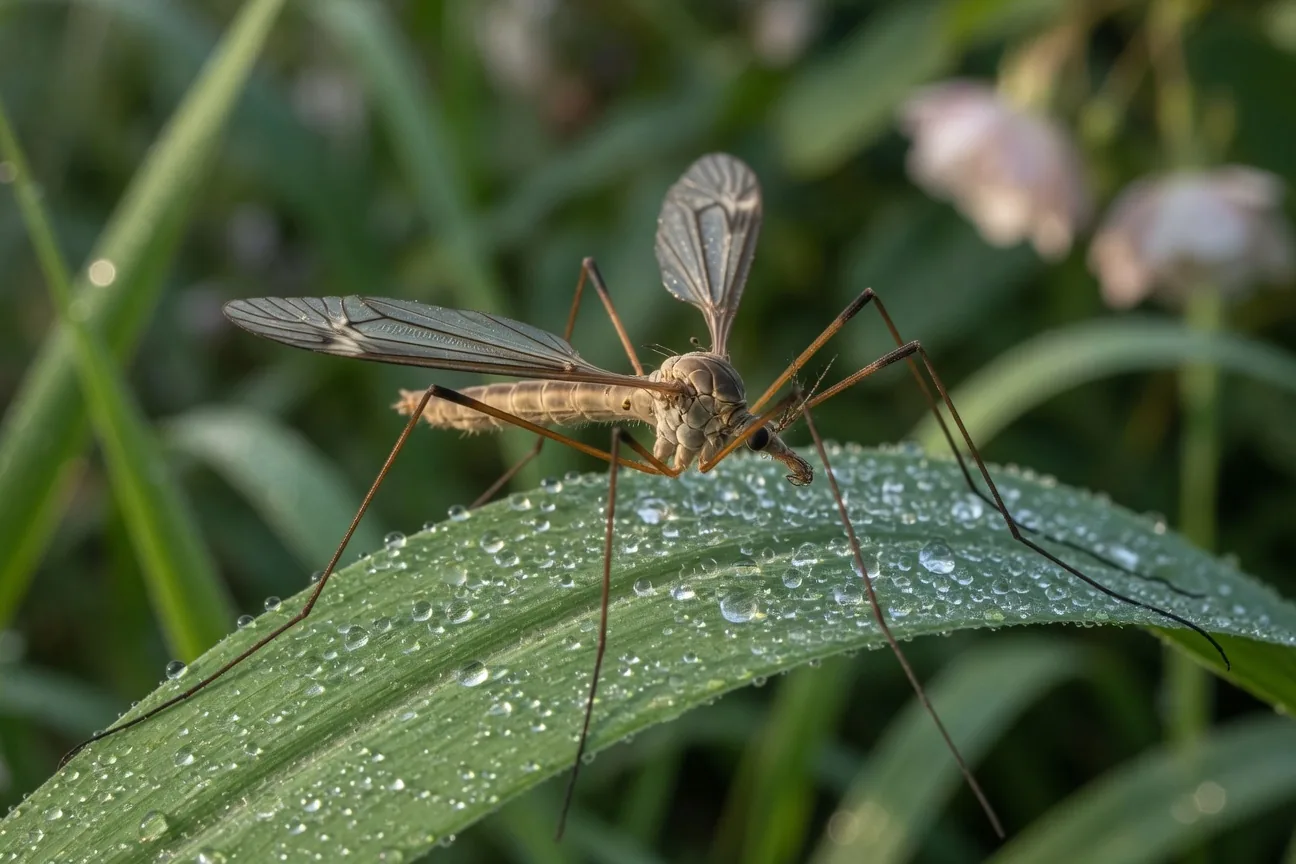
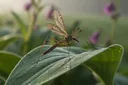
The crane fly belongs to the order Diptera, the group of true flies. In England, people commonly call it "daddy longlegs." Crane flies are absolutely harmless. They have no poisonous glands at all, and they cannot sting or bite you.
Opiliones
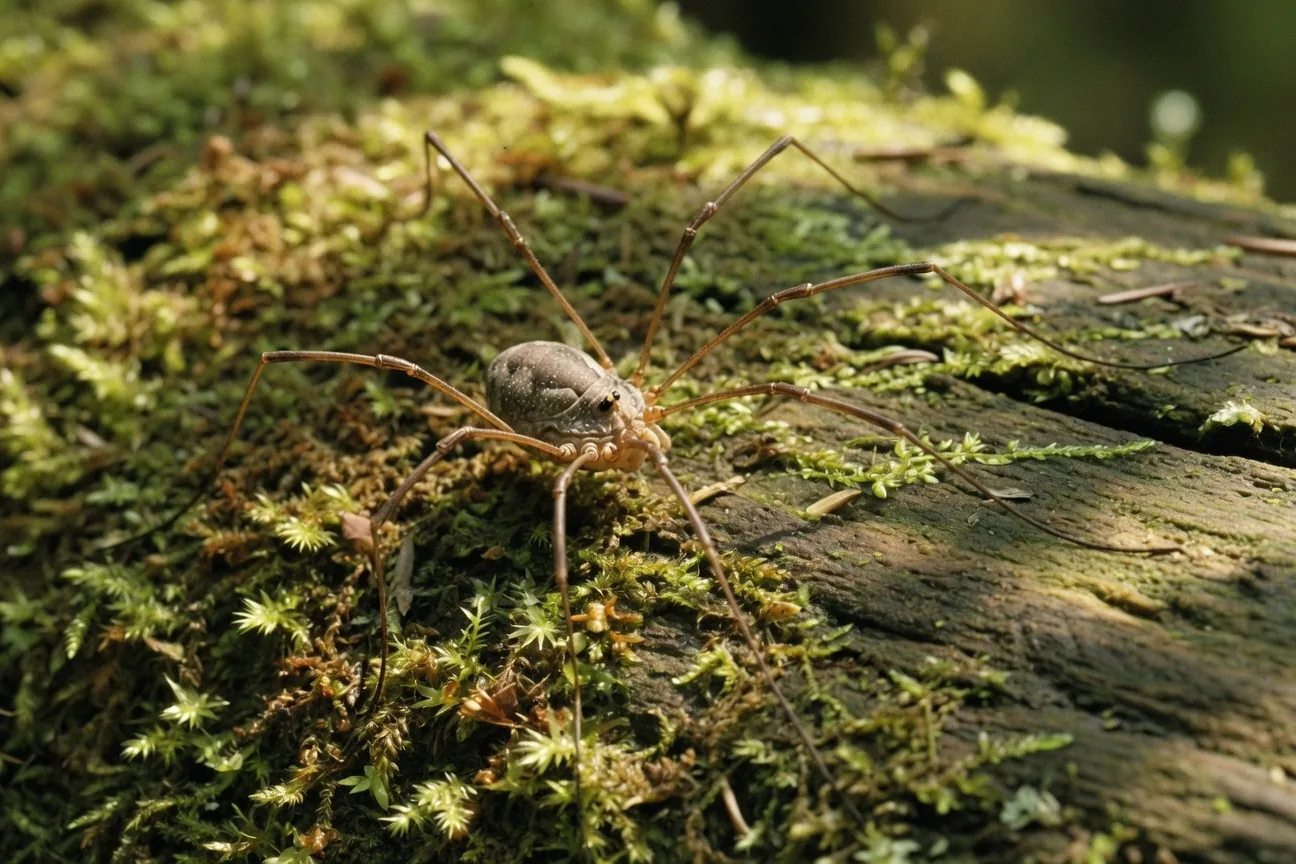
In North America, "daddy longlegs" usually means the harvestman. These arachnids are sometimes called harvestmen. They look a lot like spiders, but they're not spiders at all. This spider-like creature found lurking in many backyards is actually more closely related to scorpions, ticks, dust mites, centipedes, and millipedes.
Here's the important part: harvestmen have no venom glands or sacs whatsoever. None. The idea that they carry dangerously potent venom is pure urban myth.
Harvestmen are actually quite amazing. Their long legs are covered in thousands of tiny sense organs, hidden inside microscopic slits in the leg surface. The second pair of legs does multiple jobs at once, it works as ears, nose, tongue, and even as extra eyes.
Harvestmen eat aphids, caterpillars, beetles, flies, mites, small slugs, snails, earthworms, spiders, bird droppings, fungi, and decaying plant and animal matter.
They shed their skin (called molting) roughly every 10 days. During molting, the harvestman slowly drags each of its long legs free from its old skin. It takes about 20 minutes to pull all its legs out completely.
You can usually tell males from females by body size. Females have larger bodies and shorter legs. Males have smaller bodies and longer legs. In all the time harvestmen have been observed, they have never harmed anyone.
Take the Daddy Longlegs Myth-Busters Quiz!
5 quick questions. Find out what you really know about these mysterious creatures.
Cellar Spiders
In Australia, "daddy longlegs" usually means the cellar spider. These belong to the arachnid family Pholcidae. This is the one type of "daddy longlegs" that actually has fangs, but they are far too weak and small to harm a person.
Cellar spiders have short fang structures called uncate fang structures. Their fangs are only about 0.25 mm thick. Human skin is between 0.5 and 4 mm thick. That means the fangs can barely scratch the surface, causing only a very mild, short-lived irritation at most.
Researcher Alan Van Dyke studied these daddy longlegs spiders and found that the venom is actually weak, even against insects. These common Australian spiders feed on insects and other spiders, but they are completely harmless to humans.
To sum up: there is no scientific evidence that crane flies or harvestmen have any poisonous or venomous glands. And cellar spiders have been scientifically shown to be harmless to humans. So the next time you spot a daddy longlegs, there's nothing to fear, it will not harm you.
- England → Crane fly (Tipula)
- North America → Harvestman (Opiliones)
- Australia → Cellar spider (Pholcidae)
Explore More Animals
 Startling Facts About Daddy Long-legs SpidersDaddy long-legs spiders are characterized by exceptionally long legs, in proportion to their tiny bodies. They are among the most widely found spiders in any ho
 What Do Crane Flies Eat?Though there are four stages in the life cycle of crane flies, adult or fully grown flies have a very short lifespan during which they seldom feed. AnimalSake g
 Tiny But Deadly: The World's Most Poisonous SpidersAlmost all spiders possess venom, but only a few can seriously harm humans. Meet the Brazilian Wandering Spider, Sydney Funnel-web, Black Widow, Brown Recluse,
 An Exceptionally Brilliant Guide to Identifying SpidersOther than the 40,000 odd spiders on the planet, there exist thousands of arachnids which are often confused for spiders. Being well-versed with spider traits m

 Fun fact for today!The "daddy longlegs are super venomous" story is one of the most widespread myths in the animal world, and it's completely false!