

There were nine subspecies of tiger once, three of them are now extinct. The remaining six (Bengal, Siberian, Malayan, South Chinese, Indochinese, and Sumatran) are all classified as endangered.
Three-quarters of Bengal tigers are found in India. A few other countries where they live include Nepal, Bhutan, Bangladesh, Myanmar, China, Burma, and Tibet. There were once thousands of tigers on the planet. Today, only a few hundred remain. According to the WWF, just 1,850 Bengal tigers are left in the wild, a number that has fallen because of deforestation and hunting. Poaching is a serious threat too. Tiger body parts are sold illegally on the black market and used in some traditional medicines. Learn more about what we can do to save tigers from extinction.
Physical Features

Bengal tigers are well-known for their striking looks. Their back is covered with black, gray, or brown vertical stripes over a reddish-orange base coat. The belly, the inner side of the legs, and the tail are creamy white. No two tigers have the same stripe pattern, it is as unique as a fingerprint.
Like most big cats, tigers prefer to hunt in the dark. Their stripes help them hide in the shadows of tall grass, a natural camouflage that lets them creep close to prey without being spotted.
On average, a male Bengal tiger is about 3 meters long and weighs around 250 kg. Females are smaller. The heaviest Bengal tiger ever recorded weighed 388.72 kg, that is 857 pounds!
Take the Bengal Tiger Quiz!
5 quick questions. Find out how much you really know about the Royal Bengal tiger.
Living in the Wild
The Bengal tiger is the most numerous tiger subspecies. It is also the only one found in mangrove forests.
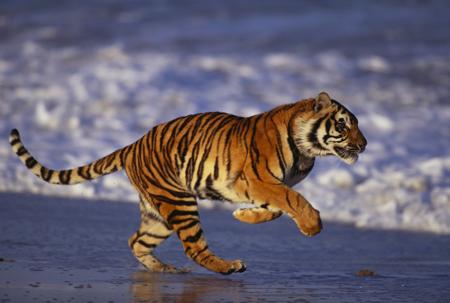
Bengal tigers hunt animals like pigs, deer, antelopes, and buffalo. In a single night, one tiger can eat almost 60-70 pounds of meat! They love spending time in water and will often chase prey right into a river to make the kill.
Bengal tigers are solitary, they live and hunt alone. They mark large areas of forest as their territory using droppings, urine, and claw scratch marks on trees. These signals warn rival tigers to stay away.
In the wild, Bengal tigers live for an average of 8-10 years. In captivity, where food and veterinary care are provided, they can live up to 15 years.
Mating and Reproduction
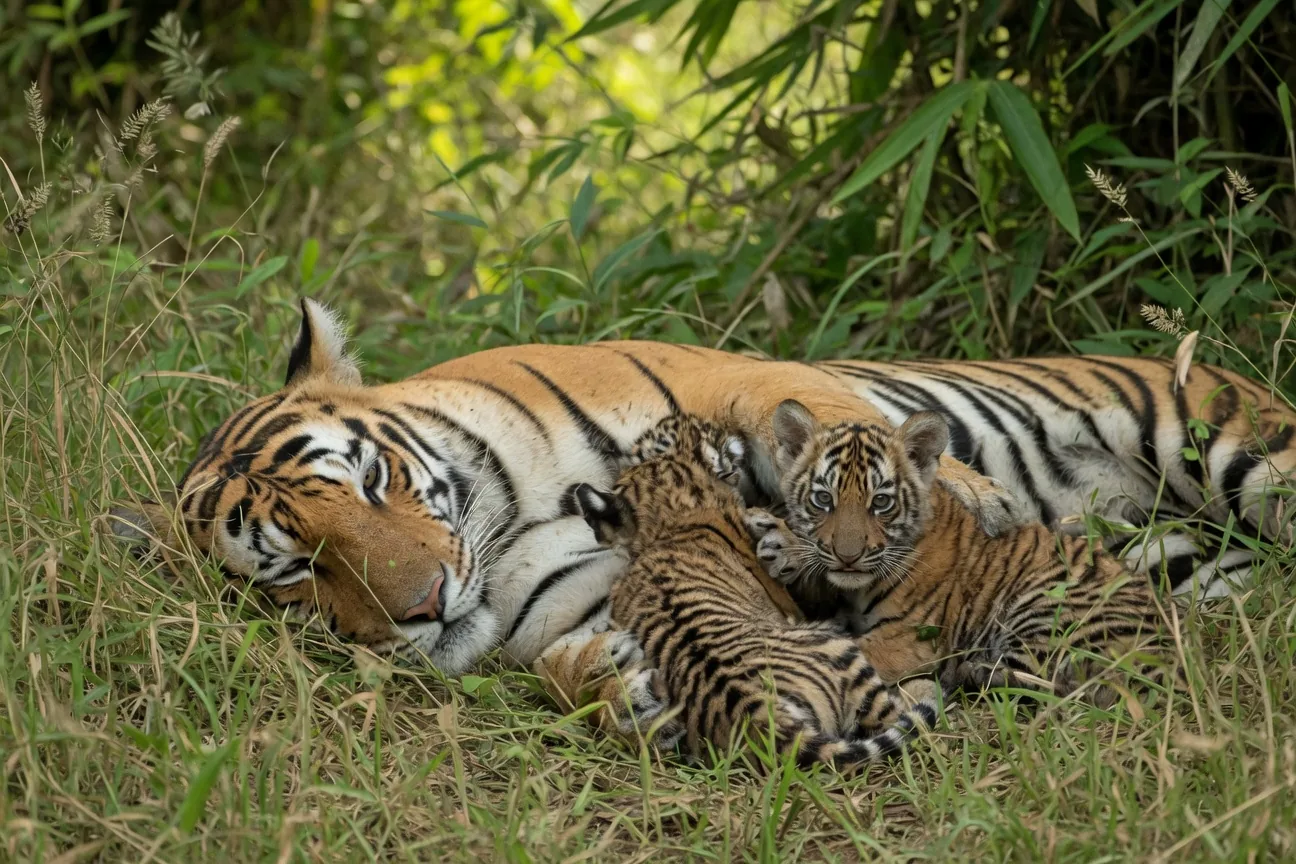
Bengal tigers prefer to live alone, but there is one exception. They come together with another tiger only during the mating season.
Females become ready to mate at 3 to 4 years old. Males are a little slower to mature, reaching sexual maturity at 4-5 years old.
The gestation period is just 98 to 110 days, roughly 3 months. The female gives birth to 2 to 4 cubs at a time. Newborn cubs are blind and completely helpless at birth.
Cubs begin learning to hunt at around 18 months. They stay with their mother for two to three years, then leave to find a territory of their own.
Connection with the White Tigers
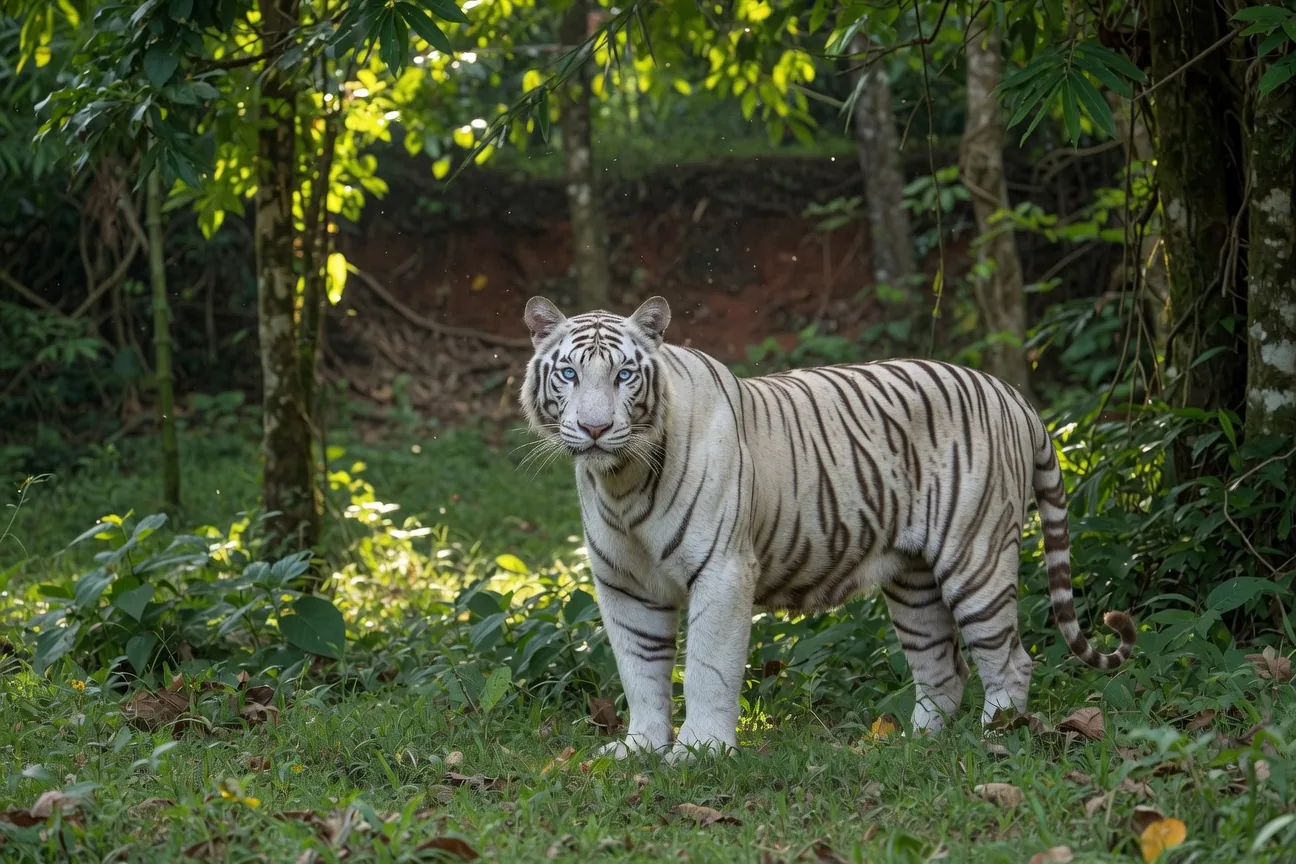
Many people assume the white Bengal tiger is a completely different subspecies. It is not. White tigers are born to regular Royal Bengal tigers.
Bengal tigers carry an unusual recessive gene that gives them this white coat. A white cub is only born when both the mother and father carry the gene. Naturally, only 1 out of every 10,000 cubs is born with the white coat.
In 100 years, only about 12 white tigers have ever been found in the wild.
Their white fur with black stripes has a stunning look all its own. Their ice-blue eyes and pink-colored nose make them even more striking.
There is one rarest variety that has a pure white coat with no stripes at all. Aside from the color, a white Bengal tiger has all the same characteristics as any other Bengal tiger.
Sadly, most white tigers alive today were born in captivity through inbreeding. This often causes genetic problems in cubs, including mental impairment, cleft palates, and crossed eyes.
Frequently Asked Questions
How many Bengal tigers are left in the wild?
About 1,850, according to the WWF
Are white tigers a separate species?
No, they are Bengal tigers born with a recessive color gene
How heavy can a Bengal tiger get?
The heaviest recorded Bengal tiger weighed 388.72 kg (857 pounds)
Are Bengal tigers good swimmers?
Yes, they love water and will chase prey into rivers
What do Bengal tiger cubs look like at birth?
They are born blind and helpless; their eyes open after a few days
Why We Must Save the Bengal Tiger
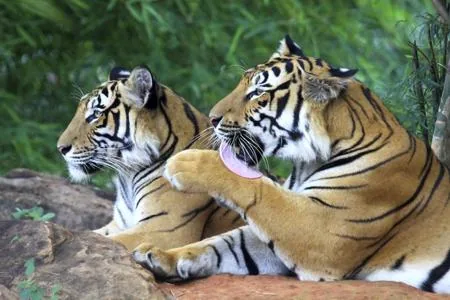
Over the past hundred years, the number of Bengal tigers has fallen sharply. These animals need help now, or they could become extinct very soon. Losing them would throw off the entire ecological balance of nature. Experts warn that if conservation efforts fail, habitat destruction and poaching could make tigers extinct within the next 10 years.
Each of us has a responsibility to help save the tiger. You do not need to be a wildlife activist. Simple steps make a difference. The WWF suggests a few easy ways to help. Do not buy anything that is not forest-friendly or that contains tiger parts. You can also send postcards through the WWF website to support rangers who protect tigers on the ground. Donations help fund their work too. Most importantly, spread the word, awareness is always the first step toward change.
Explore More Animals
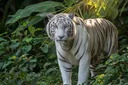 Utterly Mind-boggling Facts About the White Bengal TigerAlso known as Indian tigers, white Bengal tigers were initially hunted down for fun, as a part of sporting activities. Today, most of these are bred in captivit
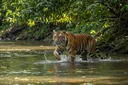 Tiger's Habitat: What do Tigers Eat?Royal in their appearance, tigers are one of the most majestic animals seen in the wild. Here is some information about their habitat and food habits.
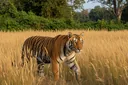 Subspecies of Endangered Tigers You Didn't Know About, But ShouldOne of the most majestic animals of all time, the tiger is on the brink of extinction. Discover the surviving subspecies, how many remain, and why tigers are en
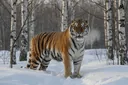 Survivors of the Cold: Interesting Facts About Siberian TigersSiberian tigers are the biggest cats on the planet and one of the most endangered. Discover facts about their size, diet, hunting skills, and survival in Russia

 Fun fact for today!No two Bengal tigers have the same stripe pattern, just like human fingerprints!