

Although bison and buffalo are related, they have some real differences between them. They belong to the same family, think of them as cousins. There are two kinds of bison: the American bison and the European bison, also called the Caucasian Wisent. There are also two kinds of buffalo: the African Cape buffalo and the Asian Water buffalo. Let's put bison vs. buffalo side by side and see what makes each one special.
Spot the Difference at a Glance
Three quick things to look at (the hump, the beard, and the horns) and you'll never mix them up again. (Love telling look-alike animals apart? Try our guide to African vs. Asian elephants next.)
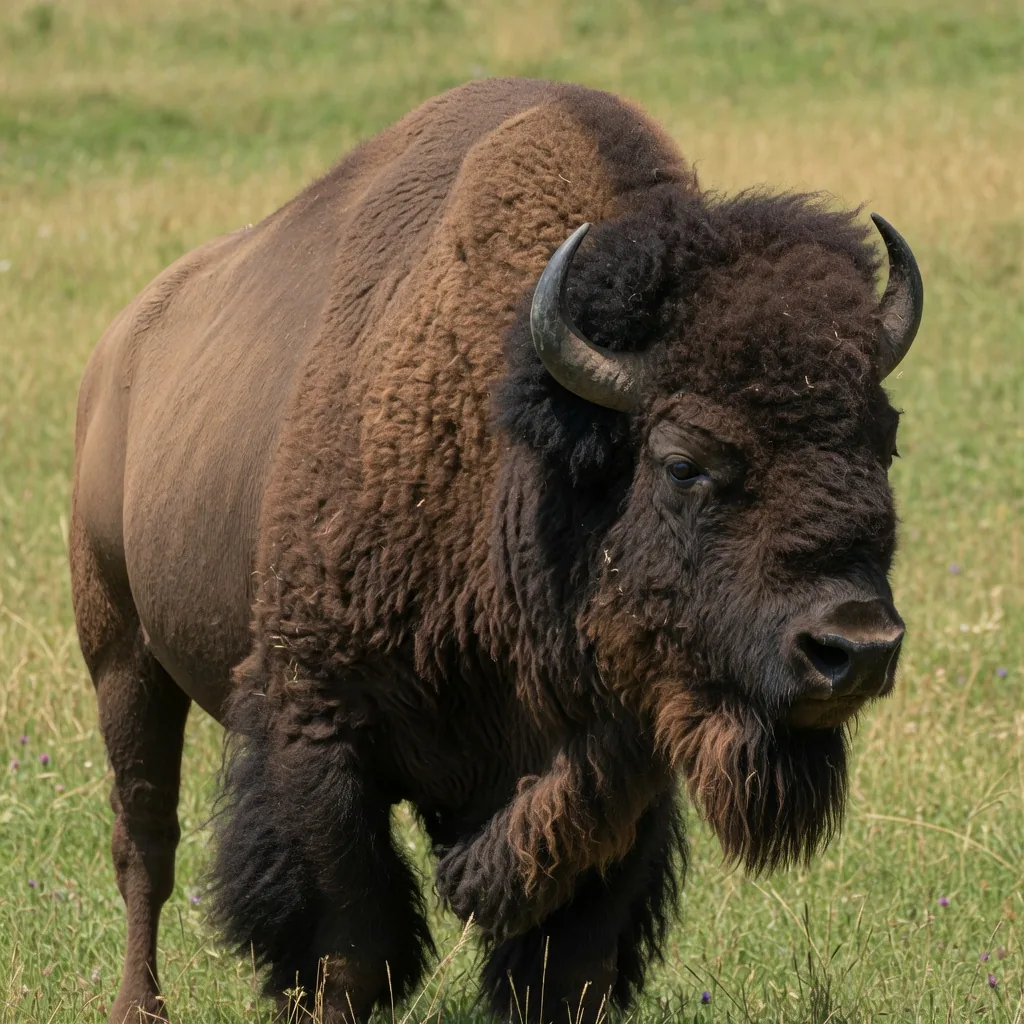
- ✓Big shoulder hump
- ✓Thick beard on neck & face
- ✓Short, sharp horns
- ✓Heavy, shaggy fur for the cold
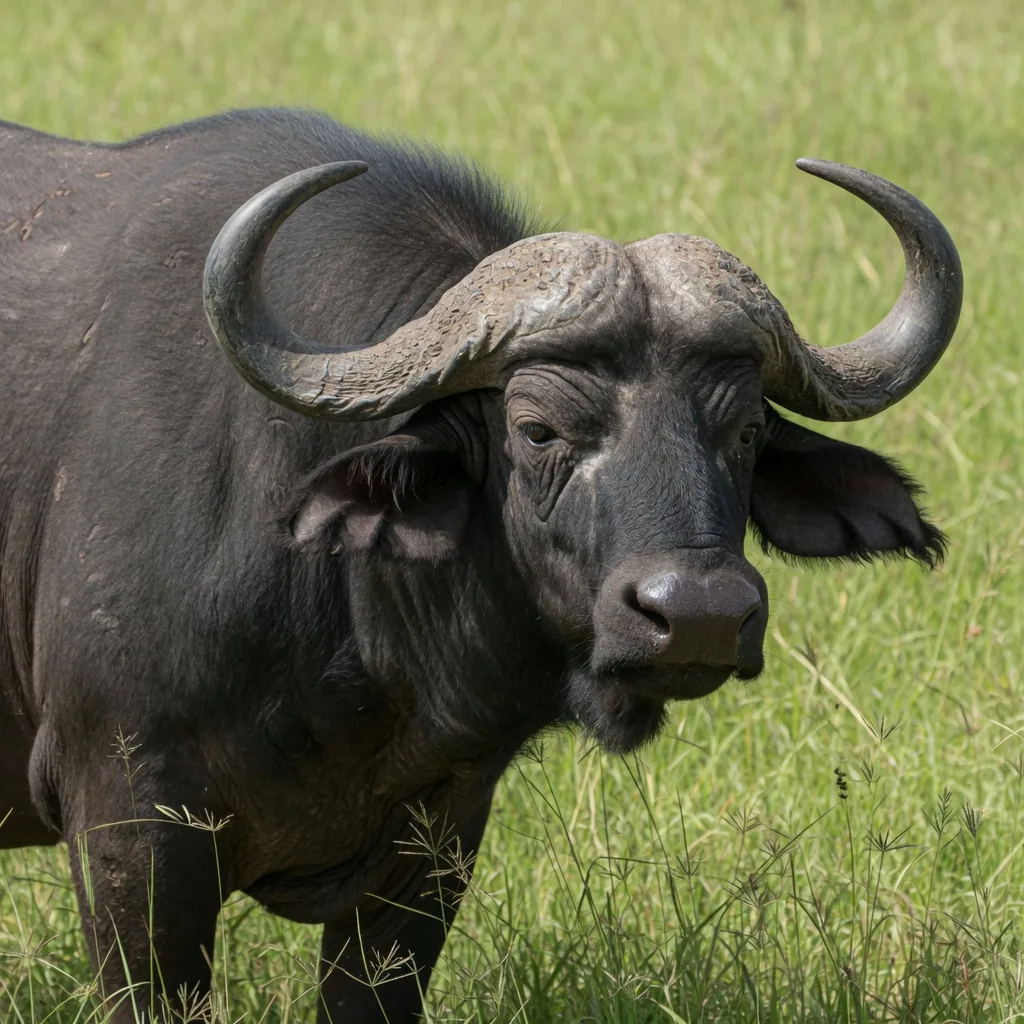
- ✗No hump, a flat back
- ✗No beard
- ✓Long, curved horns
- ✗Light fur for warm places
Similarities
Bison and buffalo are closely related, scientists group them in the same animal family. Here's what they share:
- They belong to the same family, Bovidae. That's the family of hoofed animals that chew the cud, it includes cattle, goats, and sheep too. Scientists also place them in the same kingdom (Animalia), phylum (Chordata), class (Mammalia), and order (Artiodactyla).
- Both are herbivores (plant-eaters) and they mainly eat grass.
- Both live in the wild, although the Asian water buffalo has been domesticated and lives on farms too.
- Sadly, both have been hunted heavily for their meat and sometimes for sport. This has greatly reduced their numbers in the wild, making humans their biggest threat.
- Both are large, four-footed mammals.
Bison or Buffalo? Take the Quiz!
5 quick questions. Find out if you can really tell these two giants apart.
Differences
| Points of Difference | Bison | Buffalo |
|---|---|---|
| Genus | Bison are classified under the genus bison. | Buffaloes are classified under the genus Bubalus (Asian water buffalo) and syncarus (African cape buffalo). |
| Hump | The bison have a distinct hump on their backs. | This back hump is absent in buffaloes. |
| Fur | Bison have thick fur mainly because they are found in colder regions. | Buffaloes are found in warmer climates and thus have light or no fur at all. |
| Beard | Bison have a thick ‘beard’ on their neck and facial areas. | Buffaloes have no such ‘beard’ on their necks or faces. |
| Lifespan | Bison have a shorter life span as compared to buffaloes. They live for 13-19 years. | Buffaloes are known to live up to 25-30 years in case of the water buffalo (which may be due to it being domesticated) and 15-25 years in case of the cape or African buffalo. |
| Horns | Horns of the bison are small and sharp. | Horns of buffaloes can be long but not sharp, as in the case of the Asian buffalo (longest horns), or of medium length with a head plate as in the case of the African buffalo. |
| Habitat | The bison is found mostly in wild rugged regions. | The Asian buffalo, which are domesticated do not live in the wild. The African buffalo though, is also found in the wild and cannot be domesticated. |
| Reasons for Hunting | The bison are primarily hunted for their hides and meat. | The Asian buffalo is domesticated and is used to obtain milk, hide, and meat. The African buffalo was once hunted for sport, but is now used for meat as well. |
| Distribution | The American bison is mostly found in the grassland biomes of North and South America, and the European bison in the countries of central and northern Europe. | The African buffalo is found in sub-Saharan Africa. The Asian buffalo is found in Asia, Europe, America, Australia, and the Mediterranean. |
| Population Figures | Bison population ranges from 250,000 to 300,000. | The Asian buffalo population is very large, up to 250 million, because of their economic value to humans. The African buffalo population is about 900,000. |
Bison and buffaloes are amazing animals, and the world would be poorer without them. For a long time people hunted them for sport and meat. Now we understand how important they are, for ecosystems, for farming (in the case of the water buffalo), and for cultures around the world. Many people are working hard to protect them. And for Americans in particular, the bison is a proud symbol: it even appears on the U.S. nickel!
Frequently Asked Questions
Is a bison the same as a buffalo?
No. A bison is not a buffalo, they are different animals. They belong to the same family, Bovidae, so they are like cousins, but a bison and a buffalo are separate kinds of animal.
What is the easiest way to tell a bison from a buffalo?
Look for the hump. Bison have a large hump on their back and a thick beard; buffaloes have no hump and no beard.
Why do bison have thick fur and buffaloes do not?
Bison live in colder regions and grow thick fur to stay warm. Buffaloes live in warmer climates, so they have light fur or almost none.
How long do bison and buffaloes live?
Bison live for about 13 to 19 years. Water buffaloes can live 25 to 30 years, and African buffaloes 15 to 25 years.
Which buffalo can be kept on a farm?
The Asian water buffalo has been domesticated and is kept for milk, hide, and meat. The African Cape buffalo lives in the wild and cannot be domesticated.
Bison & Buffalo Glossary
| Word | What it means |
|---|---|
| Bovidae | The big animal family that bison and buffalo both belong to. It also includes cattle, goats, sheep, and antelopes, all hoofed animals that chew the cud. |
| Herbivore | An animal that eats only plants. Both bison and buffalo are herbivores, and their main food is grass. |
| Hump | The raised mound of muscle on a bison's shoulders. It helps power the bison's big head as it swings it to clear snow off the grass in winter. Buffaloes do not have one. |
| Domesticated | Tamed and raised by people over many generations. The Asian water buffalo is domesticated; the African buffalo and the bison are not. |
| Wisent | Another name for the European bison, the bison's cousin that lives in the forests of central and northern Europe. |
| Grassland biome | A wide, open habitat covered mostly in grass with few trees. The American bison's home, the prairie, is a grassland biome. |
Explore More Animals
 Differences Between African and Asian ElephantsFor starters, they're both huge and gray, but there are a few telling differences between the African and Asian elephant. Allow this AnimalSake post to explain.
 Grassland AnimalsOne of the most interesting biomes on the planet, the grassland biome is spread across six of the seven continents. Discover the animals that call it home, from
 African Antelope: Species, Sizes, Facts and PhotosThe complete kids' guide to African antelope, meet 19 amazing species from the mighty eland to the tiny royal antelope, see how big they get, explore the full
 Bull Shark vs. Great White Shark: How to Tell Them ApartBull shark or great white? Meet two of the ocean's most feared sharks side by side (habitat, size, teeth, and hunting tricks) plus a quiz, glossary, and myth-

 Fun fact for today!The "buffalo" on old American coins and in cowboy stories is really a bison!