

Almost every class of animal has burrowing species. Mammals, amphibians, reptiles, birds, insects, and rodents all include animals that dig. In fact, you can split all burrowing animals into just two big groups: vertebrates (animals with a backbone) and invertebrates (animals without one).
When it comes to digging, animals are amazingly skilled across all kinds of ground. They burrow in sand, loamy soil, gardens, farms, and even under concrete. A burrow can be as simple as a single hole or as complex as hundreds of meters of underground tunnels and chambers.
Scroll down to see and read about 26 burrowing animals from the groups above.
A Field Guide to 26 Burrowing Animals
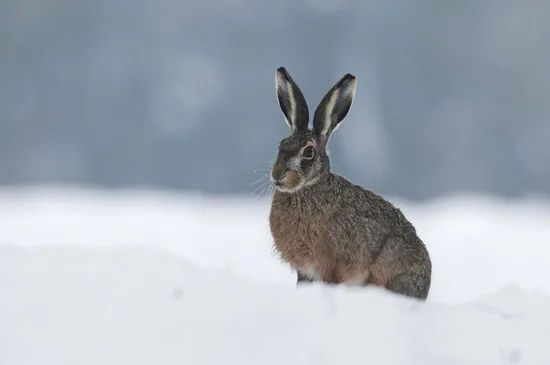
European Rabbit
European rabbits (Oryctolagus cuniculus) are originally from southwestern Europe. They are well known for their destructive habits. They eat the shrubs in orchards and forests, which can cause serious damage to plants and wildlife. Rabbits are also kept as pets or raised for food all over the world.
Quick Fact In 1907, people tried to build a rabbit-proof fence in Australia to stop the species from spreading further west. The attempt was not successful.
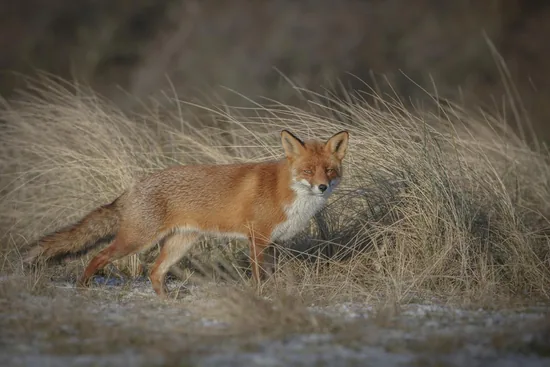
Red Fox
Red foxes like to dig their burrows on mountain slopes, in ditches, or along steep riverbanks. They prefer spots with good drainage. A red fox's burrow has a main den and several smaller, temporary holes nearby.
Quick Fact Despite the name, red foxes can actually be gray, blackish-brown, silver, platinum, amber, or even white.
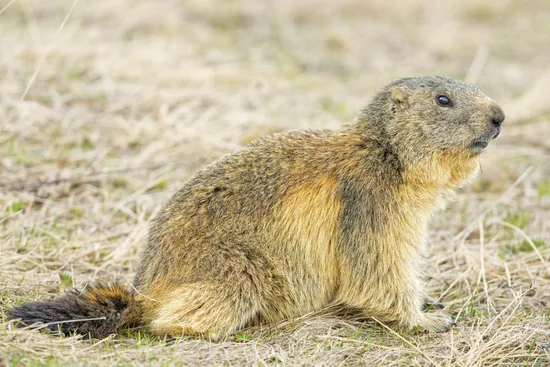
Groundhog
Groundhogs like to build their dens in farms, fruit orchards, and cornfields, places with small flowering trees or bushes nearby. A den has four or five entrance holes connected to a main tunnel, which leads down to a den that is 3 to 4 feet deep.
Quick Fact Groundhogs are very clean animals. They dig separate holes just for going to the toilet!

Common Otter
River otters spend time both in water and on land. Because of this, they like their dens to be close to a river or stream. They often move into burrows that other animals have dug, or find a cozy hollow in the bank to call home.
Quick Fact River otters are sadly hunted mainly for their thick, soft fur, which is used to make coats and jackets.
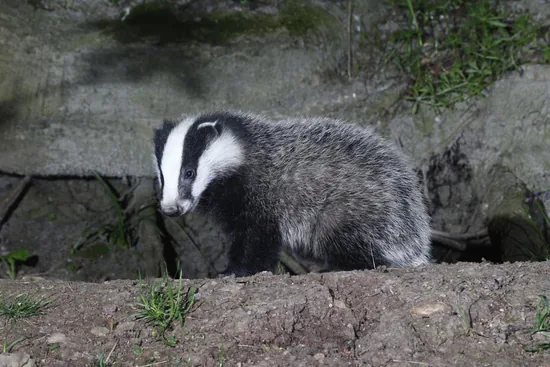
Badger
Badgers are nocturnal mammals that dig large networks of underground tunnels leading to their dens. They have a long black-and-white snout and sharp, powerful claws made for digging. They prefer sandy or loamy soil in areas with easy access to fresh water and prey.
Quick Fact A white stripe runs from the badger's nose all the way along its body, right to the tip of the tail.
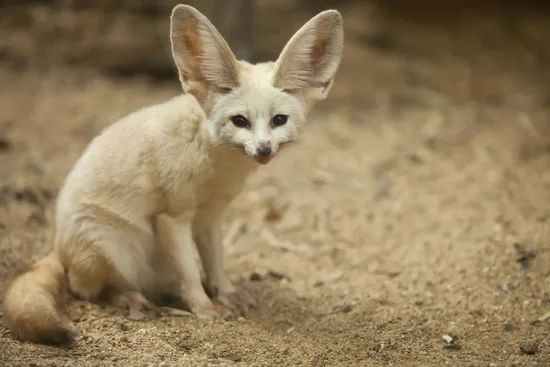
Fennec Fox
Unlike the red fox, the fennec fox digs its burrow under sheltered and stable sand dunes. It is a small species native to the Sahara Desert in North Africa. Fennec foxes are friendly neighbors, they often connect their burrows to those of other foxes and live side by side.
Quick Fact Fennec foxes are sometimes kept as exotic pets. They are quite expensive because the kits are taken from their mother early and hand-reared.
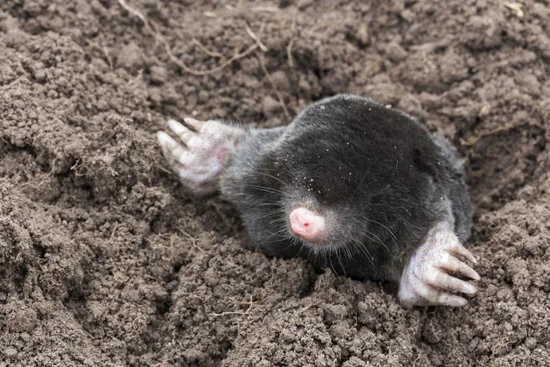
Mole
Moles are small mammals with a pointed, cone-shaped snout, velvety fur, and tiny eyes and ears. Their front legs have large paws with pointed claws that are perfect for digging. They feed on earthworms and other small creatures that live in the soil. A mole pushes the loose soil into a heap around the entrance to its den.
Quick Fact Moles can reuse the air they breathe in. This clever trick lets them survive in the low-oxygen air found underground.
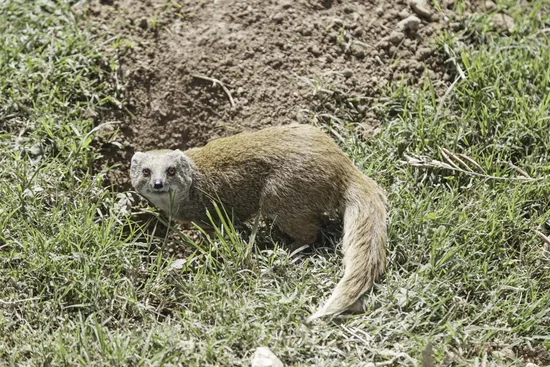
Mongoose
"Mongoose" is actually the name for 38 different species of animal. Mongooses will both dig their own burrows and move into ones that are already there.
Quick Fact In India, mongoose are sometimes tamed by snake charmers and used in staged fights with snakes to entertain a crowd.
Take the Underground Animals Quiz!
5 quick questions. Find out how much you really know about the animals that live below our feet.
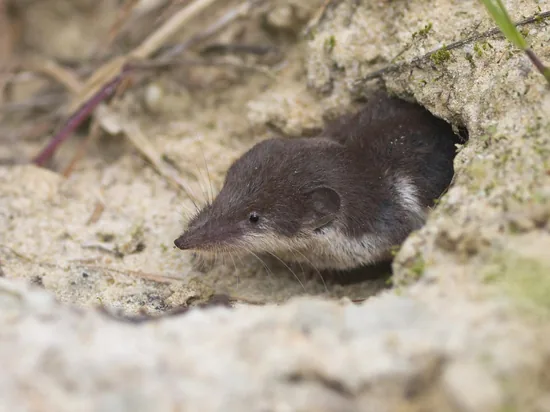
Shrew
The common shrew lives in Britain in scrubland, grassland, hedgerows, and woodland. Shrews mostly move into burrows that other animals have already dug. They come to the surface every 2 to 3 hours to find food, eating insects, spiders, worms, amphibians, and small rodents.
Quick Fact Shrews actually shrink in winter! A smaller body needs less energy to move, so the shrew needs less food to survive the cold months.
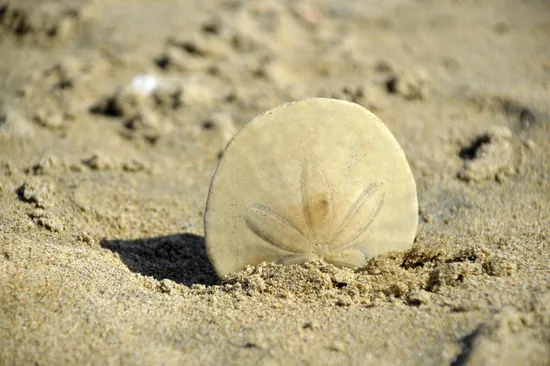
Sand Dollar
Sand dollars look like shells, but they are actually living animals. The underside of a sand dollar is covered in tiny spines and cilia (hair-like structures) that help it move and dig through sand. It eats using tiny tube feet called podia, which pass food to its mouth. Sand dollars feed on algae, crustacean larvae, and tiny sea creatures.
Quick Fact Sand dollars bury themselves partly under the sand with just one edge poking up above the surface.
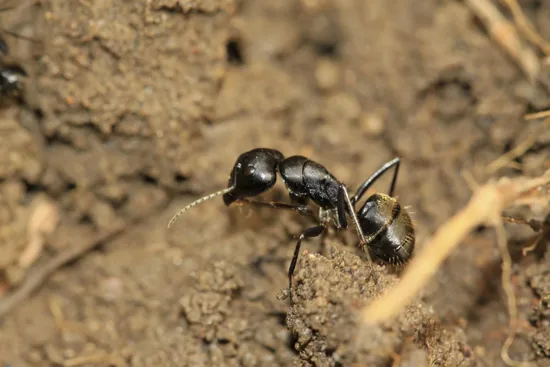
Ant
Ants are some of the most common burrowing creatures on Earth. As they dig their tunnels, they pile the loose soil into a mound at the entrance. Ants eat almost everything: sugar, fruit, meat, seeds, vegetables, and fungi.
Quick Fact Ants are omnivores, which means they eat both plants and animals. They will even eat other ants!
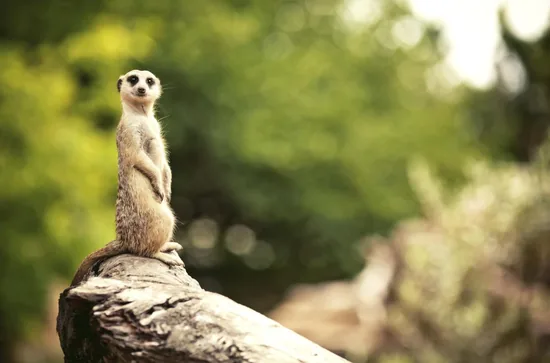
Meerkat
Meerkats belong to the mongoose family and have one amazing trick, they can stand upright on two legs. They live in groups called clans in southwestern Africa. Each clan's dens are connected to each other. The animals go out during the day to find food and return to their dens at night. The dens have several entrances so meerkats can escape quickly if danger comes.
Quick Fact A meerkat clan has between 20 and 50 individual members.
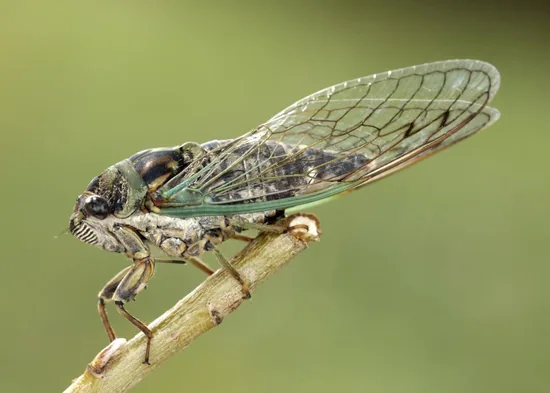
Cicada
Cicadas are small flying insects in the Hemiptera order. They live in small burrows, usually near trees that provide food and a place to lay their eggs. Their strong front legs help them dig. A cicada burrow can be anywhere from 1 foot to 8.2 feet deep. Cicadas feed on sap from the roots of trees like oak, cypress, willow, ash, and maple.
Quick Fact In northern China, cicadas are eaten as a snack, skewered, deep-fried, or stir-fried.
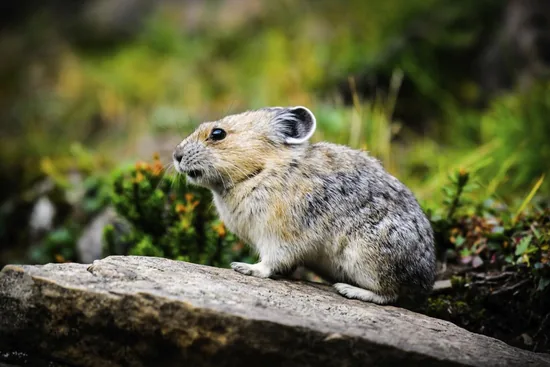
Pika
Most pikas live in rocky crevices on mountain sides. However, some species (called daurian pikas) actually burrow into the ground. They are found across Mongolia, Russia, Manchuria, and several provinces of China. They dig their burrows in mountain regions at very high altitudes of up to 4,000 meters, and can sometimes be spotted in desert grasslands during winter.
Quick Fact One of the most striking things about pikas is that they have no tail at all.
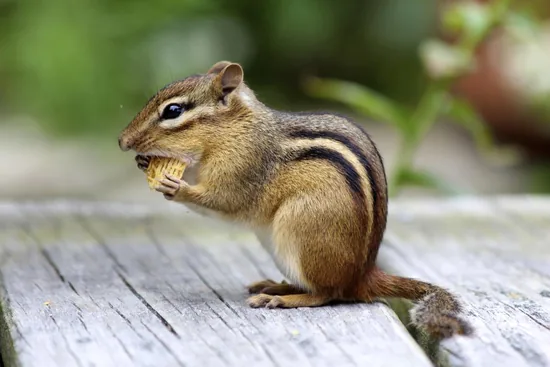
Chipmunk
Chipmunks are native to North America and belong to the Rodentia order. They dig deep, extensive burrows that they use for sleeping, storing food, and going to the toilet. They keep different chambers or tunnels for each purpose, they are very tidy animals! A chipmunk's burrow can reach as deep as 11 feet.
Quick Fact Chipmunks spend autumn collecting food to store, then spend all winter in their burrows, only coming back out in spring.
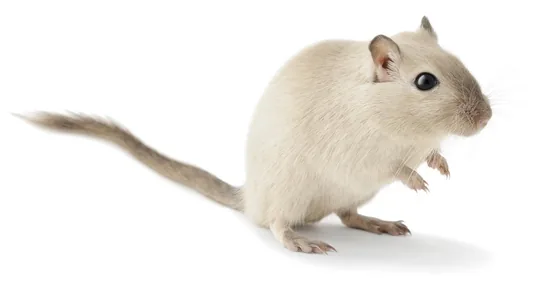
Gerbil
The gerbil is a small, rat-like rodent native to Africa and Asia. It lives in sandy, dry regions and digs a complex network of burrows with several entrances so it can escape quickly. Gerbils are active during the day and eat both plants and animals.
Quick Fact Gerbils can damage local plant life and harm the natural ecosystem. Because of this, it is illegal to own or sell gerbils as pets in the U.S. state of California.
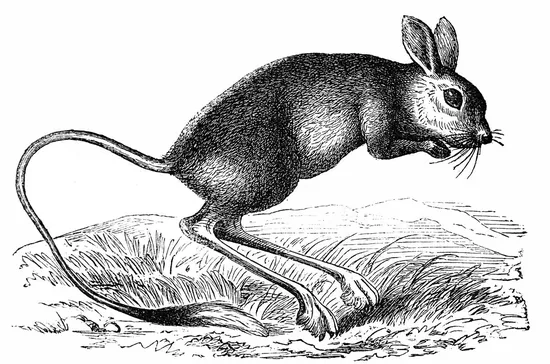
Jerboa
Jerboas look a bit like tiny kangaroos. They live in dry, arid regions of North Africa, Asia, and China and are famous for their hopping. Jerboas dig two kinds of burrows: temporary ones that they duck into while out hunting during the day or night, and permanent ones for sleeping and raising their young.
Quick Fact When threatened or chased, a jerboa can run at speeds of up to 24 km/hr.
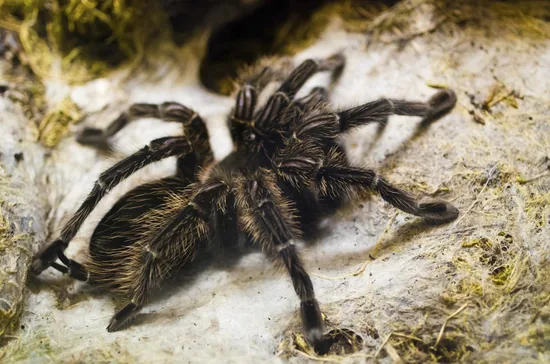
Tarantula Spider
Tarantulas are large, hairy spiders found across America, Africa, Asia, Australia, and Europe. They dig deep single-entrance burrows and line them with silk. The silk lining holds the walls in place, makes it easier to enter and exit, and also vibrates to warn the tarantula if something is approaching.
Quick Fact Tarantulas are venomous, but their bite is not deadly. It causes discomfort and irritation. The venom of the African tarantula is said to cause hallucinations.
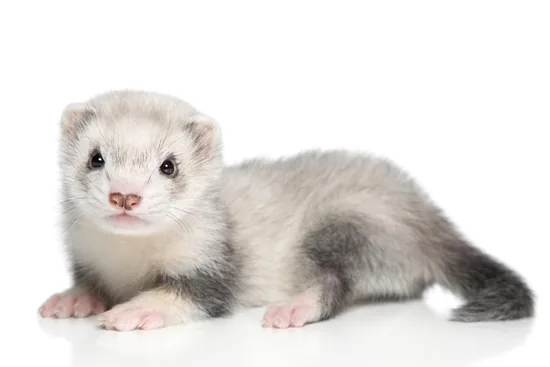
Ferret
Ferrets make great house pets because they are playful and curious. In the wild, they dig multi-channelled burrows to sleep in and raise their young. Ferrets are carnivores, they eat small mammals like mice and rabbits. They are very good at chasing prey out of burrows and catching it.
Quick Fact When ferrets get excited, they do something called the "weasel war dance." They hop and leap sideways, often bumping into things!
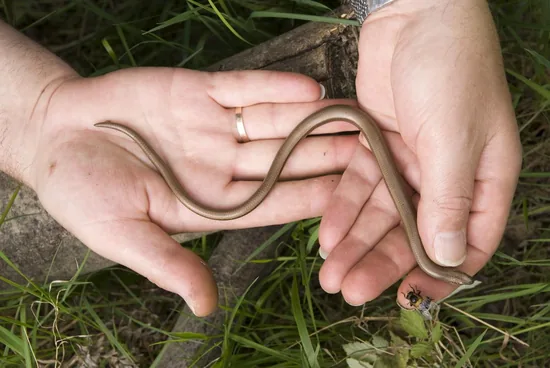
Slow Worm
Slow worms look like tiny snakes, but they actually belong to the lizard family. As their name says, they move slowly, which makes them easy prey for birds, badgers, foxes, and hedgehogs. They mostly burrow in warm areas like grasslands and woodlands, and they feed on caterpillars, spiders, and earthworms.
Quick Fact Slow worms are one of the few reptile species that give birth to live young instead of laying eggs.
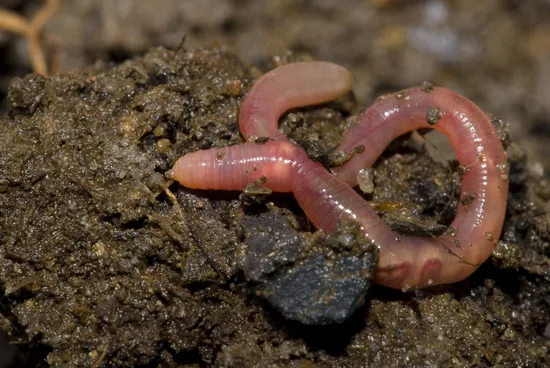
Earthworm
Earthworms are very common and live in loamy, moist soil. They move by contracting and expanding their bodies. This movement also pushes them through the soil, so they burrow as they travel. They eat living or dead organic matter and are very important for keeping soil healthy and fertile.
Quick Fact Earthworms have no lungs or gills. They breathe through their moist skin!
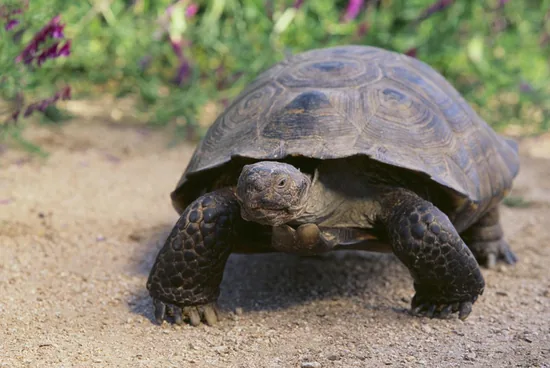
Desert Tortoise
Desert tortoises use burrows to rest and to escape extreme heat or cold. They prefer sandy or loamy soil with some clay and gravel in it, making it easier to dig a stable den that won't collapse. Desert tortoises are happy to share their burrows with other reptiles, mammals, birds, and invertebrates.
Quick Fact Desert tortoises are listed as vulnerable. The biggest threats to their survival are urbanisation, habitat destruction, illegal collection, and vandalism by humans.
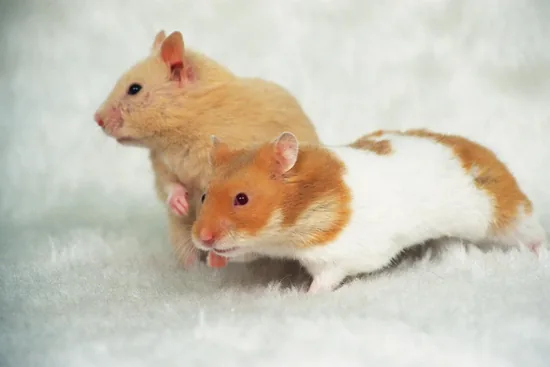
Hamster
Hamsters are small, cheeky rodents that eat seeds, fruit, plants, and burrowing insects. Their stretchy cheek pouches help them carry food back to their burrows. The burrow itself is neatly organized with separate rooms for sleeping, storing food, and going to the toilet. It usually has several entrances. Syrian hamsters are the most popular hamsters kept as pets.
Quick Fact Hamsters are short-sighted and also color-blind.
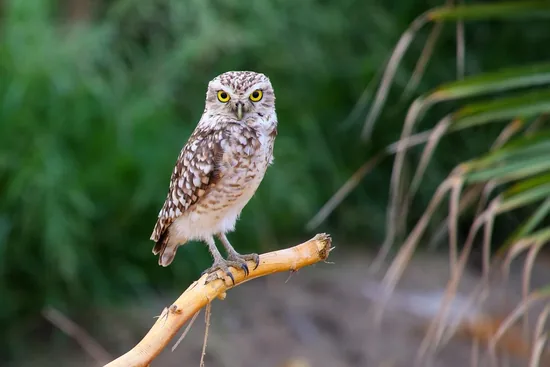
Burrowing Owl
Burrowing owls are found across North and South America in grasslands, farms, woodlands, and deserts. They usually move into burrows that small mammals (like prairie dogs or hedgehogs) have already dug. They line their burrows with all sorts of materials, including animal dung.
Quick Fact Unlike most owls, burrowing owls are active during the day. They hunt for food in daylight hours.
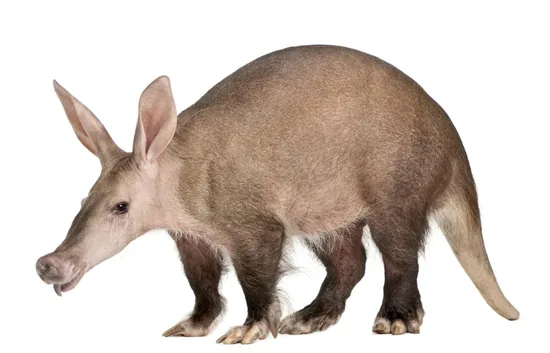
Aardvark
Don't mix this nocturnal mammal up with an anteater, they are different animals! Aardvarks are found mostly in sub-Saharan Africa. They prefer muddy or sandy ground, which is easier to dig. They burrow deep underground to rest during the day and to escape the heat. Aardvarks feed on ants and termites.
Quick Fact An aardvark's burrow can be as long as 43 feet, big enough for a human to walk right in!
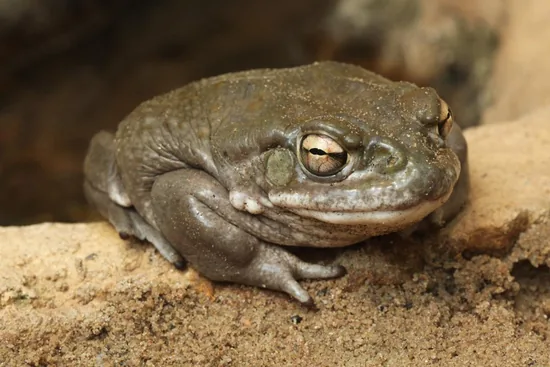
Mexican Burrowing Toad
Mexican burrowing toads have slimy, rounded bodies marked with red spots, and a red stripe runs along the back. They have small, pointed snouts and short legs. Their feet are hard and rough with wide, shovel-shaped edges that help them dig very efficiently. Although they live underground, they come out during the breeding season to lay their eggs in a nearby water source.
Quick Fact According to the "Evolutionarily Distinct and Globally Endangered" (EDGE) organization, the Mexican burrowing toad is the most evolutionarily distinct amphibian on Earth.
There are many more burrowing animals out there, divided into even more species and subspecies. The 26 on this list are just the tip of the iceberg!


 Fun fact for today!An aardvark's burrow can stretch up to 43 feet underground, long enough and wide enough for a grown-up person to crawl right inside!