

Classification
Order: Siluriformes
Family: Trichomycteridae
Genus: Vandellia
Species: Vandellia cirrhosa
The name "candiru" usually refers to Vandellia cirrhosa. The other two species in the Vandellia genus are sometimes called candirus too.
Physical Description
Candirú, also known as Canero (Vandellia cirrhosa), is a freshwater catfish. The species usually grows to just 1 or 2 inches long. A few rare specimens measuring nearly 17 inches have been found. These fish are eel-like and almost translucent, which makes them very hard to see in the water.
Candirus are fast, powerful swimmers. They are smooth and slimy, with sharp teeth and backward-pointing spines on their gills. Like many scavengers, they avoid sunlight. They spend most of their time buried in the mud and sand at the bottom of the river.
Habitat
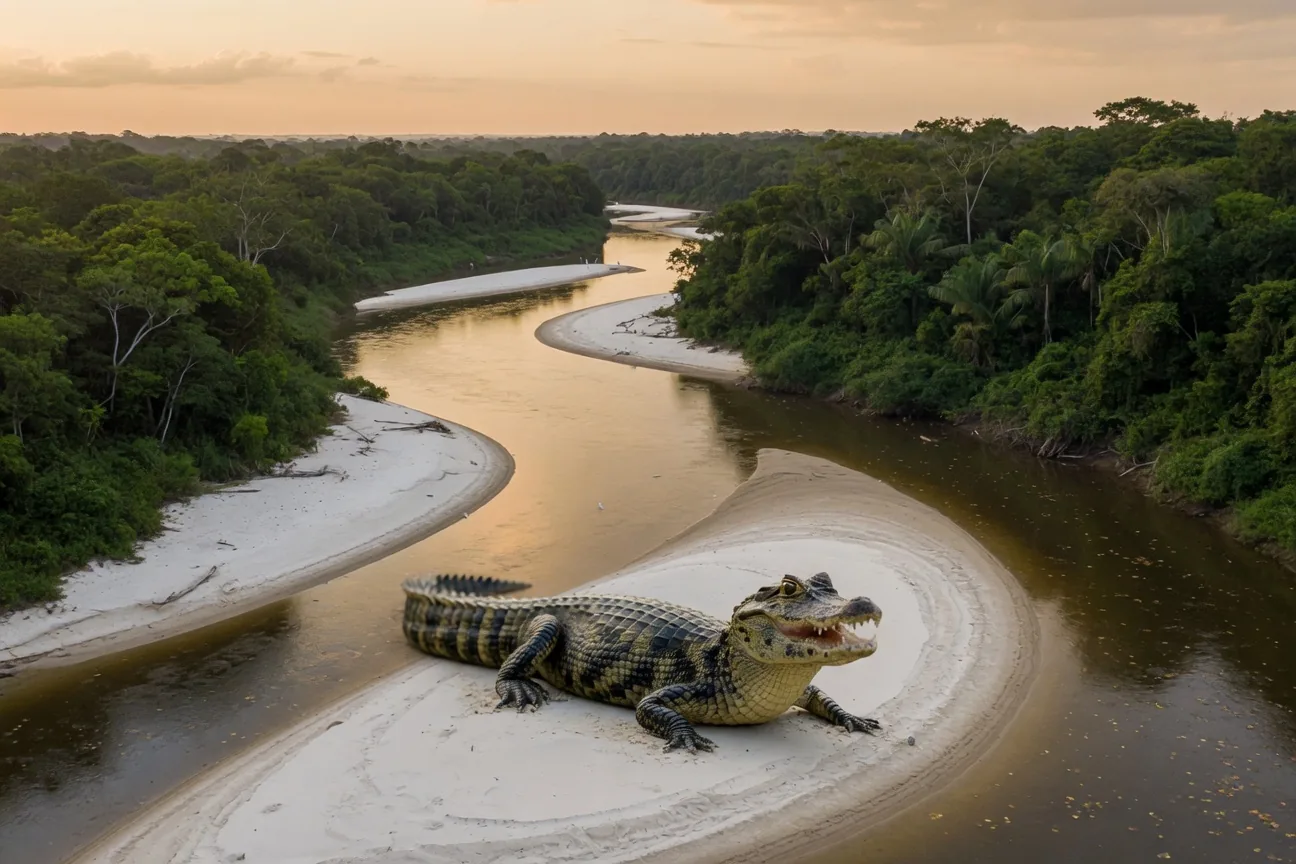
Candiru species are found mainly in the Amazon and Orinoco rivers in South America. They are part of the Neotropical fish group. Among the people who live near these rivers, the candiru is the most-feared fish. Its reputation comes from its habit of finding a fish and attaching itself to the fish's gills. Once attached under the gill flap, it acts as a parasite and draws blood from the host fish.
The Notorious Myth
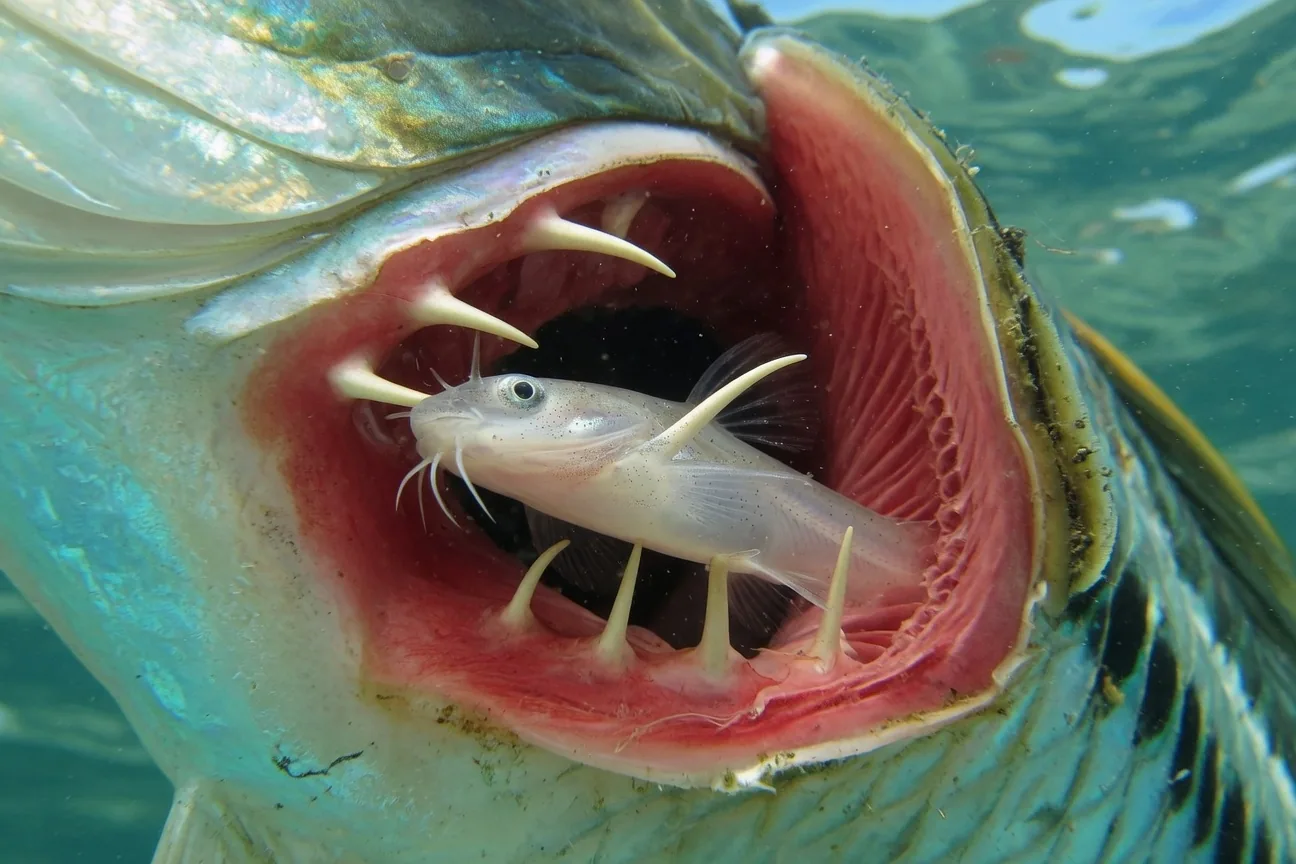
The candiru is a parasite. Its method is simple and ruthless. To find a fish, it first "tastes" the water, searching for a current coming from a fish's gills. Once it finds that stream, it follows it back to the host and slips inside the gill flap. Spines around its head then pierce the fish's scales to hold it in place. It feeds on blood by using its mouth like a straw, while rasping with the long teeth on its upper jaw. Afterwards, it unhooks its spines and sinks to the river bottom to digest its meal. This blood-feeding habit is why it earned the nickname "Vampire Fish of Brazil."
The reason humans fear the candiru most is a famous myth. The story goes that it is the only vertebrate known to attack humans. The fish was said to be drawn to the smell of human urine. A 2001 study proved this belief wrong! According to the legend, the candiru could enter a person's body if they urinated while swimming. It would follow the urine stream back to the swimmer. Once inside, it would swim up the urethra and use its spines to lock itself in place. It would then feed on blood and body tissue. Sometimes, according to the story, its body would swell from the amount of blood it drank.
Take the Vampire Fish Quiz!
5 quick questions. How much do you really know about the candiru?
According to the myth, the candiru also eats away at the mucous membranes and tissues until a hemorrhage kills it or the host. It was said that even grabbing the fish by the tail would not work, because it spreads itself open like an umbrella and cannot be pulled out. The myth says it can affect both men and women. Some stories even claimed people would prefer surgery over the pain of leaving it inside. However, as noted earlier, there is no evidence this has ever actually happened to a human.
The Jagua Tree Remedy
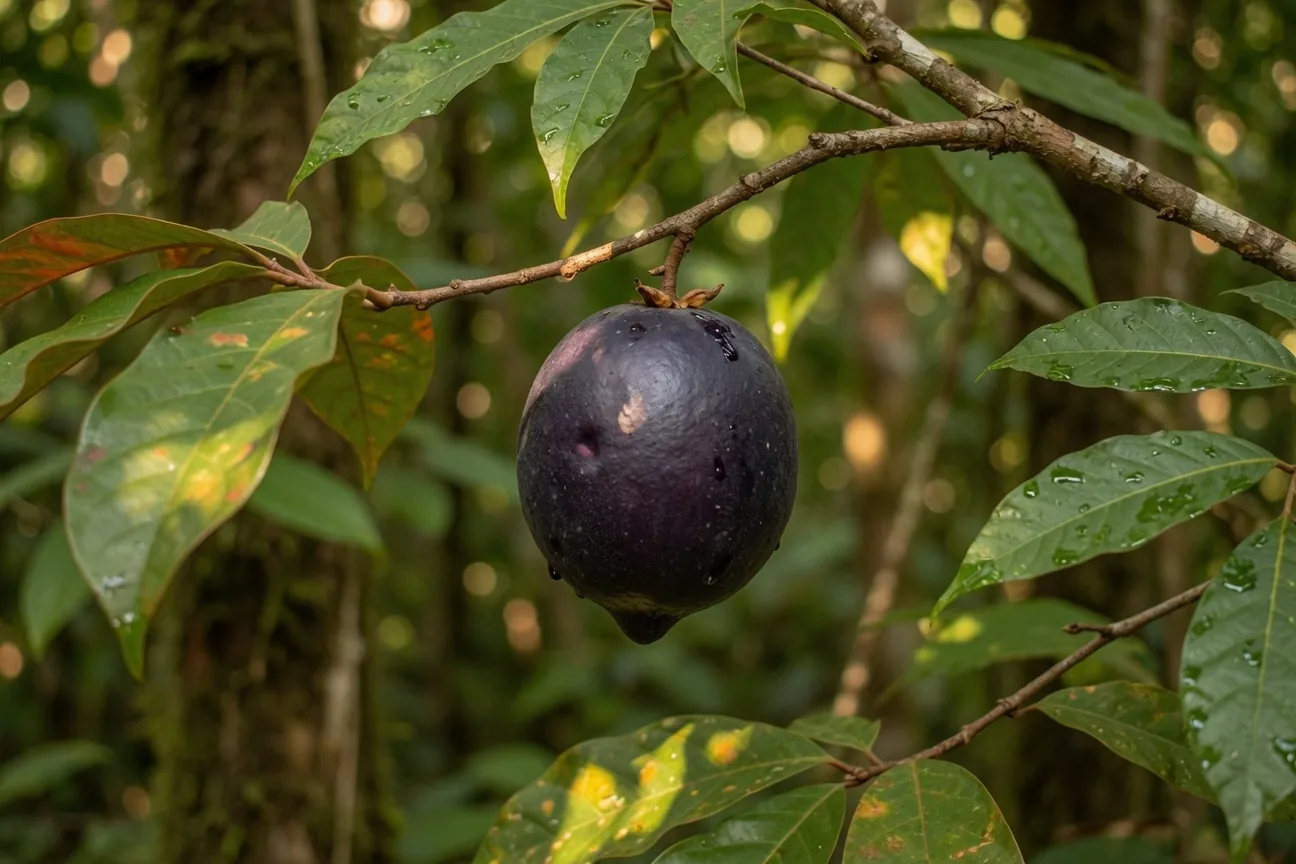
According to local legend, one way to remove the fish is to drink juice made from the green fruit of the Jagua tree, Genipa Americana L. The juice is brewed into a tea. When drunk, it supposedly dissolves the fish's skeleton and causes it to leave the body within a couple of hours. A synthetic version of this brew has been used by urologists to dissolve bladder 'incrustations' and kidney stones. Surgical removal is also possible, but both methods take time.
There is a push to ban the import of candiru into the United States. People fear that some might escape into American rivers and cause harm.
Frequently Asked Questions
What type of fish is a candiru?
A tiny parasitic catfish in the family Trichomycteridae, genus Vandellia
Where do candiru live?
Primarily in the Amazon and Orinoco rivers of South America
How does a candiru feed?
It detects water flowing from a fish's gills, swims in, anchors with backward-pointing spines, and drinks blood
Is the myth about candiru entering humans true?
No, a 2001 scientific study found no evidence to support the famous myth
How big is a candiru?
Usually 1-2 inches long, though some specimens up to 17 inches have been found
What We Actually Know
So far, no natural predators of the candiru are known. Beyond their feeding habits, scientists know very little about them. Even so, the famous myth has made them one of the best-known fish in the world. Interestingly, the popular TV medical drama Gray's Anatomy has an episode that turns this myth into a dramatic storyline!
Explore More Animals
 Leech Facts: Amazing Things You Never KnewLeeches have 32 brains, painless bites, and a history in medicine going back centuries. Discover surprising leech facts, a quiz, and much more.
 Types of FishThere are over 32,000 species of fish, more than all other vertebrates combined. Discover how fish are classified by species and habitat, plus the fish we keep
 The Heart-wrenching Truth About Why Pink Dolphins are EndangeredIncreasing contamination levels in the Amazon river has spearheaded the risk of their extinction. Gold mines require mercury for their mining processes, which i
 17 Facts About the Dwarf LanternsharkThe dwarf lanternshark is one of the smallest species in the world, and makes an appearance only when caught by fishermen by accident. Discover 17 fascinating f

 Fun fact for today!The candiru is almost completely see-through, making it nearly impossible to spot in the water!