

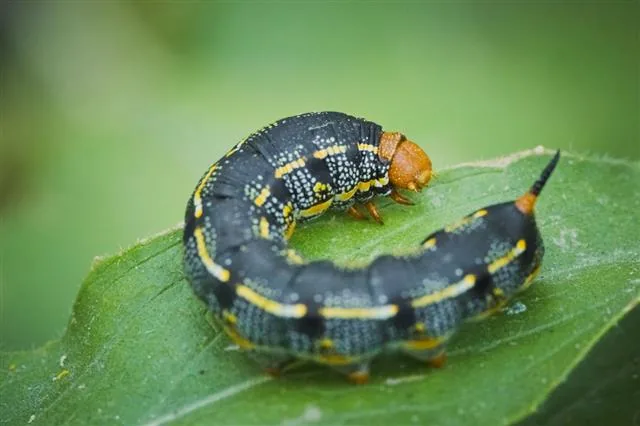
The larval forms of moths and butterflies are known as caterpillars. Most caterpillars feed on plants. A few are entomophagous, that means they eat other insects instead! Caterpillars have a tubular body that is divided into segments.
Different Life Cycle Stages
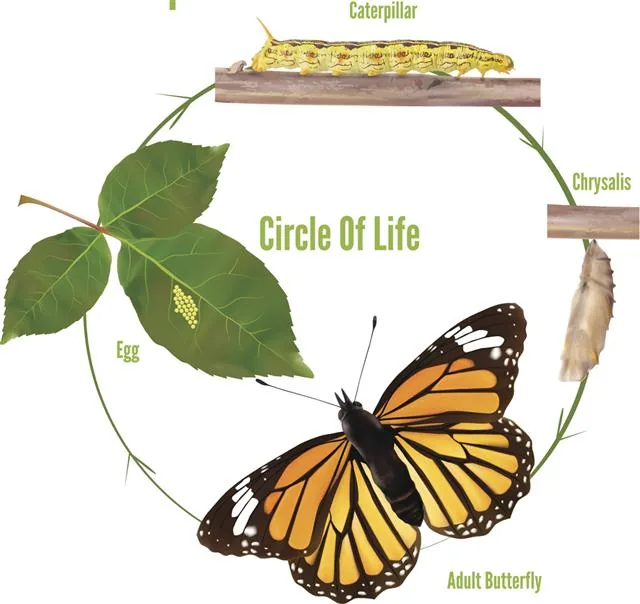
The caterpillar is the second phase in the life cycle of a butterfly. The other phases are: eggs (first phase), pupae (third phase), and the adult butterfly (fourth and final phase). How long does the whole cycle take? It can be anything from a single month to a complete year, depending on the species. Below is each stage explained in detail.
Mini activity
Life Cycle Wheel
Choose the four stages in order and watch the wheel fill in.
- 1Stage 1
- 2Stage 2
- 3Stage 3
- 4Stage 4
Pick the first stage in the life cycle.
Egg Phase
This is the first phase in the caterpillar life cycle. Eggs come in many shapes, round, cylindrical, oval, and more. They are usually laid on plant leaves. Females can also lay eggs on stems. Placing eggs on leaves makes sense: the hatching caterpillar gets a meal straight away!
Each egg is protected by a hard outer shell called the chorion. A thin coat of wax on the inside of the chorion stops the egg from drying out. The egg phase generally lasts a few weeks. Eggs laid in winter go through a resting phase and only hatch when spring arrives.
Caterpillar Phase
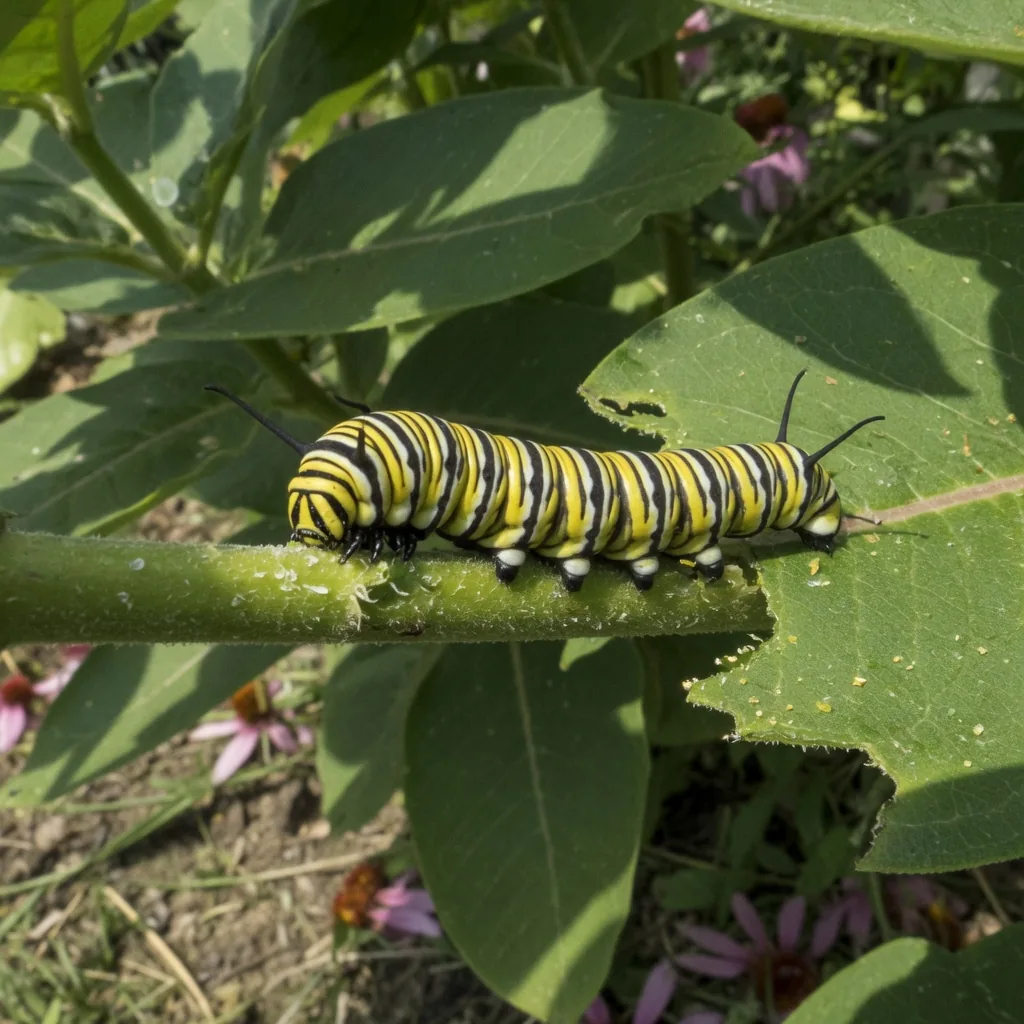
Caterpillars are hungry eaters and spend most of their time munching plant leaves. They grow through several stages called instars. At the end of each instar, the caterpillar sheds its outer skin, a process called apolysis. That outer layer is the cuticle, made of protein and chitin. Each shed allows the caterpillar to grow bigger.
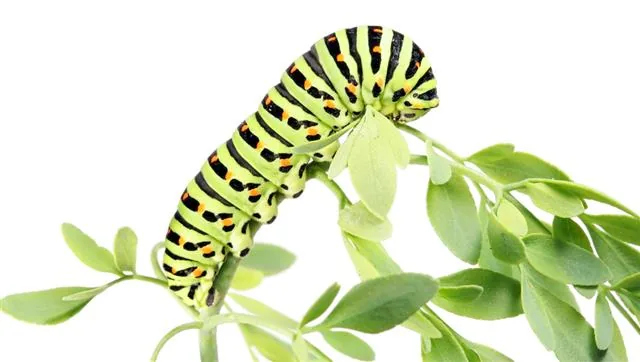
A butterfly caterpillar has two types of legs. There are 3 pairs of pointed true legs near the head, and up to 6 pairs of stubby prolegs along the abdomen. Some caterpillars also have special organs called osmeteria, which pop out and release smelly chemicals to scare off predators.
Wing disks form on the second and third segments of the thorax. They grow quickly after the final instar phase. When the time comes, the haemolymph (insect "blood") pushes the wings out through the epidermis.
Test Your Life Cycle Knowledge!
5 quick questions about eggs, instars, chrysalises, and more.
Pupal Phase
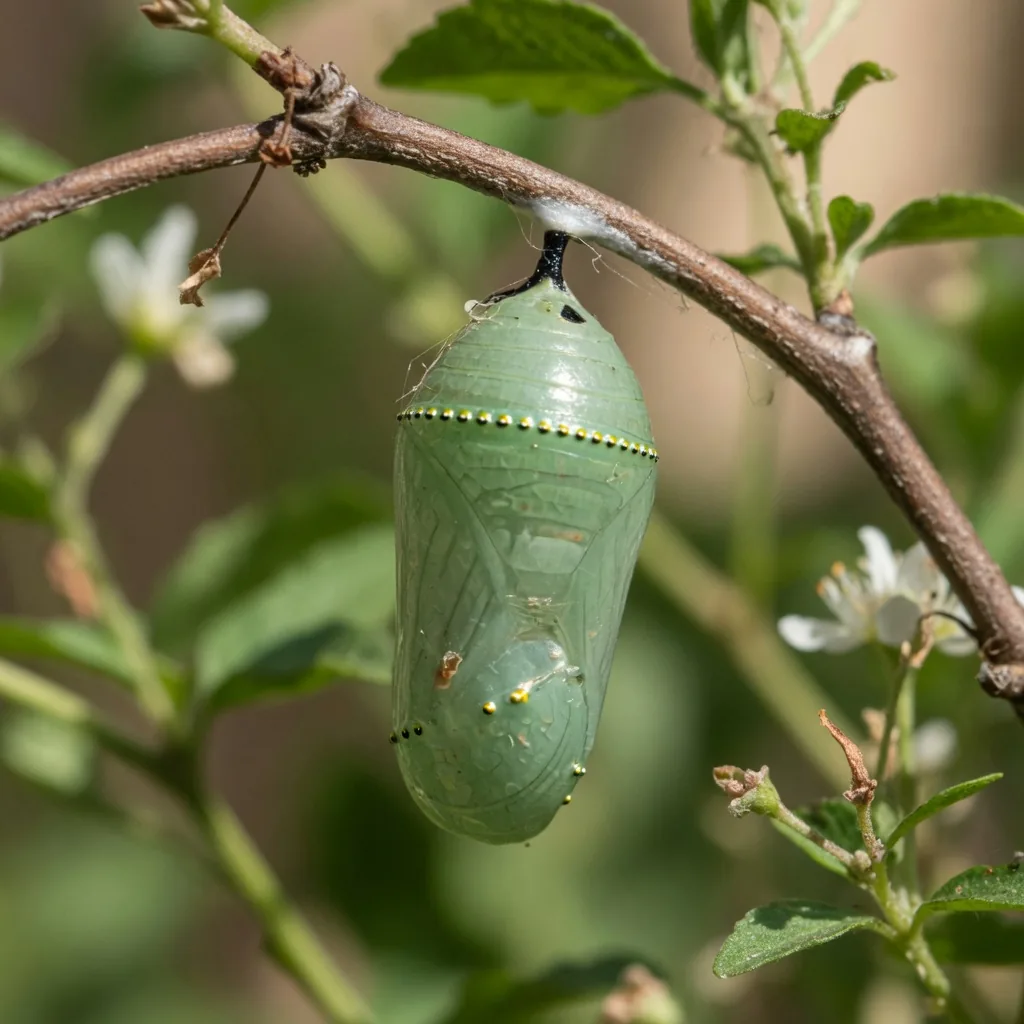
The pupa is the stage between the larva and the adult butterfly. When a caterpillar is ready to pupate, it stops eating and finds a safe surface to perform its final molt. As the pupal stage begins, a hormone called PTTH (prothoracicotropic hormone) is released. The wings grow rapidly inside and need lots of nutrients. To keep predators away, pupae can even make special sounds!
Adult/Butterfly Phase
The fully developed adult butterfly is called the imago. When it breaks out of the chrysalis, its wings are soft and crumpled. It takes about 3-4 hours for the wings to dry out and unfold fully. Only then can the imago fly properly.
Interesting Caterpillar Facts
Caterpillars breathe through small openings called spiracles. These are found along the sides of the abdomen and thorax, not through a nose or mouth!
The total number of muscles in a caterpillar's body is 4,000. The head segment alone has 248 muscles. That's remarkable for such a small creature.
Caterpillars have poor vision. On each side of the head there are six tiny eyelets called stemmata. They can sense light and dark, but caterpillars mostly rely on touch and smell to explore their world.
Some caterpillars can detect vibrations at specific frequencies. The Drepana arcuata caterpillar (Hook-tip moth) even protects its silk nest by producing sound waves to scare away rivals.
Frequently Asked Questions
What are the four stages of a caterpillar's life cycle?
Egg, caterpillar (larva), pupa (chrysalis), and adult butterfly or moth (imago).
How long does the egg phase last?
The egg phase generally lasts a few weeks, though eggs laid in winter may stay dormant until spring.
What does a caterpillar eat?
Most caterpillars eat plant leaves. A small number are entomophagous, they eat other insects.
How long does it take a butterfly's wings to dry after emerging?
About 3-4 hours. The wings must fully unfold before the butterfly can fly.
A few caterpillar species are poisonous. They can shoot toxic acids at predators to defend themselves.
The caterpillar life cycle gives us a window into the amazing world of butterflies and moths. There is so much more to discover about these tiny creatures, what you have read above is just the beginning!
Explore More Animals
 Four Growth Stages of a ButterflyHow does a caterpillar that comes out of a tiny egg, metamorphose into a butterfly with magnificently artistic designs on its wings? This article will tell you
 Utterly Fascinating Information About Butterfly MetamorphosisA complete change of physical form starting from the egg, to a larva, then a chrysalis, and then a gorgeous butterfly, discover the four amazing stages of butt
 A Visual Guide to Caterpillar IdentificationIdentify caterpillars by family, loopers, hornworms, woolly bears, swallowtails and more. A visual field guide to common moth and butterfly larvae and their te
 These Facts About Tobacco Hornworms Will Simply Leave You BaffledTobacco hornworms are 70-millimeter caterpillars that can defoliate an entire tobacco plant. Discover their life cycle, habitat, diet, and how to tell them apar

 Fun fact for today!A caterpillar's body has up to 4,000 muscles, far more than the human body's 650!