

Centipedes are famous for their creepy looks. They have lots of legs, move in quick darting bursts, and can give a nasty bite. The word "centipede" means "hundred-legged." That name fits, but it is not quite right for every species. The number of legs can range between twenty to above three hundred, depending on the age and the species. There are around 8000 species of centipedes found in a wide range of habitats around the globe. Centipede bites can be fatal for kids and those who are prone to develop allergic reactions, so it is important to leave them alone.
Centipedes are Chilopods, Not Insects
People often call centipedes insects, but that is not correct. They are chilopods. They belong to the class Chilopoda, of phylum Arthropoda. Insects are also from the phylum Arthropoda, but they belong to the class Insecta. So both centipedes and insects share the same phylum, but they belong to different classes and have different traits.
Unlike insects (most adult insects have six legs) centipedes have numerous legs. Centipedes also do not have the waxy cuticle around their exoskeleton that is found in most insects and arachnids.
A Segmented Body, Numerous Pairs of Legs
A centipede's body is flat and divided into segments. Each segment carries a pair of jointed legs. The number of legs varies from one species to another. In some species, young centipedes have fewer segments and legs than adults. On an average, centipedes are found to have 15 to 35 pairs of legs.
Members of some species of centipede have around 177 pairs. Each pair of legs is longer than the pair in front of it. The first pair is modified into pincer-like structures. The last pair acts like antennae with sensory bristles. The head carries a pair of antennae, two elongated mandibles, and four maxillae.
Centipedes Can Shed and Regrow Legs
In certain centipede species, the larvae have fewer legs than adults. After every molting, the number of segments and legs increases until the centipede reaches adulthood. The increase in segments and legs varies with different species. While some species develop around 15 pairs of legs after five to six successive molts, the number may be much higher for certain other species.
In some cases, young centipedes are born with all pairs of legs, and molting does not cause any further increase in the number of legs. When a predator attacks, centipedes may drop their legs and escape. This is one of their common methods of escape. Juveniles can fully regrow the lost legs, whereas in adults, the regrown legs may have a stunted look.
It is believed that the number of remaining molts in the life of a centipede affects its ability to regrow lost legs. Adults have fewer molts left, so they develop shorter replacement legs.
Where They Live and What They Look Like
Centipedes are found almost everywhere in the world, except Antarctica. They need moist conditions to survive, so you'll most likely spot them in bathrooms or under the kitchen sink. Though they look like insects, they are actually animals. They can grow up to 30 centimeters long. Their colors range from brown and gray to greenish-blue and red.
Most centipedes don't have eyes, so they rely on their other organs when hunting. A centipede's bite is not fatal, but it can cause allergic reactions in some people. They have even become popular pets in Japan. All of this makes their eating habits well worth exploring.
Centipedes are Venomous, Have Fangs
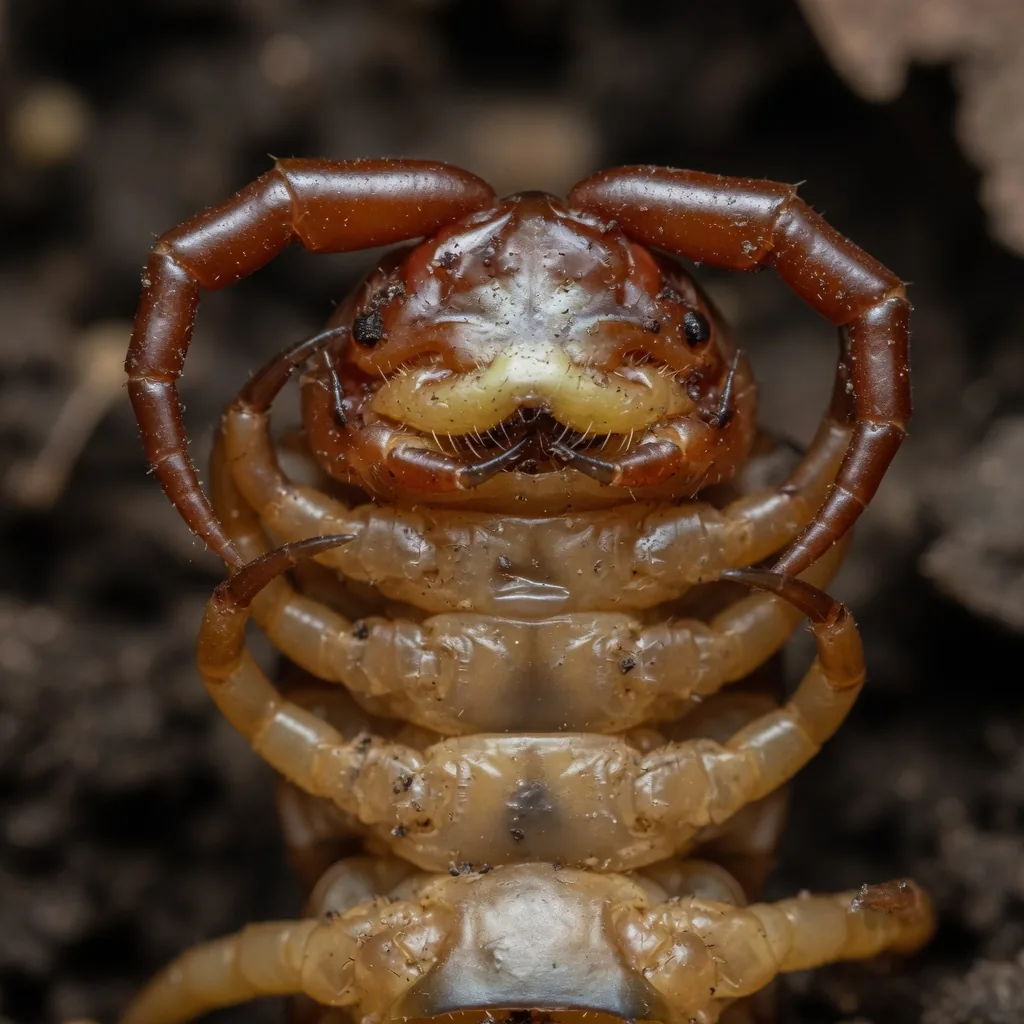
Centipedes are venomous and can inflict painful bites. The first pair of legs are modified into pincer-like claws located just beneath the head, covering the mouth. These structures house the venom glands that run to the tip of each claw. The pincers are used to hold prey and inject venom that can paralyze or kill it. These structures are called forcipules and may look like mouth parts, but they are actually legs.
Centipede venom may not be life-threatening for humans, except for kids and those who are prone to develop allergic reactions. People in that group may develop severe allergic reactions, including anaphylactic shock. In general, a centipede bite can cause pain, swelling, sensitivity, and extreme discomfort.
What Do Centipedes Eat in the Wild?
Centipedes are nocturnal, meaning they hunt during the night. During the day, they hide in cracks in your bathroom wall or in any area that is moist and humid. Research shows that these small crawlies eat anything that is soft-bodied and fits in their mouth. The two front legs of a centipede act like fangs. These legs contain venom, which they use on their prey, so they hunt and eat with those front legs. Centipedes generally wrap themselves around their prey and patiently wait for the venom to take effect.
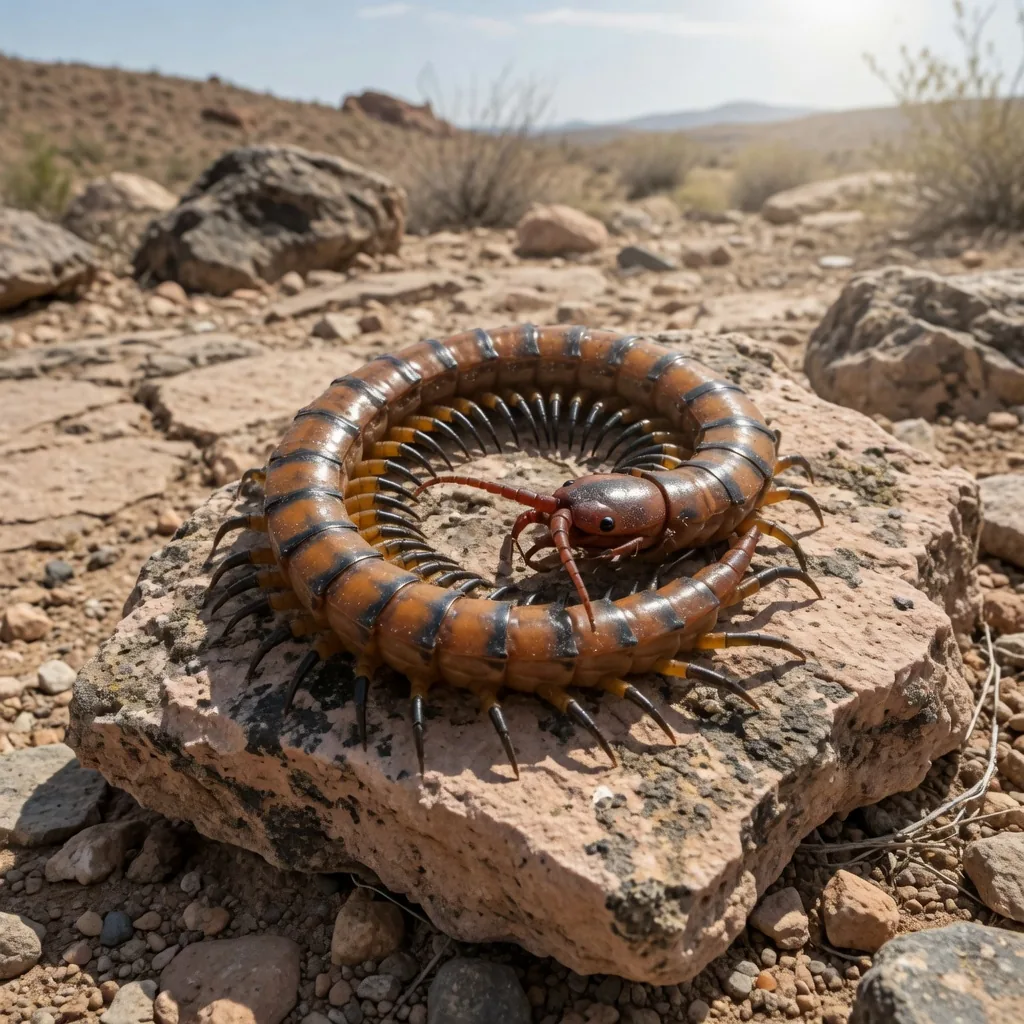
Based on their habitat and living conditions, most centipedes in the wild feed on:
- Spiders
- Snakes
- Lizards
- Frogs
- Mice
- Birds
- Bats
- Earthworms
- Reptiles
- Rodents
Centipedes dry out easily, which is why they prefer moist and humid places. But they get much of their water content from the prey they eat.
Take the Centipede Facts Quiz!
8 quick questions. Find out what you really know about these many-legged hunters.
What Do Centipedes Eat in Gardens and as Pets?
Many people keep house centipedes as pets because these small animals help get rid of various pests that can infest your home. They thrive on insects that are a nuisance in your garden. Some of the food items you can include in a pet centipede's diet are:
- Spiders
- Cockroaches
- Crickets
- Moths
- Flies
- Pill bugs
- Earthworms
- Bed bugs
- Pinky mice
- Silverfish
It's important to note that centipedes eat dead food too, so you can buy commercial crickets, roaches, or earthworms from a pet store. Feed them using a pair of tweezers, and always remember: the food item should be no longer than half the centipede's own body length.
Even though centipedes get much of their moisture from prey, they still need a separate water source in their enclosure. You can use daily misting, a water dish, or even a bottle cap. Or pick up a small dish from the pet store.
Frequently Asked Questions
Are centipedes insects?
No, centipedes are chilopods, belonging to class Chilopoda, not class Insecta.
Do centipedes really have 100 legs?
Not always. The number of legs ranges from 20 to over 300 depending on species and age, and the count always comes in an odd number of pairs.
What do centipedes eat?
Centipedes are carnivores. In the wild they hunt spiders, snakes, lizards, frogs, mice, birds, bats, earthworms and other small creatures. Pet centipedes are fed insects such as crickets, cockroaches, moths and earthworms.
Are centipede bites dangerous?
They are venomous and bites can be painful, but are rarely life-threatening to healthy adults. Children and those prone to allergic reactions should seek medical attention.
Can centipedes regrow lost legs?
Yes. Juvenile centipedes can fully regrow lost legs; adults can regrow them too but the new legs may be shorter.
What is the largest centipede in the world?
The Amazonian giant centipede (Scolopendra gigantea), which can reach about 30 centimeters in length.
Digestion
Centipedes have a tube-like digestive system. The digestive glands are located in the mouth itself. Food is broken down in the foregut, digested in the midgut, and the waste is expelled through two Malpighian tubules.
Respiration
Each segment of the centipede carries a tiny opening called a spiracle. Centipedes breathe through these openings. The spiracles connect to tubes called tracheae that carry oxygen throughout the body.
Reproduction
Centipede reproduction does not involve copulation. Males deposit sperm in a self-made web. Females absorb the sperm to fertilize their eggs. The eggs are usually laid in holes in the soil. In some species, the females leave the eggs to hatch on their own. In others, the females take care of both the eggs and the young ones.
Explore More Animals
 Startling Facts About Daddy Long-legs SpidersDaddy long-legs spiders are characterized by exceptionally long legs, in proportion to their tiny bodies. They are among the most widely found spiders in any ho
 Leech Facts: Amazing Things You Never KnewLeeches have 32 brains, painless bites, and a history in medicine going back centuries. Discover surprising leech facts, a quiz, and much more.
 Gripping Facts About the Largest Spiders in the WorldTwo spiders share the title of world's largest: the Goliath birdeater (heaviest) and the giant huntsman (longest leg span). Discover the facts, quiz, and more.
 Extremely Rare and Unique Desert Insects You Didn't Know ExistedThe silent surroundings of the desert may give us a feeling that no living thing exists there, but there are various kinds of insects living in the desert that
Learn More About Centipedes
Body Color
Most centipedes have a reddish-brown body. Some tropical species are bright red, orange, or blue. Certain species (especially those that live underground) may have no body color at all because they lack pigmentation.
Body Size
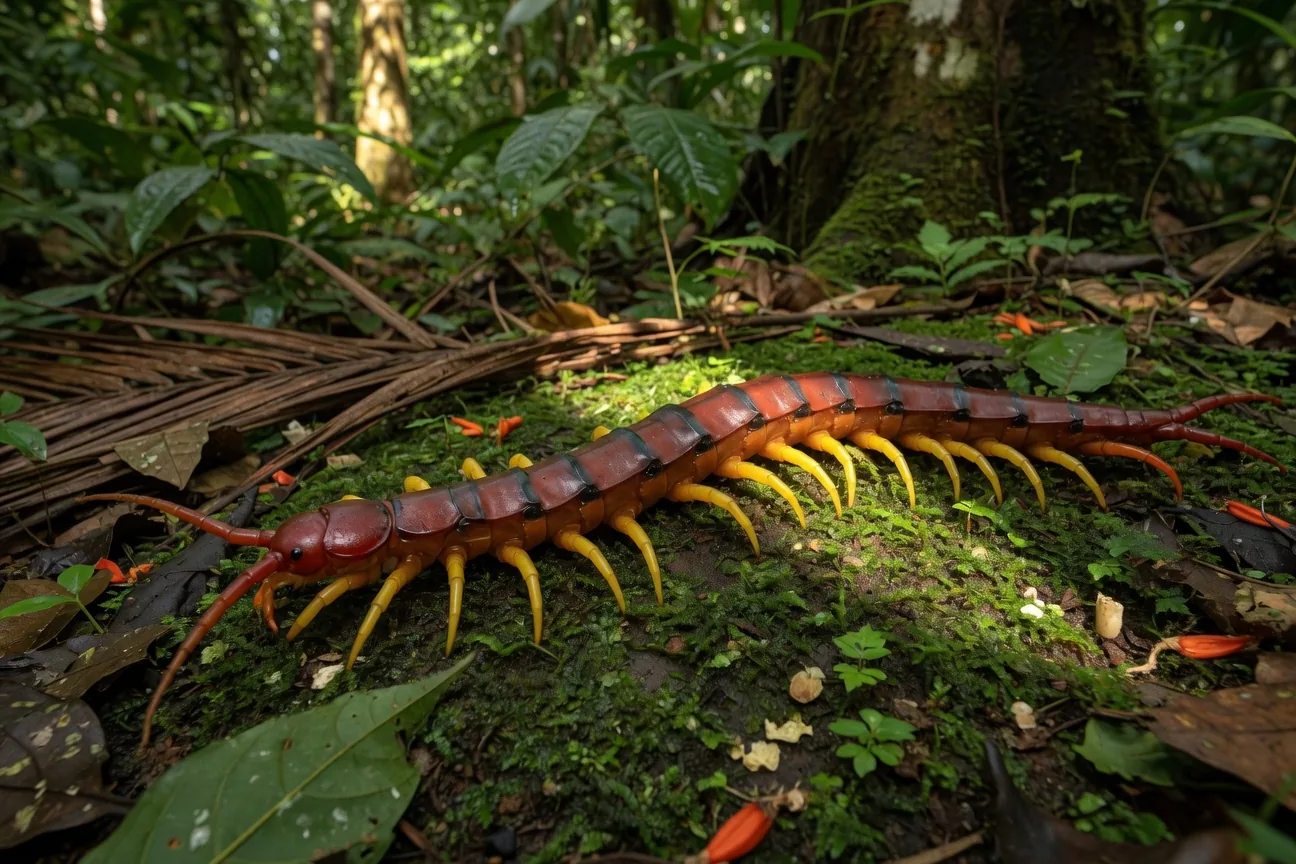
Centipede size varies a lot from species to species. It can be anywhere between a few millimeters to around thirty centimeters. The largest centipede in the world is Scolopendra gigantea, also known as the Amazonian giant centipede. It can grow to a length of around 30 centimeters.
Sense Organs
Some centipede species have compound eyes located near the base of the antennae. In others, eyes are totally absent. Certain species have specialized, disc-shaped organs at the base of the antennae that act like sense organs instead.
Very Agile
Centipedes can move so swiftly and rapidly that they are believed to be amongst the fastest-moving, non-flying arthropods.
Highly Adaptable
Centipedes can adapt to a wide range of habitats, ranging from deserts to mountainous regions and tropical rainforests.
Prone to Water Loss
Centipedes do not have a waxy cuticle around their body, so they lose water easily. This is why they are mostly found in dark, moist locations, often beneath logs, stones, and leaf litter.
Carnivorous in Nature
They are carnivores that feed on soft-bodied insects, worms, slugs, and even other centipedes. Some larger species feed on small birds and frogs. Certain species eat decaying plants when food is hard to find.
As per fossil evidences, centipedes are considered one of the earliest terrestrial animals. It is estimated that around 8000 species of centipedes exist on the Earth, but only 3000 species have been described till date. These creatures are found across the globe, except Antarctica, and they have a long lifespan of around five to seven years.
Centipede bites are not usually fatal, but some people may develop complications. If you are bitten, wash the area with soap and water and contact your health care provider. Seek immediate medical attention if you develop allergic reactions. This is especially important for kids, as they are more prone to develop complications from centipede bites. So don't underestimate their small size, these little fellas are a force to reckon with.

 Fun fact for today!Centipedes always have an odd number of leg pairs, so no centipede ever has exactly 100 legs!