

Curious about the different types of cichlids? Just scroll down and find out everything you need to know…
Cichlids are fish belonging to the Cichlidae family. They are part of a larger group called Labroidei, which also includes damselfish, wrasses, and surfperches. The Cichlidae family is enormous and varied, with at least 1,300 scientifically described species spread across more than 160 genera. They come in a huge range of colors, sizes, shapes, and behaviors. You can find them across the world, in Africa, Asia, and North and South America.
Facts About Cichlids
Because there are so many species, cichlids behave and live in all sorts of different ways. Most are herbivores (plant-eaters), but many eat both plants and animals. This flexibility is part of why they can survive in so many different places. Almost all cichlids live in freshwater, they rarely survive in salty ocean water.
In 2007, the IUCN Red List (the world's biggest record of threatened wildlife) found that about 156 cichlid species are vulnerable to extinction, 40 are endangered, and 69 are critically endangered. Sadly, 6 species (Haplochromis lividus, Haplochromis ishmaeli, Haplochromis perrieri, Platytaeniodus degeni, Paretroplus menarambo, and Yssichromis sp. nov. argens) have gone completely extinct in the wild.
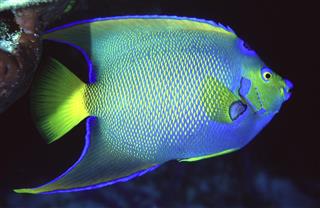
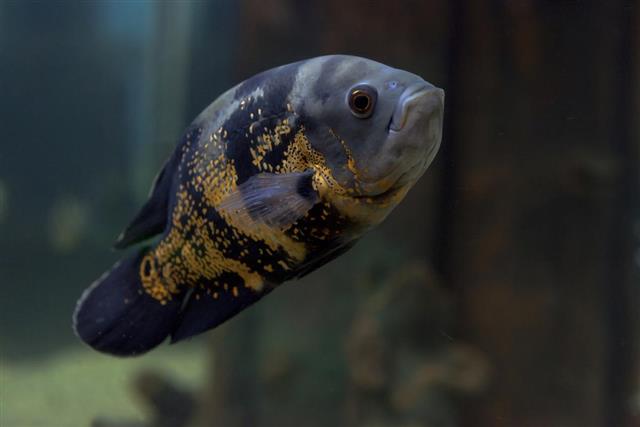
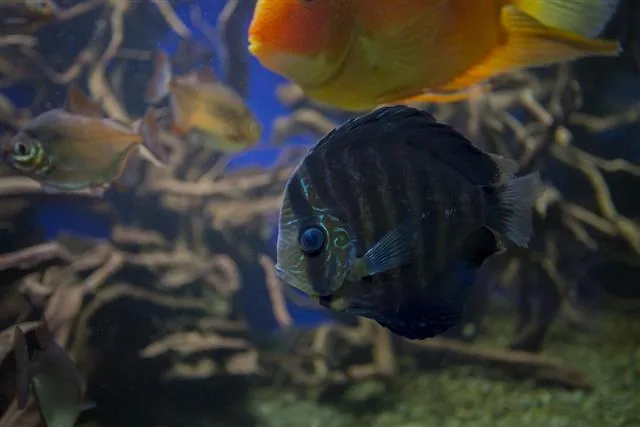
Most cichlids are small, and many are caught as game fish or farmed for food. But many people keep cichlids as pets and love them for their striking colors and interesting behavior. The most popular aquarium cichlids are angelfish, Oscar fish, and discus fish.
Take the Cichlid Champions Quiz!
5 quick questions on the most colorful fish family on Earth. How many can you get?
African Species
Most of the cichlids you see in pet shops come from African rivers and lakes. Below is a list of the African species, grouped by where they live.
Lake Malawi
Lake Malawi is the 9th largest lake in the world. It sits on the borders of Malawi, Tanzania, and Mozambique. You can find more than 280 scientifically described cichlid species here. The biggest group is the Haplochromines, with more than 120 species across 48 genera.
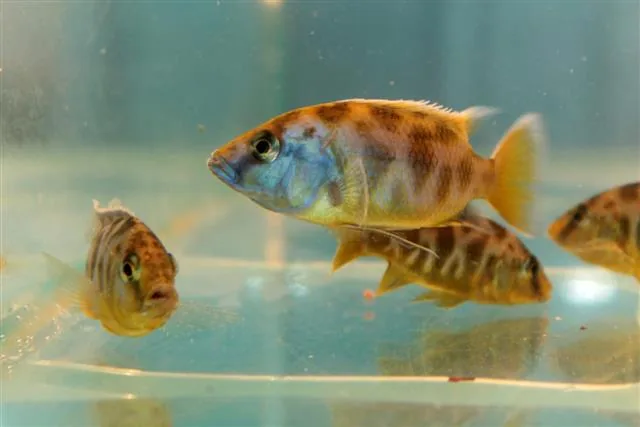
- Big-lipped Cichlid
- Moori or Blue Dolphin Cichlid
- Malawi Eye-biter
- Linni or Elephant-nose Cichlid
- Livingstoni
- Polystigma
- Venustus
- Deep-Water Haplo
- Electric Blue Haplo
Mbuna Group of Cichilds
- Red-dorsal Afra, Dogtooth Cichlid
- Fuelleborn’s Cichlid, Fuelleborni
- Trewavas Cichlid, Red-finned Cichlid
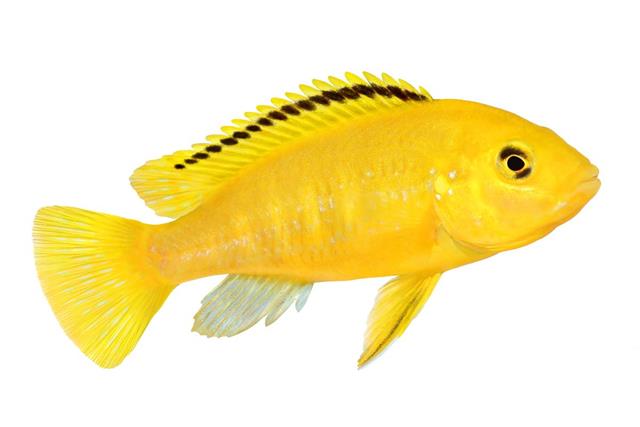
- Electric Yellow Mbuna, Lion’s Cove Yellow
- Malawi Golden Cichlid
- Johann’s Mbuna
- Parallel-striped Mbuna
- Purple Mbuna
- Aurora Cichlid
- Bumblebee Mbuna or Hornet Cichlid
- Elongatus, Slender Mbuna
- Snail Shell Mbuna
- Kennyi
- Eduard’s Mbuna
- Zebra Mbuna, Zebra Malawi Cichlid, Cobalt Blue Cichlid or Nyasa Blue Cichlid
Peacock Group
- Baensch’s Peacock, Yellow Peacock Cichlid or Sunshine Peacock Cichlid
- Red Shoulder Malawi Peacock
- Lake Malawi Butterfly Cichlid
Lake Tanganyika
Lake Tanganyika is the longest lake in the world. It runs along the border between Congo and Tanzania, deep in the Great Rift Valley. More than 150 species from over 50 genera live here. Many of them are naturally aggressive fish.
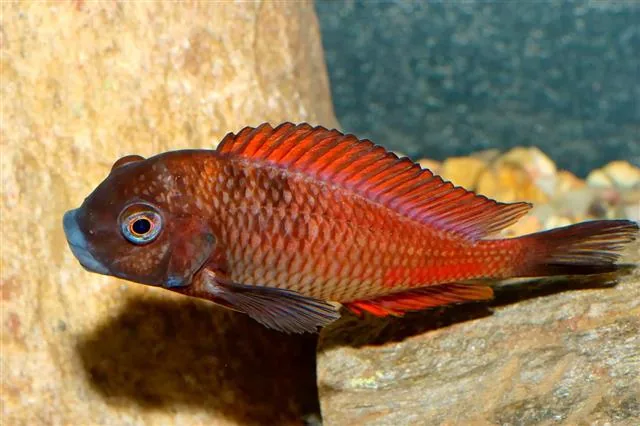
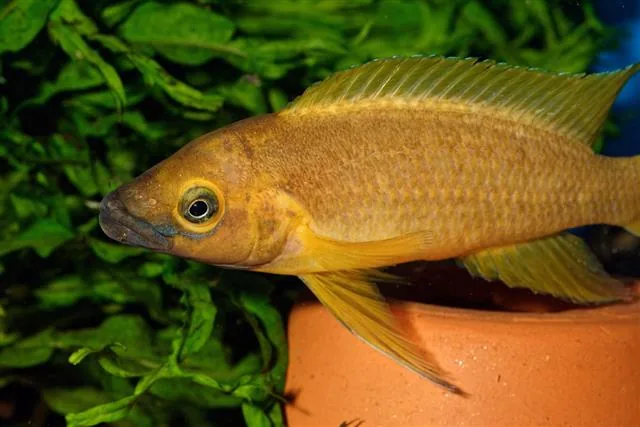
- Pearly Compressiceps
- Compressiceps
- Frontosa
- Black-finned Slender Cichlid
- Striped Clown Goby, Striped Goby Cichlid, Tanganyika Clown
- Dickfeld’s Juli
- Checkerboard Julie
- Golden Julie or Ornate Julie
- Regan’s Julie or Striped Julie
- Masked Julie or Black-and-White Julie
- Fairy Cichlid
- Daffodil Brichardi
- Lemon Cichlid
- Elongated Lemon Cichlid
- Ocellated Shell-dweller
- Pearl-lined Lamprologus
- Five-bar Cichlid
- Otostigma, Tripod Cichlid
- Blue-eyed Tropheus
- Duboisi
- Blunt-headed Cichlid
- Poll’s Tropheus
- Aulonocara
- Lamprichthys
- Synodontis
- Afromastacembelus
Cavity Brooder Group of Cichlids
- Altolamprologus
- Lamprologus
- Julidochromis
- Neolamprologus
Mouth Brooder Group of Cichlids
- Cyphotilapia
- Cyprichromis
- Eretmodus
- Tropheus
- Xenotilapia
Other African Cichlids
Cichlids are not limited to just the famous lakes. A wide variety of species also live in other African waterways, including the Nile, Niger, Zambezi, and Zaire Rivers; lakes Albert, Victoria, and Volta; the coastal rivers of Sierra Leone; and the Okavango River Delta and the rainforests of Central Africa. These include:
- African Butterfly Cichlid
- Zebra Haplochromis
- Two-spotted Jewel Cichlid
- Blood-red Jewel Cichlid
- Purple Cichlid or the Common Krib
- African Blockhead or Lumphead Cichlid
- Zebra Tilapia
- Clown Tilapia
North American Species
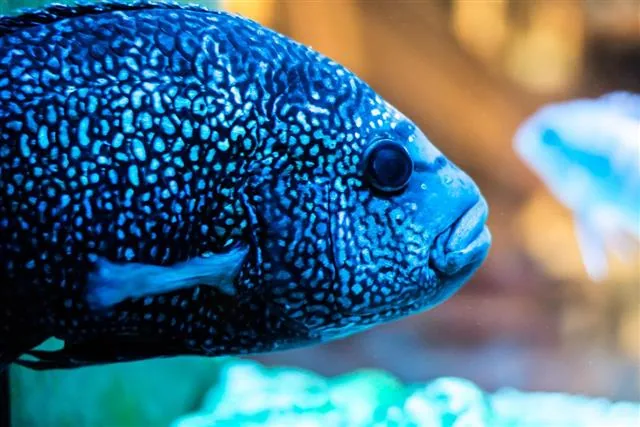
American cichlids are famous for their bold behavior and amazing colors. They tend to be larger fish, so they need bigger tanks. The most common group in North American waters is the cichlasomines. These fish are known for being aggressive and territorial. If you keep them, give each male plenty of space to call his own, otherwise they will fight. Rainbow cichlids also live in North American waterways.
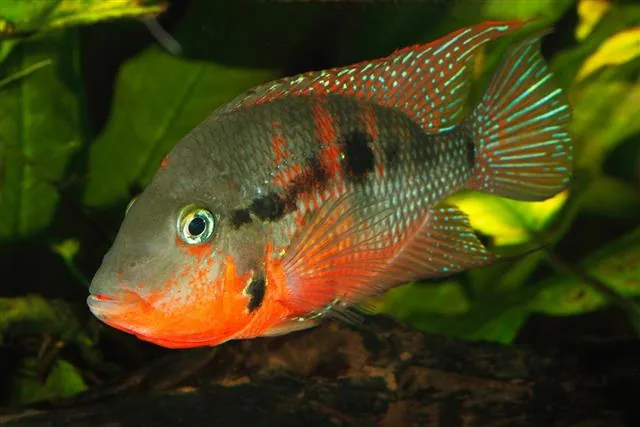
Cichlasomines : Thorichthys Group
- Firemouth Cichlid
Cichlasomines : Archocentrus Group
- Convict Cichlid
Cichlasomines : Henrichthys Group
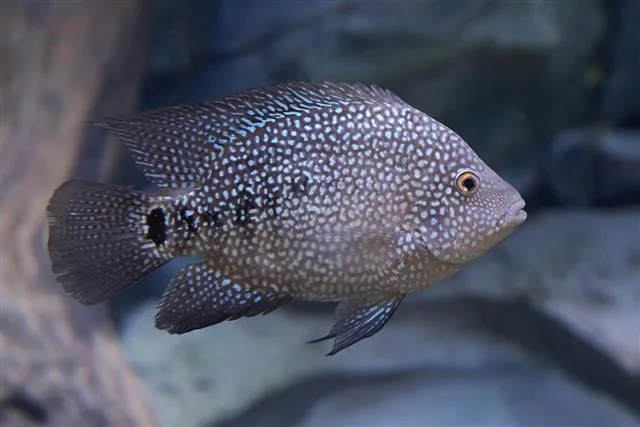
- Pearlscale Cichlid
- Texas Cichlid
Cichlasomines : Amphilophus Group
- Midas Cichlid
- Large Lipped Cichlid
- Long Fin Cichlid
Nandopsis Group
- Friedrichsthali
- Jaguar Cichlid
- Jack Dempsey
- Salvin’s Cichlid or Tricolor Cichlid
Cichlasomines : Theraps Group
- Red-spotted Cichlid
- Black Belt Cichlid
- Nicaragua Cichlid
- Quetzal Cichlid or Red-headed Cichlid
South American Cichlid Species
South American rivers and lakes are home to roughly 225 cichlid species, with scientists estimating the real number may be around 300. More than 75% of them live in the mighty Amazon river basin.
Frequently Asked Questions
How many species of cichlid are there?
At least 1,300 scientifically described species, in more than 160 genera.
Do cichlids live in salt or fresh water?
Almost all cichlids are freshwater fish. They rarely survive in saltwater.
Which lake has the most cichlids?
Lake Malawi, with more than 280 described cichlid species.
What are some popular pet cichlids?
Angelfish, the Oscar (velvet cichlid), and discus fish are among the most popular.
- Oscar fish or Velvet Cichlid
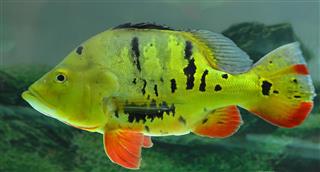
- Peacock Bass
- Festa’s Cichlid
- Port Acara or Black Acara
- Pike Cichlid
- Banded Cichlid
- Festive Cichlid
Acara Cichlids
- Blue Acara
- Green Terror or Rivulatus
- Saddle Cichlid or Two-spot Acara
- Keyhole Cichlid
- Flag Acara
- Golden Dwarf Cichlid
New World Dwarf Cichlids
- Agassiz’s Dwarf Cichlid
- Yellow Dwarf Cichlid
- Cockatoo Dwarf Cichlid
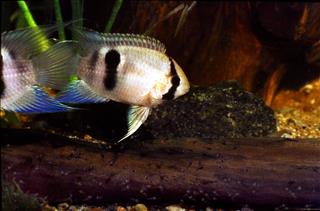
- Three-Stripe Dwarf Cichlid
- Ramirez’ Dwarf Cichlid
Angel Cichlid Species
- Angelfish
- Altum Angelfish
Discus Cichlid Species
- Brown Discus Fish
- Green Discus
- Royal Blue Discus
- Heckle Discus or Pompadour Fish
- Waroo or Triangle Cichlid
Eartheater Cichlis Species
- Cupid Cichlid
- Pearl Cichlid or Mother-of-Pearl Eartheater
- Red hump Eartheater
- Paraguay Mouthbrooder
- Demon Fish
Asian Species
Only two or three cichlid species live in Asia. They make their home in the slightly salty lagoons along the coasts of India and Sri Lanka.
- Orange Chromide
- Green Chromide or Banded Chromide
Because cichlids are so different in size, behavior, and diet, it is best to choose a species that suits your local conditions. If you are keeping cichlids as pets, make sure your fish tank has the right setup, clean water, the correct pH level and temperature, and a suitable gravel or substrate on the bottom. A happy tank means happy fish!
Explore More Animals
 Types of FishThere are over 32,000 species of fish, more than all other vertebrates combined. Discover how fish are classified by species and habitat, plus the fish we keep
 What Do Fish Eat? A Guide to Fish DietsA great diversity is observed in the diet of fish depending on the types and species. Some fish are even herbivorous! Here are the details of the diet of differ
 African Antelope: Species, Sizes, Facts and PhotosThe complete kids' guide to African antelope, meet 19 amazing species from the mighty eland to the tiny royal antelope, see how big they get, explore the full
 A Stunning List of Different Species of Chameleons With PicturesDiscover 9 fascinating chameleon species, from the vibrant Panther to the tiny Pygmy. Learn how chameleons really change color, where each species lives, and w

 Fun fact for today!Cichlids include some of the brightest freshwater fish on Earth — and a few, like the Oscar, are clever enough to learn their owner’s face!