

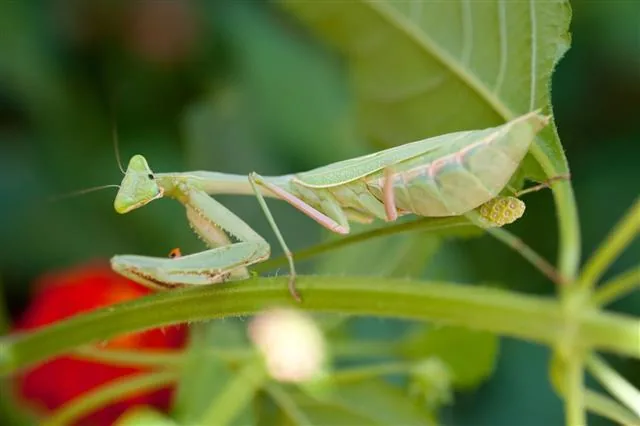
Desert insects are well-evolved and suited for handling rough conditions in deserts. How they evolved depends on factors like temperature, sand, and the availability of water. They have adapted to every ecological condition that is characteristic of a desert. Some insects blend so well with their surroundings that they are hardly visible. They make their homes in plants, sand, soil, and rocks. There are different species of ants, bees, beetles, and spiders in the desert. These vary in terms of shape, size, color, habitat, and diet. They also have different kinds of life cycles and behavior.
Body Structure
Every insect has a head, a thorax, and an abdomen. The head includes eyes, antennae, and a mouth. The thorax (also known as the middle body segment) includes wings and six jointed legs. The abdominal area holds the heart, digestive tract, and reproductive organs. The outer covering of a desert insect is hard and made of a tough waterproof substance called chitin. Some insects also have a semi-transparent outer covering. It is made in a way that traps moisture inside the body, so the insects lose less water through evaporation than other animals do.
Breathing Mechanism
When a desert insect breathes, it does not exhale continuously like human beings do. It waits until carbon dioxide builds up enough in its body before breathing out. This means it loses as little water as possible. Most desert insects do not drink water at all, since they get the moisture they need from the food that they eat. Because of this (and the fact that they lose so little water) they can survive easily in harsh desert conditions.
Life Cycle
Some desert insects have a very specific life cycle. They lay eggs underground, and those eggs hatch when rain arrives in the region. In the rainy season, many short-lived plants grow, and the newly hatched insects feed on them. After hatching, the insects come out of the ground, grow up, and then lay their own eggs underground. The eggs wait for the next rains and follow the same cycle all over again.
Types of Desert Insects
Harvester Ants
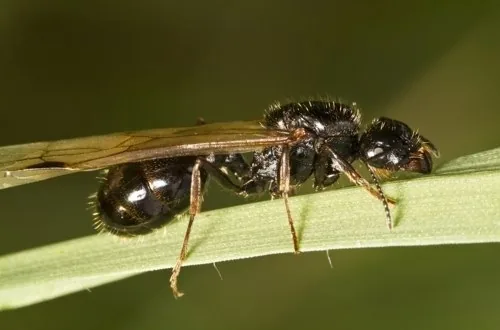
During the day, these ants search the desert for vegetation and plant seeds, then carry them back to their nest. These ants live in anthills. They discard waste from their food (such as seed coverings) around the entrance of the hill. The normal size of these ants is about half an inch. They are capable of delivering an extremely painful bite or sting.
Horse Lubber Grasshoppers
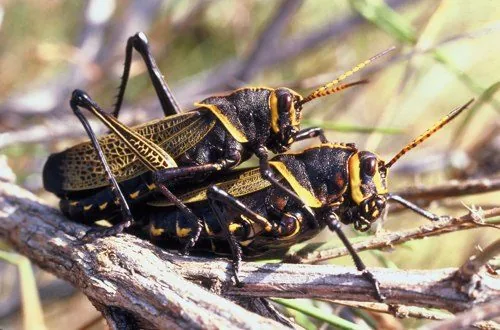
These grasshoppers are commonly seen in late summer. Unlike their grasshopper cousins, they make little effort to hide. Their normal size is 3 inches or more. The two strong back legs of these grasshoppers have a row of long, sharp spines that can give severe scratches. They generally feed on desert plants, but may even turn carnivores or cannibals depending on survival conditions.
Blister Beetles
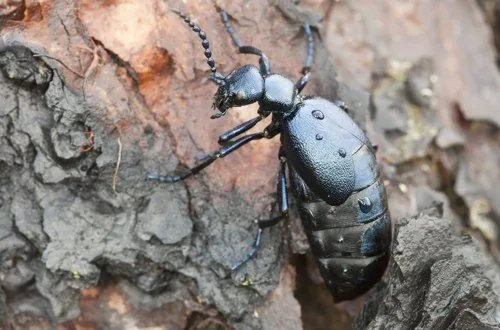
This beetle gets its name from its ability to release a liquid from its joints that causes severe blisters on skin. It is mostly colorful and looks harmless, but it can be quite dangerous. A typical blister beetle has an elongated and flexible body. The normal growth size ranges from half an inch to 1½ inches in length. It contains a toxic chemical compound called Cantharidin, which can poison domestic animals.
Take the Desert Insects Quiz!
5 quick questions. How much do you really know about these desert survivors?
Walking Sticks
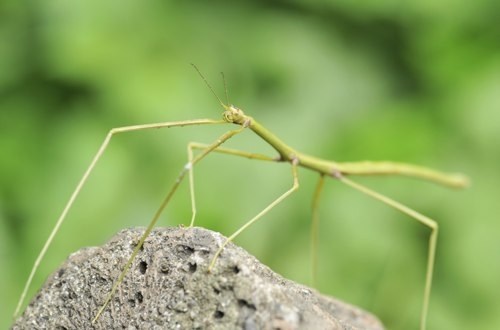
These are among the most fascinating insects found in the desert. There are many species of walking sticks, around a 1000 of them. They are slow-moving and strange-looking insects that feed on plants. They are well-known for their camouflage ability and become almost invisible to predators. They are also known as witch's horse, devil's horse, devil's darning needle, and specter. Their sex ratio is very unbalanced: only one in every 1,000 walking sticks is a male. Their size can vary from half an inch to 13 inches. Their color is usually brown, green, or gray. They stay motionless during the day and are most active in the dark.
Black Widow Spiders
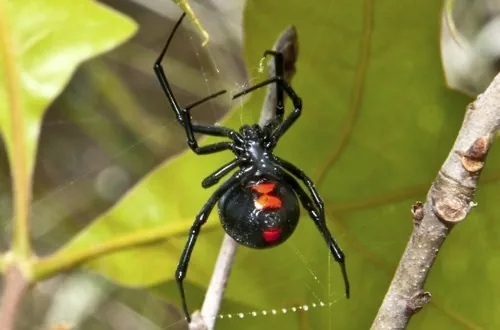
They are considered to be the most venomous spider in North America. Their venom is 15 times more poisonous than that of a Prairie rattlesnake. Only the female is harmful to humans. At times, females kill and eat the male after mating. They live in rocks, plants, debris, or ledges. Their normal size is 1 inch to 1½ inches. Their life span can be up to three years. The silk they produce is much rougher and stronger than that of normal spiders.
Scorpions
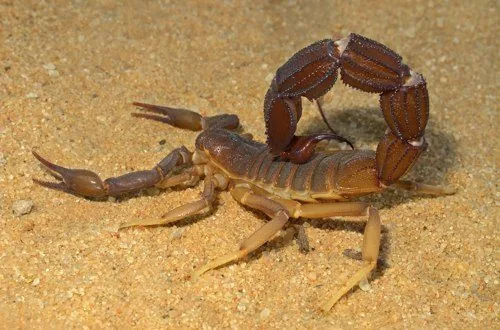
These are eight-legged invertebrates with an extended body and an upright tail that ends with the telson (sting). There are approximately 1,300 known species of scorpions in the world. The normal length of scorpions is between 2 to 3 inches. The longest scorpion in the world is the African Scorpion, which can grow up to eight inches. There is a greater diversity (about 60 species) of scorpions in California and Arizona. These prominent creatures of the desert biome hide in logs, cracks, rocks, and burrows.
Assassin Bugs
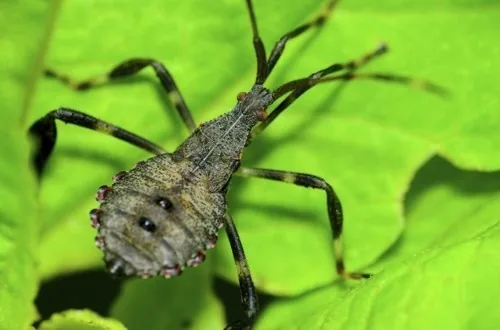
As the name suggests, these creatures are actual assassins. There are many species, each with its own particular hunting style. Some feed on insects while others may even feed on mammals and humans. Using their sharp beaks, these insects inject a poisonous substance into the victim that turns the tissues into liquid. Those liquefied tissues are then sucked back out through the same beak. If the victim is another insect, this poisonous substance may kill it in just a couple of seconds.
Dragonflies
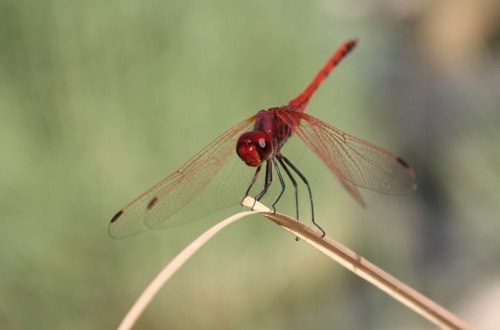
There are over a hundred types of dragonflies found in desert regions, each species with its own unique colors and physical features. Some even have natural metallic colors, which add to the beauty of these flying insects. Some of the most popular ones found in deserts are Desert Whitetail, Brimstone Clubtail, Painted Damsel, Filigree Skimmer, and many others. Almost all these species are skilled at aerial maneuvers and rapid flight.
Praying Mantis
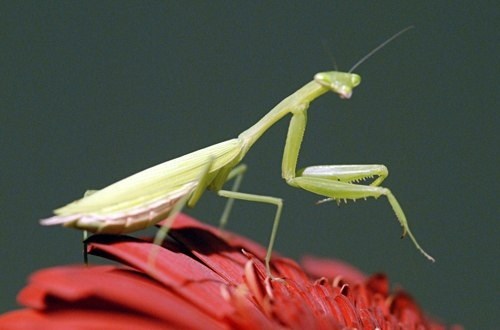
The name "praying mantis" comes from the prayer-like stance this insect adopts when resting. It uses extremely sharp eyesight to spot prey, which is usually other insects. At the same time, it uses its camouflage to stay hidden from both prey and enemies. One surprising fact: a female mantis eats the male during or after mating, using the extra protein to produce her eggs.
Brown Recluse Spiders
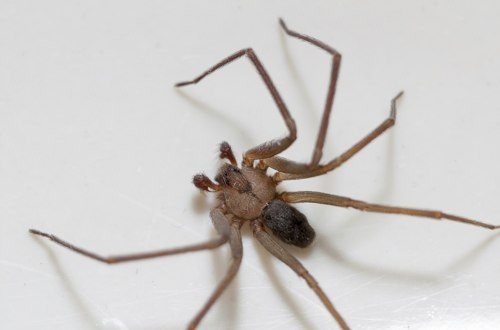
These six-eyed desert spiders have a poisonous bite. In the USA, they live in most of the southern regions. Their abdomen and legs have a uniform color, with legs that are longer in proportion to the body. On their backs, there is a violin-like mark, which is why they are also called violin spiders. These insects are known for being able to survive in tough conditions such as a lack of food and water.
There are many more desert insects that are yet to be discovered. While crossing a desert on foot, one would surely come across many different insects, some that may not have been seen before. Insects found in deserts have evolved significantly, making themselves more capable of handling harsh conditions.
Explore More Animals
 A Complete List of Desert Animals (With Pictures)Meet the hardy animals that survive the world's hot and cold deserts: camels, fennec foxes, meerkats, rattlesnakes, polar bears and dozens more, plus a close-up
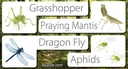 Types of Flying Insects With PicturesThe complete kids' guide to flying insects, every main order from dragonflies and beetles to bees and butterflies, how their bodies and wings work, the species
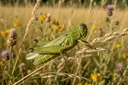 Grasshoppers: Habitat, Facts, Anatomy & Life CycleThe complete kids' guide to grasshoppers: where they live, what they eat, their 5 eyes and no ears, super-tough mandibles, record-breaking jumps, singing, and w
 Animals of the Gobi DesertGobi Desert is home to some of the most fascinating animals on Earth. Discover the Bactrian camel, Gobi bear, snow leopard, jerboa, and more, plus how they sur

 Fun fact for today!Desert insects don't drink water at all, they get all the moisture they need from the food they eat!