

There are four main types of earthworms: nightcrawlers, garden worms, manure worms, and red worms. A garden with earthworms is very different from one without them. These creatures help plants and vegetables grow in many ways. Soil is their main habitat. As they tunnel through it, the soil gets loosened. This lets air and water move through it easily, which plants love.
The tunnels that earthworms create act like tiny water tanks underground. Plants can reach into these tunnels to drink. The tunnels also hold air, which helps bacteria break down old leaves and other organic matter. Earthworms leave behind droppings called castings. These castings act like a natural fertiliser. They help soil hold onto moisture, make it more porous, and even help keep away pests and plant diseases.
Adaptation of Earthworms
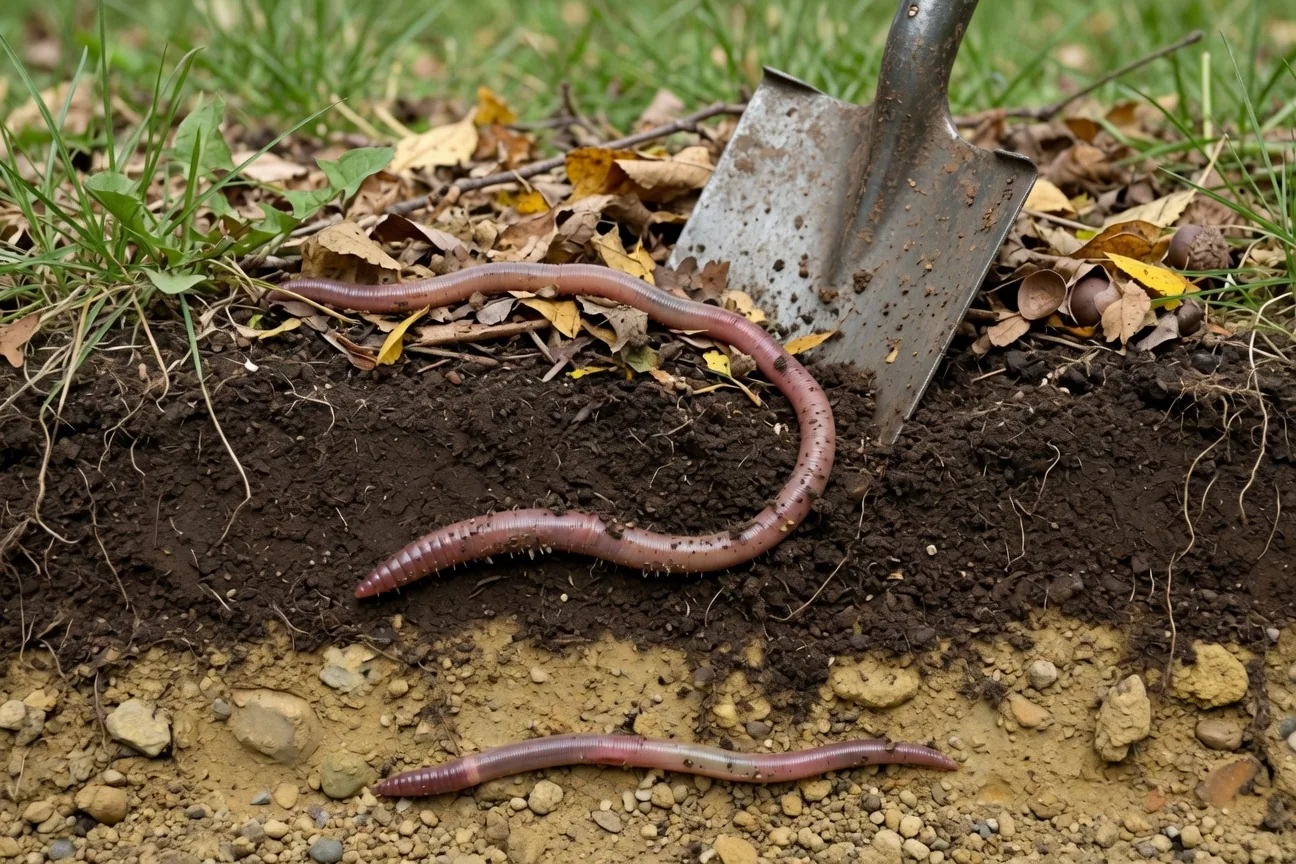
Moist soil is the main habitat of earthworms. Some species prefer mud, the kind you find along the shore of lakes and swamps. Others live near fresh or salt water, where the damp soil suits them perfectly. Earthworms can also be found in backyard soil and even in soil that collects in tree branches.
In winter, earthworms go deep. They coil up inside enlarged chambers in the soil, below the frost line where the ground stays unfrozen. In general, earthworms like dark, damp places, moist soil under rocks, fallen logs, and dead vegetation are all favorite spots.
The habitat of earthworms also depends on the species. Different species live at different depths in the soil:
- Epigeic earthworms live on the soil surface or just below it.
- Endogeic earthworms live in the topsoil layer, about 20 to 25 cm below the surface.
- Anecic earthworms are the deepest diggers. They can be found up to 3 meters below the surface.
Some earthworm species are aquatic, they live in water. Others are arboreal, meaning they live up in trees. Because their habitats are so different, their diets also vary from species to species.
Frequently Asked Questions
Where do earthworms live?
Earthworms live in moist soil, from the surface down to 3 meters deep depending on species. They are also found in mud near lakes and swamps, in tree branches, and some species live in fresh or salt water.
What are the four main types of earthworms?
Nightcrawlers, garden worms, manure worms, and red worms.
How do earthworms breathe?
Earthworms breathe through their skin. Their skin is coated in mucus, and dissolved oxygen passes directly through it into the bloodstream. This is why they must stay in moist conditions.
What is the longest earthworm species?
The South African giant earthworm (Microchaetus rappi), recorded at about 7 meters in length.
Take the Earthworm Expert Quiz!
5 quick questions about earthworm habitats and amazing facts. How much do you know?
Earthworm Facts
- Earthworms do not have eyes. They detect light with special light-sensitive organs. They also pick up vibrations through touch-sensitive organs.
- Earthworms breathe through their skin. They need to stay in a moist environment so their skin doesn't dry out. Their skin is coated in mucus, and dissolved oxygen passes through it straight into the bloodstream.
- Earthworms have no teeth. They digest food using a gizzard, a thick-walled muscular pouch below the crop, similar to the one found in many birds and reptiles.
- Earthworms have no hearts, but they have 5 aortic arches that do a similar job, pumping blood through their bodies.
- Studies have shown that earthworms are an excellent source of protein. They are also rich in Omega 3 essential oil, which can help lower "bad" cholesterol levels.
- Earthworms can move stones 60 times their own body weight. In a good habitat with no predators, some species live for about 10 years. Others live for 4 years or up to 6 years.
- Earthworms eat many kinds of organic matter, decaying roots and leaves, and tiny living things like nematodes, protozoans, rotifers, bacteria, and fungi.
- Earthworms are hermaphroditic, which means each worm has both male and female reproductive organs. When two worms mate, they overlap their front ends and each one passes sperm to the other.
- Many animals eat earthworms: snakes, birds, moles, toads, and even foxes. Beetles, centipedes, leeches, slugs, and flatworms also include earthworms in their diet.
- Earthworms can regenerate (regrow lost parts) but only some species can do this, and it depends on how much of the worm was damaged.
- Size depends on habitat, diet, and age. Giant Gippsland earthworms can grow to an average length of about 1 meter. The South African giant earthworm (Microchaetus rappi), about 7 meters in length, holds the record as the longest of all.
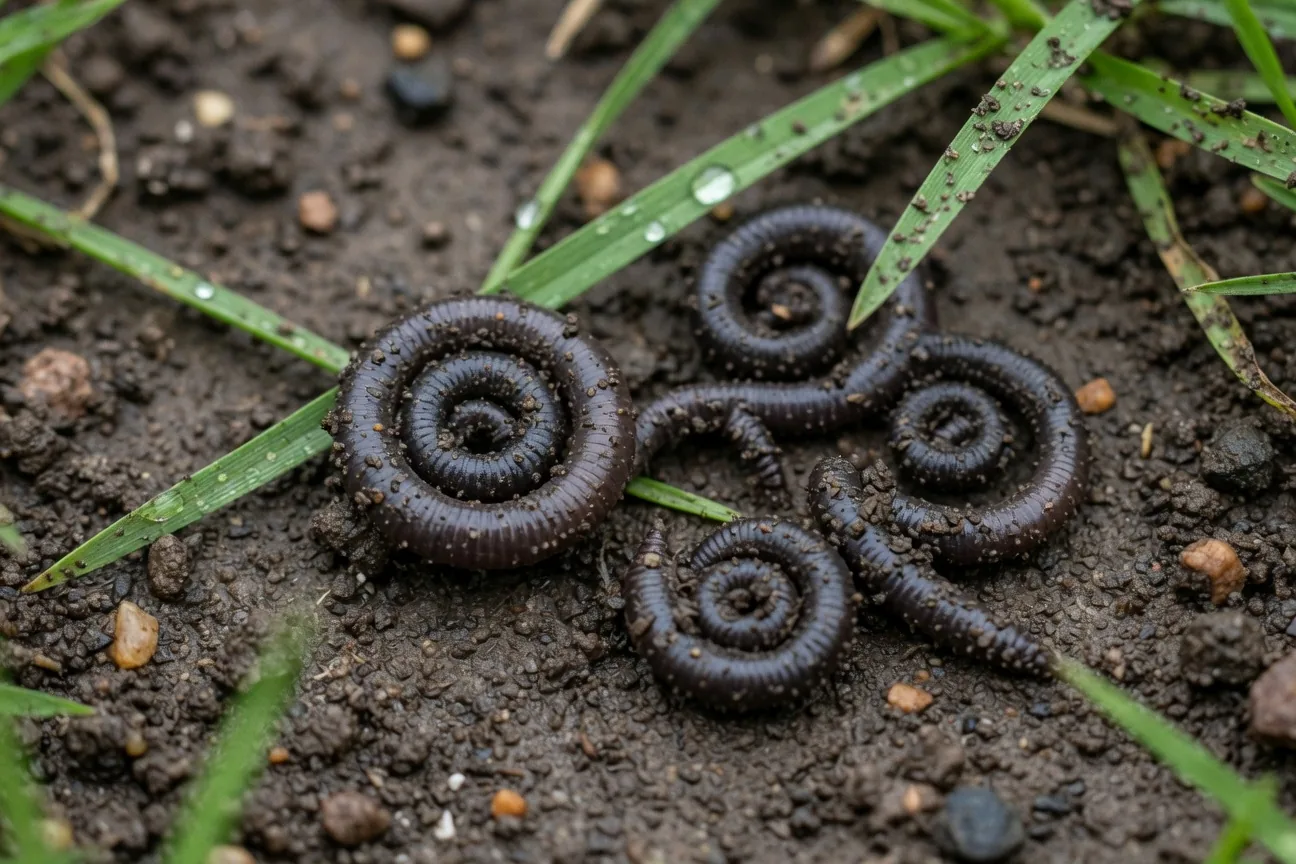
A lesser known fact about earthworms is that they are the recycling machines of nature. They work as hard as a farmer, and without any summer or winter break.
Explore More Animals
 Grasshoppers: Habitat, Facts, Anatomy & Life CycleThe complete kids' guide to grasshoppers: where they live, what they eat, their 5 eyes and no ears, super-tough mandibles, record-breaking jumps, singing, and w
 Frog Habitat Facts With Stunning Pictures of Their DwellingsFrogs are amphibians, which means that they typically live on land but breed underwater. Discover natural frog habitats, the life cycle connection, aquarium set
 Did You Know These Facts About Creepy-crawly Centipedes?Centipedes are scary little creatures with a segmented body and numerous legs. Learn how many legs they really have, what they eat in the wild and as pets, and
 Leech Facts: Amazing Things You Never KnewLeeches have 32 brains, painless bites, and a history in medicine going back centuries. Discover surprising leech facts, a quiz, and much more.

 Fun fact for today!Earthworms have been called nature's first gardeners, and they never take a day off!