

Warm-blooded vs. Cold-blooded
Here is one big difference between warm-blooded and cold-blooded animals: warm-blooded animals can stay active in winter, but cold-blooded animals cannot, at least not without risking their lives.
There are no snakes in Antarctica. They simply cannot survive the freezing conditions there, and the same is true of the Arctic. Turtles, crocodiles, and other cold-blooded animals face the same problem. So why can't they cope with the cold? The answer is that they have no way to control their own body temperature.
Cold-blooded Animals
Cold-blooded animals (also called ectotherms) have no built-in system for warming their own bodies. Instead, they rely entirely on the temperature around them. Most live in places where the temperature stays fairly steady. Those that live in places with extreme heat or cold have developed clever behaviors to stay alive.
Apart from mammals and birds, nearly every animal on the planet is cold-blooded. That includes reptiles, amphibians, arachnids, insects, and many fish. There are far too many species to list them all here, so let's look at each group in turn and see how they deal with the world around them.
Reptiles
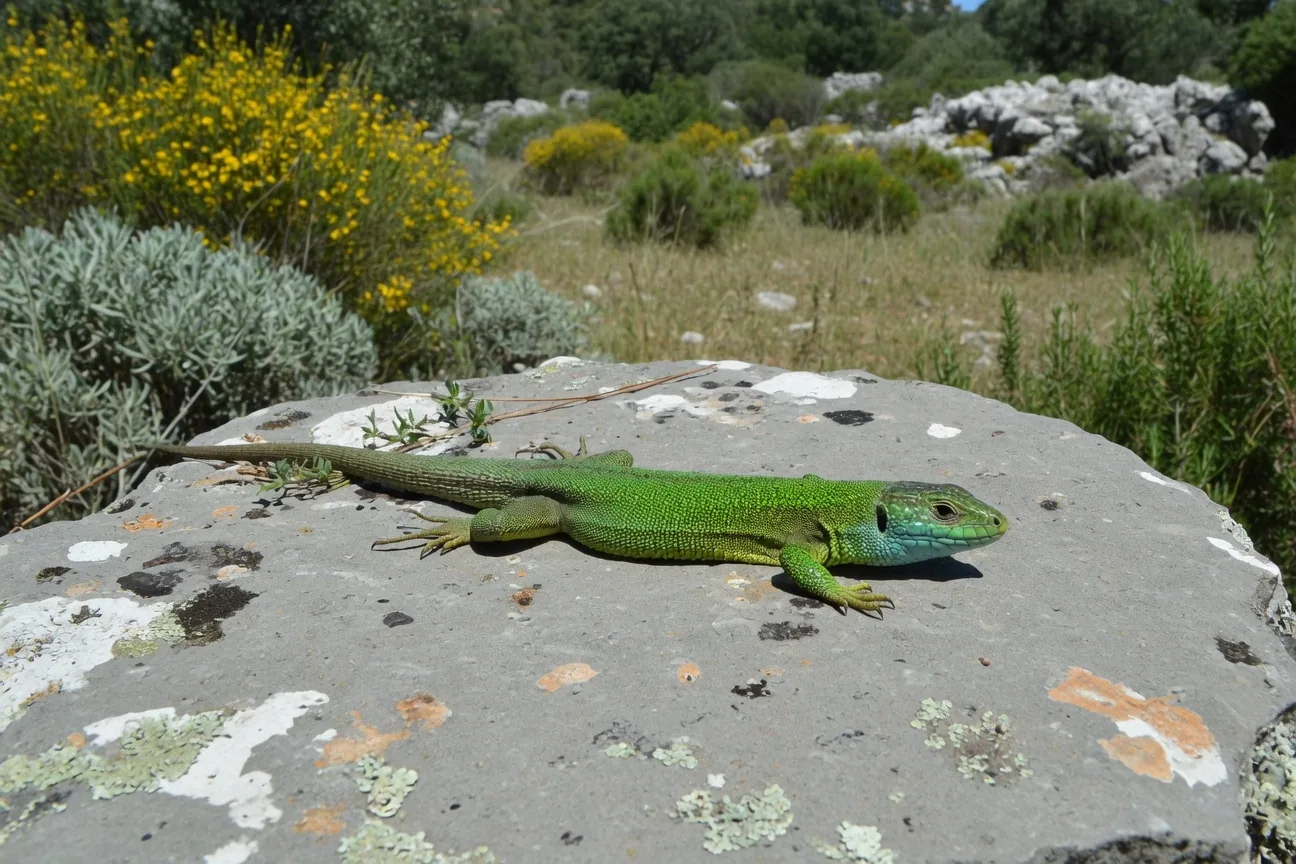
Reptiles must warm up before their bodies can do important jobs like digesting food and moving around. To do this, most reptiles (like lizards, snakes, and crocodiles) bask in the sun. Lizards and crocodiles lie with their side facing the sun, which is the best way to soak up heat. Lizards can even expand their rib cage to expose more skin to sunlight, and they can darken their skin color to absorb more heat. Snakes can also flatten their body to catch more sun. When it gets very hot, these animals do the opposite: they move into the shade or underground, lie with their body facing the sun's rays lengthways, and lighten their skin color.
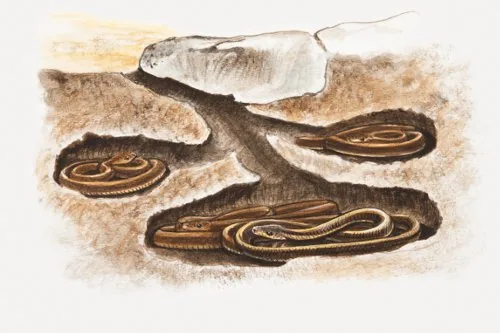
In the morning, reptiles prefer to bask on rocks or plants rather than on the soil, which is often wet with dew. Rocks are ideal because they hold heat well. In the evening, snakes and lizards rest on warm rocks that keep releasing heat even after sunset, before heading back into their burrows for the night.
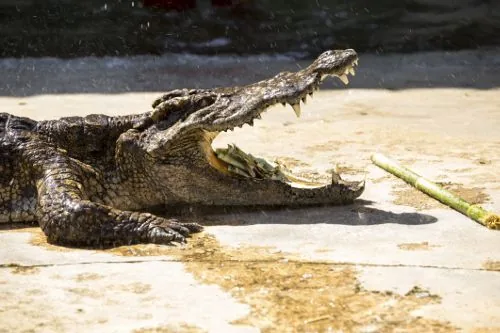
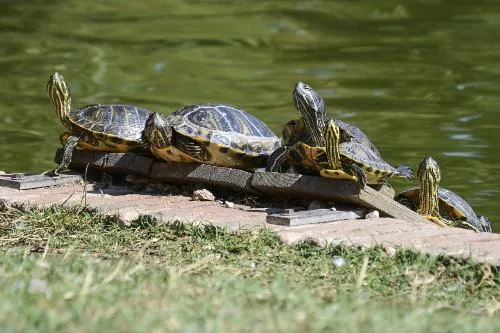
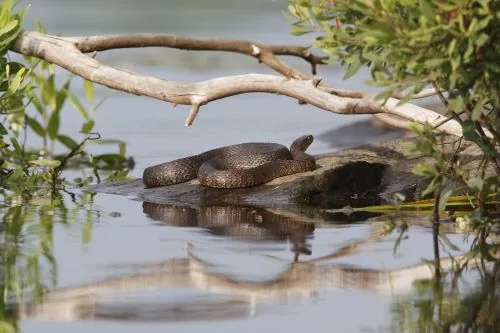
You may have noticed that alligators and crocodiles keep their jaws wide open when basking. Water evaporating from the mouth helps keep their brain cool, even while the rest of the body warms up. Collared lizards use another clever trick: they run on their hind legs to create a breeze and cool themselves down when it gets too hot.
In winter, turtles take shelter under rocks at the bottom of lakes and rivers. Rather than swimming to the surface to breathe, they absorb oxygen dissolved in the water through their cloaca, a special opening at the base of their tail.
Take the Cold-Blooded Animals Quiz!
5 quick questions. Test what you've learned about ectotherms.
Amphibians
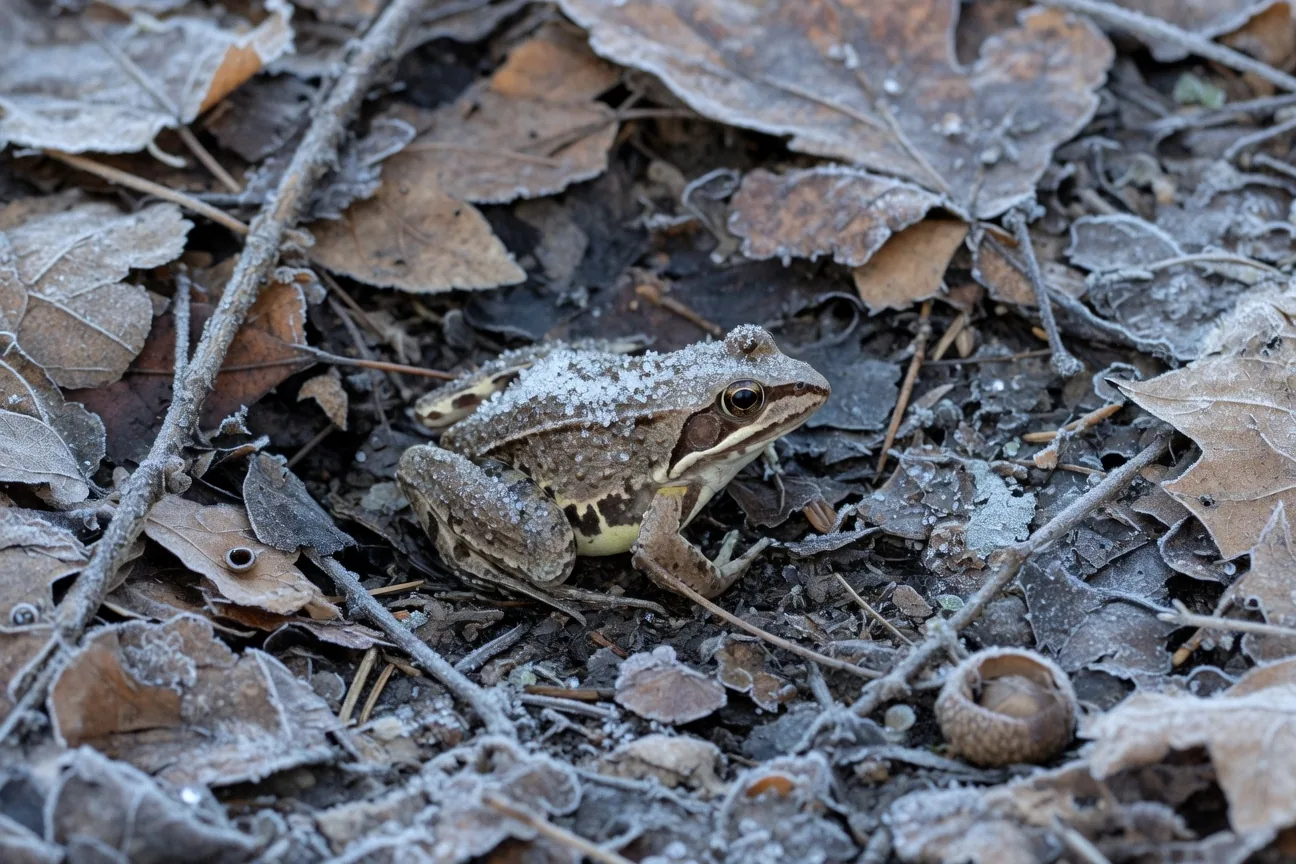
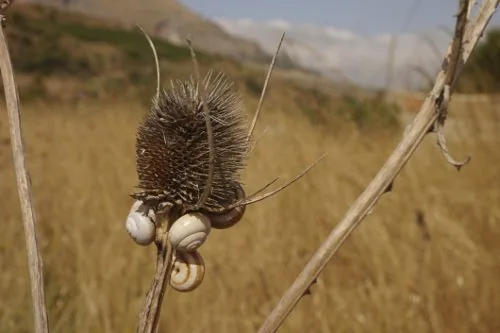
Even though they are cold-blooded, amphibians live in a huge range of habitats, from the Arctic all the way to tropical rainforests. Most of the group is made up of frogs. Frogs that live in hot, dry places survive the dry season by estivating: they burrow into the soil and go into a deep sleep, waking up only when the rains return. Frogs in cold climates hibernate instead, sleeping through the freezing winter. Land frogs dig into soil or squeeze into crevices, while water frogs hibernate at the bottom of ponds and rivers.
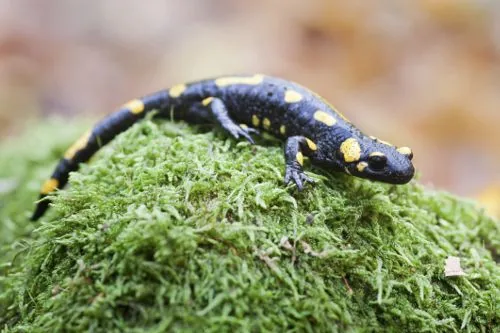
Hibernating underground isn't always safe from frost. So frogs and other amphibians also produce natural chemicals called cryoprotectants, which act like antifreeze to protect their body cells from freezing damage. Salamanders take a simpler approach: they just move between warm and cool spots as needed. For them, staying moist matters even more than staying warm.
Insects
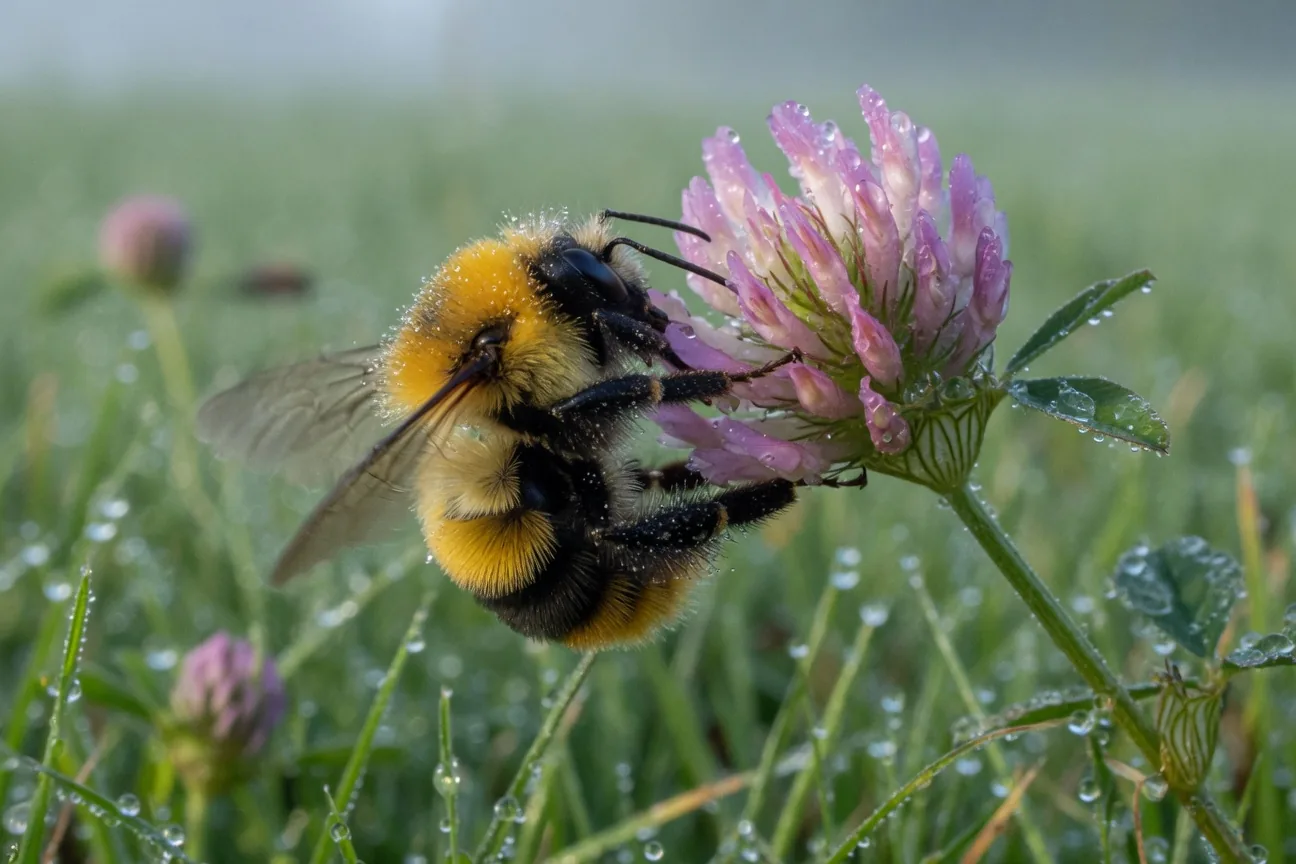
Insects like bumble bees, dragonflies, and moths vibrate their flight muscles to warm up, much like humans shiver on a cold night. Most insects cannot fly until their flight muscles reach the right temperature, so you'll often spot them basking in the sun at the start of the day. Once in the air, they can raise their muscle temperature to 80 °F and keep it steady throughout the flight.
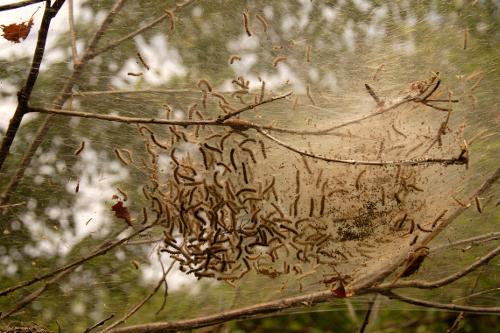
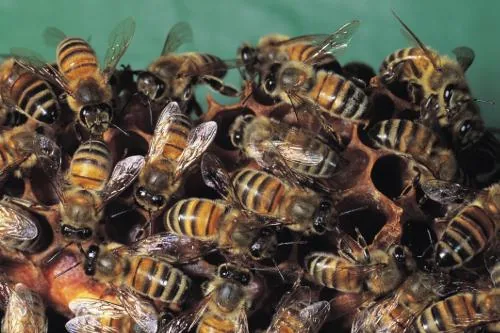
Caterpillars also need to bask in the sun to warm up. Tent caterpillars get their name from the silk tent they build together, they gather inside it on cold spring mornings and use the trapped warmth to heat up as a group. Bees and other swarming insects take a different approach: they huddle together in large clusters to share body heat.
Arachnids
Spiders, scorpions, and other arachnids slow right down when the temperature drops. Scorpions are some of the toughest cold-blooded animals around, living in the harshest places on Earth. Their secret is simple: they hide in their burrow when it is too hot and come out as soon as conditions improve. Scorpion species that live in cooler regions hibernate through winter.
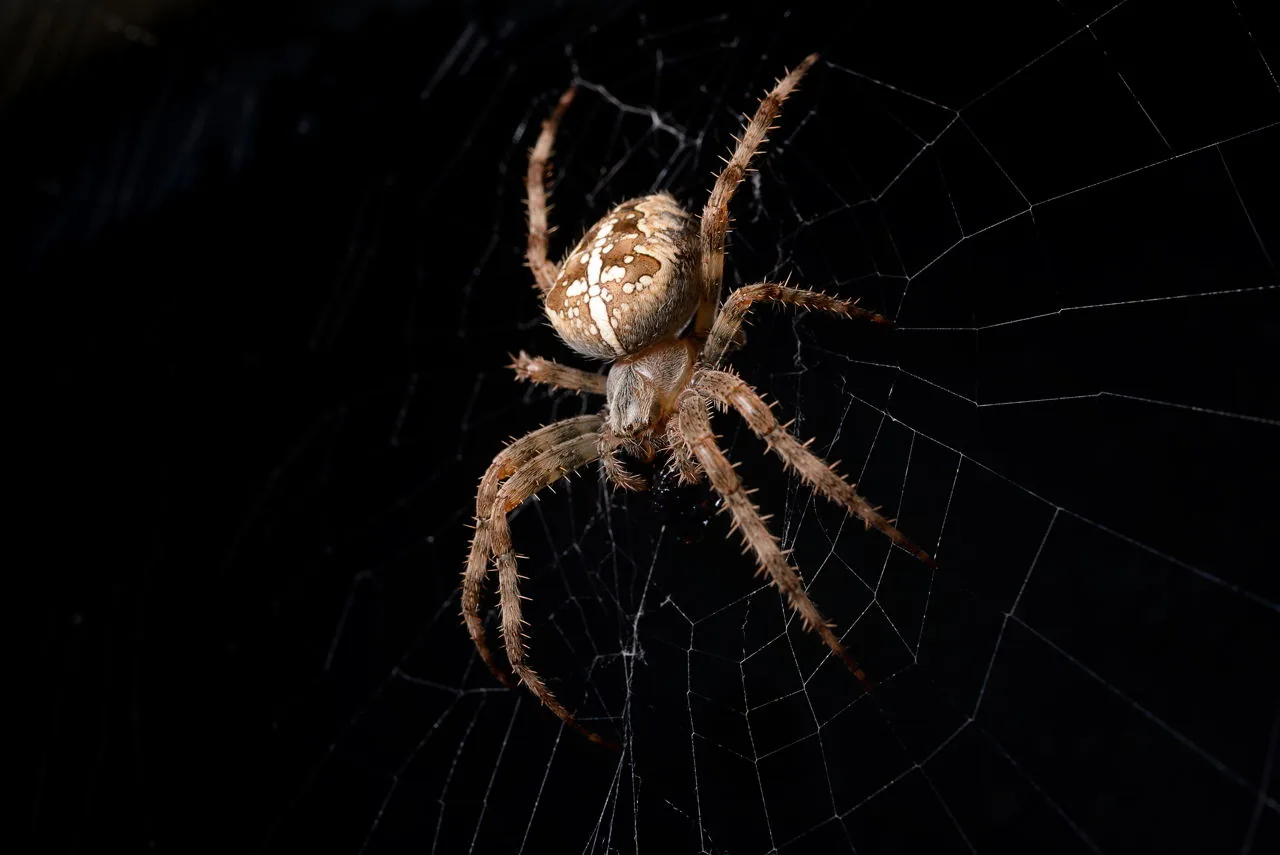
You may have heard that spiders come indoors to escape the cold, but that's actually a myth. Like all cold-blooded animals, spiders struggle in extreme temperatures, whether too hot or too cold. When it gets very cold, they either burrow underground or use cryoprotectants to survive. Most centipedes and millipedes move to warmer areas when the weather turns extreme; others simply dig into the ground.
Fish
Each fish species can only survive within a certain temperature range. Like other ectotherms, when fish are in warm water their body speeds up and they need more oxygen. The problem is that warm water holds less oxygen than cold water, so if the temperature gets too high, fish can struggle to breathe and may die. Fortunately, water temperature changes slowly, giving fish time to swim to a cooler spot before things get dangerous.
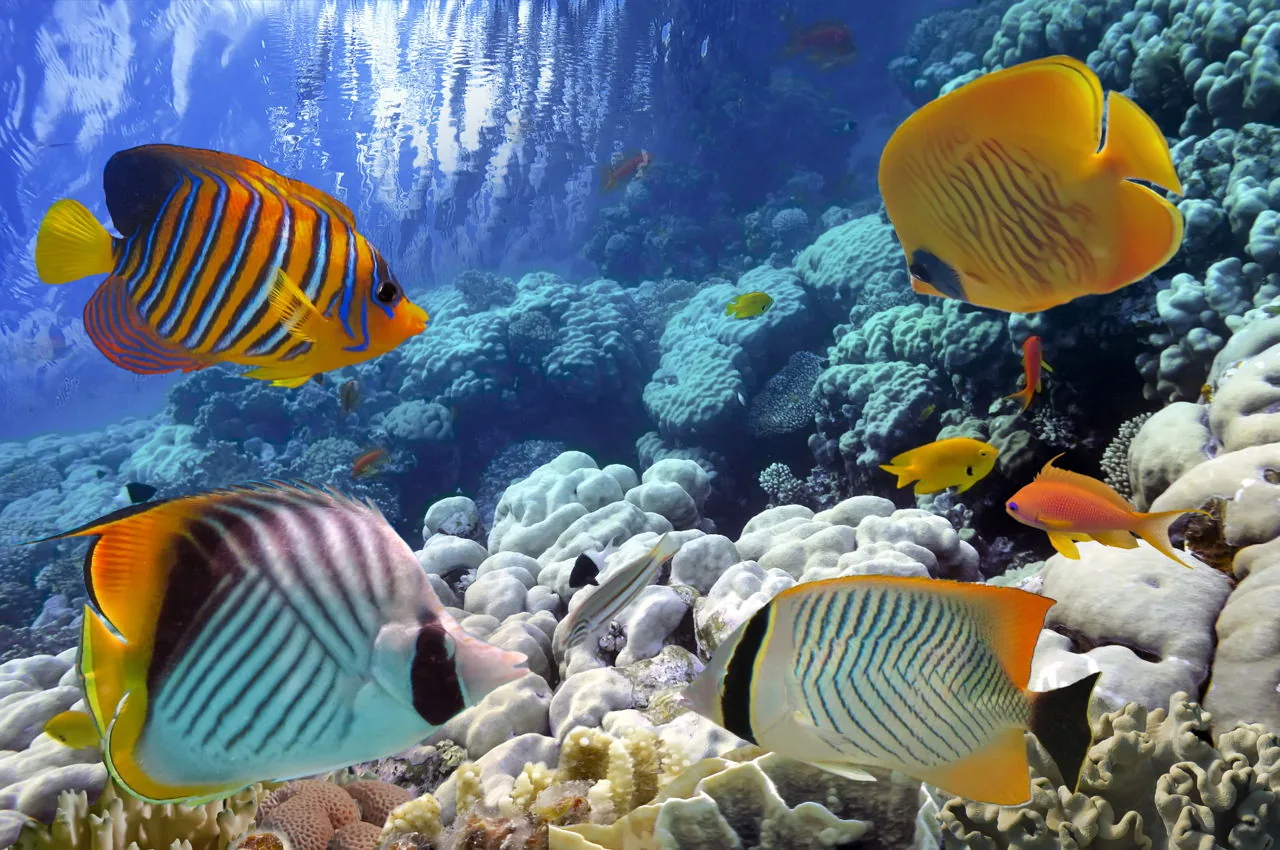
When temperatures become unbearable, some fish bury themselves in the mud at the bottom of a lake or river, while others find cooler water nearby. Fish from higher latitudes migrate to warmer, tropical waters in winter or dive deeper where the water stays warmer. Like frogs and spiders, some fish species carry cryoprotectants in their bodies to help them survive frozen winters.
Not all fish and reptiles are fully cold-blooded. Some can warm certain organs on their own. The bluefin tuna, for example, moves its muscles to produce heat and keeps its internal organs warm. The great white shark captures the heat made by its own metabolism and uses it to stay warm inside. The leatherback sea turtle generates heat by swimming non-stop, and its large body helps it hold onto that warmth, which is how it stays warm even in cold ocean water.
Cold-blooded animals need much less energy than warm-blooded animals to stay alive. The trade-off is that they must always warm up first before they can do anything active, whether that's hunting prey or escaping from a predator.
Explore More Animals
 Animals That Hibernate: The Complete Kids' Guide to Winter SleepThe complete guide to animals that hibernate, bears, bats, frogs, snakes, bees and more. Learn how winter sleep works inside the body, and how hibernation diff
 Unbelievably Amazing Examples of Animal AdaptationsAdaptation is a structural or functional change in a living organism that helps it survive. To look at some of the animal adaptations, read on.
 Characteristics of Reptiles Explained with PicturesWhat do snakes, turtles, crocodiles, and lizards have in common? Discover the unique characteristics that define all reptiles, from scaly skin to cold-blooded b
 A Complete List of Desert Animals (With Pictures)Meet the hardy animals that survive the world's hot and cold deserts: camels, fennec foxes, meerkats, rattlesnakes, polar bears and dozens more, plus a close-up

 Fun fact for today!Except for mammals and birds, nearly every animal on the planet is cold-blooded!