

What is an Omnivore?
When scientists sort animals by what they eat, they use three main groups: (i) carnivores, (ii) herbivores, and (iii) omnivores. An omnivore is an animal that feeds on both plants and animals. That seems simple enough, but here is something interesting. Omnivorous animals like coyotes and bears are actually listed in the Carnivora taxon in biology. How can animals that eat berries and roots be in the same group as lions and sharks?
The answer is that Carnivora is based on body structure, not strictly on diet. Technically, an omnivore is a species that can get nutrients and energy from plant matter (such as leaves, fruits, and roots) as well as from animal protein. Both carnivorous and herbivorous animals have special body parts to help them get and digest their food. Carnivores have long, sharp teeth to tear flesh. Herbivores have broad, flat molars to grind leaves, shoots, and even twigs. Omnivores have both: sharp front teeth to tear meat and flat molars to chew plant matter.
Because there is no single rule that puts all omnivores in one box, it is hard to draw a strict line the way scientists do with carnivores and herbivores. Some animals blur the boundary. Black bears and red foxes, for example, are often called carnivores, yet they eat a lot of plant matter. Eastern gray squirrels and ostriches are mostly herbivores, but they do eat insects and other small animals when the chance comes up.
So one thing is clear: there is no specific scientific classification that includes all omnivorous animals. Instead, it is a broad group that covers species adapted to find, eat, and digest a wide mix of food, both plant matter and animal protein.
Examples of Omnivorous Animals
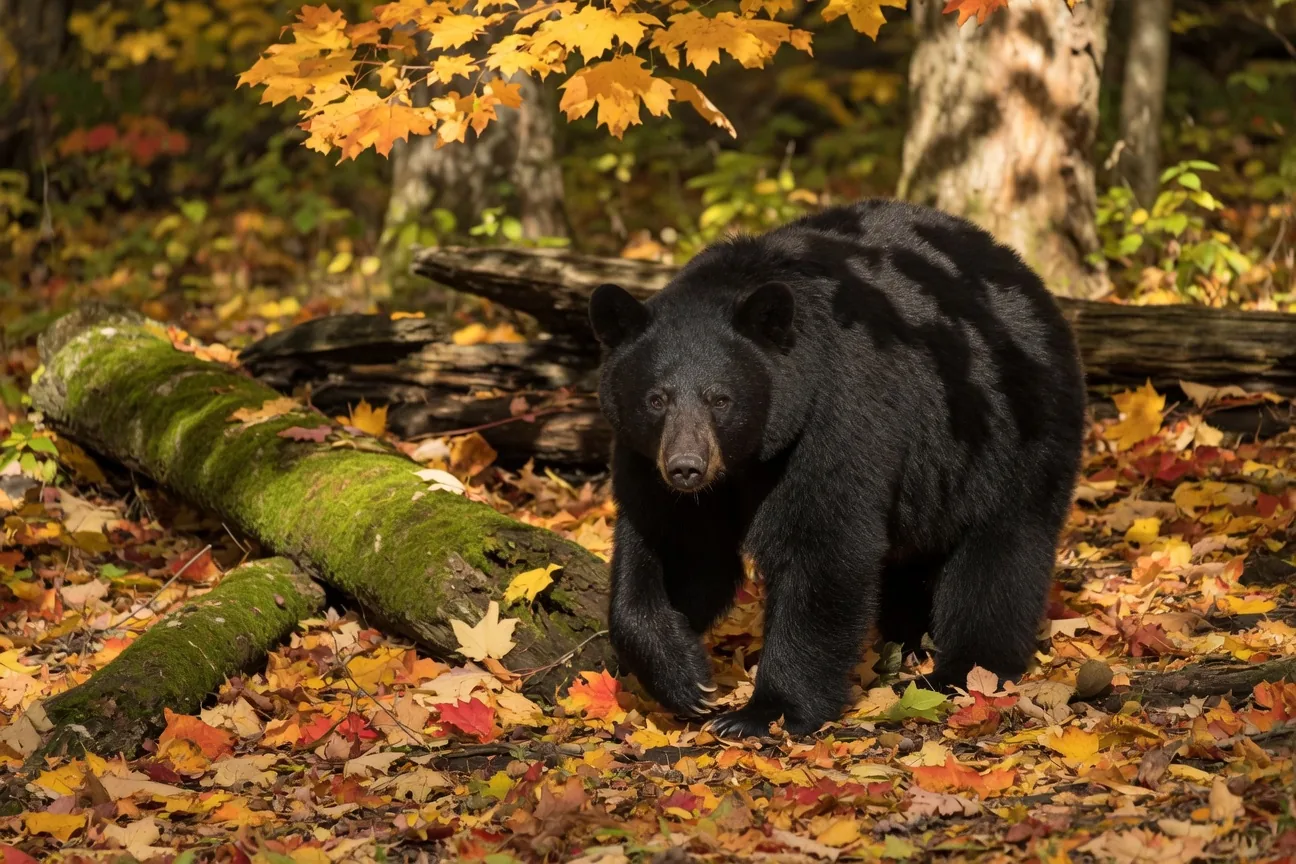
Black Bear
Diet: Fish, small mammals, insects, berries, roots, and more. Except for the polar bear, which is a strict carnivore, all bear species are omnivores.
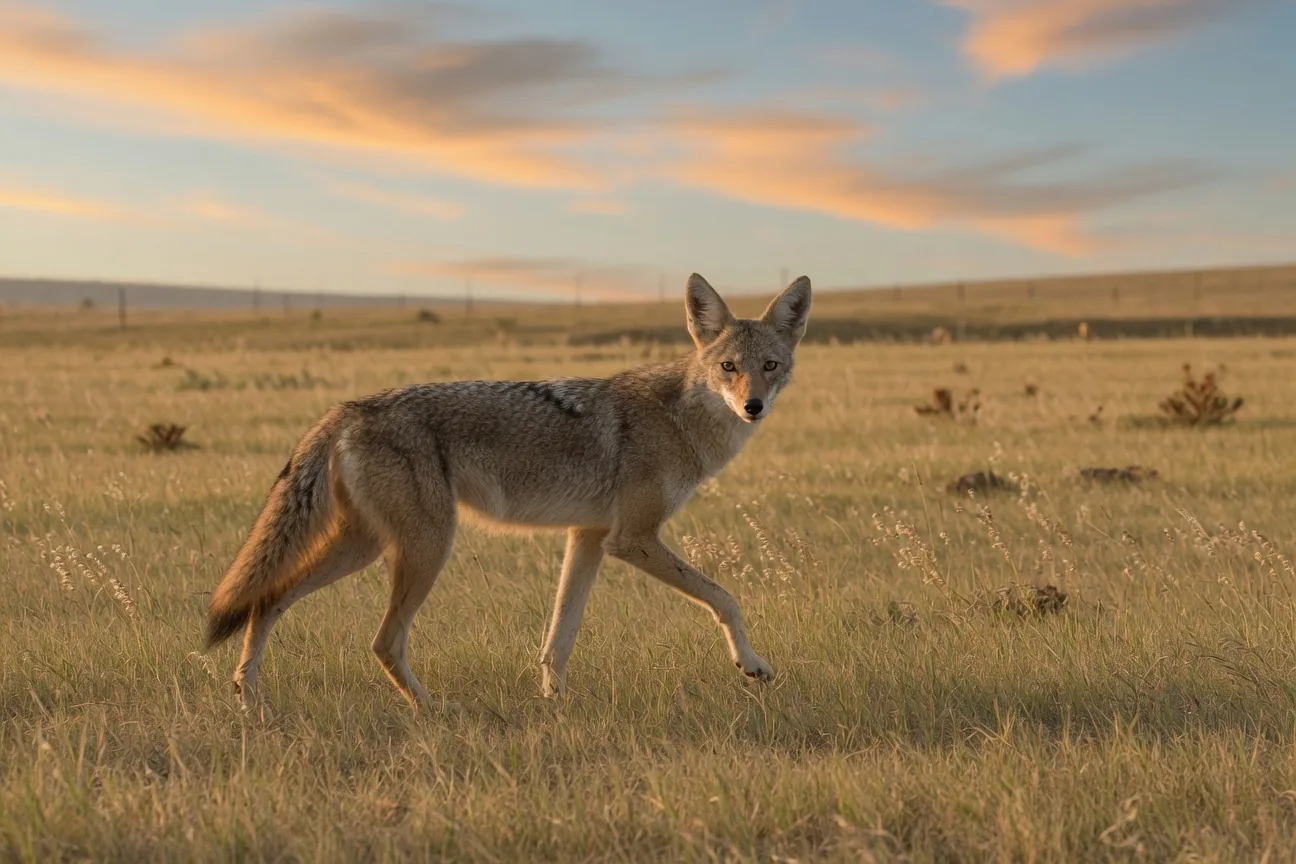
Coyote
Diet: Small mammals such as rabbits, beavers, and squirrels, as well as snakes, lizards, birds, insects, fruits, berries, grass, and even carrion.
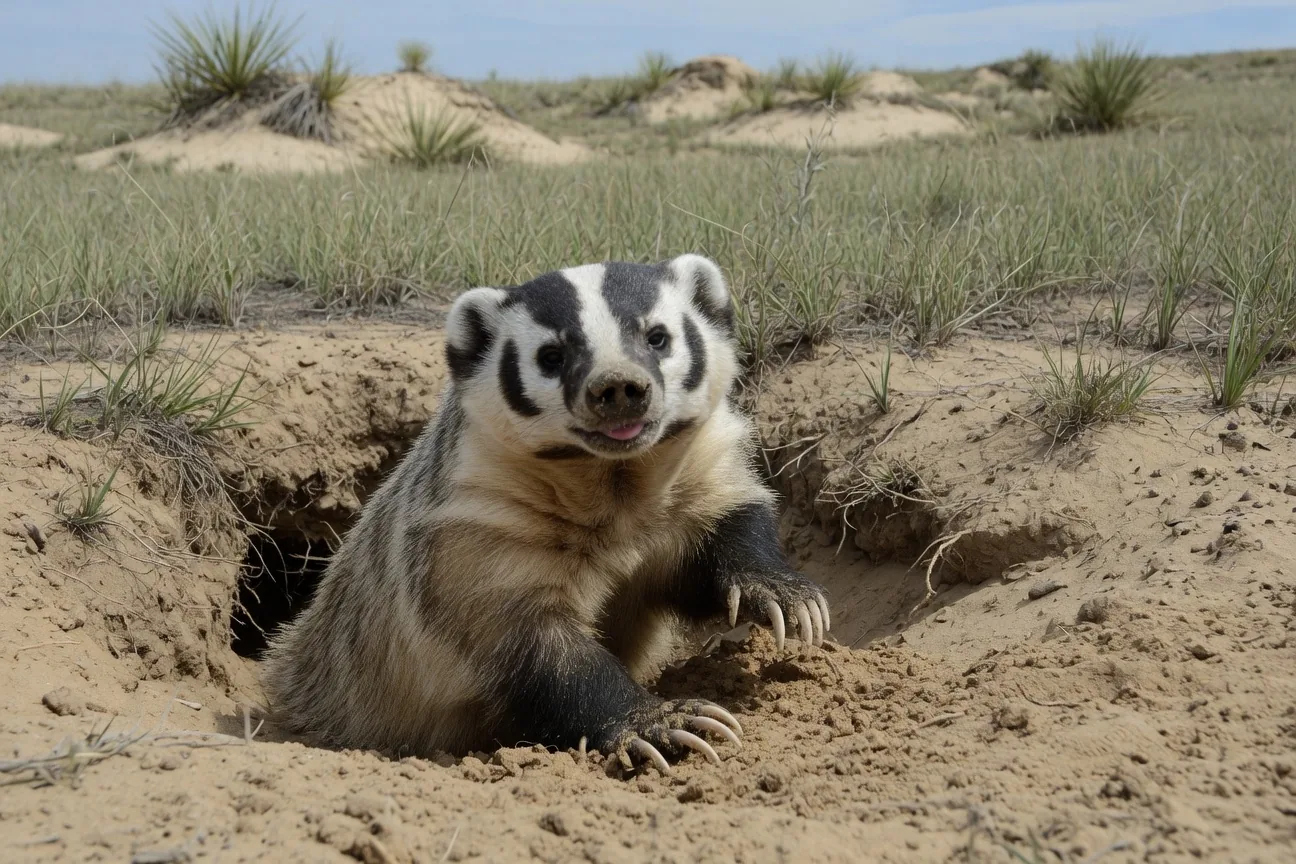
American Badger
Diet: Small mammals like gophers, squirrels, moles, and rats; ground-nesting birds, fish, lizards, frogs, carrion, honeycomb, corn, mushrooms, and more.
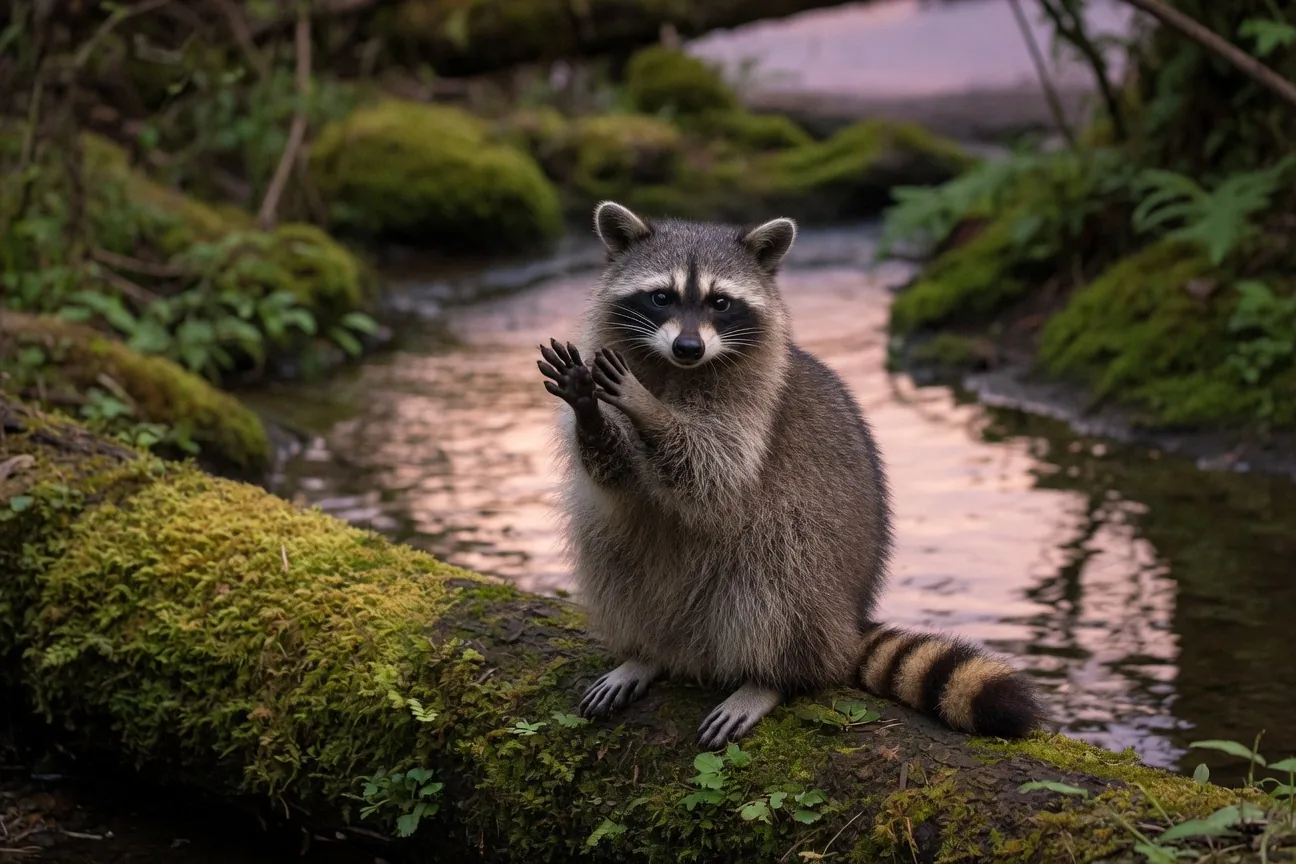
Raccoon
Diet: Insects, fish, frogs, crayfish, snails, bird eggs, fruits, and nuts. Occasionally, they will feed on ground-nesting birds and small mammals.
Take the Omnivore Challenge Quiz!
5 quick questions. How much do you know about nature's all-eaters?
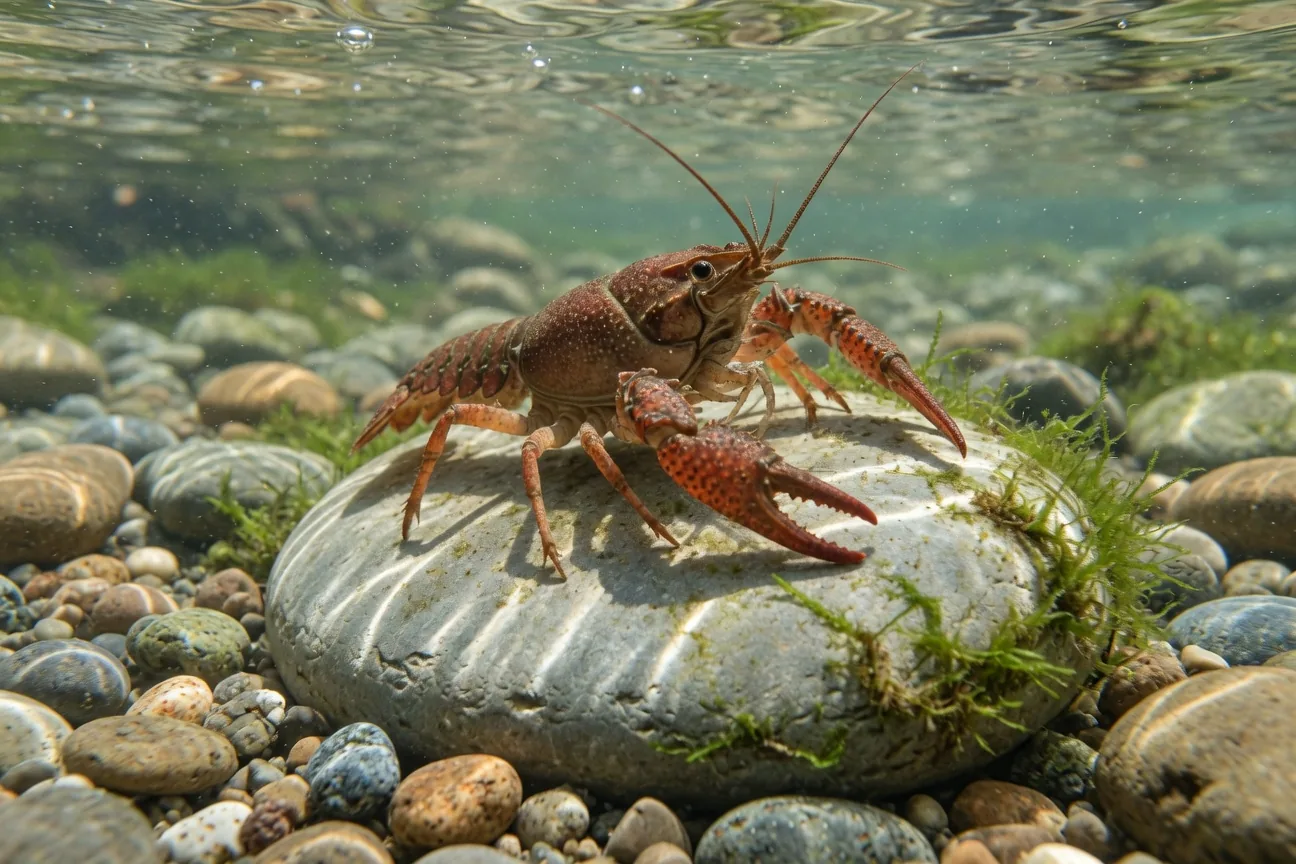
Freshwater Crayfish
Diet: Small fish, shrimp, insects, plankton, aquatic plants, and the remains of dead animals and plants.
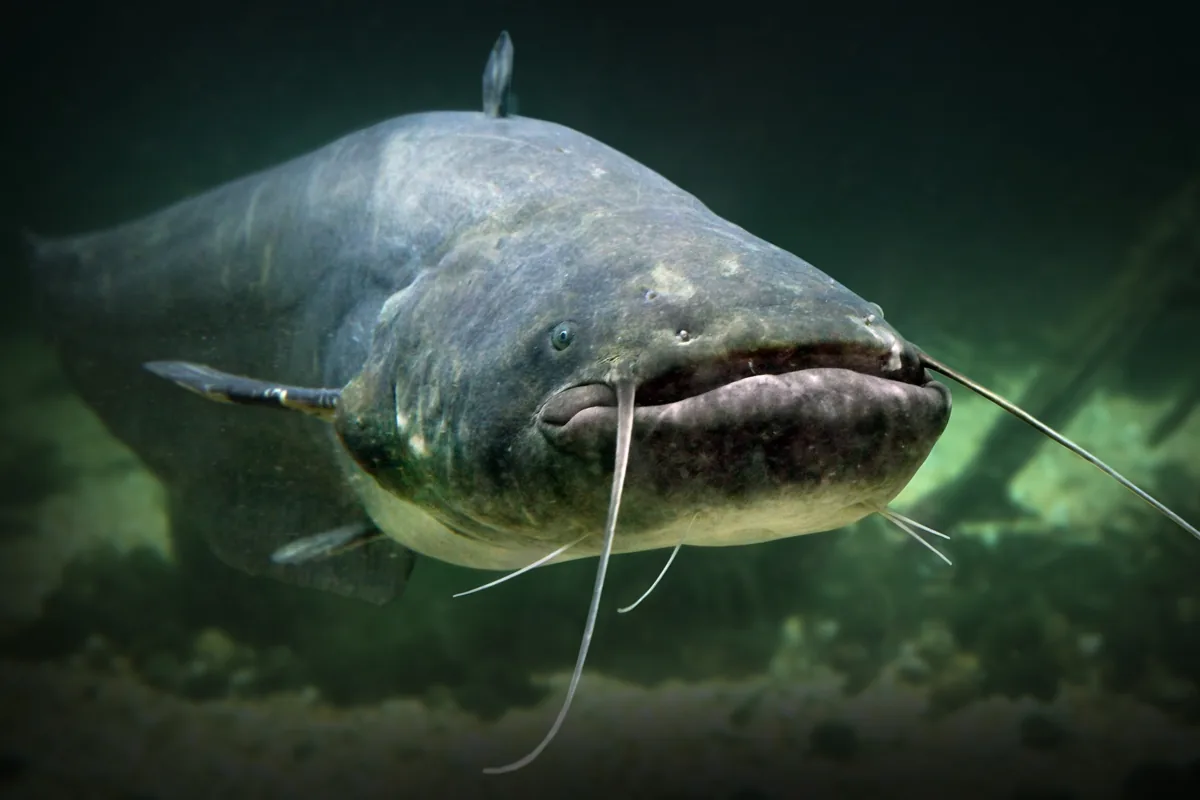
Catfish
Diet: Small fish, crayfish, amphibians, aquatic insects, earthworms, aquatic plants, algae, and more.
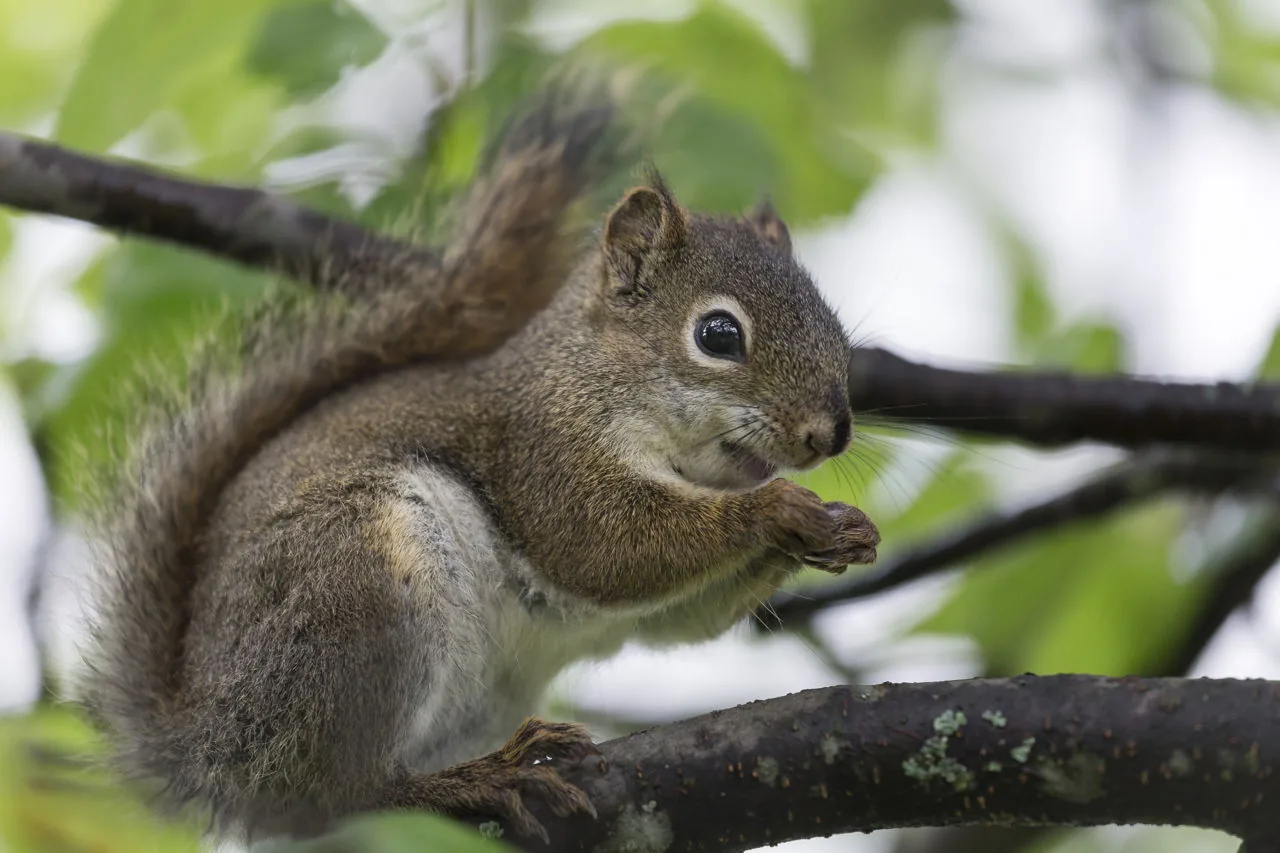
Gray Squirrel
Diet: Seeds, nuts, berries, mushrooms, buds, and tree bark, and they also feast on insects from time to time.
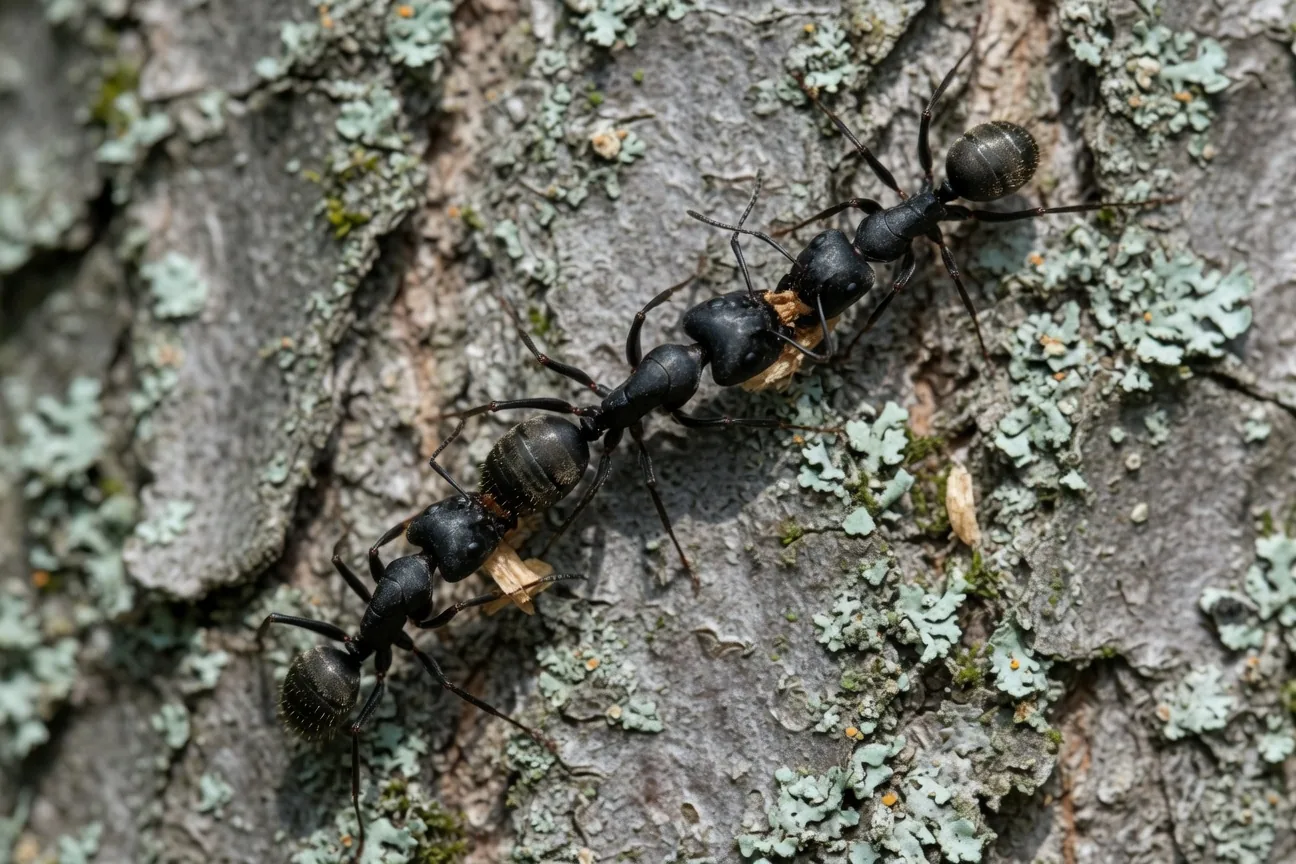
Carpenter Ant
Diet: Living and dead insects, honeydew, larvae, fruits, plant juice, and even dead carpenter ants.
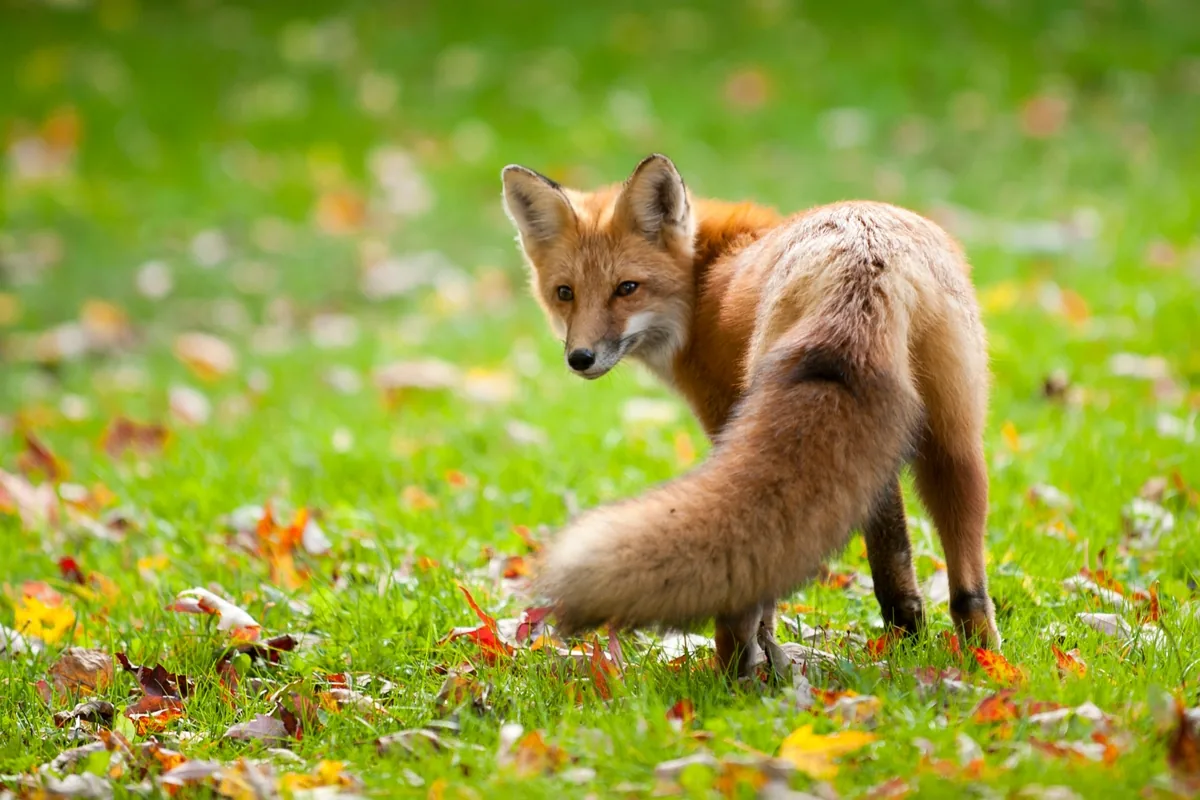
Red Fox
Diet: Small mammals like rabbits and squirrels; insects like crickets and grasshoppers; birds, crayfish, fruits, berries, and even grasses.
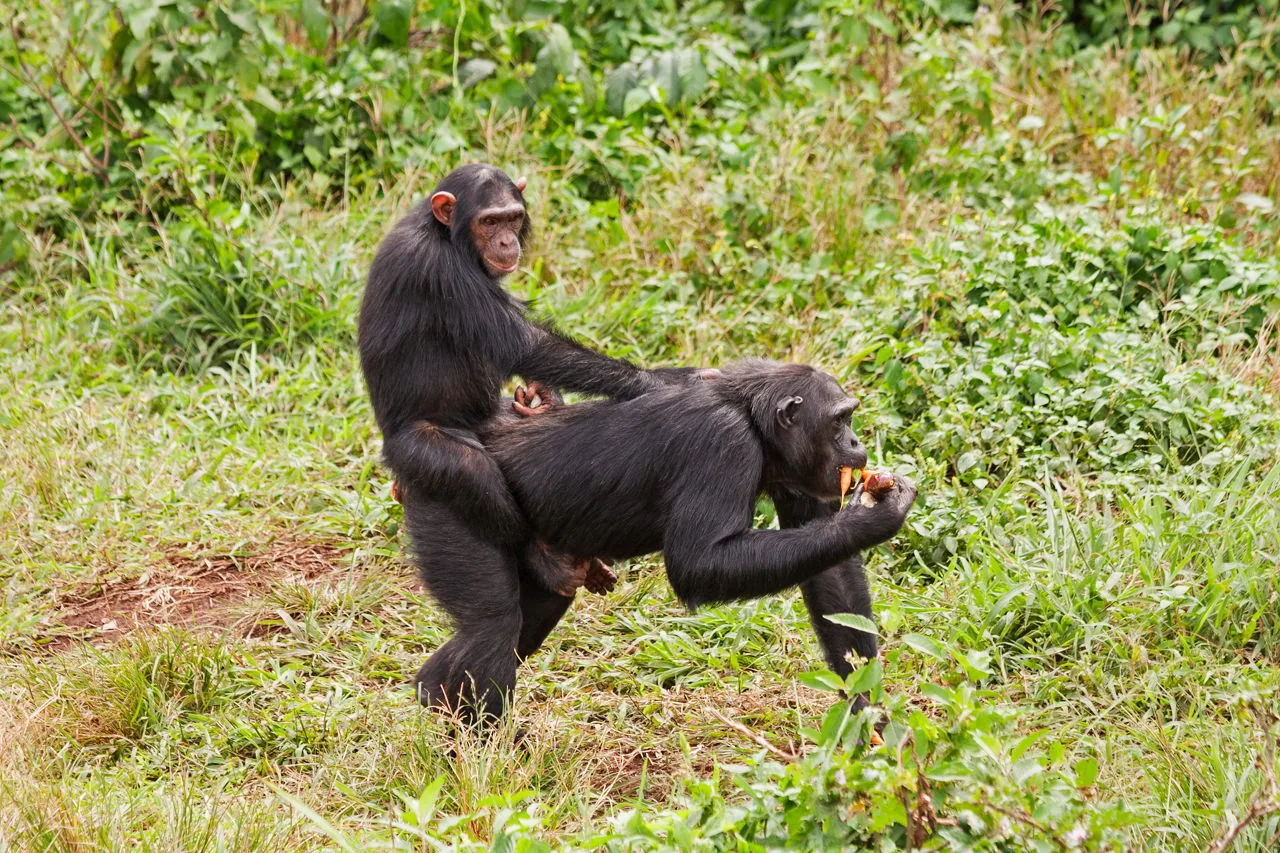
Common Chimpanzee
Diet: A wide variety of plants, fruits, flowers, leaves, tree bark, honey, nuts, insects such as termites and ants, eggs, and even small animals.
The Omnivore Advantage
Omnivorous animals are opportunistic when it comes to feeding. That turns out to be a huge blessing for them, they are not locked into one food source. If the salmon population dwindles, bears can simply switch to berries and survive. Animals that are strict carnivores or herbivores do not have this freedom.
Post Script: As you can see, the list of omnivorous animals is quite exhaustive and diverse. But there is yet another species that needs to be added to this list: the Homo sapien.
Explore More Animals
 Unbelievable Facts About the Eating Habits of CoyotesMost often mistaken for domestic dogs, coyotes can now be spotted in cities too. Learn what coyotes eat, how they hunt, and how to protect your pets.
 What Do Pigs Eat? Diet Patterns of These OmnivoresBeing omnivorous, pigs feed on both plant and animal matter. Here is a brief overview about the diet of wild and domestic pigs.
 Forest Animals List: A Field Guide to Who Lives in the WoodsFrom rainforest to taiga, meet the mammals, birds, reptiles, insects and amphibians of the world's forests, plus the endangered species fighting to survive.
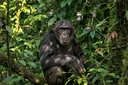 Chimpanzee Diet: Facts About How They Hunt and What They EatAmong all the apes, only chimpanzees and humans prefer an omnivorous diet. The following AnimalSake article on chimpanzee diet will help you to know more about

 Fun fact for today!The word omnivore comes from Latin: omnes ("all") + vorare ("to devour").