

What Is Extinction?
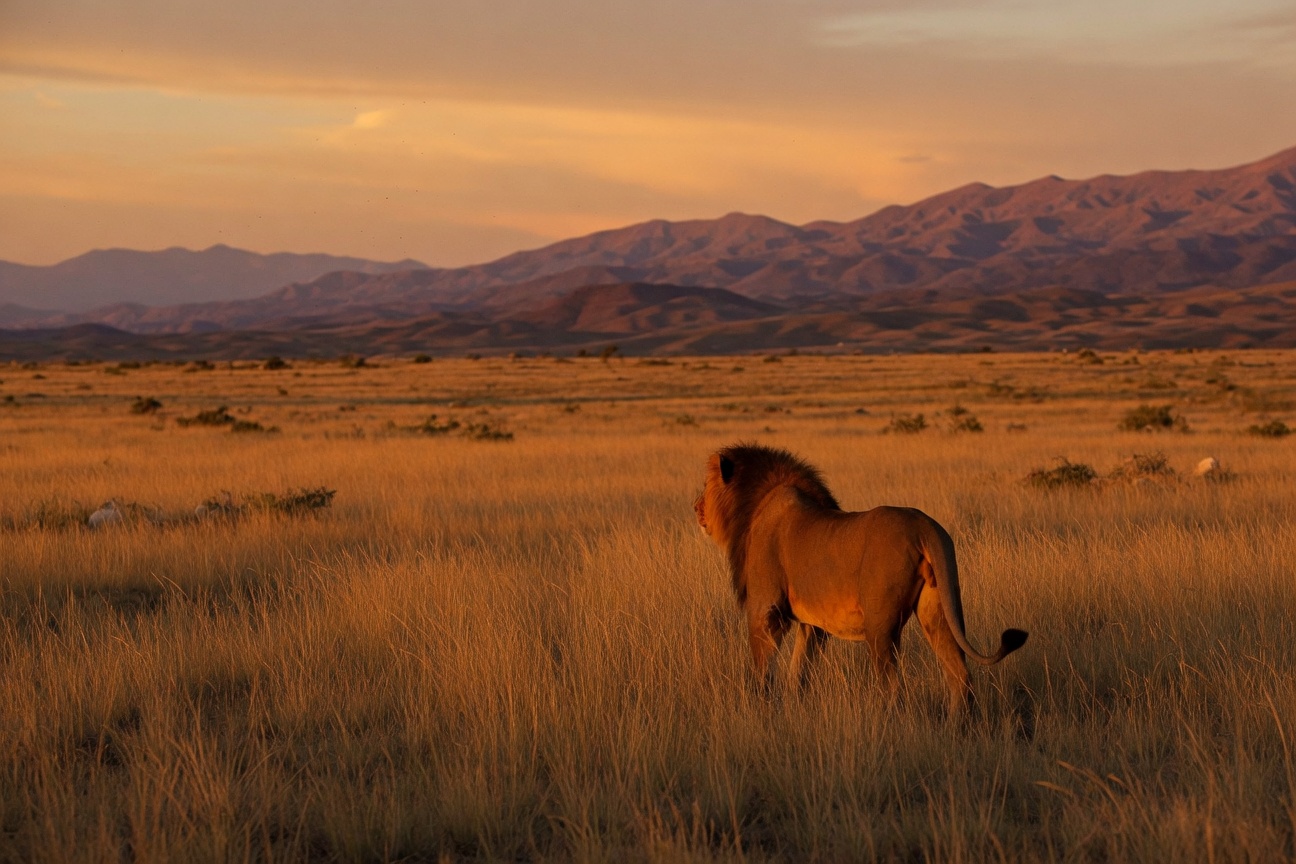
Extinction, in ecology, means the end of a group of living things. Put simply, when the very last individual of a species dies, that species is extinct. Over millions of years, the planet has lost countless species, from tiny frogs to giant dinosaurs. Some disappeared in mass extinction events. Others were slowly pushed to the edge by human actions and eventually wiped out for good.
Scientists believe that around 99 percent of all animals that ever lived on Earth are already extinct. That sounds alarming, but extinction has always been part of life on Earth. What worries scientists today is the speed of modern extinctions. We are losing species much faster than at any point in the past. If the rate keeps up, we could lose some of the most important animals in our ecosystems. Every loss creates a ripple effect, fewer predators mean more prey, fewer prey mean starving predators, and the whole food web starts to unravel. We are part of that web, which means these losses affect us too, sooner or later.
Note: It is very hard to know the exact moment a species disappeared. Scientists must wait a long time after the last confirmed sighting before officially declaring it extinct. During that wait, they search hard for any survivors. The western black rhinoceros, for example, was declared extinct in 2011 (almost a decade after the last sighting) only after every attempt to find it in the wild failed. If a species survives in captivity but is gone from the wild, it is listed as Extinct in the Wild (EW).
How Did They Become Extinct?
In this article, we look at animals that went extinct in the last 100 years and what caused each extinction. Reading through the list can help us see how human actions (directly or indirectly) led to so many of these losses. If we learn from the past, we are better placed to protect the hundreds of animals still threatened today.
Early 20th Century (1900-1930)
Cape Verde Giant Skink
The Cape Verde Giant Skink (Macroscincus coctei), also called Cocteau's Skink, was a reptile found only on the Cape Verde Islands in the Atlantic Ocean. Humans moved into its habitat, took its land, and hunted it heavily for food and "skink oil." A long drought in the region made things even worse. The skink was last seen in 1912, but was not officially declared extinct until 2013, after years of searching its rocky island home turned up nothing.
Canarian Black Oystercatcher
The Canarian Black Oystercatcher (Haematopus meadewaldoi), also called the Canary Islands Oystercatcher, was a shorebird from the Canary Islands of Spain. Local disturbance and heavy predation by rats are thought to have driven it out. Some experts also blame habitat loss. The last confirmed sighting was in 1913. Local fishermen and lighthouse keepers reported unverified sightings through the 1940s. After repeated searches found nothing, the International Union for Conservation of Nature (IUCN) declared it extinct in 1994.
Laughing Owl
The Laughing Owl (Sceloglaux albifacies), or White-faced Owl, lived only in New Zealand. Several things combined to wipe it out: it was used as a lab specimen, its forest habitat was cleared for farms, and cats and dogs were brought to the island where they hunted it. Its numbers crashed in the last quarter of the 19th century. By 1880 it was virtually gone. The last confirmed sighting was a dead bird found at Bluecliffs Station, Canterbury, New Zealand, on July 5th, 1914. No solid proof of survivors has ever been found.
Passenger Pigeon
Once the most common bird in North America, the Passenger Pigeon (Ectopistes migratorius) is now only a name on the IUCN's extinct animals list. In the 19th century, huge flocks containing thousands of birds swept across the continent. Then Europeans arrived and hunted them for food. Native Indians had also hunted them for centuries, but the scale of hunting by European settlers was far larger. Add massive deforestation, and the population crashed. Only a handful of sightings were recorded in the first decade of the 1900s. The last Passenger Pigeon, a bird named Martha, died at the Cincinnati Zoo on 1st September, 1914.
Carolina Parakeet
The Carolina Parakeet (Conuropsis carolinensis) was the only parrot native to the eastern United States, living in forests from the Ohio Valley to the Gulf of Mexico. The biggest reason for its decline was the clearing of huge areas of forest for farmland. It was also hunted heavily, its bright feathers were used for decoration, and farmers killed it in large numbers because they saw it as a pest. Some researchers think honey bees and a mysterious poultry disease may have contributed too. The last wild Carolina Parakeet was killed in Florida in 1904. The last bird in captivity died at the Cincinnati Zoo in 1918.
Barbary Lion
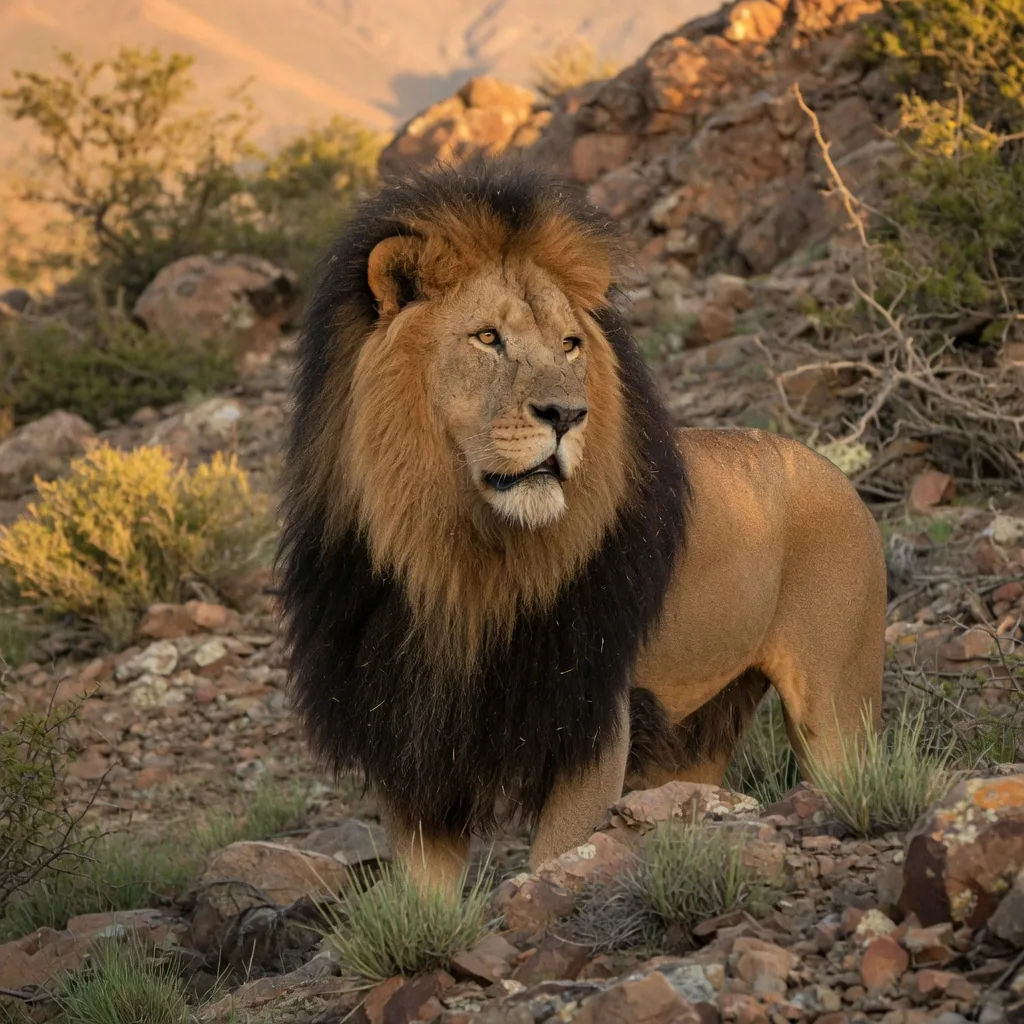
The Barbary lion (Panthera leo leo), also called the Atlas lion or Nubian lion, was a subspecies of lion that lived in northern Africa. Weighing between 440 and 600 lbs, it was the heaviest of all lion subspecies. Large-scale hunting and capture for zoos and circuses caused its wild population to crash. Farmland expansion took away its habitat too. Records show the last Barbary lion was killed in the Atlas Mountains in 1922. The IUCN first declared it fully extinct, then gave it a special "extinct in the wild" (EW) status because a few individuals were thought to survive in captivity. Whether those captive lions were truly pure Barbary lions, however, has never been confirmed.
Bubal Hartebeest
The Bubal Hartebeest (Alcelaphus buselaphus buselaphus) was an antelope found in Algeria, Egypt, Libya, Morocco, and Tunisia. It was well known in ancient Egypt, where people domesticated it and used it as a sacrificial animal. The last reliable wild sighting came in 1902. The last known Bubal Hartebeest in captivity died at a Paris zoo in 1923.
In the 19th century, the French expedition in Africa turned the region into a war zone, and large herds were slaughtered by the army. By the early 1900s, the species was reduced to small groups in Algeria and Morocco. As the century began, large numbers were hunted or caught for zoos, where most died because they could not survive in captivity.
Caucasian Wisent
The Caucasian wisent (Bison bonasus caucasicus) was a subspecies of the European bison that lived in the Caucasus mountains of eastern Europe. Until the 17th century, its only real threats were natural predators like Caspian tigers, Asiatic lions, and wolves. Over time, more humans settled in the mountains. That shrank the wisent's range and brought a new danger: poaching.
Habitat loss and heavy poaching reduced the population to fewer than 600 by 1917, and to fewer than 50 by 1921. Poaching was never brought under control, and the last individual was killed in 1927.
Crescent Nail-tail Wallaby
The Crescent nail-tail wallaby (Onychogalea lunata) lived in the woodlands and scrubs of western and central Australia. It was common in Western Australia until the 20th century. Then humans arrived. Within a decade of settlement, the population fell sharply. Introduced rabbits competed for food. New predators hunted it. Large areas of wild land were turned into pasture, breaking up its habitat.
The last sighting was of an individual caught in a dingo trap in 1927. Rare sightings continued through the first half of the 1920s, and the species may have survived into the 1950s. But the spread of the red fox was the final blow, and the wallaby went extinct.
Paradise Parrot
The Paradise Parrot (Psephotus pulcherrimus) was a colorful, medium-sized parrot that lived near the Queensland, New South Wales border in northeastern Australia. It was driven out by a combination of causes: overgrazing destroyed its grassland home, land was cleared for farms, bird collectors hunted it heavily, and cats preyed on it. It had virtually vanished from the region by 1915. A few more sightings trickled in over the next decade. The last confirmed sighting was on 14th September, 1927.
Syrian Wild Ass
The Syrian Wild Ass (Equus hemionus hemippus) was a subspecies of onager (Equus hemionus) found in Syria, Jordan, Iraq, and nearby areas. In the 15th and 16th centuries it roamed in large herds, but heavy hunting over the following decades caused a steep decline. By the 18th century, those great herds had all but disappeared. Then came World War I, when armed soldiers killed the species in large numbers. A specimen shot in Jordan in 1927 is thought to be the last wild Syrian Wild Ass. That same year, the last captive individual died at the Vienna zoo.
Thick-billed Ground-Dove
The Thick-billed Ground Dove (Gallicolumba salamonis) was a dove native to the Solomon Islands. Unusually, the entire scientific record of this bird comes from just two specimens, one collected in 1882 and one in 1927. As a ground-dwelling bird, it was easy prey for introduced rats, cats, dogs, and feral pigs. Logging destroyed much of its forest habitat, and large-scale hunting during World War II added more pressure. The bird was last seen in 1927 (only its second ever recorded sighting) and was officially declared extinct 78 years later, in 2005.
Take the Extinct Animals Quiz!
5 questions. How much do you know about the animals we've lost?
Mid-20th Century (1930-1970)
Darwin's Galapagos Mouse
Darwin's Galapagos Mouse (Nesoryzomys darwini) was a small rodent that lived only on Santa Cruz Island in the Galapagos. It was discovered in 1906 and last seen in 1930, so very little is known about it. Scientists think the arrival of black and brown rats on the island caused its extinction. The introduced rats competed with the mouse for food and brought diseases it had no resistance to.
Heath Hen
The Heath hen (Tympanuchus cupido cupido) was a subspecies of the Greater Prairie-Chicken found on the heathland barrens of coastal New England. It was common during colonial times, but heavy hunting for food cut its numbers sharply. By the mid-19th century it had been wiped out on the mainland. Only a few hundred survived on an island off Massachusetts.
A protected Heath Hen Reserve helped the population recover to around 2000 individuals in the early 20th century. But a harsh winter, heavy predation by goshawks, destructive fires, inbreeding, and blackhead disease combined to finish it off. The Heath hen was the first bird the U.S. government tried to save. Sadly, those efforts were not enough, and it went extinct with the death of the last individual in 1932.
Hawai'i 'O'o
The Hawai'i 'O'o (Moho nobilis) was one of the most beautiful birds on the island of Hawaii. Its stunning feathers were its downfall, hunters killed it in huge numbers for those feathers, which were used in decorations. It was also caught and sold as a songbird, but almost every captured individual died within a week because it could not adapt to captivity. When muskets arrived, hunting became even more deadly, and the species had virtually vanished by the end of the 19th century. Rare sightings continued for a while. The last one was recorded at Mauna Loa, a volcano on the south-central Hawaiian island, in 1934.
Indefatigable Galapagos Mouse
The Indefatigable Galapagos Mouse (Nesoryzomys indefessus), also called the Santa Cruz Nesoryzomys, was a small rodent from Santa Cruz Island in the Galapagos. Almost nothing is known about it. Scientists believe the introduction of black rats caused its extinction, partly through competition for food and partly through disease. The last specimen was collected in 1934, but the species was not declared extinct until 2000. Some sources treat Nesoryzomys indefessus narboroughi as a subspecies of this mouse, but most experts consider it a separate species.
Desert Rat-Kangaroo
The desert rat-kangaroo (Caloprymnus campestris), also called the buff-nosed rat-kangaroo or plains rat-kangaroo, was a tiny marsupial from the deserts of central Australia. After initial sightings in the 1840s it was not seen for almost 90 years and was assumed extinct. Then in 1931 a colony was found in arid central Australia. The species had never been common. Introduced red foxes invaded its territory and ate it. Combined with habitat destruction by settlers, this was enough to finish it off. After unconfirmed sightings, it was not reliably seen again after 1935 and was officially declared extinct in 1994.
Ryukyu Wood Pigeon
The Ryukyu Wood Pigeon (Columba jouyi) lived only on the Okinawa archipelago, southwest of the Japanese mainland. Its forest home was cut down for farms and settlements. As people arrived, so did hunting, and the pigeon's population was already very low by the first decade of the 1900s. By the 1930s the islands were completely stripped of their forests. With no habitat left, the species disappeared. The last sighting was on the Daito group of islands in 1936.
Tasmanian Wolf
The Thylacine (Thylacinus cynocephalus) (better known as the Tasmanian tiger or Tasmanian wolf) once roamed mainland Australia, Tasmania, and New Guinea. When the last Thylacine died in 1936, an entire genus (Thylacinus) was wiped out. Heavy hunting, the introduction of dogs, and human encroachment all played a role. Disease may also have contributed, though this is debated. The last wild sighting was in 1930, when a local farmer shot one near Mawbanna. The last captive individual died in 1936.
Bali Tiger
The Bali tiger (Panthera tigris balica) lived only on the small island of Bali in Indonesia. It is one of three tiger subspecies that no longer exist, the others are the Javan tiger and the Caspian tiger. Large-scale deforestation broke up its habitat. Heavy hunting, especially during World War II, reduced what little was left of its population. By the end of the war, the Bali tiger was virtually gone. The last documented sighting was in September 1937, when an adult female was shot in West Bali. The IUCN officially declared it extinct in 2008.
Grand Cayman Thrush
The Grand Cayman thrush (Turdus ravidus) was a beautiful bird found only on Grand Cayman Island, the largest of the three Cayman Islands. As soon as it was discovered, bird collectors started hunting it eagerly. The last reported sighting was north of East End in 1938. Between 1932 and 1944, the island's forests were heavily cut down, and frequent hurricanes made the situation worse. With less and less habitat to hide in, the remaining birds were easy targets for hunters and collectors. By the end of the first quarter of the 20th century it had almost disappeared. Today, only stuffed specimens remain in museums around the world.
Schomburgk's Deer
Schomburgk's deer (Rucervus schomburgki) was a species from Thailand, famous for its magnificent antlers. Sadly, those antlers were the main reason for its extinction. The deer was killed in huge numbers by hunters seeking its prized antlers. The growth of traditional Chinese medicine made things worse, the antlers were believed to have medicinal properties, creating huge demand. Forests were also cleared for farmland, taking away its habitat.
Once plentiful, the species had virtually vanished by 1920. The last wild sighting was in 1932; the last captive individual was killed in 1938. In 1991, antlers found in a Chinese medicine shop in Laos raised hopes that the deer might still exist somewhere, but this turned out to be a false alarm.
Roque Chico de Salmor Giant Lizard
The Roque Chico de Salmor giant lizard (Gallotia simonyi simonyi) lived only on a tiny islet in the Canary Islands. In the early 20th century, human settlers moved in. At first, the biggest threats were feral cats and herring gulls. But human interference proved even more damaging, it destroyed habitat and led to the lizards being collected in large numbers for scientific experiments. Efforts to save the population were started, but they came too late. The species vanished sometime in the late 1930s.
Desert Bandicoot
The desert bandicoot (Perameles eremiana) was found only in western and central Australia, living in sandy desert among spinifex grass. It was common there until the 1930s. Then habitat destruction began to take its toll. Lightning-caused wildfires burned its home. Rabbits overgrazed the land. Red foxes (a newly introduced predator) moved in and hunted it. The last known specimen was collected in Western Australia in 1943.
Toolache Wallaby
The Toolache wallaby (Macropus greyi), also called Gray's wallaby, lived in the Australian states of South Australia and Victoria. Hunting was the biggest cause of its extinction. Wallaby hunting was a popular sport, and hunters chased it for trophies. It was also killed in large numbers for its fur. Foxes preyed on it, and large areas of its grassland home were converted to pasture.
All of these pressures together turned a once-common wallaby into a very rare one by the 1920s. Attempts to capture the remaining animals and move them to safe sanctuaries failed. The last confirmed sighting was in 1943.
Laysan Rail
The Laysan Rail (Porzana palmeri), also called the Laysan Crake, was a tiny bird on Laysan Island in the Hawaiian group. Around 2000 mature birds lived there in 1910. By 1923 (just 13 years later) fewer than 10 remained.
Introduced rabbits and guinea pigs ate the island's vegetation bare, leaving no habitat. Efforts to rescue the species began, and there was a brief sign of recovery. Then a US Navy landing craft broke free and drifted ashore, bringing a colony of rats with it. These rats were especially fond of Laysan rail eggs. That was the final blow. The last sighting of a Laysan rail was reported from Eastern Island in June 1944.
Wake Island Rail
The Wake Island Rail (Gallirallus wakensis) was a flightless bird found only on Wake Island in the Pacific Ocean. Before World War II, it was common across the island. When Japanese forces occupied Wake Island, their supply lines were cut. The flightless rail was easy to catch and became a food source for soldiers. This quickly wiped out the entire population, and the species was gone by 1945.
Thicktail Chub
The thicktail chub (Gila crassicauda) was a small freshwater fish that lived in the slow, weedy backwaters of the Sacramento and San Joaquin rivers in California. It was once one of the most common fish in the state, it made up about 40 percent of the fish population in the Sacramento river. Its extinction was triggered by huge changes to the Central Valley, where large areas of land were converted to farmland. Dams and water diversions changed the rivers it depended on. Competition with introduced fish species and interbreeding with them made recovery impossible. The thicktail chub went extinct in the late 1950s.
Caribbean Monk Seal
The Caribbean monk seal (Monachus tropicalis), also known as the West Indian monk seal, lived in the Caribbean Sea and the Gulf of Mexico. These seals were famously gentle, which made them easy targets. Hunters killed them in huge numbers in the 18th and 19th centuries for their skin and oil. Overfishing in the same waters left little food for them, which also contributed to their extinction. The last confirmed sighting was at the Serranilla Bank in the western Caribbean Sea in 1952. It is the only seal species ever driven to extinction by humans.
Little Swan Island Hutia
The Little Swan Island hutia (Geocapromys thoracatus) was a guinea-pig-like rodent from the Swan Islands of the Caribbean. It was a slow-moving creature that left caves and limestone crevices to feed on bark, twigs, and leaves. Once found in large numbers, it became quite rare by the 1950s. Then a hurricane destroyed its habitat in 1955, and the species disappeared. Some researchers think it may have been a subspecies of the Jamaican Hutia that was originally brought to the Swan Islands from Jamaica.
The first big blow to its population was the introduction of house cats, which preyed on it heavily. With no confirmed sightings after 1955, it was officially declared extinct by the IUCN in 1996.
Caspian Tiger
The Caspian tiger (Panthera tigris virgata), also called the Persian tiger, was a subspecies related to the Siberian tiger. It lived in western and central Asia. Loss of the reed forests it depended on (cleared for farmland) reduced its prey and its home. Wild pigs, a key food source, were hunted to low numbers by humans, leaving the tigers with little to eat.
The biggest single cause was a Russian government program in the early 20th century that deliberately killed large numbers of these tigers in the name of land reclamation. Different sources give different dates for the last sighting (ranging from the 1940s to as recently as 1997) but most agree the species was effectively gone somewhere in the 1950s. It was added to the IUCN extinct list in 2003.
South Island Piopio
The South Island Piopio (Turnagra capensis), also called the New Zealand Thrush, was once a common bird in New Zealand. Its population crashed in the last quarter of the 19th century when rats and cats (brought to the island by humans) began preying on it heavily. By the 1890s it was the rarest bird in the country. A few sightings trickled in over the following decades, before it finally went extinct. The last confirmed sighting was recorded in 1963.
Santo Stefano Lizard
The Santo Stefano lizard (Podarcis sicula sanctistephani) lived only on Santo Stefano Island in the Tyrrhenian Sea off the coast of Italy. Feral cats and snakes (introduced to the island) devastated the lizard population. The survivors were then killed by an epidemic that swept through the island in the mid-20th century. It took just a few introduced predators and one outbreak of disease to wipe out every last individual. The last confirmed sighting was in 1965.
Arabian Ostrich
The Arabian Ostrich (Struthio camelus syriacus), also called the Middle Eastern Ostrich, was a subspecies native to the Arabian Peninsula. The widespread introduction of firearms in the 19th century made it easy to hunt this large, flightless bird. By the early 1900s it had become quite rare. By the mid-20th century it had virtually vanished. The last recorded sighting was in 1966, when a dying individual was found near Petra, Jordan.
Guam Flying Fox
The Guam flying fox (Pteropus tokudae), or Guam fruit bat, was a small megabat from Guam. It was considered a delicacy in the Marianas and was hunted heavily as food. Heavy hunting reduced the population sharply. Then habitat loss during World War II and the introduction of brown tree snakes finished it off. With no conservation efforts in place, the population shrank until the species was virtually gone by the mid-20th century. The last confirmed sighting was from Tarague cliff in 1967.
Tecopa Pupfish
The Tecopa pupfish (Cyprinodon nevadensis calidae) was a subspecies of the Amargosa pupfish that lived in the hot springs of the Mojave Desert in California. The hot springs were developed for tourism and recreation in the 1950s, which changed and damaged the fish's habitat. Introduced species (bluegill and western mosquitofish) added more pressure. The last confirmed specimen was collected on February 2, 1970. The fish probably went extinct the following year. It holds a grim distinction: it was the first species to be officially declared extinct under the Endangered Species Law of 1973.
Late 20th Century (1970-2000)
Bushwren
The Bushwren (Xenicus longipes) was a small, ground-nesting bird found throughout New Zealand. When mustelids (stoats, weasels, and ferrets) were introduced in the 19th century, they preyed on the bushwren heavily and its numbers plummeted. By the first half of the 20th century, sightings were rare. One subspecies, the Stead's Bushwren of Stewart Island, went extinct in 1951 due to heavy predation by feral cats. In a last attempt to save the species, six bushwrens were moved to Kaimohu Island. They could not adjust to their new home and all died in 1972.
Javan Tiger
The Javan tiger (Panthera tigris sondaica) lived only on the Indonesian island of Java. In the 18th century it was common on the island, but as humans moved in and cut down the forests, its habitat shrank rapidly. Like the Bali tiger, it was heavily hunted in the early 19th century. With forest cover shrinking, its territory overlapped with leopards and wild dogs, increasing competition for food. Only around 25 Javan tigers were left in the wild in the 1950s, but no real conservation effort was made. Numbers kept falling, and the last confirmed sighting was in 1972. You can read more about the plight of surviving tiger subspecies in our article on endangered tigers.
Japanese Sea Lion
The Japanese sea lion (Zalophus japonicus) lived along the coasts of the Japanese Archipelago and the Korean peninsula. It was killed on a large scale for its skin and oil, both highly sought after in international markets. Internal organs were also used in Oriental medicine. Overfishing brought the population to fewer than 300 by 1915 and to just a few dozen by 1930. Submarine warfare during World War II destroyed more of its habitat, and circus traders captured more individuals. The last known colony was seen in the 1950s; the last confirmed sighting was in 1974.
Round Island Burrowing Boa
The Round Island Burrowing Boa (Bolyeria multocarinata) lived only on Round Island, just off the northern coast of Mauritius. Any animal with such a tiny range is extremely vulnerable, there is simply nowhere else for it to go. This boa lived in hardwood forests and palm savanna on Round Island. Rabbits and goats overgrazed the island, causing soil erosion and destroying the habitat. By the end of the first half of the 20th century, the boa was already nearly gone. Rare sightings continued briefly before it disappeared completely. The last confirmed sighting was in 1975.
Colombian Grebe
The Colombian grebe (Podiceps andinus) was an aquatic bird from the Bogota wetlands of Colombia. Wetland drainage, silt build-up, and reed harvesting destroyed its habitat. Rainbow trout (an introduced species) preyed on it, and humans hunted it directly. The population fell to around 300 by 1968. With no protection in place, it kept shrinking. Only a few sightings were reported in the 1970s, the last of which came in 1977. Searches continued until 1982, but found nothing.
Mariana Mallard
The Mariana Mallard (Anas oustaleti) was a water bird found only on the Mariana Islands in the Pacific. Wetlands on the islands were drained for farming and construction. Water pollution introduced harmful chemicals into its food chain. Heavy overhunting reduced the flocks to near zero by the 1940s. In 1979, wildlife authorities tried to breed the species in captivity, but failed. The last Mariana Mallard died in captivity in 1981.
Formosan Clouded Leopard
The Formosan clouded leopard (Neofelis nebulosa brachyura) was a subspecies of clouded leopard that lived in the dense tropical forests of Taiwan. Large-scale logging destroyed its forest home. Poachers also killed it in large numbers for its skin and bones, which are in high demand internationally.
The last sighting was in the Tawu Mountain region in 1983. A team of zoologists from Taiwan and the United States then searched for 13 years, even setting up camera traps. They found no evidence the leopard still existed and declared it extinct.
Guam Flycatcher
The Guam Flycatcher (Myiagra freycineti), known locally as chuguangguang, was a flycatcher found only on the island of Guam. It was common there until the early 1970s. Then brown tree snakes were introduced to the island. These snakes ate the flycatchers and quickly reduced the population to nothing. The flycatcher was last seen in 1983.
Alaotra Grebe
The Alaotra Grebe (Tachybaptus rufolavatus), also known as the Delacour's Little Grebe or Rusty Grebe, was a small waterbird from Lake Alaotra (Madagascar's largest lake) and nearby lakes. Its small wings meant it could not fly long distances, so it was stuck in one place. When its lake habitat was damaged, it had no way to escape. Many birds died after getting tangled in monofilament gillnets. Others were eaten by introduced snakehead murrels. The Alaotra Grebe was last seen in September 1985. Twenty-five years later, in 2010, it was officially declared extinct.
Hawaiian Thrush
The Hawaiian Thrush (Myadestes obscurus) (called the ʻŌmaʻo in Hawaii) was a small bird from the Hawaiian island of Kaua'i. Hard to believe now, but it was the most common forest bird on the island as recently as the end of the 19th century. Introduced species changed everything. Competition for food, diseases carried by alien animals, and habitat destruction by feral pigs all took their toll. By the 1920s, the bird had been pushed out of most of its range into the dense montane forests. An estimated 24 individuals were left in the wild in the 1980s. The last reliable sighting was in 1985, and the population simply could not survive.
Aldabra Brush Warbler
The Aldabra Brush Warbler (Nesillas aldabrana) was a small bird found only on the atoll of Aldabra in the Seychelles. It was first spotted in 1967, then disappeared and was not seen again until 1975. Its range was always very limited, and goats and tortoises destroyed much of its habitat. Introduced rats and cats also preyed on it. The population dwindled year by year. By 1983, only a single male remained. When that lone bird died in 1986, the species was finished. It was officially listed as extinct in 1994.
Craugastor escoces
Amphibians are the animals most at risk from climate change, and the number of frog species that have either gone extinct or are on the edge of extinction shows how serious the problem is. One such species was Craugastor escoces, a frog found only in Costa Rica. It lived in rivers and streams on the volcanic slopes of subtropical and tropical mountain forests. The last confirmed sighting was in 1986. Chytridiomycosis (a deadly infectious disease of amphibians) also played a role in its decline. After follow-up surveys found no survivors, the IUCN listed it as extinct in 2006.
Dusky Seaside Sparrow
The Dusky Seaside Sparrow (Ammodramus maritimus nigrescens) was a non-migratory subspecies of the Seaside Sparrow found in Florida. It lived in the natural salt marshes of Merritt Island and the St. Johns River. Its decline began when the government sprayed DDT over the marshes to kill mosquitoes. This pesticide entered the sparrow's food chain and its population dropped from 2000 breeding pairs to 600.
More damage followed. Merritt Island (the sparrow's nesting ground) was flooded. Nearby marshes were drained to build a highway. With nowhere left to live and breed, the species collapsed. The last wild sighting was in 1979. The last known individual in captivity died in 1987. The subspecies was officially declared extinct in December 1990.
Kaua'i 'O'o
The Kaua'i 'O'o (Moho braccatus) was one of the smallest Hawaiian honeyeaters, native to the Kaua'i island in Hawaii. It was common in the subtropical forests of Kaua'i at the start of the 20th century. The introduction of black rats, domestic pigs, and mosquitoes (which carried avian diseases) dealt it the first serious blow. Birds captured for captivity died quickly, unable to cope with the conditions. The Kaua'i 'O'o was last heard of in 1987, and was declared extinct after all efforts to find it failed.
Atitlan Grebe
The Atitlan Grebe (Podilymbus gigas), also called the Giant Grebe or the Poc, was a water bird found only in Lago de Atitlan (Lake Atitlan) in Guatemala. In the 1950s and 1960s, smallmouth and largemouth bass were introduced into the lake. These fish ate the grebe's food supply. The population fell to 200 in 1960 and to fewer than 80 by 1965. There was a small recovery in the 1970s. Then, in 1976, a powerful earthquake fractured the lake bed and drained a large amount of water, taking away the grebe's habitat. It never recovered. The grebe was last seen in 1989, and was declared extinct by the IUCN in 2008 after repeated searches found no trace of it.
Golden Toad
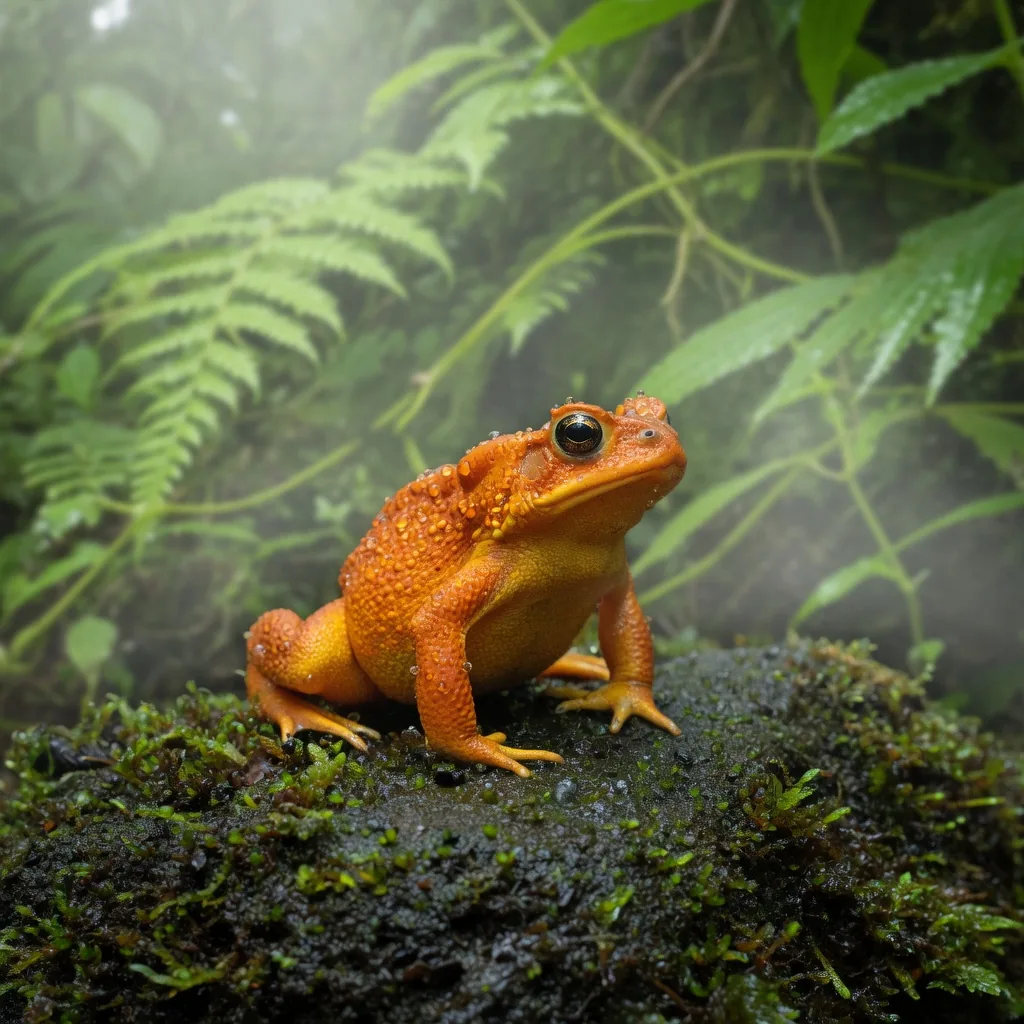
The golden toad (Bufo periglenes), also called the Monteverde toad or Orange toad, was a brilliantly colored true toad that lived only in the cloud-covered tropical forests of Costa Rica. It disappeared from the Earth in 1989. Scientists believe its extinction was part of the large-scale decline of amphibian populations driven by sudden climate change. A fungal epidemic swept through amphibian populations at the same time. Unusually warm, dry weather caused breeding pools to dry up before tadpoles could mature. The last confirmed sighting was on 15th May, 1989, and the species was declared extinct after all subsequent searches came up empty.
Pyrenean Ibex
The Pyrenean ibex (Capra pyrenaica pyrenaica) was a subspecies of the Spanish ibex that lived in the Pyrenees mountain range between France and Spain. Heavy poaching and the inability to compete with other animals in its territory reduced the wild population to fewer than 100 by 1900. Conservation efforts were put in place, but with fewer than 40 individuals left by 1910, the population was too small to recover. It survived for a few more decades but never bounced back. The last Pyrenean ibex died on January 6, 2000, when it was crushed beneath a falling tree.
An attempt to bring it back through cloning seemed to succeed in January 2009, when a cloned female was born. But the newborn died within minutes from lung failure, and the species became extinct again.
Recent Decades (2000, Present)
Western Black Rhinoceros
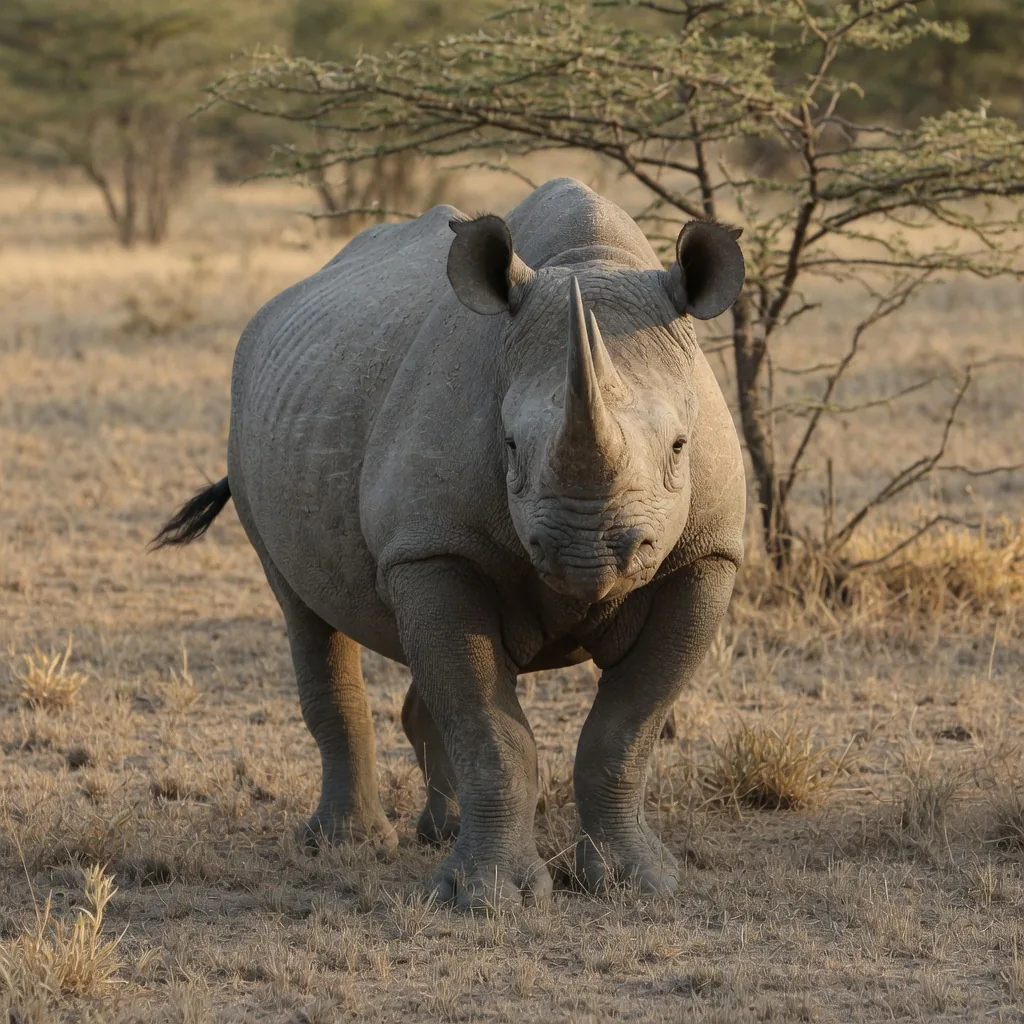
The western black rhinoceros (Diceros bicornis longipes), also known as the West African black rhinoceros, was a black rhino subspecies that lived in the savanna of central-west Africa. Like other rhinos, it was hunted relentlessly for its horn, which commands huge prices in international markets. Heavy poaching toward the end of the 19th century and into the 20th century hit the population hard. A small recovery in the 1930s was short-lived, numbers only fell again after that. Around a hundred individuals were left in the wild in the 1980s. By 2000, only around 10 remained. Poaching was never brought under control. The species went extinct somewhere between 2000 and 2006. After all searches in the wild failed, the IUCN added it to the Red List in 2011. You can learn more about which rhino species still survive in our article on the northern white rhinoceros.
Explore More Animals
 Top 10 Extinct AnimalsA brief write-up on the top ten extinct animals, from T. rex to Steller's sea cow, detailing how each species disappeared from the planet.
 A List of Endangered Animals From Every ContinentFrom the Bengal tiger and giant panda to the mountain gorilla and polar bear: a continent-by-continent list of the world's endangered animals, with photos.
 A Complete List of Desert Animals (With Pictures)Meet the hardy animals that survive the world's hot and cold deserts: camels, fennec foxes, meerkats, rattlesnakes, polar bears and dozens more, plus a close-up
 Endangered Rainforest Animals That Will Really Shock YouThough rainforests hold 40-75% of all organisms on Earth, many species face extinction. Meet the gorilla, Javan rhino, giant panda, and more, with IUCN status
Causes of Animal Extinction
Beyond the species listed above, some animals have not been seen for so long that they are classified as "likely extinct," like the Zanzibar leopard (Panthera pardus adersi). Others are classed as "functionally extinct," like the baiji (Lipotes vexillifer), or "extinct in the wild (EW)," like the Seychelles giant tortoise (Aldabrachelys hololissa). A few species once thought extinct have been rediscovered, Holdridge's toad and Vegas Valley leopard frog are two examples. A rediscovery is wonderful news, but those animals are still in grave danger.
The exact cause of the dinosaurs' extinction may never be fully known. But for almost every animal on the list above, human activity (directly or indirectly) is the clear cause. The most common drivers are habitat loss from land clearing, and hunting or poaching for food, horns, skin, and bones.
Here is a closer look at the most important causes of extinction today.
Deforestation
The relationship between land area and the number of species it can support is not a straight line, a small area supports far fewer species than a large one. Deforestation has shrunk the green zones of our planet. Many animals have lost the places they live and breed. As a result, animals venture into new areas in search of food, which brings them into dangerous contact with humans.
Global Warming
Scientists estimate that around 70 species of frogs have been wiped out by climate change alone. Penguins, polar bears, and many other animals are also threatened by rising temperatures. If temperatures keep climbing, the list of extinct animals will grow much longer.
Hunting
The dodo is a classic example of extinction through hunting. Humans hunted this flightless bird to extinction in just a few years in the mid-17th century. Today, tigers, cheetahs, rhinos, and elephants are still being heavily poached to meet the demand for their skin, bones, and tusks. This continues despite international bans.
Other causes also matter, predation by newly introduced species, disease outbreaks, competition for resources, genetic problems, and shifts in population dynamics all play a role. But the number of species that have gone extinct because of human-driven threats like habitat loss and poaching far exceeds those lost to natural causes.
The IUCN list of endangered animals keeps growing. The last time the full list was evaluated, in October 2012, there were 20,219 species threatened with extinction. Within less than a year, that number had risen to 20,934, and it has continued to grow since. (That count includes plants, not just animals, since plants are just as important for the planet's health.)
Losing a species puts enormous pressure on every other species connected to it in the food web. If deer populations collapse, tigers are forced into human settlements. If tiger populations collapse, deer numbers boom and strip the vegetation bare. The chain of consequences ripples outward in every direction. The rate at which we are losing species is alarming, and the effects are already being felt, the growing number of human-wildlife conflicts is one clear sign. We are part of the ecosystem. Any change in it will come back to affect us too.
Glossary: Key Extinction Terms
| Term | Meaning | Example |
|---|---|---|
| Extinct (EX) | No living individuals remain anywhere on Earth | Western black rhinoceros (2011) |
| Extinct in the Wild (EW) | Only survives in captivity; gone from its natural habitat | Barbary lion (possible captive survivors) |
| Critically Endangered (CR) | Extremely high risk of extinction in the wild | Northern white rhinoceros |
| Habitat Loss | Destruction or fragmentation of an animal's home environment, usually by humans | Deforestation that killed the Javan tiger |
| Invasive Species | A non-native species introduced to a new habitat, often outcompeting or preying on local wildlife | Brown tree snakes on Guam wiping out native birds |
| Chytridiomycosis | A deadly fungal disease that has devastated amphibian populations worldwide | Contributed to extinction of Craugastor escoces |

 Fun fact for today!An estimated 99% of all species that ever lived on Earth are now extinct.