

When you think of hibernating animals, the bear is probably the first creature that comes to mind. As the days grow shorter and temperatures drop, bears get the signal that winter is coming. They start eating as much as they can to build up their fat reserves — up to 15,000–20,000 calories every single day.
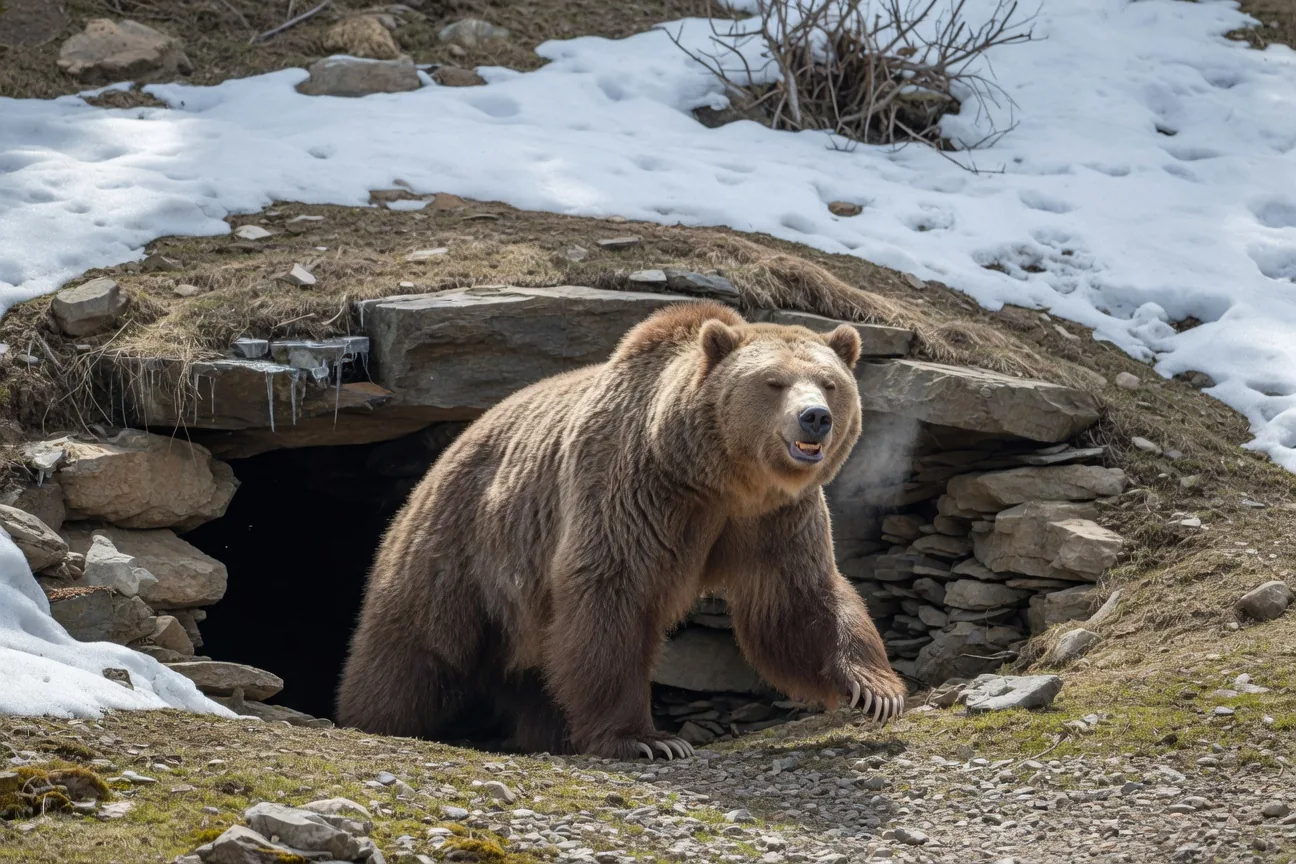
Once they have put on enough weight, they find a den. A den can be a cave, a hollow tree, or even a dug-out space under some rocks. Once inside, they settle in for the winter. Surprisingly, it is not the cold itself that drives bears into their dens — it is the fact that food becomes scarce.
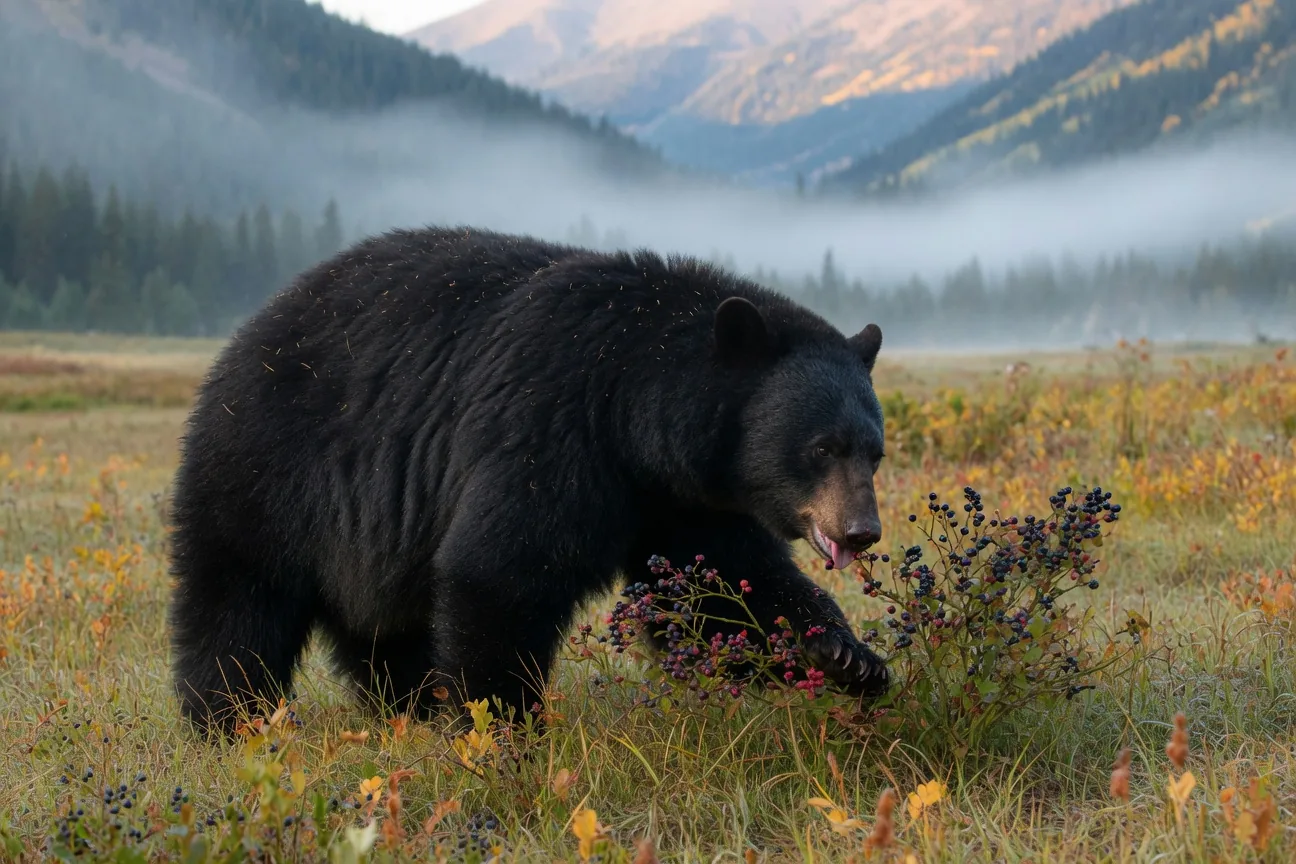
Bear Hibernation Facts Revealed
So bears do hibernate, right? Then why do some people say bears don't truly hibernate, but just go into torpor, or "winter sleep"? Some scientists even call it carnivore lethargy. Bear hibernation is a little different from what most small mammals do — but it is still fascinating. Here is why the debate exists and what is really happening.
The controversy comes down to temperature. When a ground squirrel hibernates, its body temperature drops close to freezing. Bears are different: their body temperature drops when they enter hibernation, but stays above 88°F (31°C). That is much warmer than a true hibernator.
But temperature is not the only thing that counts. Bears lower their metabolic rate by 50 to 75 percent. Most organisms slow down by about 50 percent for every 18°F drop in temperature. Bears break that rule — they slash their metabolism even though their body temperature barely changes, dropping only 10 to 12°F. Because of this remarkable metabolic shutdown, most scientists now agree that bears do hibernate.
While in their den, a bear's heart rate drops from around 55 beats per minute all the way down to just 9 beats per minute. Some species can go without food and water for more than 240 days — that is 8 months of the year. They survive entirely on stored fat. By the time spring arrives, a bear can lose up to 40 percent of its body weight.
Here is another surprising fact: bears do not urinate or defecate during hibernation at all. Their bodies convert waste products into amino acids, which are then used to rebuild muscle and organ tissue — even while the bear is essentially starving.
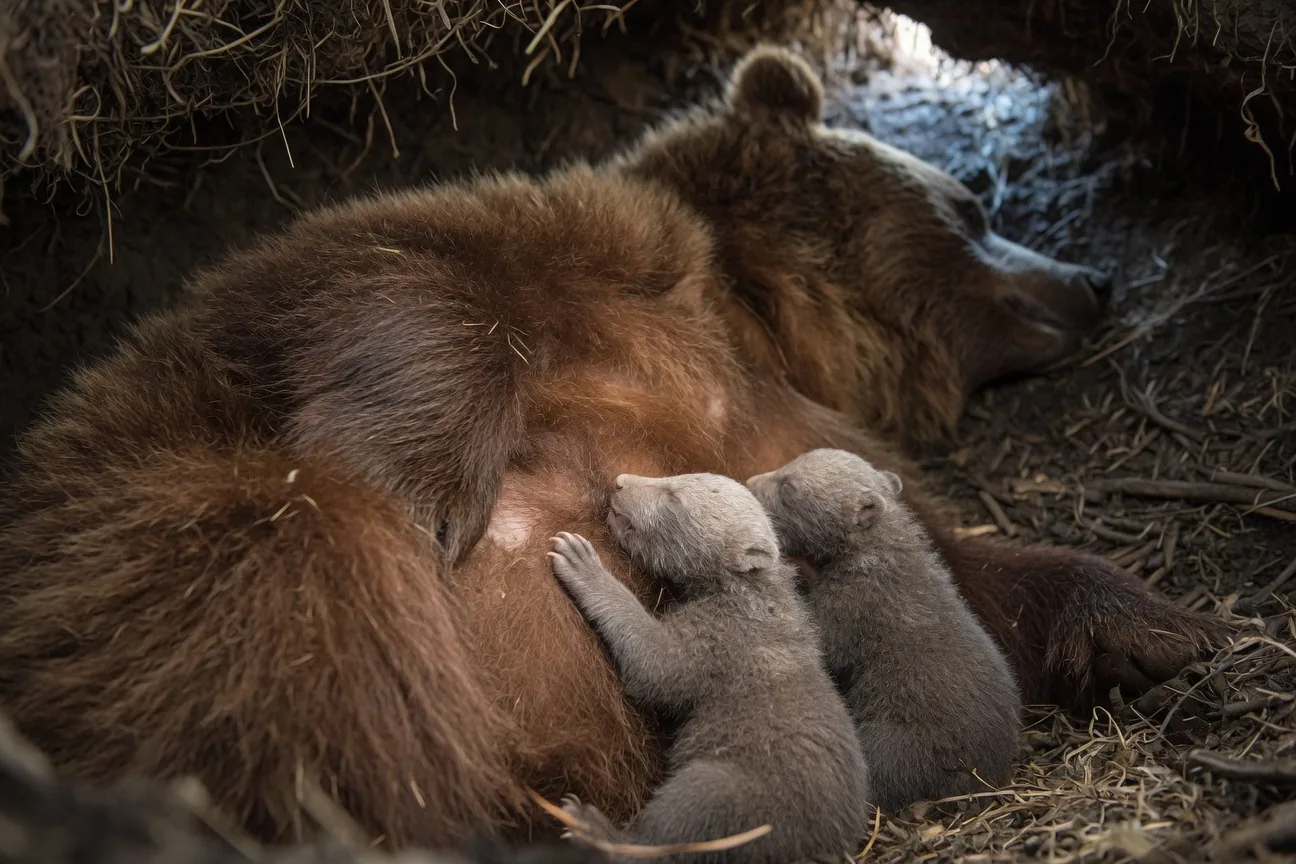
Hibernation usually begins in early October and runs until April or May. During that time, female bears give birth to one or two cubs and nurse them inside the den. When spring comes, the cubs are healthy and ready to explore the world.
Mating happens in summer, but the embryo does not develop straight away. Instead, it pauses in what scientists call delayed implantation (also known as arrested development). The embryo only starts growing again in fall, once the female has stored enough fat to survive nursing through winter. If she has not eaten enough, she can actually skip pregnancy that year. Even the number of cubs born can depend on how much fat the mother has saved up.
When bears finally come out in spring, they are not immediately back to normal. They enter a state called walking hibernation, which can last two to three weeks. During this time they eat less, drink less, and move more slowly than usual as their bodies gradually wake up.
Frequently Asked Questions
Do bears truly hibernate?
Bears enter a state sometimes called torpor or carnivore lethargy. They lower their metabolic rate by 50 to 75 percent but don't drop their body temperature to freezing like rodents do. Scientists now generally accept this as a form of hibernation.
How long do bears hibernate?
Some species can go without food and water for more than 240 days (8 months). Hibernation typically begins in early October and lasts until April or May.
Do all bear species hibernate?
No. Sun bears, sloth bears, spectacled bears, and giant pandas do not hibernate because food is available to them year-round.
Can bears give birth during hibernation?
Yes. Bears give birth to one or two cubs during hibernation and nurse them inside the den. The cubs are healthy and ready for the world when spring arrives.
Take the Bear Hibernation Quiz!
5 quick questions. Find out how much you really know about sleeping bears.
Cubs Born During Hibernation
Do All Bears Hibernate During Winter?
There are eight species of bears in the world, but not all of them hibernate. The ones that do not hibernate include sun bears (Ursus malayanus), sloth bears (Melursus ursinus), spectacled bears (Tremarctos ornatus), and giant pandas (Ailuropoda melanoleuca). These bears live in places where food is available year-round, so they have no need to sleep through winter.
Among the bears that do hibernate, the American black bear (Ursus americanus) is perhaps the best-studied species. How long a black bear hibernates depends on where it lives. Black bears in the southern United States hibernate for about 4 to 5 months. Those living in southern Canada or the northern United States hibernate for up to 8 months.
Grizzly bears (Ursus arctos horribilis) hibernate for 5 to 7 months. How long depends on the food available where they live. Coastal grizzlies that can fish in rivers tend to hibernate for a shorter time than those living in the Rocky Mountains, where food disappears earlier in the year. Before entering their den, grizzlies nearly double their body weight. Amazingly, despite packing on so much fat, grizzlies stay very sensitive to insulin. If a human gained weight like that, they would very likely develop Type 2 diabetes.
Polar bears (Ursus maritimus) are a special case. Adult males and females that are not pregnant stay active all year long — they do not hibernate at all. Only pregnant female polar bears den up, and they can stay inside for more than 240 days, emerging in March or April with their new cubs.
So that clears up the big myth. Bears do hibernate — just not in the same way as ground squirrels or other small mammals. Their body temperature does not crash to near-freezing. But that is actually an advantage: it lets bears wake up faster and return to normal more quickly than a true hibernator would.
Explore More Animals
 Animals That Hibernate: The Complete Kids' Guide to Winter SleepThe complete guide to animals that hibernate, bears, bats, frogs, snakes, bees and more. Learn how winter sleep works inside the body, and how hibernation diff
 Polar Bear AdaptationsDiscover the amazing physical and behavioral adaptations that let polar bears survive Arctic temperatures of -34°F, swim icy oceans, and thrive where few animal
 What Do Polar Bears Eat? Well, It's Not What You ThoughtNative to the Arctic, polar bears are the world's largest land carnivores. Discover their diet, hunting methods, and what happens to their food in summer when t
 Giant Panda Facts: The Complete Kids' GuideThe complete giant panda guide for kids: where pandas live, what they eat, their secret extra thumb, mating habits, the full baby panda growth cycle, sub-specie

 Fun fact for today!Bears eat up to 20,000 calories a day before hibernation — that's about 40 large pizzas!