

As a kid, when I heard about something called 'jellyfish', I had quite a picture in my head, a cute little fish sitting on top of a red, delicious jelly. Sadly, that idea didn't last long. The real jellyfish is nothing like a small fish, and it has nothing to do with jelly either. These creatures, also known as jellies, can be found in oceans all over the world. There are several species of jellyfish. The smallest is the Irukandji (Carukia Barnesi), and the largest is the lion's mane jellyfish (Cyanea capillatsa).
Cannonball Jellyfish
The cannonball jellyfish gets its name because it looks like a cannonball. Its bell (the dome-shaped top of its body) is round and compact, just like a real cannonball. Unlike most jellyfish, this one has no tentacles at all. Instead, it has fleshy oral arms underneath its body. These arms do two things: they help the jellyfish move through the water, and they help it catch food. The bell is covered in pigmentation that can range from brown to purple.
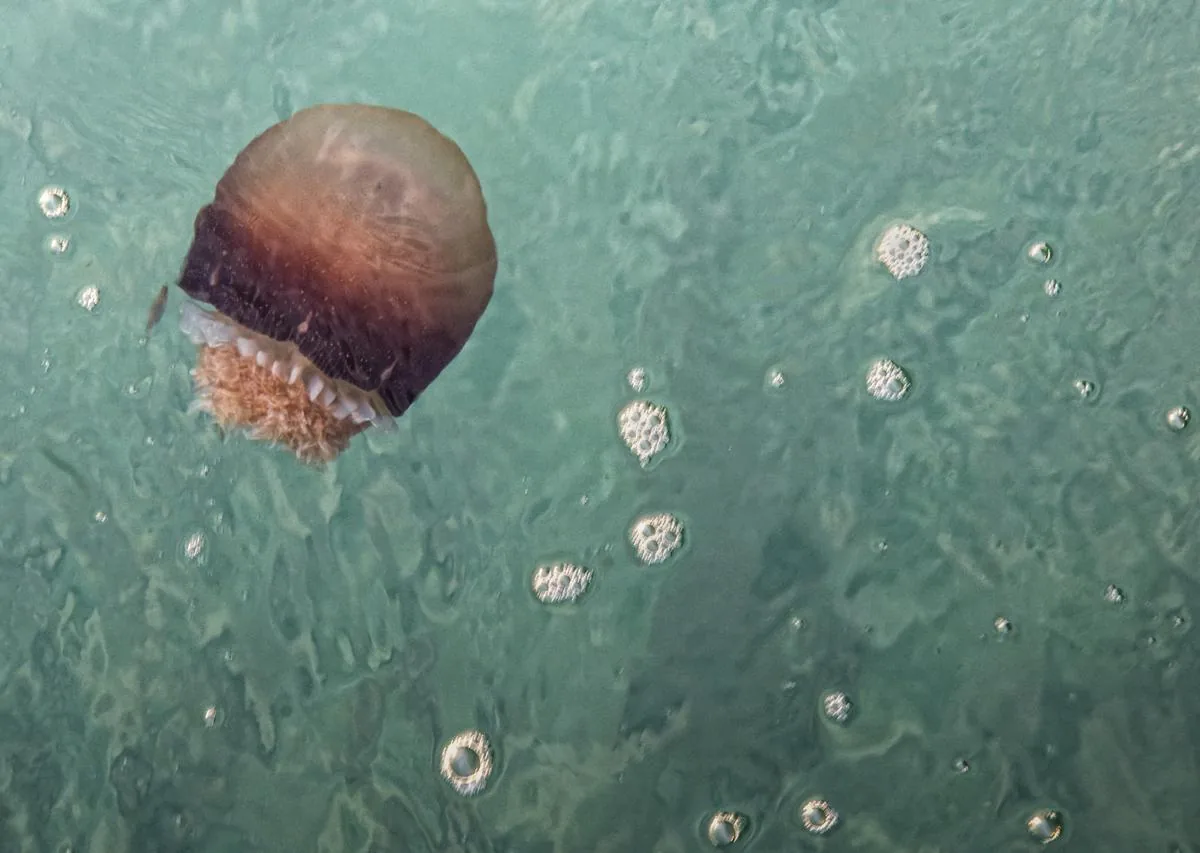
Habitat
Habitat is one of the most important things in any living creature's life. It is the place where an animal gets everything it needs to survive. Cannonball jellyfish live in the Pacific Ocean, the middle parts of the Atlantic Ocean, and in coastal waters from New England all the way down to Brazil. They prefer warm water, and an average temperature of 23 degrees Celsius suits them best.
Diet
After habitat, diet is the next most important thing for survival. Scientists have found that cannonball jellyfish eat zooplankton and red drum larvae. Both of these are tiny creatures that drift through the ocean water.
Reproduction
Cannonball jellyfish can reproduce in two ways, sexually and asexually. Sexual reproduction happens when the jellyfish is in its medusa state. That is the adult, free-swimming stage. Asexual reproduction happens when it is in its polyp state, through a process called budding.
During sexual reproduction, these jellies shoot sperm out of their mouth. Another jellyfish catches the sperm, and fertilization takes place. The oral arms around the mouth contain special pouches that act as a womb, where the embryo grows. A few hours later, the larvae detach from the pouches and find a hard surface to attach to. There they grow into polyps. Even at this young stage, they can already catch small creatures that drift past them.
Take the Cannonball Jellyfish Quiz!
5 quick questions. How much do you know about this ocean drifter?
Defense & Toxins
Most species of jellyfish are poisonous to other living things. One of the most dangerous is the box jellyfish, which is highly toxic. Cannonball jellyfish also produce a toxic mucus. This is harmful to small fish nearby and helps warn off predators. There have been a few cases where they have stung humans, but a cannonball jellyfish only attacks when it is disturbed or threatened. Their toxins can trigger heart problems in humans and animals in rare cases.
Frequently Asked Questions
Why is it called a cannonball jellyfish?
Its dome-shaped bell resembles the shape and size of a cannonball.
What does the cannonball jellyfish eat?
Zooplankton and red drum larvae.
Are cannonball jellyfish dangerous to humans?
A cannonball jellyfish attacks only when instigated. Their toxins can trigger heart complications in humans and animals in rare cases.
What animal eats cannonball jellyfish?
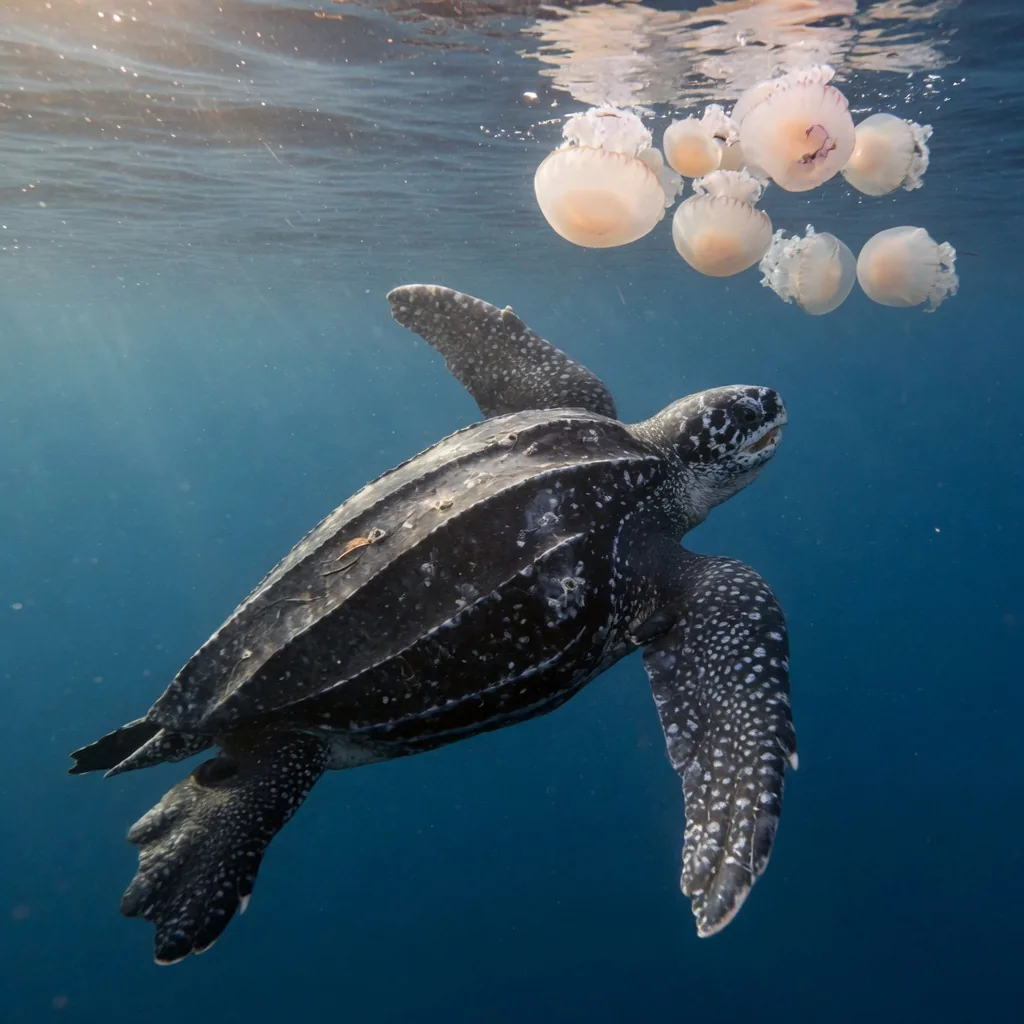
They are the main food source for the leatherback sea turtle, which is an endangered species.
What does Stomolophus meleagris mean?
It means 'many mouthed hunter.'
Some Quick Facts
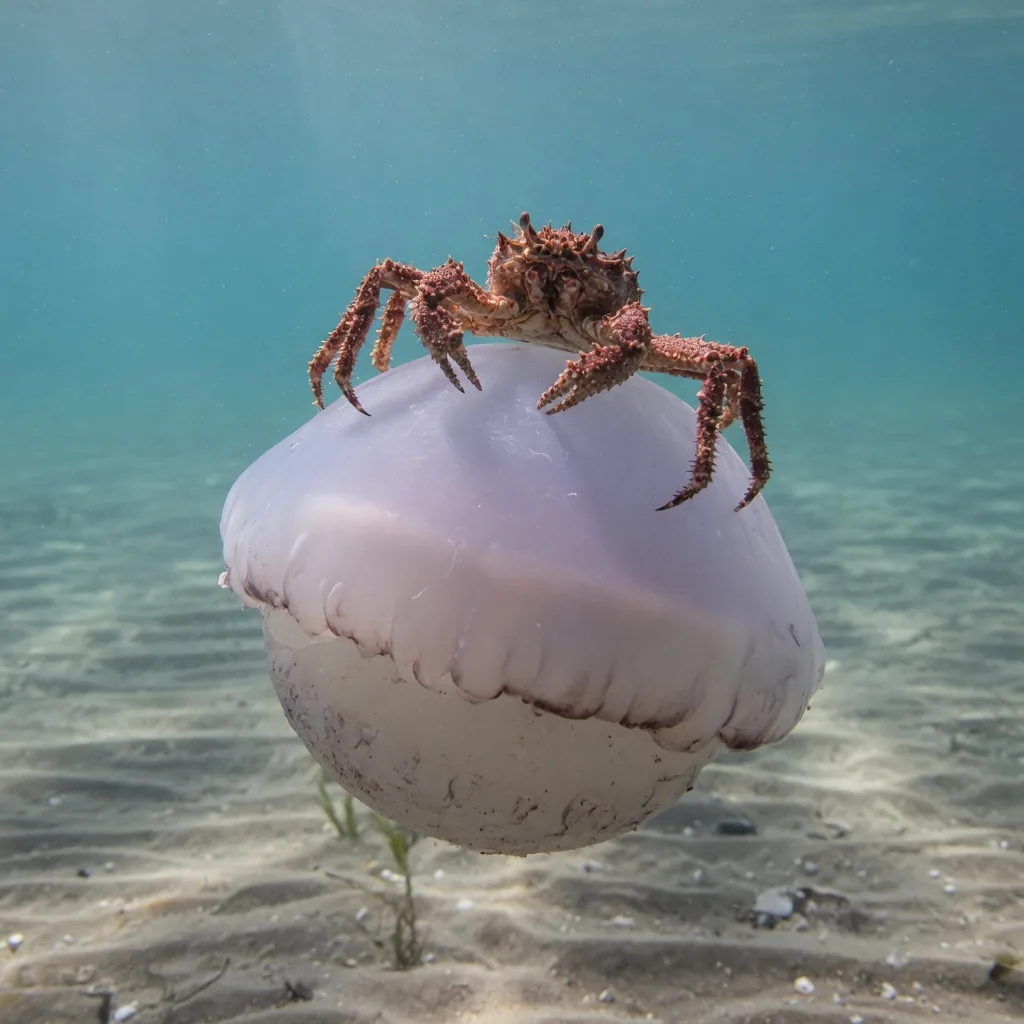
- These jellyfish share a symbiotic relationship with the portly spider crab.
- Cannonball jellyfish are eaten by people in several parts of the world. They are high in protein, low in fat, and have very little cholesterol.
- Some people believe these creatures may help with conditions such as arthritis, bronchitis, and high blood pressure.
- These jellyfish are processed quickly after they are caught, because they spoil very fast.
- They play a very important role in the ecosystem, they are the main food source of the leatherback sea turtle, which is an endangered species.
And to conclude with one more fact about the cannonball jellyfish, its scientific name 'Stomolophus meleagris' means 'many mouthed hunter.' Adios!
Explore More Animals
 Types of JellyfishJellyfish are mysterious ocean creatures, a complete kids' guide to the most popular types, plus how jellyfish live, eat, sting, and survive. From the deadly S
 Fantastic Facts About the Moon Jellyfish (Aurelia Aurita)Appearing like floating mushrooms, moon jellyfish drift through warm oceans worldwide. Discover how they move, sting, eat, and reproduce, plus a quiz!
 Utterly Enchanting Facts About JellyfishThe jellyfish is a unique marine animal, known for its delicate looks, and equally deadly stings. However, there is much more to this sea creature than is appar
 What Do Sea Turtles Eat? It's Not What You ThinkSea turtles, herbivores, carnivores or omnivores? The answer depends on the species. Discover the diet of all seven sea turtle species, plus a quiz, glossary,

 Fun fact for today!The cannonball jellyfish has NO tentacles, it uses oral arms to move and catch food!