

Foxes are best known as sly creatures, but they are really just like any other animal in the wild. You may have heard the phrase "as sly as a fox" in fables and old stories. Foxes pop up in literature quite often, but usually with a bad reputation!
So are these hunters really as cunning as the stories say? These interesting facts about foxes will help you get to know these beautiful creatures.
Fast Facts about Foxes
Scientific name: Vulpini
Lifespan: 5 years (on an average in the wild)
Gestation period: 50-60 days
- Foxes are solitary animals who do not prefer to live in packs. The fox belongs to the medium-sized Canidae family.
- Foxes can be found in almost every kind of habitat. They also show an ability to adapt to the presence of humans.
- The Fennec fox is the smallest fox among all the species. This tiny animal weighs a mere 3.5 pounds.
- Foxes are the only type of canines who can retract their claws like cats do. They also have vertical pupils that resemble those of cats, rather than the rounded pupils seen in dogs.
- Foxes use various sounds and pitches to communicate with each other. Their high-pitched howls are noticeable during the mating period which falls during the months of December and January.
- As compared to wolves or jackals, foxes are smaller in size. They are characterized by their sharp muzzle and the rather bushy tail. The chest area and the underbelly generally have a shade of white or gray.
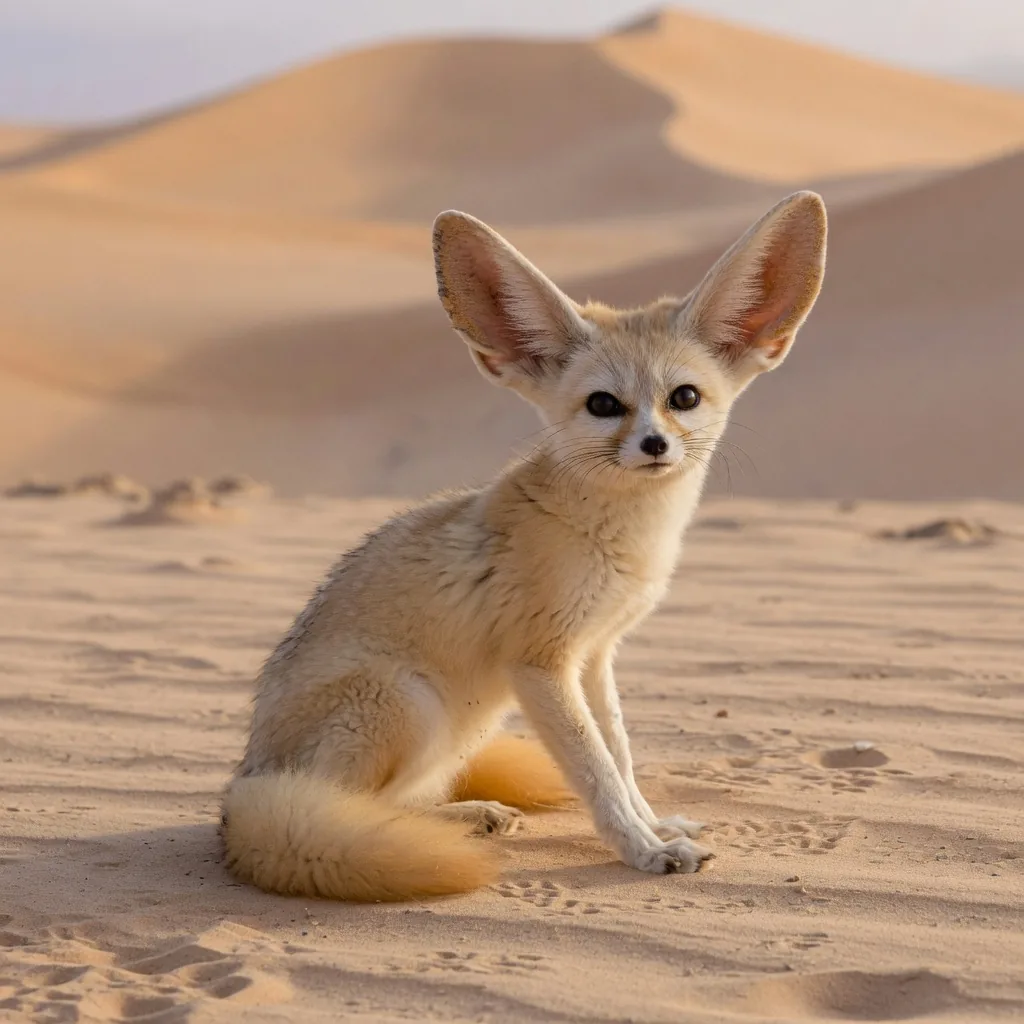
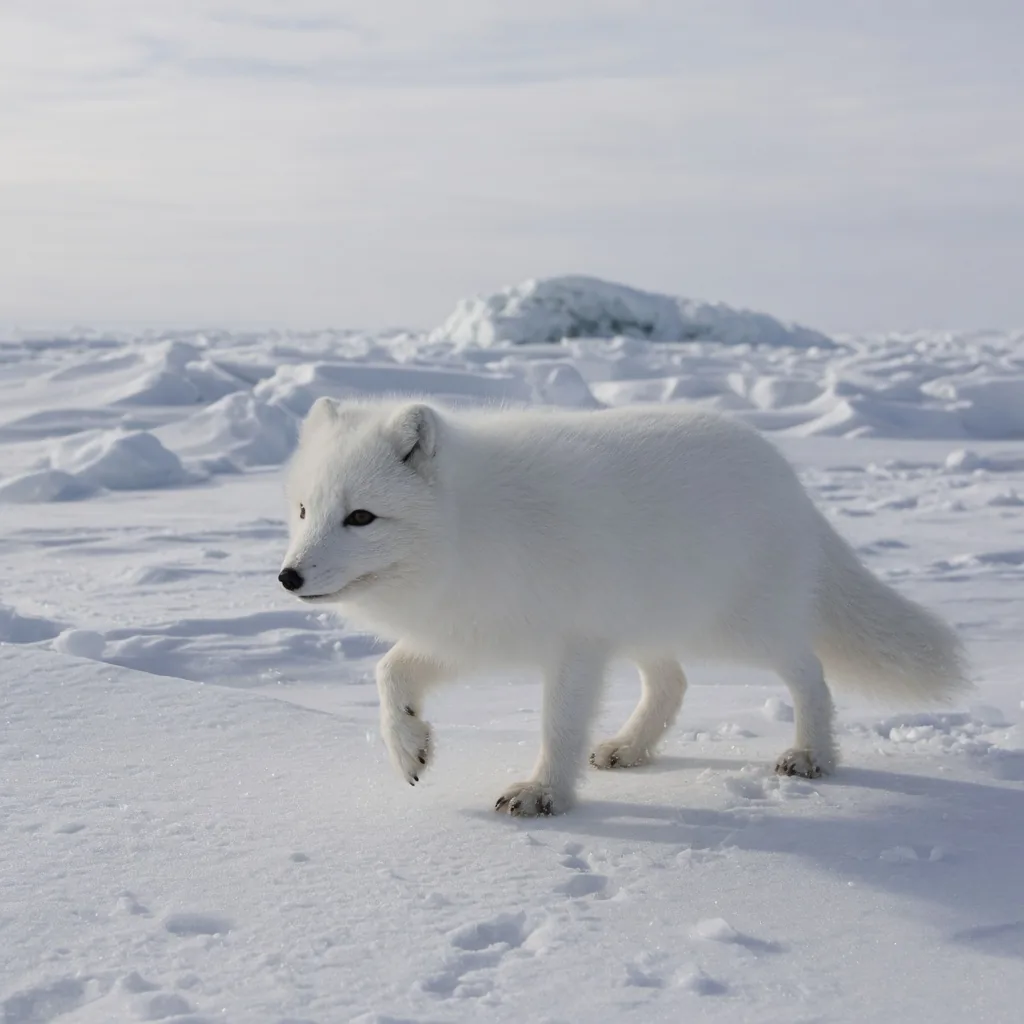
- A fox's look depends on where it lives. The Red fox has a reddish-brown coat, while the Arctic fox grows very thick fur to stay warm.
- The Red fox is the most commonly found species of foxes; it is found all over the world.
- Foxes generally prefer areas of higher latitudes. They can also adapt fairly well to an urban environment.
- This animal has been used successfully on fruit farms to control pests. Foxes help to get rid of rodents without really harming the fruits.
- Foxes that inhabit areas close to humans also feed on household wastes.
- Although foxes are similar in some ways to cats and dogs, they generally avoid contact with these animals.
- Foxes feed on rodents, worms, insects, birds and all types of smaller-sized animals. They are known to store their food in hideouts to be consumed at a later time.
- Foxes are basically nocturnal animals and prefer to hunt at night.
- Foxes also play an important role in the ecological cycle by killing rodents and helping control their population.
Take the Fox Facts Quiz!
5 quick questions. How well do you really know the clever fox?
Foxes in Folklore and Culture
The fox played an important role in the Aesop fable The Fox and the Grapes. In the story, a fox fails to reach some grapes and then pretends he didn't want them anyway. That's where the phrase sour grapes comes from, used when someone pretends not to care about something they lost.
Foxes have often been depicted in folklore as cunning creatures. Stories often suggest these animals also have magical powers.
Frequently Asked Questions
What is the scientific name for foxes?
Foxes belong to the tribe Vulpini within the family Canidae.
What is the smallest fox species?
The Fennec fox is the smallest, weighing only about 3.5 pounds.
Can foxes retract their claws?
Yes, foxes are the only canines that can retract their claws, much like cats.
What is a female fox called?
A female fox is called a vixen.
Are foxes nocturnal?
Yes, foxes are basically nocturnal animals and prefer to hunt at night.
A female fox is called a vixen. In everyday English, the word vixen is also used to describe a clever and spirited woman, borrowed straight from the fox!
Fox characters have appeared in many films and TV shows. The Disney film The Fox and the Hound was based on a novel by Daniel Pratt Mannix IV.
The fox is considered to be an important and sacred figure in Mesopotamian mythology.
Explore More Animals
 Jaw-dropping Facts About the Red FoxBuilt for speed and known for its clever opportunistic behavior, the red fox is one of the world's most widespread mammals. Discover its habitats, diet, amazing
 What Do Foxes Eat? Diet, Hunting Habits & Fun FactsFoxes are omnivores that eat everything from rabbits and mice to berries and earthworms. Discover what foxes eat, how they hunt, and what makes their diet so im
 A Complete List of Different Types of Foxes, With PicturesNot every animal called a fox is a true fox. Meet the 12 true foxes of genus Vulpes (the red, Arctic and fennec) plus the crab-eating, South American, bat-ear
 Red Fox Habitat: Places Where These Cunning Carnivorans LiveThe red fox lives in grasslands, forests, deserts, icy plains, and even cities. Find out where red foxes live, how they find food, and why they've conquered alm

 Fun fact for today!Foxes are the only canines that can retract their claws, just like a cat!