

Origins in New Zealand
Kiko goats come from New Zealand. They were created in the 1980s by crossbreeding feral (wild) goats with dairy breeds such as Nubian, Saanen, or Toggenburg. A company called the Goatex Group LLC developed this breed in New Zealand. Kiko goats were first brought to the United States in the mid-1990s.
They arrived around the same time as another popular meat breed called the Boer goat. Over time, Kiko goats have grown more popular (especially in the Southeastern United States, including Alabama) because of the many ways they outperform other breeds.
Mainly Bred for Meat
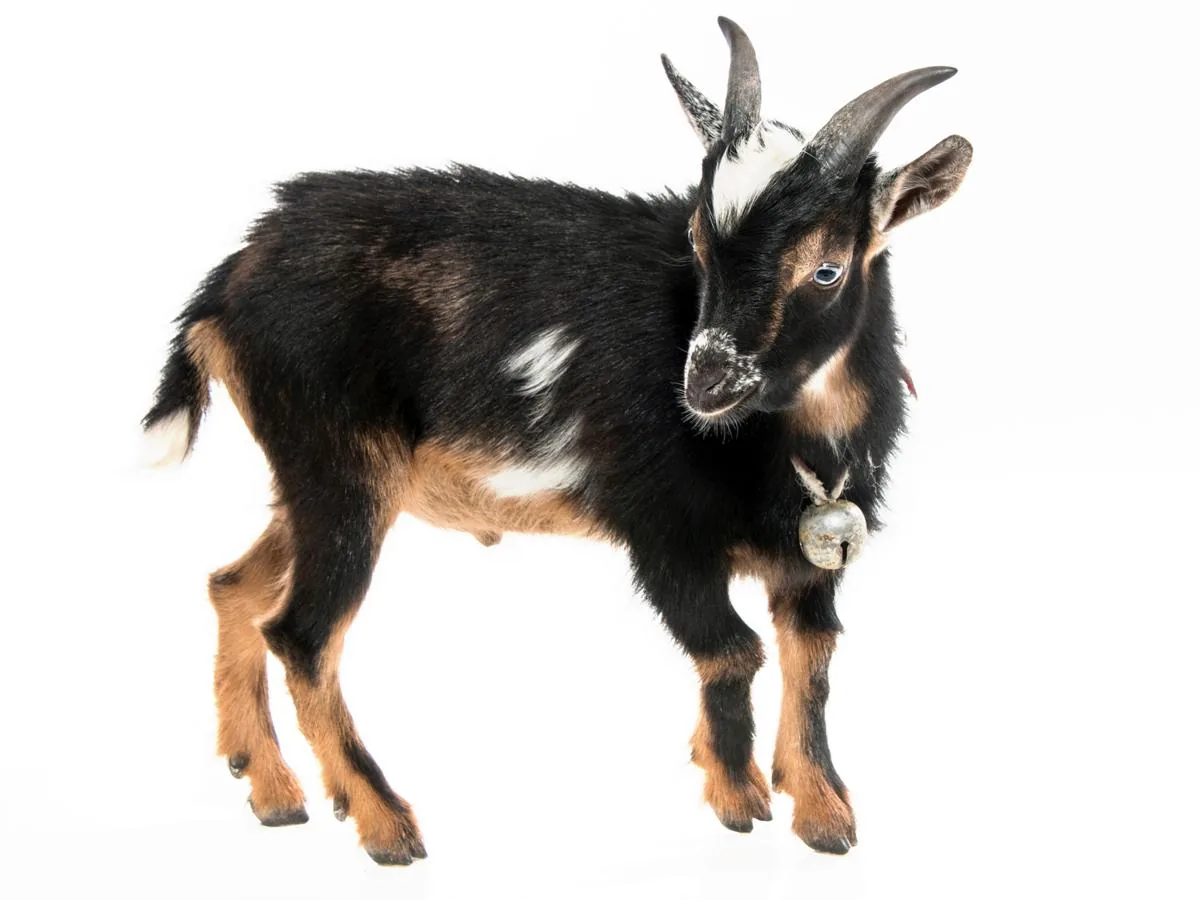
The word kiko in Maori means meat, and that tells you exactly what this breed was built for. Kiko goats are raised mainly for meat. Farmers like them because they can produce a lot of meat without needing much food, land, or time to look after them. They can survive and thrive even in tough conditions where other breeds would struggle.
Kiko goats are one of the most popular meat goat breeds because of their toughness, low maintenance needs, and high meat output.
Grow Rapidly
Many goat breeds are raised for meat, but not all of them reach market weight as quickly as Kiko goats. Most breeds also need large amounts of food to grow that big. Kiko goats, on the other hand, grow rapidly even without extra feed or supplements. This makes them very popular with farmers who want to sell meat efficiently.
Kiko goats can survive in harsh conditions and will eat almost anything. They graze very efficiently, turning most of what they eat straight into muscle and meat.
Take the Kiko Goat Facts Quiz!
5 quick questions. How much do you really know about these hardy meat goats?
Size and Color
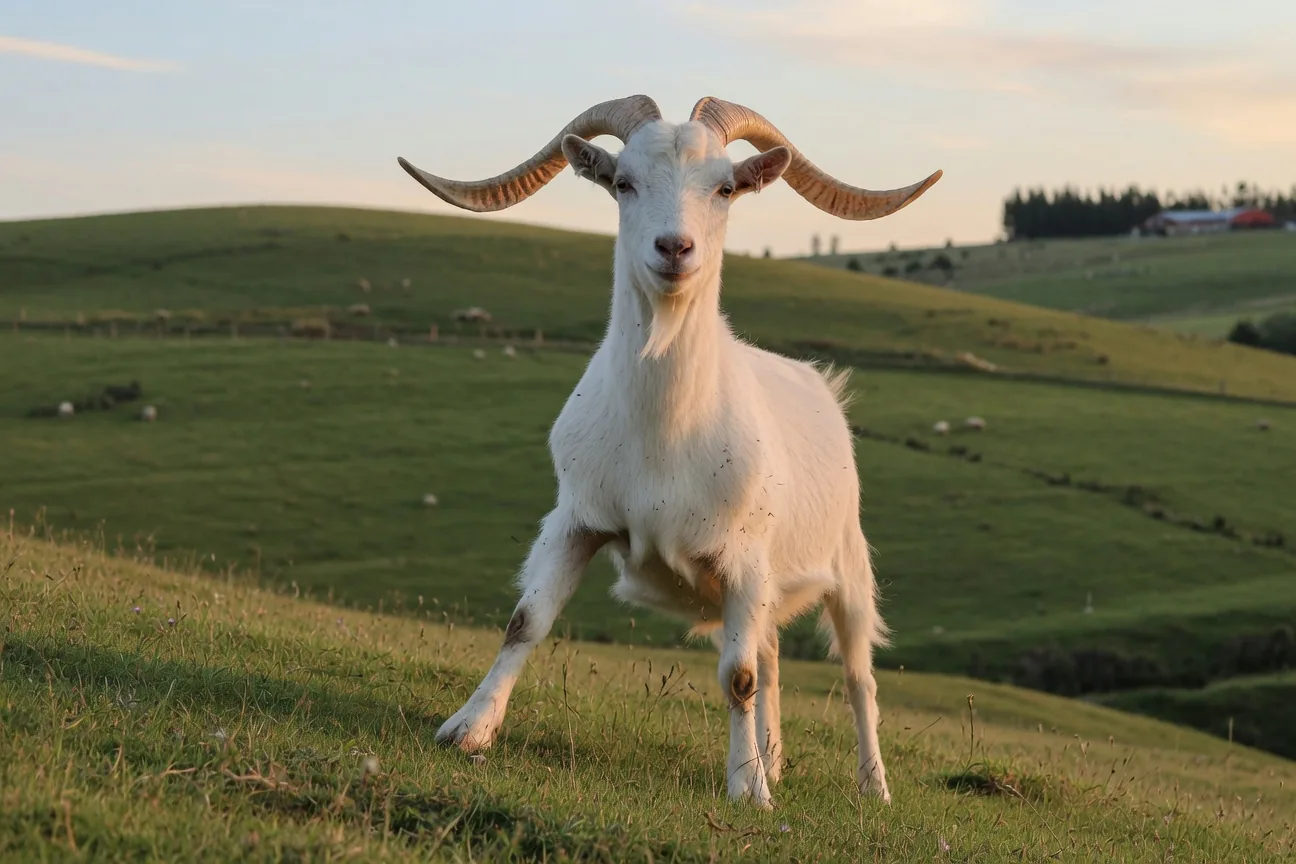
These goats have a medium to large frame, and are mostly white or cream in color. However, some of them may be colored as well. That is, they may be found in red, brown, and black colors as well.
Male and Female Kiko Goats
Male Kiko goats are larger and more muscular, with big horns and a bold, assertive nature. Female goats have a lighter build and are very good at raising multiple kids at once. Does (female goats) raise their kids all the way to weaning age without any help from farmers, that independence is part of what makes this breed so easy to keep.
An adult male may weigh about 250 to 300 lbs. An adult female may weigh about 100 to 150 lbs.
Kiko Kids
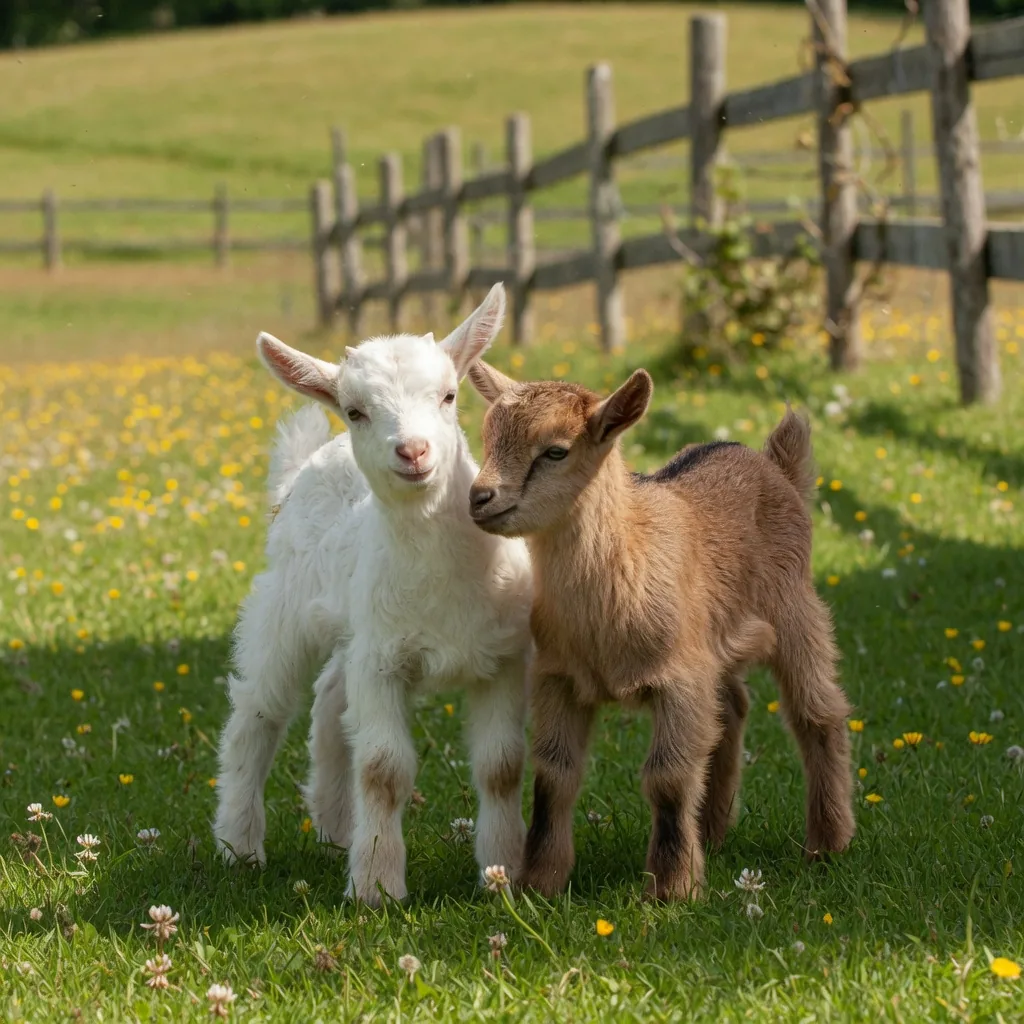
Kiko kids are strong and lively right from the moment they are born. They grow very quickly. This is partly because Kiko does produce high-quality, nutritious milk that fuels fast growth. Kiko kids also have high weaning weights and a strong survival instinct, they are built to make it.
Long Breeding Season
Kiko goats have a longer breeding season than most other goat breeds and can breed all year long. Kiko males are also very active breeders. In fact, it is said that one Kiko male can mate with up to five hundred females in an extended season.
Explore More Animals
 How to Care for Pygmy Goats: Believe Us, It's Not DifficultA pygmy goat is a smaller breed of the dairy or meat goat. Caring for this goat is no different from caring for other pets. Here are some tips you can follow to
 Benefits of Ammonium Chloride for GoatsLack of proper diet may cause stones in the bladder of goats. Ammonium chloride changes the pH of the urine in a way that prevents excess minerals from crystall
 Fascinatingly Crazy Facts About Texas Longhorn CattleTexas Longhorns are renowned the world over for their remarkably long horns and lean meat, which has less saturated fat compared to other breeds. AnimalSake lis
 Surprisingly Awesome Facts About Limousin CattleLimousin cattle are raised for their meat in more than 70 countries across the world. AnimalSake gives you some facts and information about this hardy cattle br
Less Health Problems
Kiko goats are much healthier than most other breeds. They rarely get sick and need less deworming (treatment to remove internal parasites) than other goats. They also have fewer foot-related problems, which means less hoof trimming for farmers.
These are the key traits that Kiko goats are known for, and required to have. If a goat cannot meet these standards, it may be culled (removed from the herd) so that breeders keep only the toughest, most capable animals.
Frequently Asked Questions
Where do Kiko goats come from?
New Zealand, developed in the 1980s by the Goatex Group LLC.
What does 'kiko' mean?
Meat, in the Maori language.
How heavy do male Kiko goats get?
Adult males typically weigh 250-300 lbs.
Are Kiko goats good for meat?
Yes, they grow rapidly, convert feed efficiently, and reach market weight faster than many other breeds.
When were Kiko goats imported to the United States?
In the mid-1990s.

 Fun fact for today!The word kiko in Maori means meat, the name tells you exactly what this breed was built for!