

What Makes a Mammal?
Mammals share a set of key features. They are endotherms, which means they can keep their body temperature steady no matter how hot or cold it is outside. Female mammals have mammary glands that produce milk to feed their young. All mammals also have hair or fur somewhere on their body, it may cover them completely, or appear only in certain spots.
Mammals have three tiny bones in their middle ear that carry sound to the brain, no other animal group has exactly this arrangement. They also have a four-chambered heart, which pumps blood very efficiently. All mammals breathe air, even the ones that live underwater. You can watch dolphins and whales rise to the surface regularly to take a breath. Their lungs handle the exchange of oxygen and carbon dioxide, just like ours do.
Most mammals have four legs, but there are exceptions. Whales, dolphins, dugongs, and manatees have lost their hind limbs through millions of years of evolution and are perfectly shaped for life in the water. Most mammals also have 7 neck vertebrae, but the manatee and two-toed sloth have only 5 to 7, while the three-toed sloth has 8 to 9.
In most mammals, teeth are replaced only once, from baby teeth to adult teeth. The exceptions are the pygmy rock-wallaby, silvery mole-rats, and manatees, whose teeth keep being replaced throughout their whole lives.
Classification of Mammals
Here is how Mammals are Classified
Based on how their offspring develops, mammals are split into two subclasses.
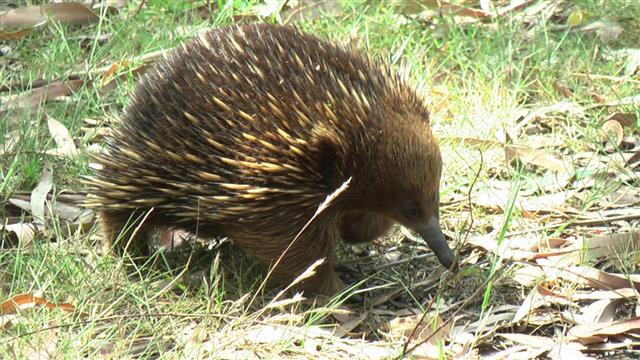
Prototheria, These mammals lay eggs, incubate them, and then the young hatch. They are also called monotremes. Only two kinds exist on Earth today: the platypus and the echidna.
Theria, These mammals carry their offspring inside the body before giving birth. This group is further divided into Metatheria and Eutheria.
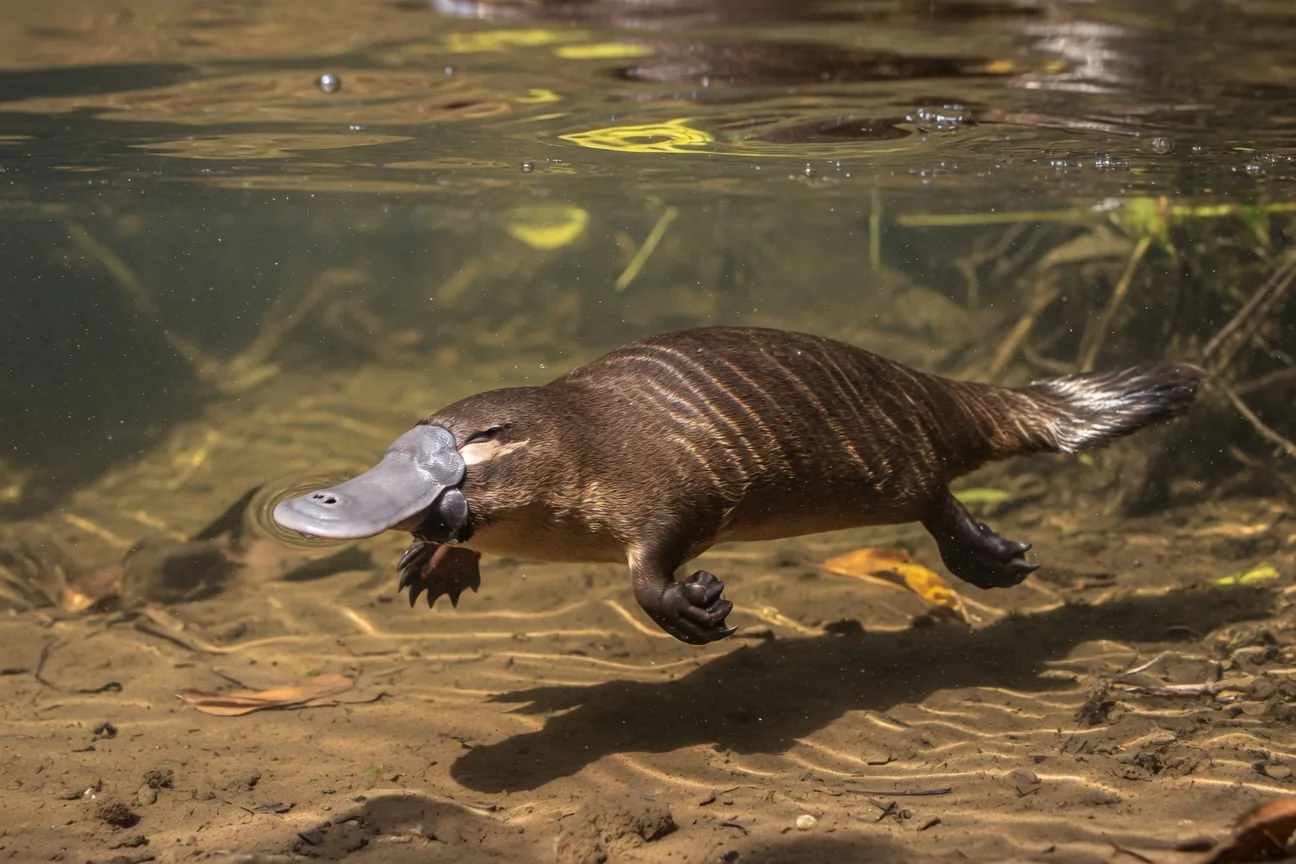
Metatheria
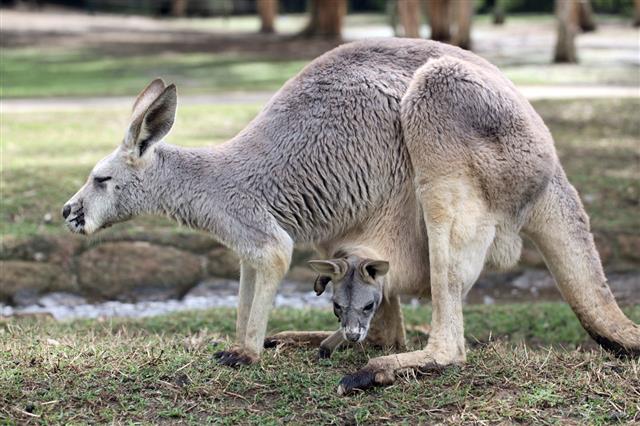
Marsupials have a pouch on their belly. They give birth to very tiny, underdeveloped babies that crawl straight into the pouch and keep growing there. Kangaroos and koalas are some well-known marsupials.
Eutheria
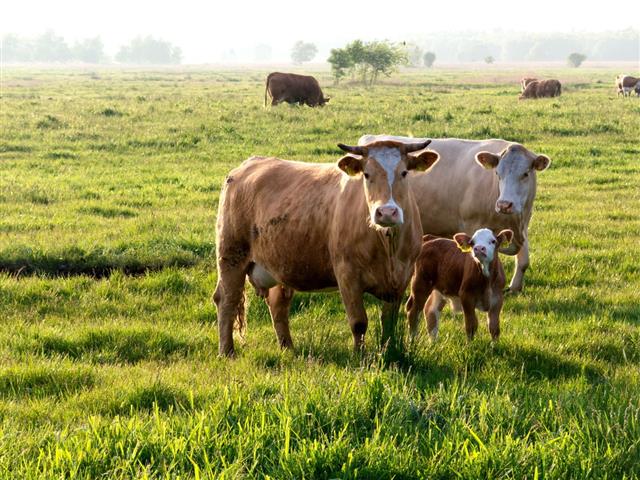
Placentals have no pouch. The baby is nourished inside the womb by a special organ called the placenta until it is ready to be born. About 95% of all mammals belong to this group, humans, elephants, tigers, cows, and bears are all placentals.
Take the Mammal Facts Quiz!
5 quick questions. How much do you really know about the mammal world?
Interesting Mammal Facts
The bowhead whale holds the record for the longest lifespan of any mammal, it can live for over 200 years. That means the same whale could be seen and admired by seven or more generations of the same human family.
The Biggest Mammal in The World
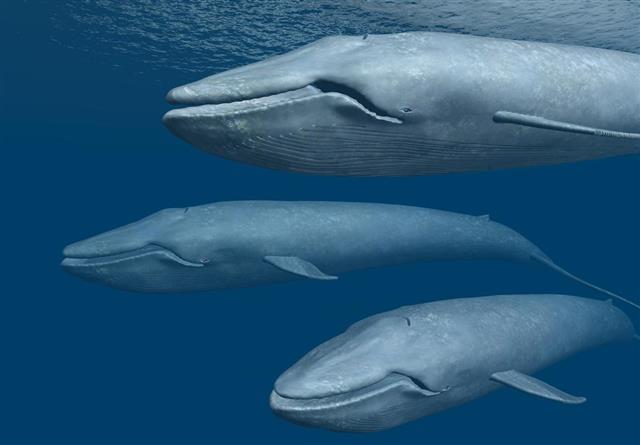
The largest mammal is the blue whale, and it is also the biggest animal of any kind ever to have lived on Earth, bigger than any dinosaur. Blue whales can grow to 30 meters in length and weigh around 400,000 pounds. They are also the loudest animals on the planet. A blue whale's call can reach 188 decibels and travel over 500 miles through the ocean.
Smallest Gestation Period in the World for a Mammal
The Virginia opossum, the water opossum (yapok) of South America, and the eastern native cat of Australia all share the record for the shortest gestation period of any mammal, just 12 days.
Fastest Mammal on Earth
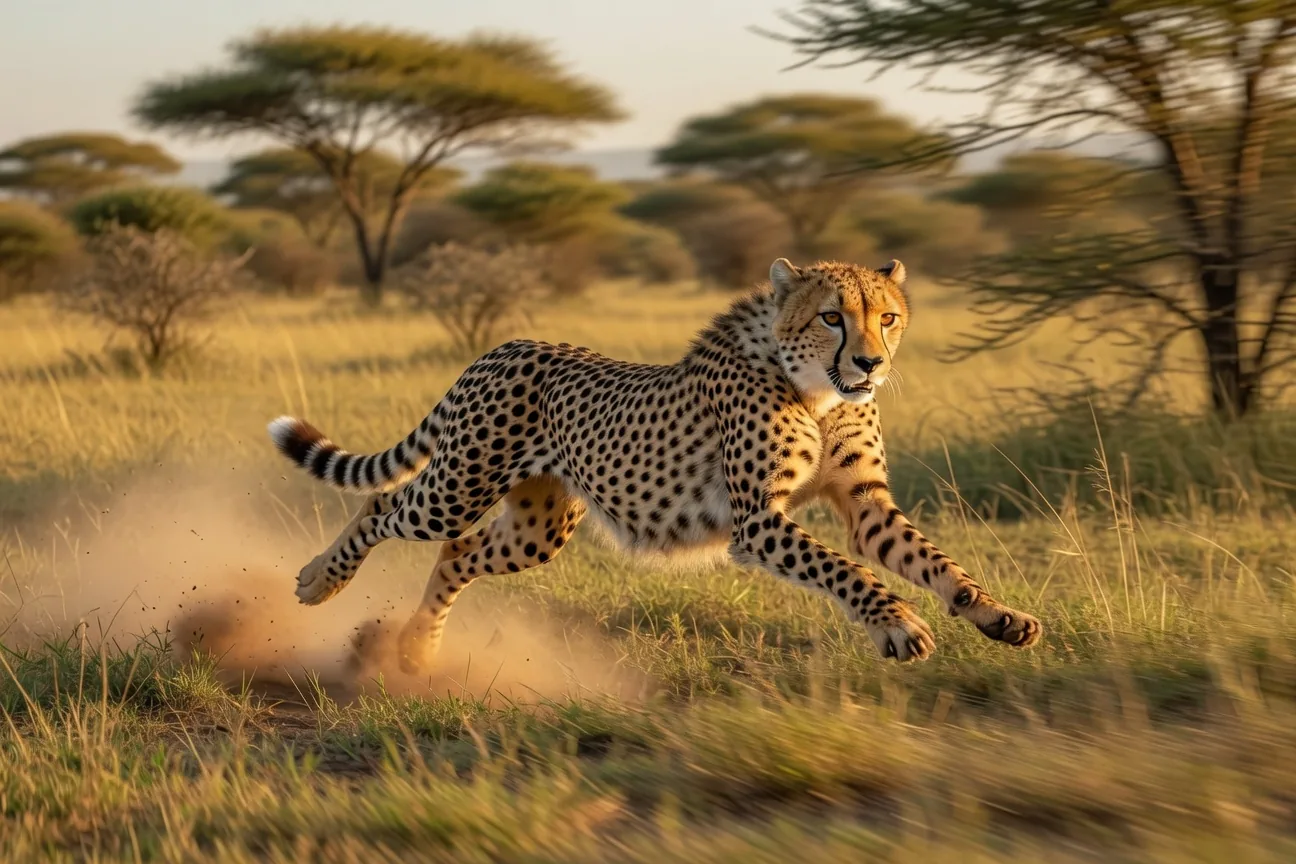
The fastest mammal on land is the cheetah. It can sprint at speeds of up to 60 mph, and it can go from 0 to 60 mph in just three seconds, faster than most sports cars.
Frequently Asked Questions
What is the largest mammal on land?
The African elephant, which can grow up to 3.3 meters tall and weigh around 13,000 pounds.
What is the smallest mammal in the world?
The Kitti's hog-nosed bat (bumblebee bat), which grows to only 1.3 inches and weighs 2 grams.
Do all mammals give birth to live young?
No. Monotremes (the platypus and echidna) lay eggs. Marsupials like kangaroos give birth to very underdeveloped young that finish developing in a pouch.
Which mammal lives the longest?
The bowhead whale, which can live over 200 years.
Can any mammal fly?
Yes, bats are the only mammals capable of true powered flight.
Smallest Mammal in the World
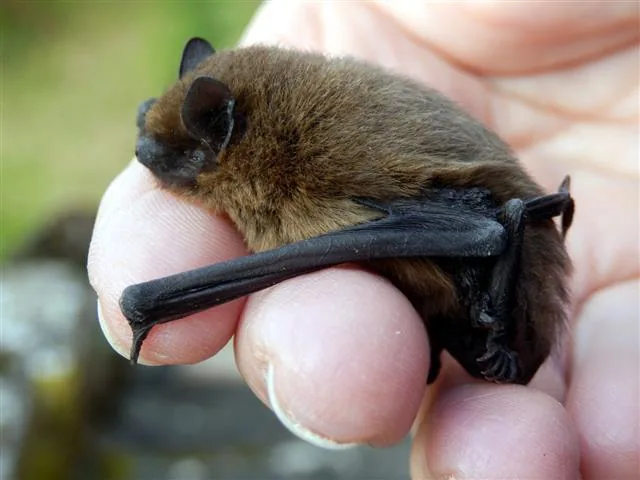
The smallest mammal in the world is the Kitti's hog-nosed bat, also called the bumblebee bat. It grows to just 1.3 inches long and weighs only 2 grams, about the same as a sugar cube. Bats are also the only mammals capable of true powered flight.
Fastest Mammal in Water
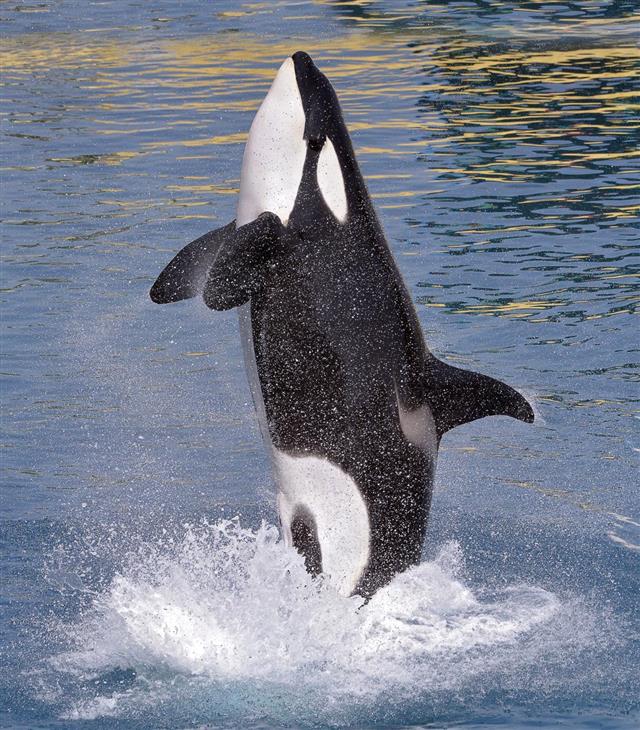
The killer whale (orca) is one of the fastest mammals in water. It can swim at up to 34 mph, fast enough to chase down almost any ocean prey.
Australia: The Land of Mammals
Australia is the only continent on Earth where all three major mammal groups live side by side, monotremes, marsupials, and placentals. It is also home to around 70% of all marsupial species on the planet.
No teeth No Brushing
Some mammals have no teeth at all. These include the platypus, echidna, baleen whales (15 species), and anteaters. Instead of teeth, they have other ways of catching and eating their food, baleen whales filter tiny krill from the water, and anteaters use a long sticky tongue.
Today there are more than 5,000 species of mammals in the world. Over millions of years, mammals have evolved to thrive in almost every environment, frozen tundra, deep oceans, scorching deserts, and dense rainforests. They are one of the most adaptable and diverse groups of animals that have ever lived on Earth.
Explore More Animals
 Mammals That Lay EggsLong and short-beaked echidna and platypus are the only mammals that lay eggs. Learn about monotremes, the egg-laying mammals classified under the order Monotr
 Blue Whale Facts: Size, Diet & Life of the Ocean's Gentle GiantThe complete blue whale guide for kids: how big they are, what they eat, where they live, the record-breaking 89-foot giant, and why these gentle giants are end
 Incredibly Unusual Animal Facts You'll Be Surprised ByFrom a porcupine's 30,000 quills to a blue whale's record-breaking call, discover the most unusual animal facts from around the animal kingdom.
 Fun Facts About the Animal Kingdom That Kids Will EnjoyAre you looking for interesting facts about animals? Can you believe flies have five eyes; two large and three smaller ones? Here are some amazing facts about a

 Fun fact for today!The bowhead whale can live over 200 years, the same whale could be seen by seven generations of humans!