

One of North America's Most Recognizable Insects
Monarch butterflies are one of the best-known butterflies in North America. People first spotted this species in Australia in 1871. They were also found in New Zealand in the 19th century. In North America, you can spot them almost everywhere, their bold colors make them hard to miss.
Identification: The Orange-and-Black Pattern
In Australia, Monarch butterflies go by the nickname "wanderer butterflies." Their scientific name is Danaus plexippus. They are also called Milkweed butterflies, because caterpillars eat only milkweed plants.
Monarchs are easy to identify by their striking orange and black wing pattern. Females have slightly darker veins on their wings. Males have a small black spot on the center of each hindwing.
A few other butterfly species look similar to Monarchs, including the Jamaican monarch and the southern monarch.
The Name "Monarch"
Where did the name "Monarch" come from? Samuel H. Scudder used it in print in 1874. One idea is that it was chosen because Monarchs are the largest butterfly species. Another idea is that the name honors King William, the Prince of Orange.
The Great Migration
Monarchs can migrate over 3,100 kilometers, one of the longest insect journeys on Earth.
Around 5 million butterflies from all over North America travel each year to wintering sites along the coast of California and in the mountains of Mexico. They follow the same routes every single year, even though no individual butterfly makes the full round trip.
Monarchs are also known for making transatlantic crossings, which is extraordinary for an insect.
During migration, Monarchs catch warm rising air currents called thermals to help them glide. This saves energy for the long journey ahead.
Scientists believe they also navigate using the Earth's magnetic field and the position of the sun.
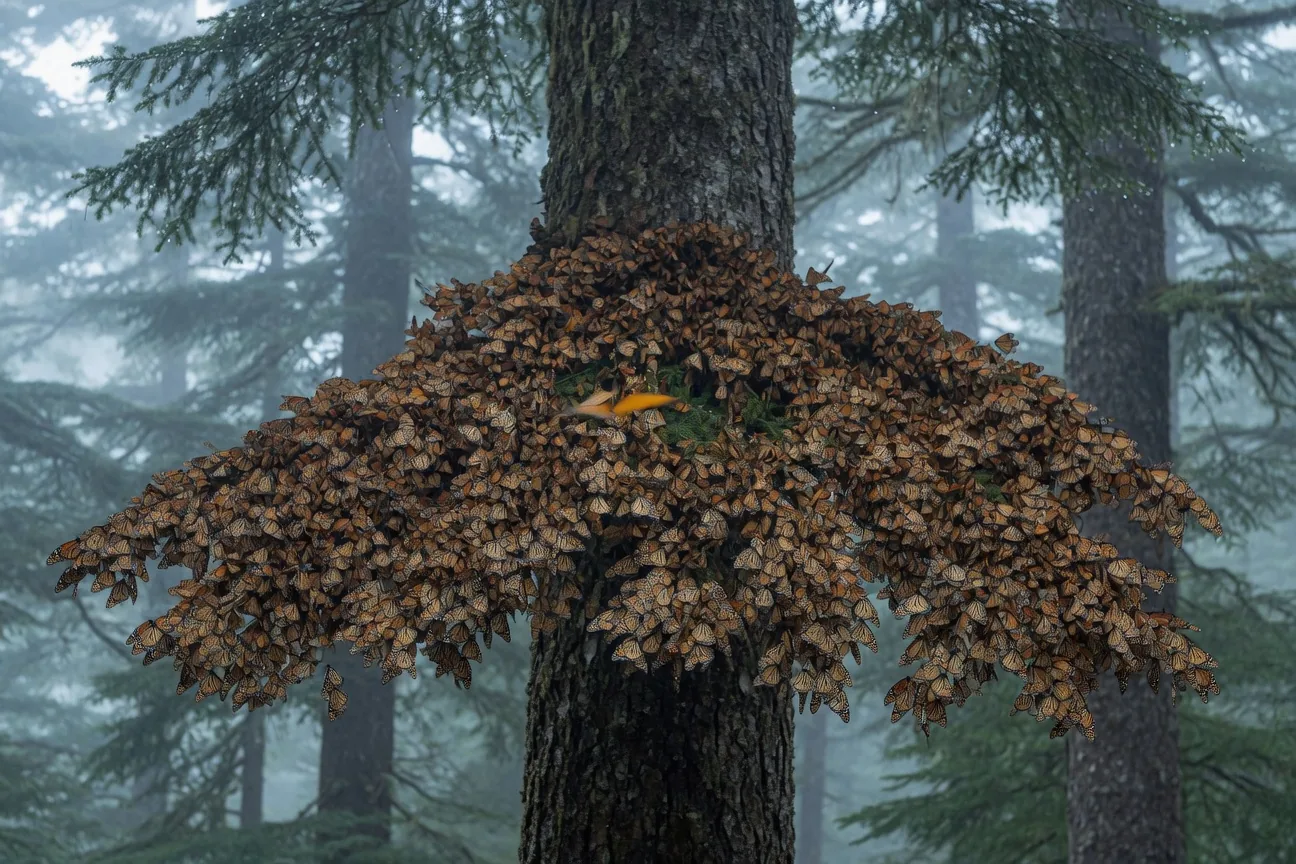
In Mexico, Monarchs spend the winter clinging to the branches and trunks of fir trees. So many butterflies gather in one place that branches sometimes break under their combined weight.
Take the Monarch Butterfly Quiz!
5 quick questions. How much do you really know about the world's greatest insect navigator?
Life Cycle: From Egg to Adult
A female Monarch can lay hundreds of eggs on a single plant.
Mating takes place in spring. The courtship is short and simple compared to many other butterfly species.
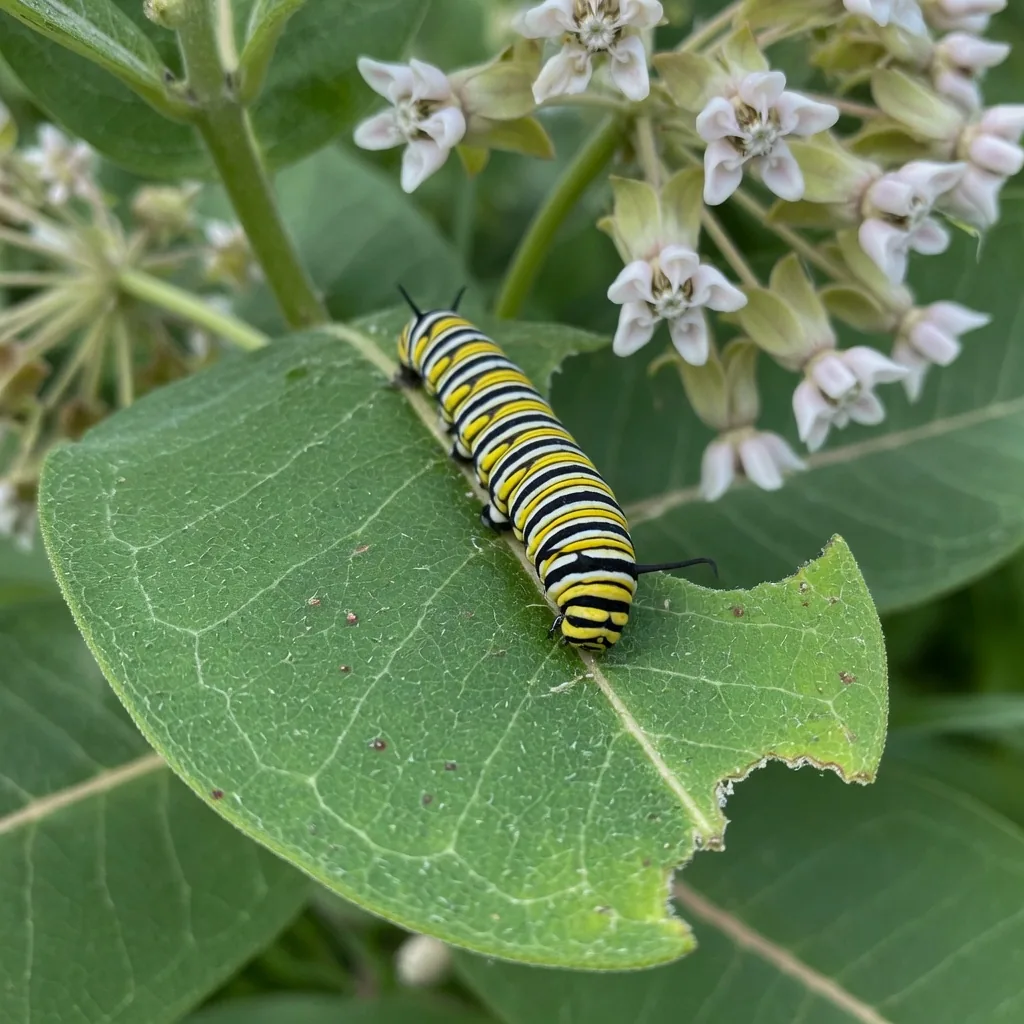
Monarchs are both foul-tasting and poisonous to predators. The reason is a chemical called cardenolide aglycone, which builds up in their bodies when caterpillars eat milkweed.
As caterpillars, Monarchs eat only milkweed. Once they grow into adults, they switch to drinking nectar from flowers.
Adult Monarchs sip nectar from many types of flowers. This nectar is their main source of energy for flying and migrating.
Frequently Asked Questions
What is the scientific name of the Monarch butterfly?
Danaus plexippus
Why are Monarch butterflies toxic?
They absorb cardenolide aglycones from milkweed as larvae, making them foul-tasting and poisonous to predators.
How far do Monarch butterflies migrate?
Over 3,100 kilometers, one of the longest insect migrations on Earth.
What do Monarch caterpillars eat?
Exclusively milkweed, which is why they are also called Milkweed butterflies.
Habitat
Monarchs live in prairies, meadows, and grasslands. You are most likely to spot them wherever milkweed plants grow.
Explore More Animals
 Interestingly Gripping Facts About the Lifespan of a ButterflyThe lifespan of a butterfly varies according to the species. Learn about the four life stages, species records from the tiny copper butterfly to the mighty mona
 Delightfully Unbelievable Facts About the Blue Morpho ButterflyMorpho butterflies are among the most amazing creatures seen in tropical rainforests. This post brings you some interesting facts about the Blue Morpho butterfl
 An Awesome Explanation of the Life Cycle of a CaterpillarThe caterpillar life cycle is explained in short in this article, along with some interesting facts about caterpillars.
 Awe-inspiring Facts About the Beautiful Swallowtail ButterfliesSwallowtail butterflies are considered the most beautiful butterflies in the world. Discover facts about their life cycle, diet, flight, and more than 500 speci

 Fun fact for today!Monarch butterflies are poisonous to birds, they steal the toxin from milkweed plants as caterpillars!