

Old and New World Monkeys
Monkeys are either classified as Old World Monkeys, or New World Monkeys. The species which fall in the former group are those who hail from Africa, central to southern Asia, Japan and India. While those whose home ground happens to be Mexico, Central and South America, are put under the latter group. Monkeys are different from apes or prosimians (defined as primitive primates bearing large ears and eyes, they usually have nocturnal habits). Many may be unaware of the fact that monkeys are smaller and longer-tailed.
Largest and Smallest Monkey Species
Largest Species of Monkey
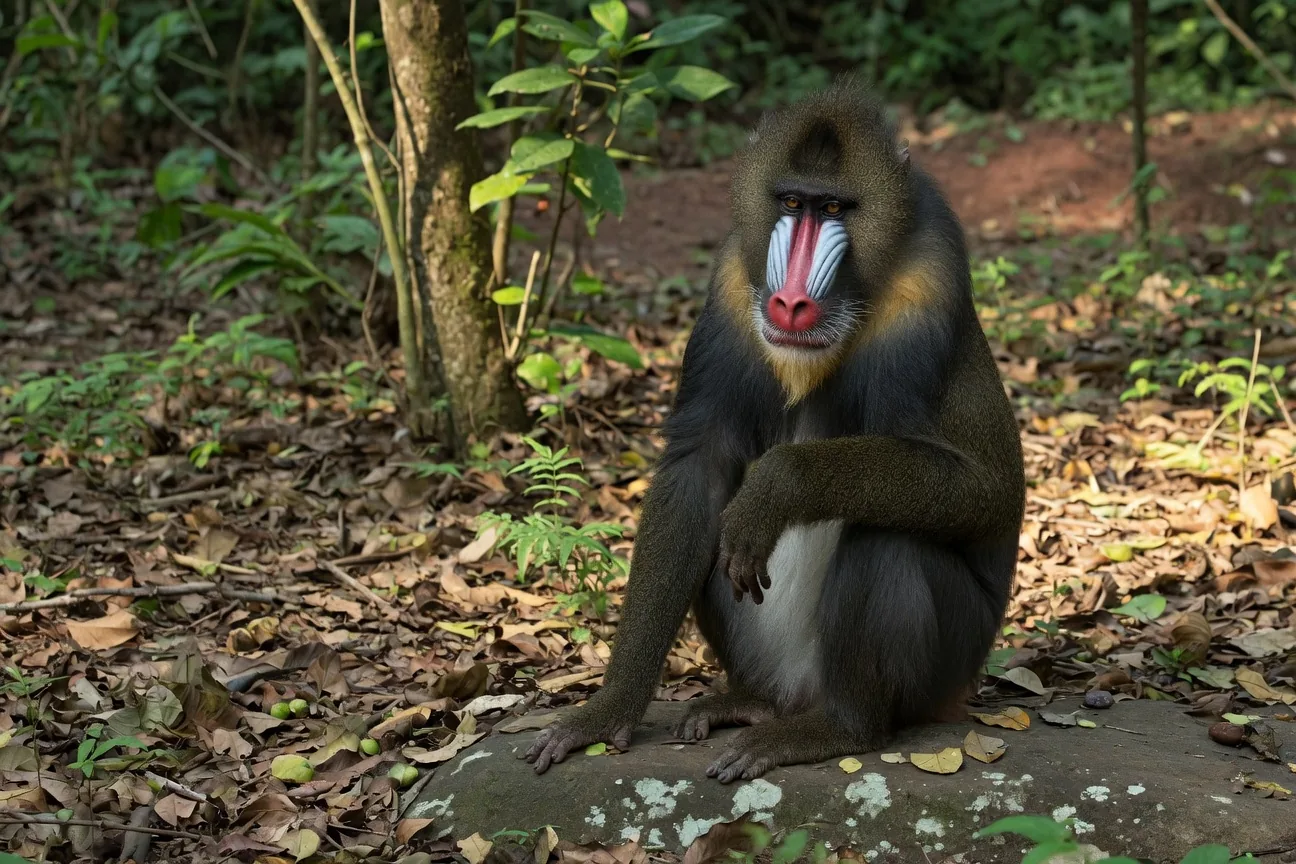
The largest species of monkeys is the Mandrill. It is often mistaken for an ape because of its size (1 - 3ft).
Smallest Monkey
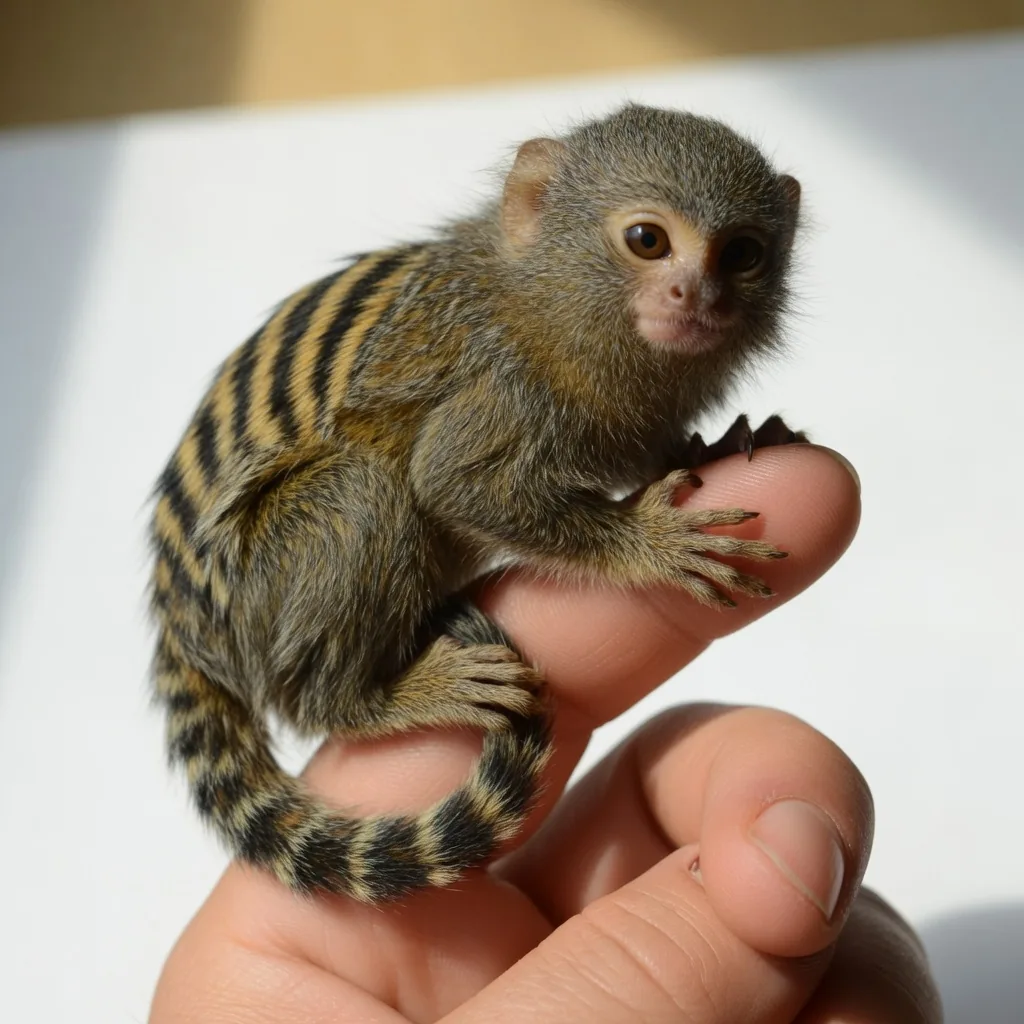
The smallest monkey in the world does not grow more than 5 - 6 inches. This species is known as the pygmy marmoset.
Monkeys never catch cold!
Here is a surprising fact: monkeys never catch the common cold. The cold is a problem for us humans, but not for monkeys. Unlike gorillas and chimpanzees, monkeys simply don't get it.
Monkey and its table manners
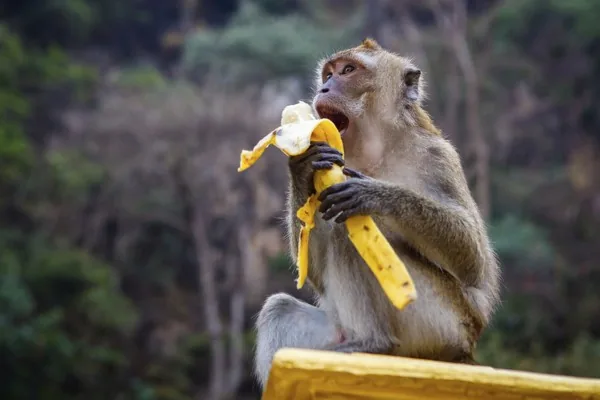
Monkeys are also known for their table manners. They never eat a banana without peeling the skin first.
Teeth of Monkeys
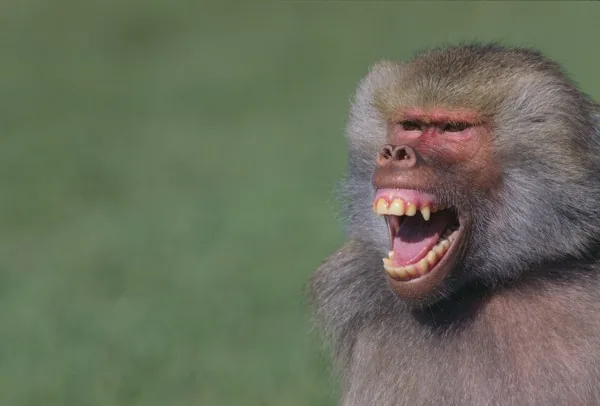
Monkeys belonging from the Old World family grow 32 teeth while those from the New World, 28.
The Howler Monkey
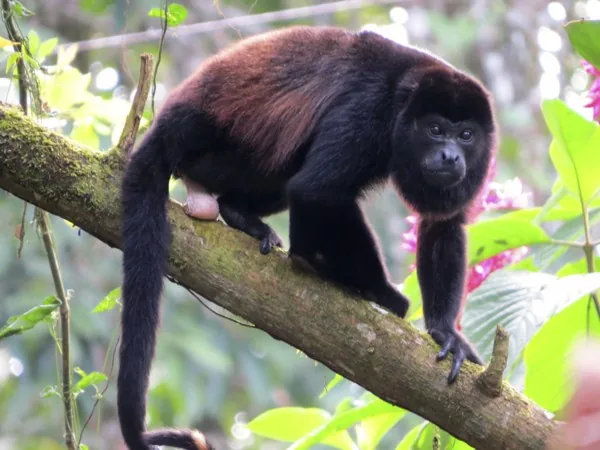
If you can hear a monkey howling from a distance of 3 miles or more, then know that it is the howler monkey. The species is reputed to be the loudest animal on land, and the largest of the New World monkeys.
Take the Monkey Facts Quiz!
5 quick questions. How much do you really know about monkeys?
Monkey brain, a delicacy!
In parts of South Asia, China, and Africa, a dish made from monkey brains is considered a delicacy. It is one of the more unusual (and controversial) facts about how monkeys interact with human cultures around the world.
Give and take!
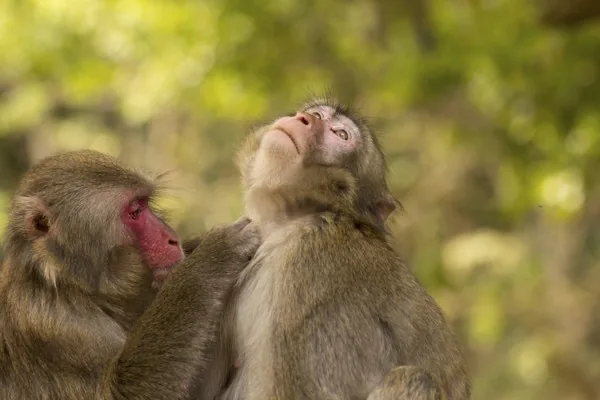
Monkeys like to stay clean and groomed. That is why a monkey would have another one to do a barber's job. The barber monkey gets paid in the form of bugs from the customer's coat. So it's a give and take concept!
The Unique Spider Monkey
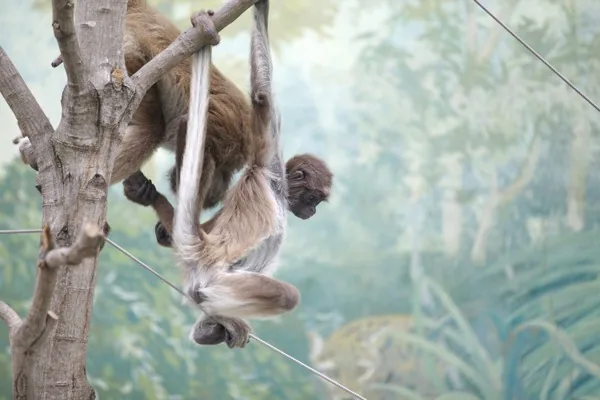
The spider monkey can hang on to a branch by using only the tip of its tail. Also, it can be seen swinging from one branch to the other. Most monkeys simply run across the branches.
Beware of its signs!
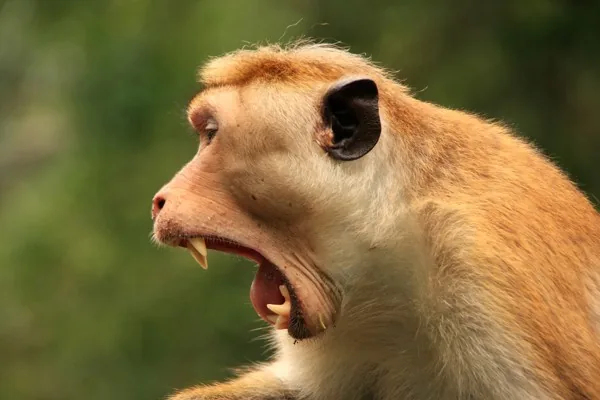
If a monkey yawns at you, then better let it be because it is most likely that you are making the animal angry. Also, if you see a monkey grinning or pulling its lip, then these are signs of aggression.
Frequently Asked Questions
What is the difference between Old World and New World monkeys?
Old World monkeys come from Africa, central and southern Asia, Japan and India. New World monkeys live in Mexico, Central and South America.
Which is the largest species of monkey?
The Mandrill, which can grow 1-3 feet and is often mistaken for an ape.
What is the smallest monkey in the world?
The pygmy marmoset, which grows no more than 5-6 inches.
What does it mean when a monkey yawns at you?
It is a warning sign of aggression. A yawning, grinning, or lip-pulling monkey is most likely angry.
Can monkeys catch a cold?
No, unlike gorillas and chimpanzees, monkeys do not catch the common cold.
The cold survivors
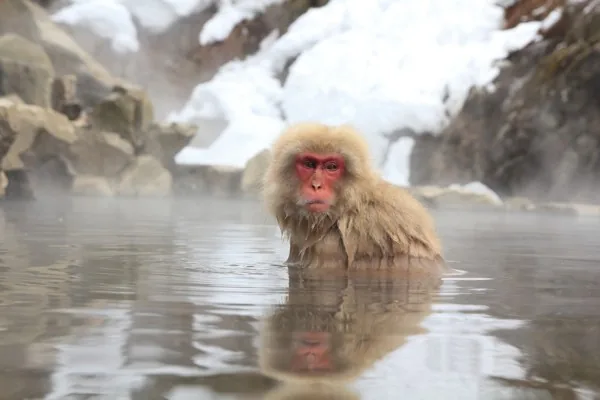
Some monkeys can handle truly freezing weather. Snow monkeys, also known as Japanese macaques, can survive temperatures as low as -10 degrees Celsius. They are even famous for warming up in natural hot springs during winter.
The endangered monkey species
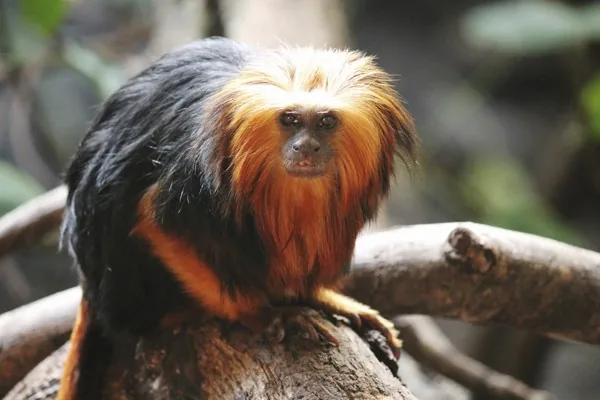
The Golden Lion Tamarin is a majestic animal bearing a striking orange mane. But, thanks to human activities such as poaching, mining, and urbanization to name a few, this species is listed as endangered by the IUCN (International Union for Conservation of Nature).
Mating Habit
During mating, the female monkey gives out loud and distinctive calls. Scientists believe these calls play an important role in the mating process. This behavior is especially well-studied in the Barbary macaque species.
The White-faced Capuchin
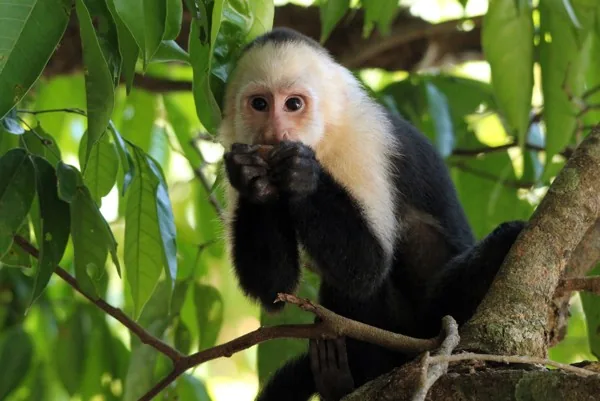
Monkeys can be cheeky, but they can also be incredibly helpful. Capuchin monkeys are put through extensive training programs to help people such as quadriplegics. They learn to open bottles, wash a patient's face, and even operate a microwave.
Breeding Time No Bar
Monkeys do not wait for spring time to get cozy with their mates. Most of them can breed at any time of the year.
Common Species of Monkeys
There are over 260 known species of monkey. Here are some of the best-known:
- Golden Lion Tamarin
- Capuchin Monkey
- Japanese Macaque
- Mandrill
- Gelada Monkeys
- Howler Monkey
- Spider Monkey
- Rhesus Monkey
- Vervet Monkeys
- Olive Baboons
- Squirrel Monkey
- Proboscis Monkey
Monkeys (along with all the other animals on Earth) show us just how wide and varied nature really is. They are a reminder of how connected we all are. Without them there would be no ecological pyramid, no biodiversity, and a much quieter world. Chi hoo ooh! That's 'cheers' in monkey language!
Explore More Animals
 A Complete List of All Types of MonkeysFrom the pygmy marmoset (5 inches tall) to the giant Mandrill: discover every major type of monkey (New World and Old World) with photos, fun facts, and a qui
 Monkey Habitat: Where Do Monkeys Live?There are more than 260 extant monkey species known today. Discover where monkeys live (from Amazon rainforests to Asian mountains) plus habitat facts, a quiz
 Facts About the Astoundingly Colorful MandrillsMandrills are the largest and most colorful monkeys in the world. Natives to central Africa, these fascinating primates are listed as vulnerable. Discover their
 Staggering Facts About Spider Monkeys You'd Never BelieveSpider monkeys are the 'trapeze artists' of the jungle, swinging through the canopy on a prehensile tail stronger than their own body weight. Discover how they

 Fun fact for today!If a monkey yawns at you, better step back, it's a sign of aggression, not tiredness!