

Freshwater Biome: An Overview
The aquatic biome is home to millions of species of fish, reptiles, amphibians, etc. Add to it the number of species which are indirectly dependent on this biome and the number just swells. This biome is divided into two parts: marine biome (comprising saline water sources like oceans and estuaries) and freshwater biome (comprising freshwater sources like rivers, lakes, ponds, and wetlands).
The freshwater biome may be a small part of the planet's ecosystem, but the plants and animals in it play a huge role in keeping the whole ecosystem running smoothly.
Also known as the freshwater ecosystem, this biome holds 0.009 percent of all the water on Earth. Water covers 70 percent of the Earth's surface, but freshwater sources make up only 0.8 percent of the total. These sources include rivers, lakes, ponds, streams, wetlands, brooks, creeks, and canals. About half of the planet's drinking water comes from freshwater sources. The other half is locked away in glaciers and underground.
Freshwater Biome Animals
The freshwater biome is home to fish, amphibians, reptiles, some mammals, and even certain bird species. Rivers and streams (with their moving water) are home to many types of freshwater fish. Wetlands, with their still, shallow water, are perfect for amphibians, reptiles, and insects. With so many freshwater habitats across the planet, it is no surprise that this biome is packed with biodiversity.
Fish
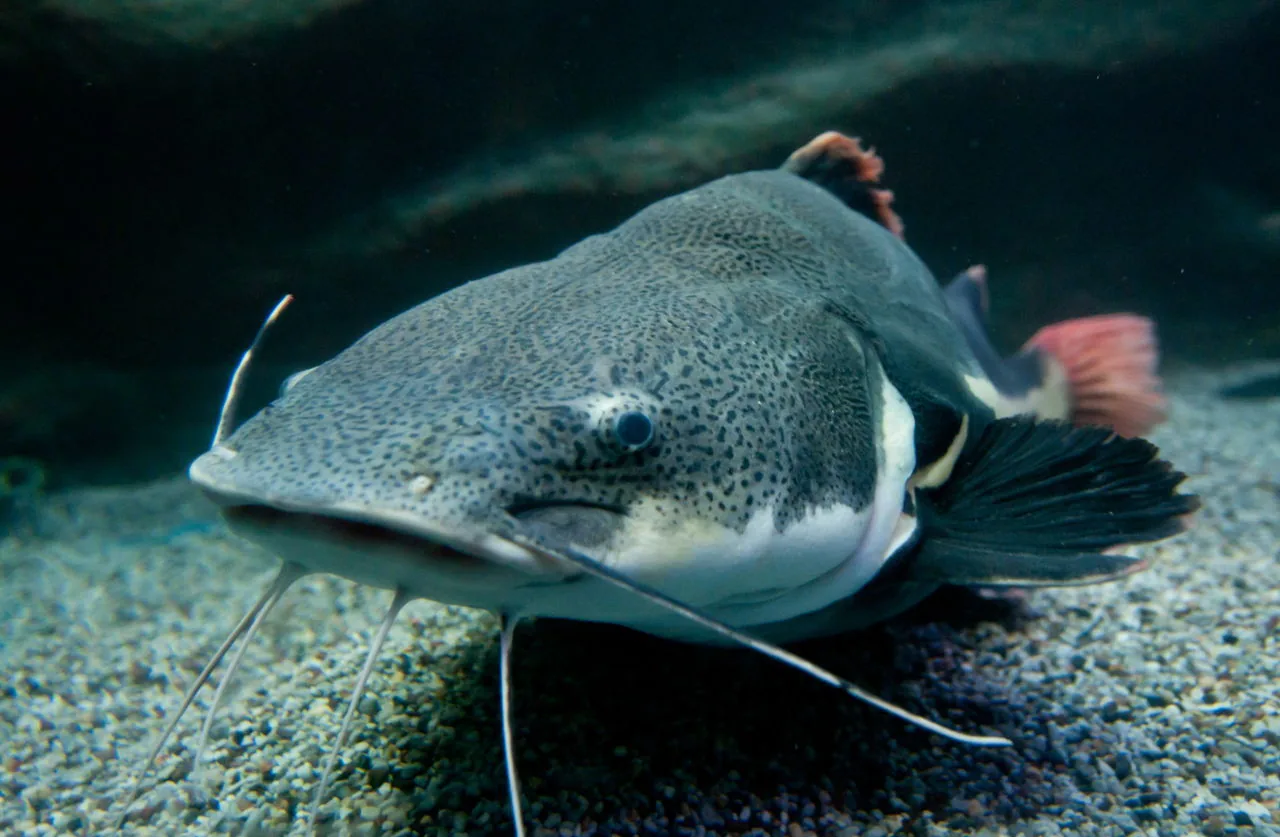
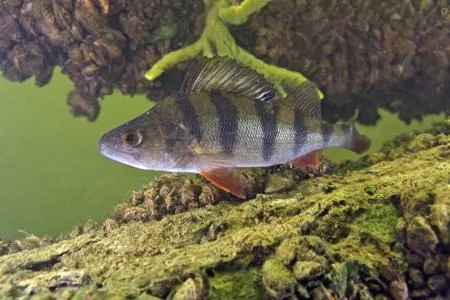
The freshwater biome is home to about 41 percent of all fish species on the planet. That works out to roughly 10,000 of the world's 25,000 fish species. Then there are diadromous species, fish that travel back and forth between the sea and freshwater. Some of the most well-known freshwater species are perch, catfish, bluegill, bullheads, barbs, tetras, eels, salmon, bass, trout, and piranhas.
Amphibians
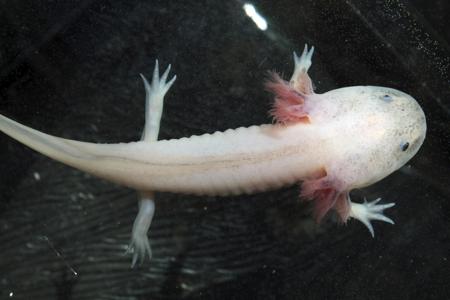
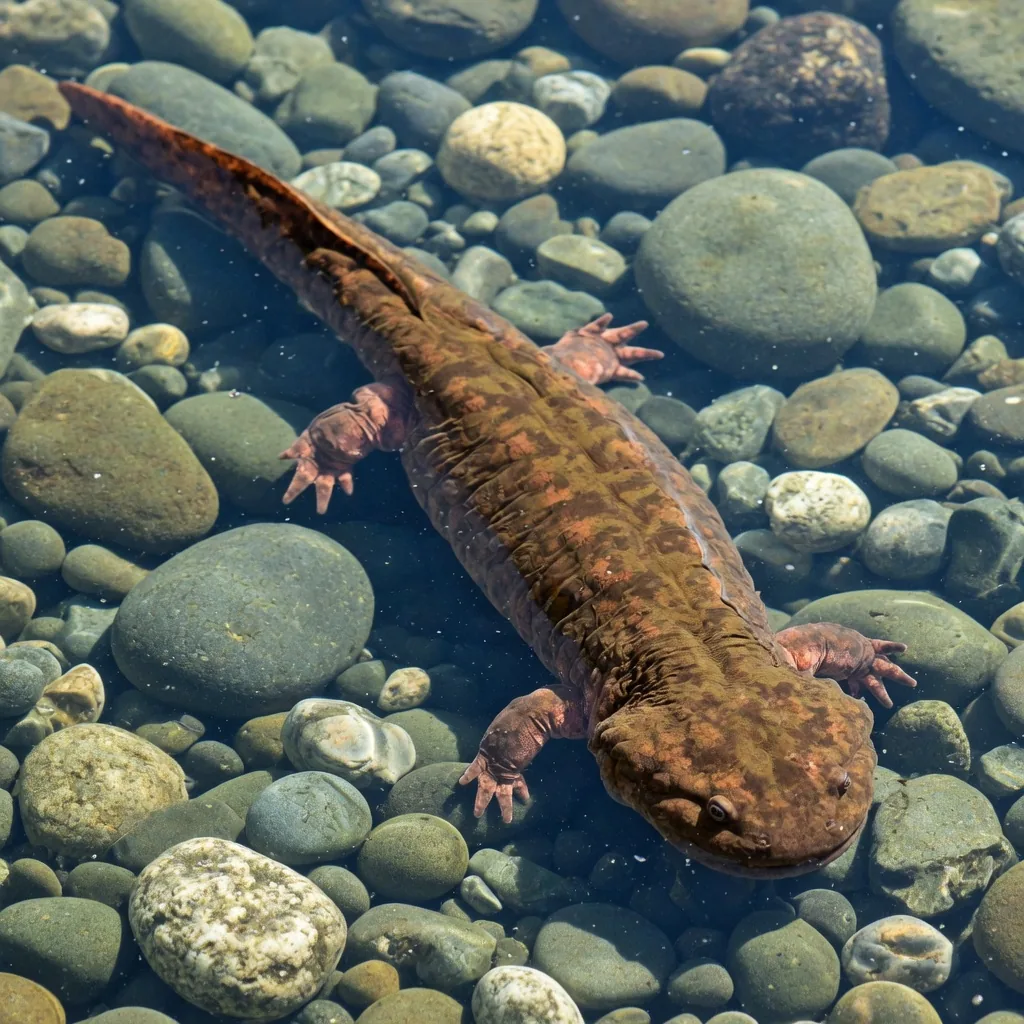
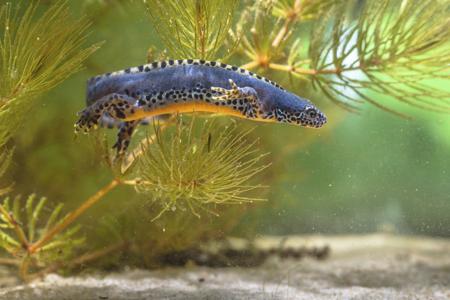
Amphibians found in freshwater include aquatic frogs (like the African dwarf frog and Western clawed frog), salamanders (like the Mexican salamander and Chinese giant salamander), and newts (like the Spotted paddle-tail newt and Alpine newt). One standout resident is the Chinese giant salamander, the largest amphibian in the world, measuring an impressive 5 ft 11 inches in length. It is also worth noting that most amphibians need fresh water to reproduce.
Insects
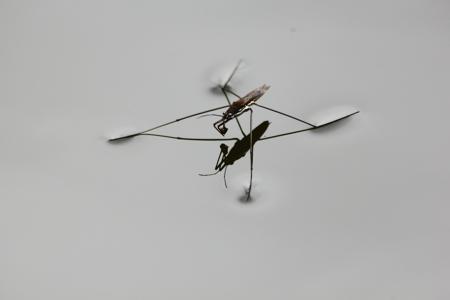
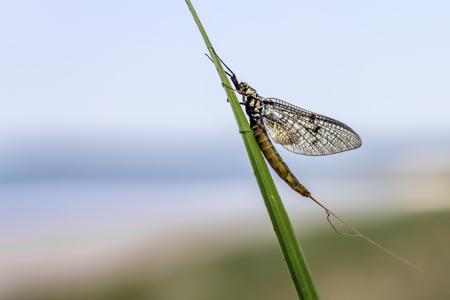
Insects are quite common in freshwater sources, especially in stagnant water sources which are ideal breeding grounds for them. These include mayflies, water beetles, water bugs, etc. Similarly, there also exist water fleas, i.e., tiny creatures which feed on cyanobacteria in the water, in this biome. Aquatic insects also act as a food source for various other animals in this biome, and thus, form a crucial part of the freshwater food chain.
Test Your Freshwater Knowledge!
5 quick questions about the animals of rivers, lakes, and wetlands.
Reptiles
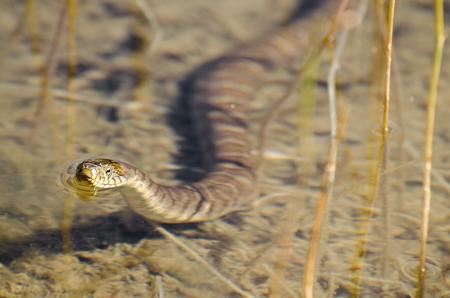
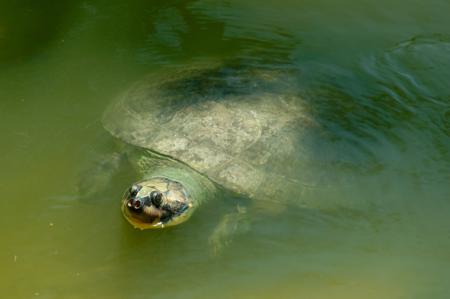
As for reptiles, water snakes such as water moccasins, northern water snakes, banded water snakes, etc., are quite common. While the Brazilian smooth snake is a venomous species, those belonging to genus Enhydris are considered mildly venomous. Other reptiles include crocodiles (freshwater crocodiles), alligators (American alligators), and hundreds of species of turtles (Asian softshell turtles, yellow-spotted river turtles, river cooters, etc.) Australia alone has 23 species of turtles.
Birds and Mammals
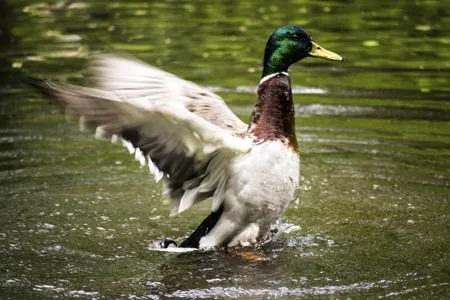
While several species of birds and mammals are dependent on the freshwater ecosystem for food, there are a few which themselves form an important part of this ecosystem. In fact, they spend most of the time in these water sources. As for birds found in this biome, the list is dominated by ducks and geese. On the other hand, the list of mammals includes river otters, beavers, river dolphins, manatees, etc. These birds and mammals form an important part of the freshwater biome food web.
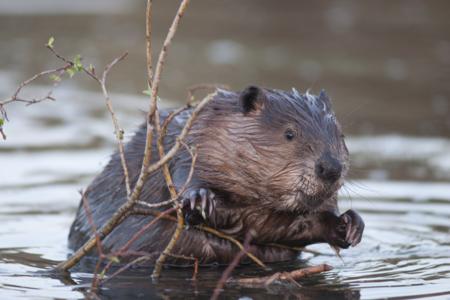
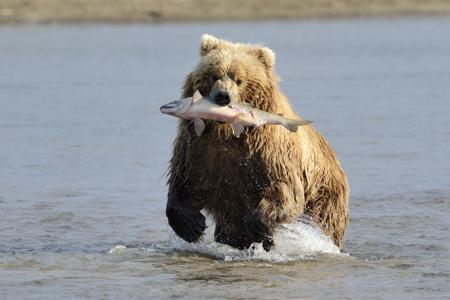
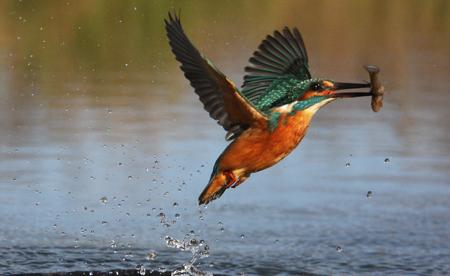
Amongst many other species, there also exist birds, like cranes, hornbills, kingfishers, etc., and mammals, like bears, foxes, etc., which are dependent on freshwater sources for food.
Explore More Animals
 Marine Animals: The Complete Guide to Ocean LifeThe exhaustive list of marine animals begins with microscopic zooplanktons and ends with extremely large whales. In between them, lie millions of species, each
 Frog Habitat Facts With Stunning Pictures of Their DwellingsFrogs are amphibians, which means that they typically live on land but breed underwater. Discover natural frog habitats, the life cycle connection, aquarium set
 Types of FishThere are over 32,000 species of fish, more than all other vertebrates combined. Discover how fish are classified by species and habitat, plus the fish we keep
 Where Do Crocodiles Live? Habitat, Species & Amazing FactsCrocodiles live near swamps, marshlands, brackish waters, lakes, and rivers across five continents. Meet all the species, learn where each one lives, and discov
Why the Freshwater Biome Matters
It might seem like a biome holding only 0.009 percent of Earth's water is not very important. But that could not be further from the truth. The freshwater biome is critical, not just for the animals and plants that live in it, but for humans too. If we do not work to protect rivers, lakes, and ponds today, it could be too late to save them tomorrow.

 Fun fact for today!Approximately 41 percent of all known species of fish on our planet are found in freshwater sources like rivers, lakes, creeks, etc.