

Bantam chickens are one of the earliest and oldest known domestic birds. The word "bantam" means small, so raising these birds in a small space is very doable, something that would be tricky with standard-sized chickens. You can keep 2 to 3 bantams in the space required for 1 standard chicken. Keeping bantams for commercial purposes is not a great idea, though. They are too small to make a profit from their meat and eggs.
Tips for Raising Bantam Chickens
Bantam chickens are extremely curious and energetic birds by nature. That means you need to pay close attention to their food, water, and other needs to keep them healthy and happy. The tips below will tell you exactly how to raise this special type of chicken.
Food
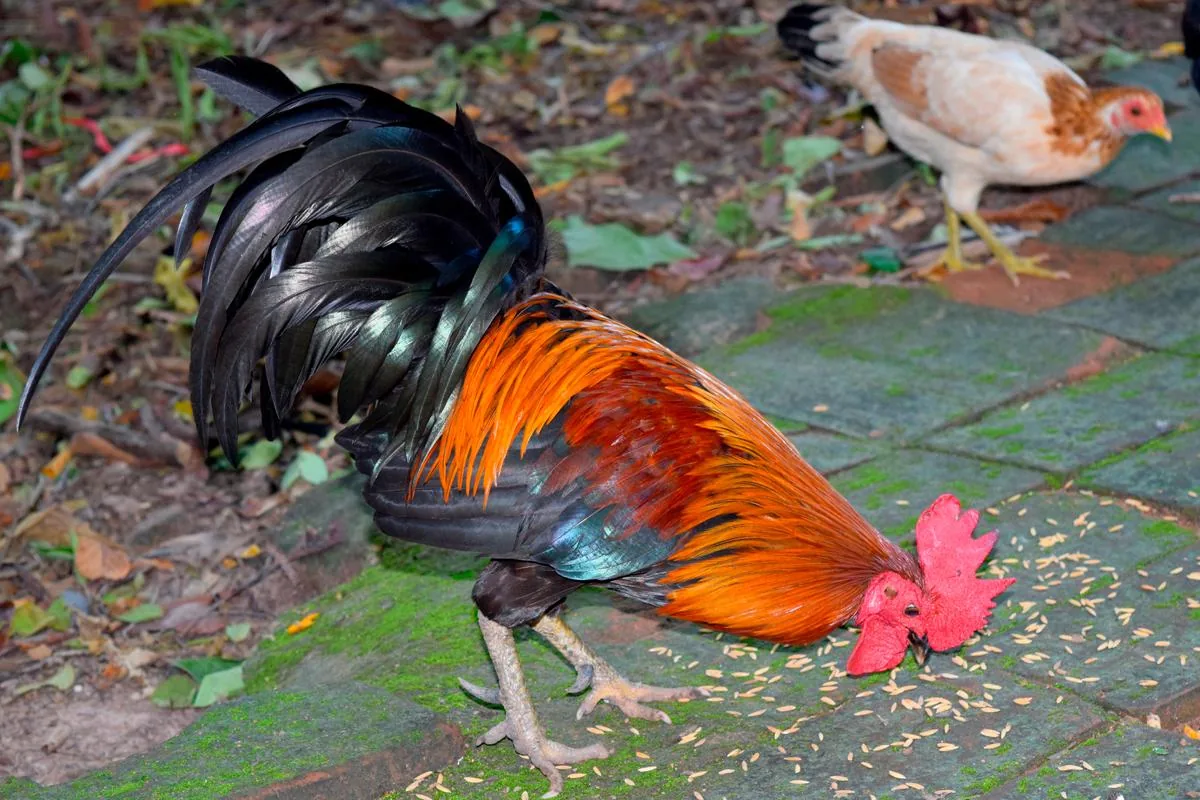
Although bantam chickens can survive on human food for a short time, they cannot thrive on it. They need food that matches their natural diet, which includes:
- Whole grains
- Greens
- Protein
Whole grains are the best source of daily nutrition for bantams. Make sure a good supply is always available in the coop. Feed only whole grains, avoid cracked ones, because whole grains are much healthier.
One great thing about bantam chickens is that they can search for food on their own. This is handy when you're away and can't feed them. It saves time and means you don't have to watch the clock for feeding times. Still, check on their food from time to time.
Let them roam in a fenced area with grass, weeds, and fresh vegetable scraps so they can forage. For protein, bantams can find insects, worms, and bugs during summer. In winter, add soy, milk, or fish to their diet to fill the gap.
Water is just as important. Bantams need plenty of it, especially when hens are laying. Keep a water bowl near the coop door so they can drink whenever they like. Clean and refill the bowl every day to keep the water fresh and prevent disease.
Shelter
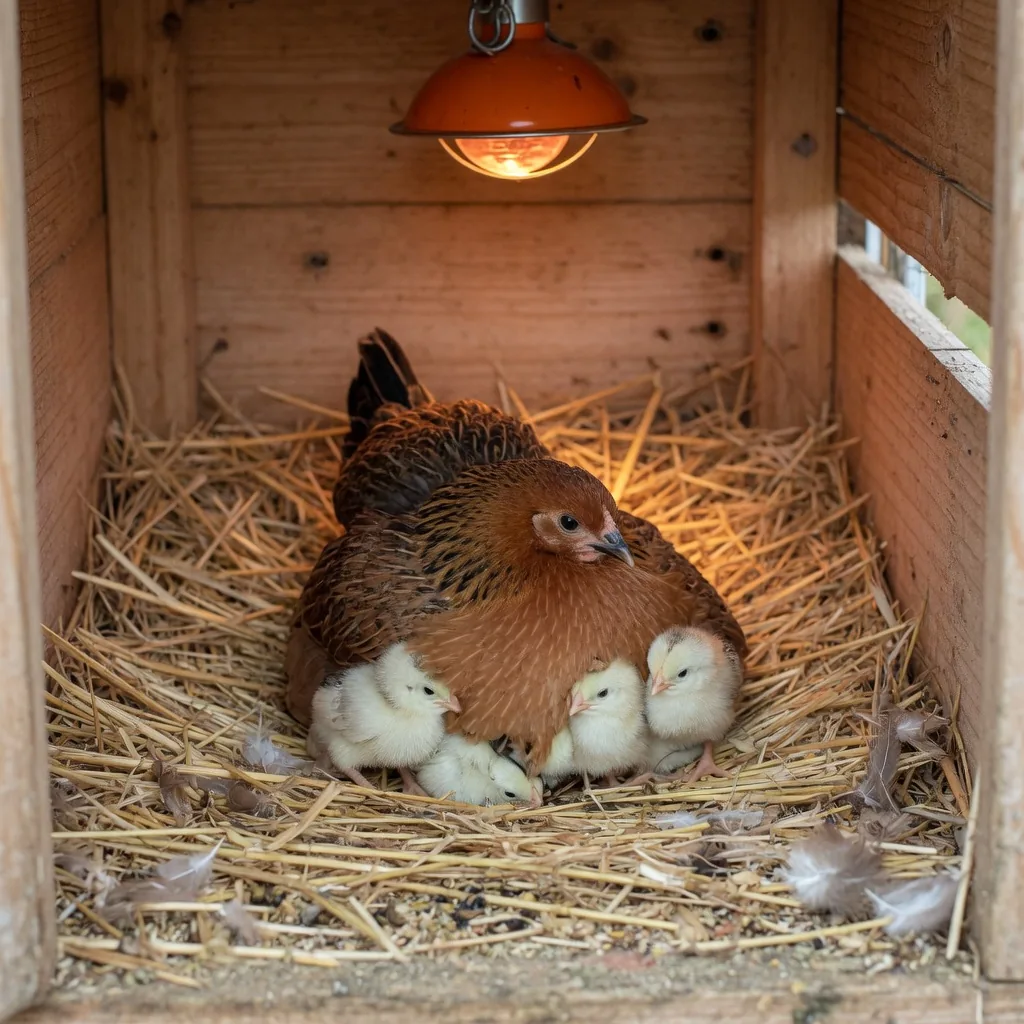
Bantam chickens live in a chicken coop. The most important thing to think about when setting up the coop is temperature. A heat lamp must be placed above the coop to keep chicks warm if they're not with a brooding hen. The position of the lamp matters a lot, watch how the chicks behave to tell if the temperature is right.
If the chicks huddle under the lamp, the coop is too cold. If they spread out into the corners, it's too hot and you should lower the temperature. The coop should be between 90-95°F during the first week. After that, drop it by 5°F each week. Chicks need to stay indoors for at least the first four weeks.
Take the Bantam Chicken Quiz!
5 quick questions to test your bantam knowledge.
Protection
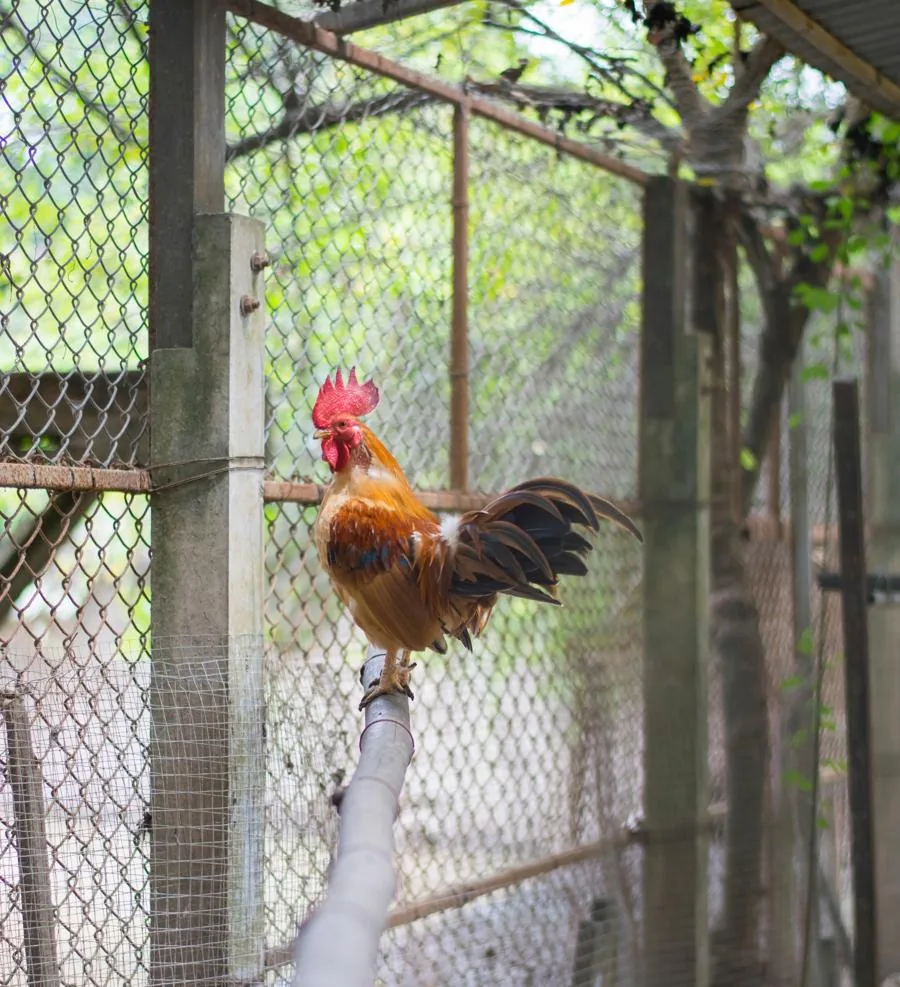
Every animal faces threats from predators, and bantam chickens are no different. It's the owner's job to keep their pet safe and create a healthy environment. Animals that prey on bantams include farm yard dangers such as snakes and raccoons, which attack from the ground. Hawks, owls, and other flying predators attack from above. You should fence the bantam shelter carefully, blocking every possible way in.
Caring Tips
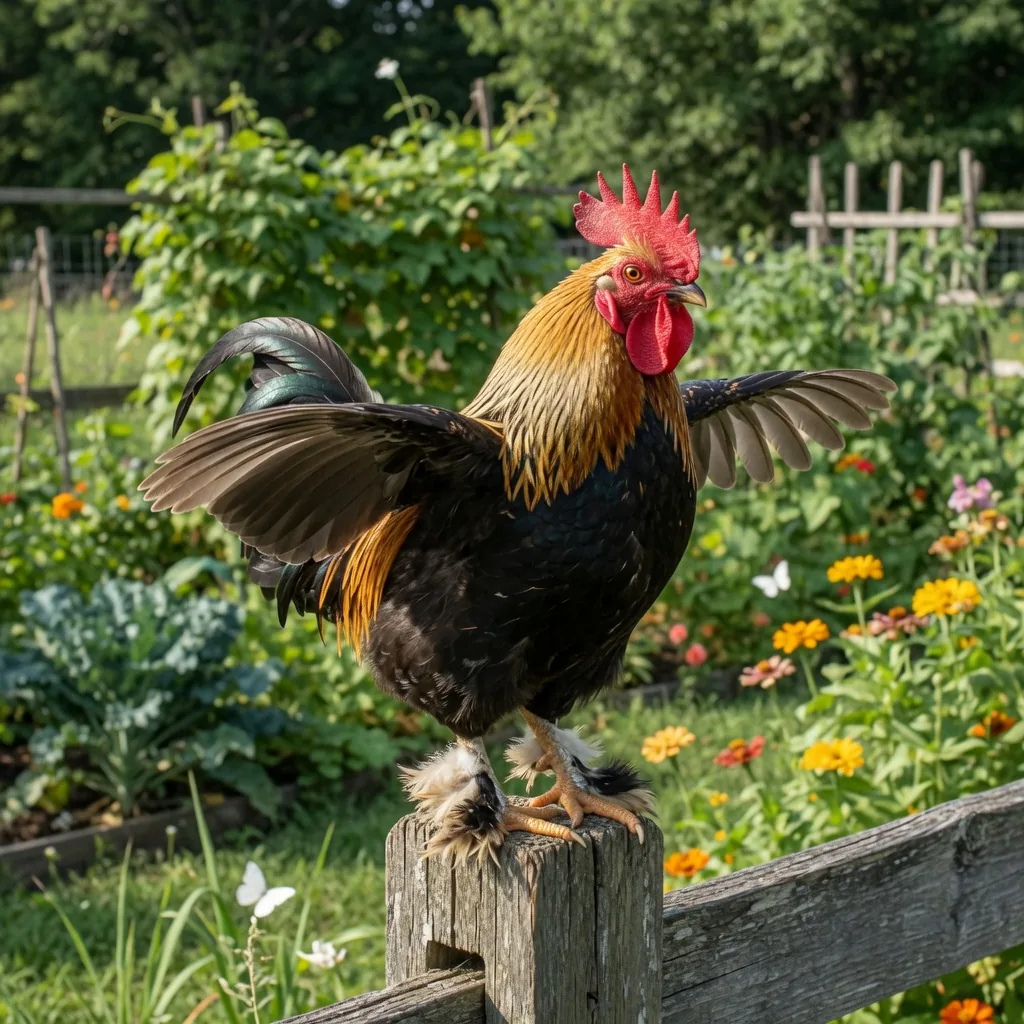
Although raising bantam chicks yourself is a fun job, if you have a broody bantam hen available, let her do it. She can keep the little ones warm, teach them how to find food, and show them what to do when danger is near. She will work hard to protect her young ones, even risking her own life.
Bantam chickens can fly better than standard chickens. If you want to stop them from escaping the coop, a covered run is the answer. Some keepers trim their chicks' feathers to prevent flying. This is not a good idea, though. If the birds face danger away from their coop, they won't be able to fly up a tree or onto a fence to save themselves.
Keep trays of hardwood ash in the coop so the chicks can have a dust bath. This helps them get rid of parasites. You can also spray roost paint on the chickens to prevent lice and other diseases.
All in all, raising chickens can bring you a lot of joy, as long as you take good care of them and give them a comfortable home. Make sure you look after your bantam chicks when they fall sick and get proper medical treatment for them right away.
Explore More Animals
 An Awesome List of Different Types of Chickens With PicturesChickens are one of the most popular domesticated animals in the world. There are many different breeds of chickens with interesting characteristics.
 How to Care for Pygmy Goats: Believe Us, It's Not DifficultA pygmy goat is a smaller breed of the dairy or meat goat. Caring for this goat is no different from caring for other pets. Here are some tips you can follow to
 Facts About Ameraucana Chickens That Will Simply Enchant YouChicken breeds consist of three blue egg layers: the Araucana, the Easter Egger, and the Ameraucana. AnimalSake will provide interesting facts about Ameraucana
 Life Cycle of a Chicken: Egg, Chick, and Chicken ExplainedThe life cycle comprises three basic stages: egg, chick, and chicken. Chickens may be raised for their meat, eggs, or both on local as well as commercial farms.

 Fun fact for today!Bantam chickens are one of the oldest known domestic birds, and they're tiny enough that 2 or 3 can share the space of one standard chicken!