

The Lynx Family
The bobcat (Lynx rufus) is one of four species in the genus Lynx. The other three are the Canadian lynx (Lynx canadensis), the Eurasian lynx (Lynx lynx), and the Iberian lynx (Lynx pardinus).
The bobcat is also known as the bob-tailed cat or bay lynx. It is listed as a "Least Concern" species by the International Union for Conservation of Nature (IUCN). That might come as a pleasant surprise, since the bobcat does face real threats. Habitat loss from land clearance for agriculture, hunting for its pelt, and large-scale culling by farmers who see it as a threat to livestock have all taken a toll.
And yet, the bobcat is going strong. Its estimated population is around 1,000,000 to 1,500,000 in the wild. If the bobcat has been able to hold its ground, it is largely because of its ability to adapt. Even today, the bobcat is expanding its range further into Canada, as warm winters make it a suitable habitat for the species.
Despite their large numbers, most people know very little about bobcats. That can be attributed to the fact that they are shy, elusive, and crepuscular, meaning they are most active at dawn and dusk.
Range and Habitat
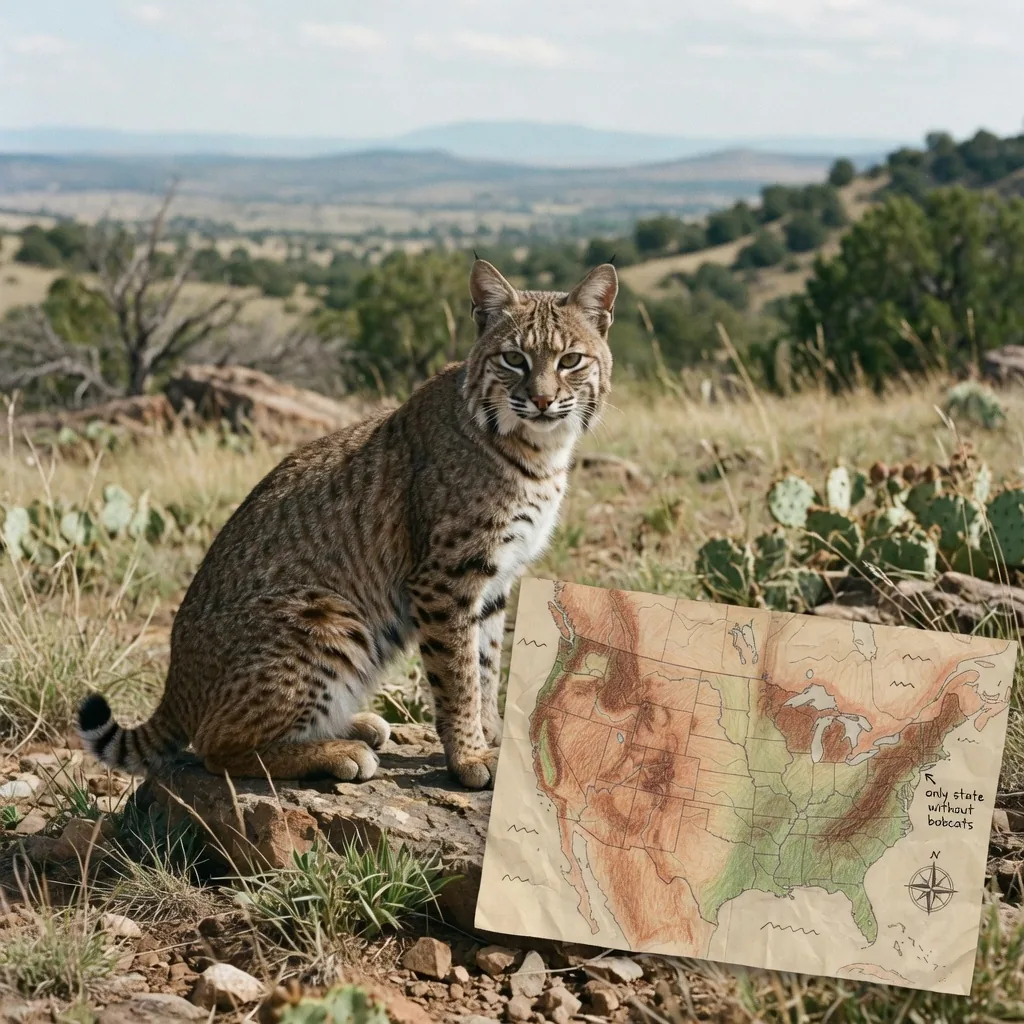
The geographic range of the bobcat spans the continental United States, as well as parts of southern Canada up north and northern Mexico down south. In the continental United States, it is found in all states except for Delaware. Interestingly, it boasts the widest distribution among the North American cats, which is expected to increase further as it marches north into Canada.
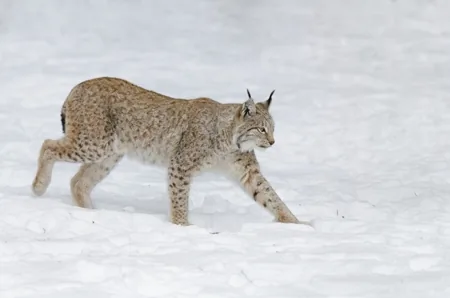
The bobcat is definitely one of the most adaptable animals in the world. That becomes all the more obvious when we look at the diverse regions it inhabits. Its range stretches from the coniferous, boreal, and mixed woodlands of the Great Lakes basin, to the swamps of the Everglades, and on to the arid areas of the Sonoran desert.
Size and Appearance
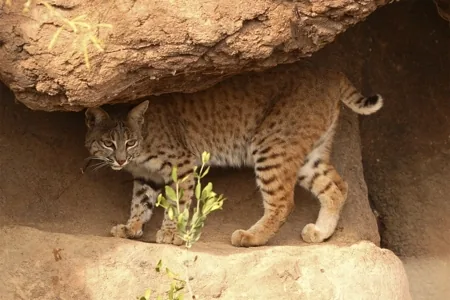
On average, an adult male measures 32-37 inches and weighs up to 40 lb. The bobcat is the smallest of the four species in the genus Lynx, but still twice the size of a domestic cat. You can identify it by the typical black ear tufts common to lynx species, and its short, stubby tail, which is how the bobcat gets its common name.
The 12 Subspecies
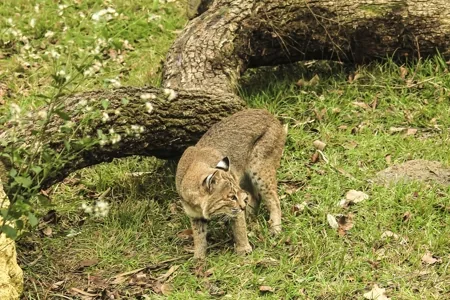
There are twelve recognized subspecies of the bobcat: Lynx rufus baileyi, Lynx rufus californicus, Lynx rufus escuinapae, Lynx rufus fasciatus, Lynx rufus floridanus, Lynx rufus gigas, Lynx rufus oaxacensis, Lynx rufus pallescens, Lynx rufus peninsularis, Lynx rufus rufus, Lynx rufus superiorensis, and Lynx rufus texensis.
Diet and Hunting
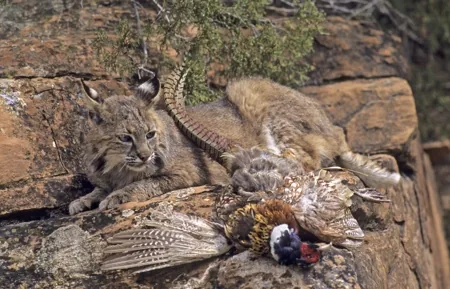
Though its diet primarily consists of small mammals like rabbits and hares, and ground-dwelling birds, the bobcat does occasionally go for insects, reptiles, and rodents. It eats heavily when food is plentiful, after which it can go without food for a considerable time. In winter, it hunts larger animals such as a deer or fox, and survives on the kill for a couple of days.
In the bobcat, we have an apt example of a stalk-and-ambush predator. The medium-sized wild cat stalks its prey, pounces on it, and kills it by biting its neck vertebrae.
The young ones of a bobcat have several natural predators: the coyote (Canis latrans), cougar (Felis concolor), gray wolf (Canis lupus), Red fox (Vulpes vulpes), and some birds of prey. Adults are only threatened by humans and, at times, by cougars and wolves.
The opportunistic animal is also notorious for preying on livestock and poultry. This has put the bobcat at odds with humans. Some people try to trap bobcats or frighten them using bright lights and loud sound. Others go to the extent of poisoning or shooting them to protect their livestock and poultry.
Test Your Bobcat Knowledge!
5 quick questions about North America's most adaptable wild cat.
Territorial Behavior
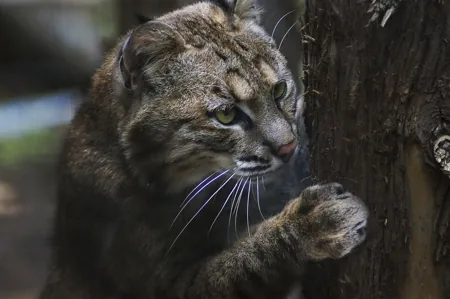
When it comes to territorial behavior, it is more common in females than in males. Adult males have a larger territory, with several auxiliary shelters spread throughout, often overlapping those of other males. Like other wild cats, bobcats mark their territory by scratching tree surfaces with their claws and leaving their scent by urinating and defecating.
Hunting and Conservation
When the Endangered Species Act (ESA) restricted the import of fur from endangered wild cats, commercial traders turned their attention to locally available species. The bobcat was one of the species to bear the brunt of this legislation. Between 1977 and 1981, around 94,000 bobcats were killed in the U.S. and Canada annually.
Though it is not considered threatened, the bobcat is listed in Appendix II of the Convention on International Trade in Endangered Species (CITES). This means its hunting and trade must be monitored to ensure it does not become extinct in the near future. The rise in bobcat population has led to growing demand that it be removed from the CITES Appendix II.
Bobcat hunting is considered legal in some states of the U.S. In some of these states, the animal is even considered a game animal. In other states, the bobcat is protected, and it is illegal to kill one unless you are protecting your livestock. As for keeping bobcats as pets, it is not a good idea, and it is even illegal in some jurisdictions.
Explore More Animals
 Are Bobcats Dangerous to Humans and Pets?Bobcats are a species of wild cats found all across the United States. They pose no real threat to humans as such, but may try to hunt smaller farm animals and
 Canadian Lynx vs. Bobcat: How to Tell Them ApartLynx or bobcat? Learn the easy clues (paws, ears, coat, tail, size, and range) that tell these two look-alike wild cats apart, with a side-by-side chart, real
 Interesting Facts about Cougars (Mountain Lions)An impressive cat of the Americas, the cougar is known for its amazing adaptability. It has over 40 names, and despite being a skilled hunter it is usually not
 Facts about Coyote - Prairie WolfThe interesting facts about coyotes go well beyond the depiction of this species in popular culture. While there is no questioning that, what is even more inter

 Fun fact for today!There are 12 subspecies of the bobcat, and over 1,000,000 roam the wild today!