

Camel crickets are not "true crickets" like those in the Gryllidae family. For one thing, camel crickets have humpbacks, while true crickets have flat bodies. And unlike true crickets, they don't chirp at all.
Camel crickets are small insects that belong to the family Rhaphidophoridae in the order Orthoptera. You can commonly find them in dark, damp places. While they are not known to be harmful to humans, their infestation can cause real problems. If your house has damp surfaces, a dark basement, or even a laundry room, these insects may make their way inside and become quite a nuisance. They can end up destroying your clothes, linen, and other fabrics. They may also defecate on your walls.
Because of the damage they can cause, it helps to know a bit about these pests. This article will give you some facts about camel crickets, plus a few ways to get rid of them.
Physical Appearance
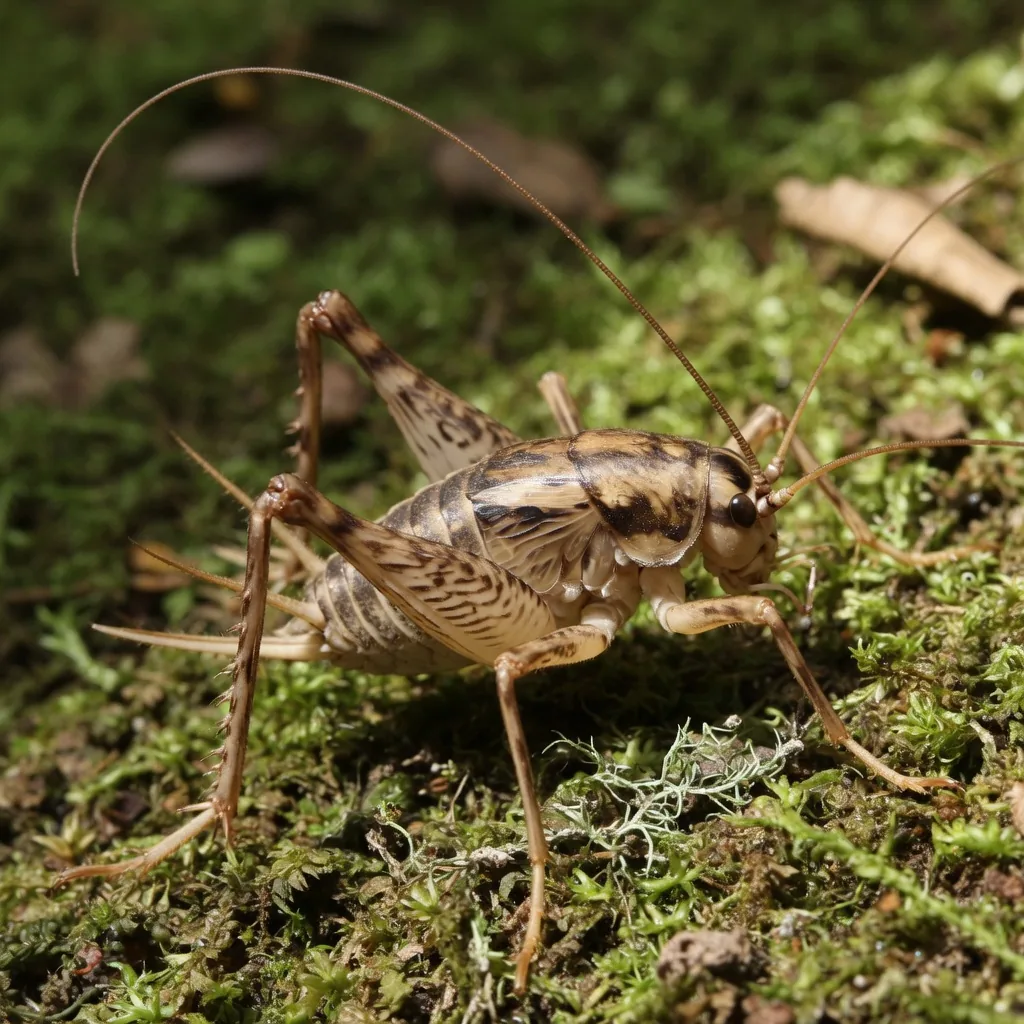
Camel crickets (also known as cave crickets or spider crickets) vary in looks depending on the species. Those commonly found in the United States are light brown in color with dark brown streaks all over their body. Some species also have spots.
The secret cave cricket, a species that is endemic to central Texas, has a grayish yellow appearance. Baby camel crickets are known to have translucent bodies.
The hind legs are fairly large, and camel crickets also carry long, slender antennae. These serve two purposes at once: they sense the world around them (tactile sense) and act as part of their defense system. The bodies of these crickets, not counting the legs, measure no more than 5 cm long. However, when measured with the hind legs, they seem to almost double in length.
Adult camel crickets do not have wings, though the young of some species might have a pair. These crickets have a slightly humpbacked look, which is exactly why they are called 'camel crickets'.
Geographical Range and Habitat
Camel crickets are found all across the world, from the United States, Mexico, and Canada to New Zealand, Australia, and Tasmania. They are also found in Chile, the Mediterranean region, Russia, Korea, China, and Southeast Asia. Some species even live near permanent ice in alpine regions.
Surprisingly, only one species of camel cricket lives in all of Africa, and even that is limited to the southern Cape region of the continent. New Caledonia and Madagascar have no camel crickets at all.
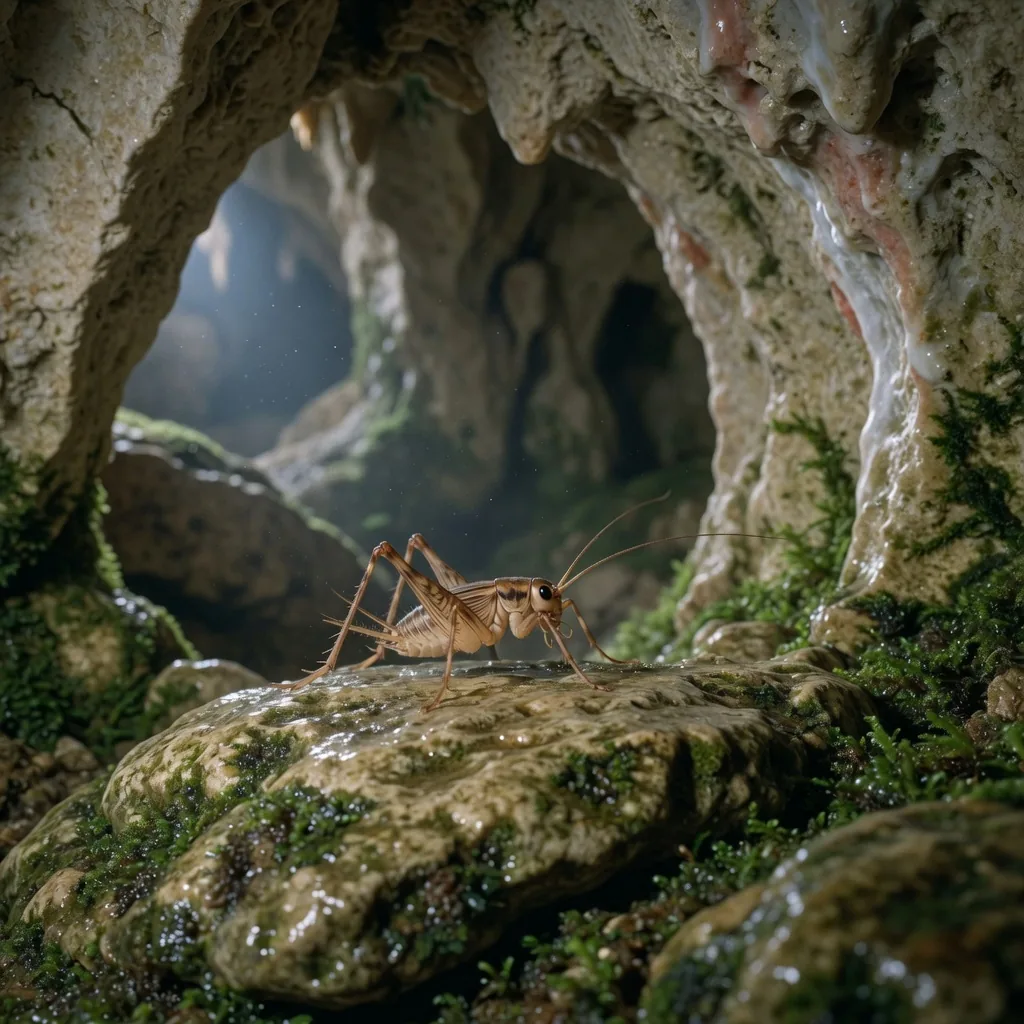
These insects make dark places their home. You can find them in old mines, caves, animal burrows, and under rocks and boulders. Most species prefer a cool, damp environment, so they also turn up in rotten logs of wood, hollow tree trunks, and beneath damp leaves of trees.
In areas where people live, these insects are usually "accidental invaders" that wander in from their nearby habitat. When they do enter a building, they are typically found in basements, damp walls, laundry rooms, cellars, and sewers.
Behavior and Breeding
Camel crickets are nocturnal insects. They hide all through the day and venture out during the night. With the help of their long antennae, they can sense approaching predators, such as spiders and centipedes. When they sense a threat, they instantly jump into a darker corner for safety.
If there is no safe spot nearby, they may instead jump toward their attacker or predator to frighten it away.
Test Your Camel Cricket Knowledge!
5 quick questions. How much do you know about these silent invaders?
As for breeding, females lay eggs during the spring season. The eggs take a few weeks to hatch. While little is known about the exact biology of camel crickets, they are known to breed all year round in warm, moist environments.
Diet
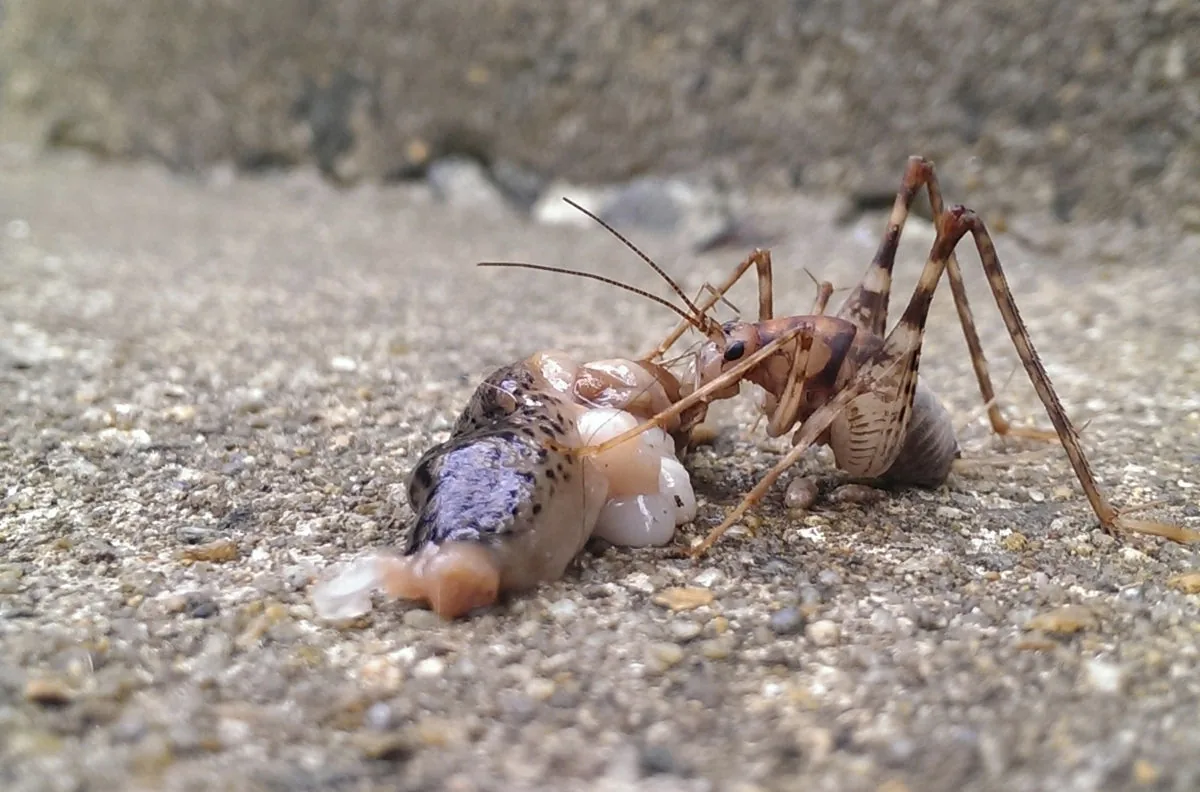
Camel crickets feed on almost anything organic. They eat other insects, including bugs and even their own dead, and they are also known to feed on the eggs of other insects. They also eat tubers, fungi, roots, fruits, and other decaying plant matter.
When they enter a house, they typically feed on houseplants, linen, and old clothes. They also devour the fungi that grow on damp walls.
How to Get Rid of an Infestation
If your house is infested by these insects, here are some simple tips to get rid of them.
- Keep all areas in and around your house as dry as possible. Moisture is an open invitation for camel crickets. Waterproofing helps a great deal.
- Mow your lawn regularly and clear the garbage outside your house in a timely manner.
- Do not leave any cracks open on the outer walls of your house. Use a good sealant to cover all the crevices, and make sure there is no place for vegetation to grow on your walls.
- Place sticky pest traps (such as double-sided duct tape) in the darker areas of your house. You can also spray insecticides around doors, windows, and vents to ward these pests away.
- Dissolve some soap in water and place the soapy liquid in small containers at different corners of the house. Camel crickets are attracted to water, and once they fall in these containers, they tend to drown very quickly.
One common question is: do camel crickets bite or sting humans? The answer is NO. While they can heavily damage your house and belongings if they invade in large numbers, they can be kept at bay by using the simple measures above. Running a pest control program for your house can also be very helpful.
Explore More Animals
 Utterly Astonishing Facts about CricketsIn many cultures, crickets are thought to bring good luck. It is also believed that crickets can tell the surrounding temperature. Discover the astonishing worl
 Startling Facts About Daddy Long-legs SpidersDaddy long-legs spiders are characterized by exceptionally long legs, in proportion to their tiny bodies. They are among the most widely found spiders in any ho
 Grasshoppers: Habitat, Facts, Anatomy & Life CycleThe complete kids' guide to grasshoppers: where they live, what they eat, their 5 eyes and no ears, super-tough mandibles, record-breaking jumps, singing, and w
 Why Do Crickets Chirp? These Reasons Will Simply Amaze You!Chirping is an essential part of a cricket's communication repertoire. Although the sound is very common, especially in rural areas, very few people actually kn

 Fun fact for today!Camel crickets are not true crickets, and they never chirp!