

What Are Rhinoceros Beetles?
Rhinoceros beetles are some of the most famous insects in the world. They belong to the subfamily Dynastinae, which sits inside the family Scarabaeidae. Here is the full scientific classification:
- Kingdom: Animalia
- Phylum: Arthropoda
- Class: Insecta
- Order: Coleoptera
- Suborder: Polyphaga
- Infraorder: Scarabaeiformia
- Superfamily: Scarabaeoidea
- Family: Scarabaeidae
- Subfamily: Dynastinae
The Dynastinae subfamily is further divided into 6-8 tribes, with particular classifications favored by particular researchers, there is no universal consensus. Many of the tribes were named more than 150 years ago, and modern methods of classification sometimes conflict with the criteria used back then. Rhinoceros beetles are found all over the world except in the polar regions.
Physical Characteristics
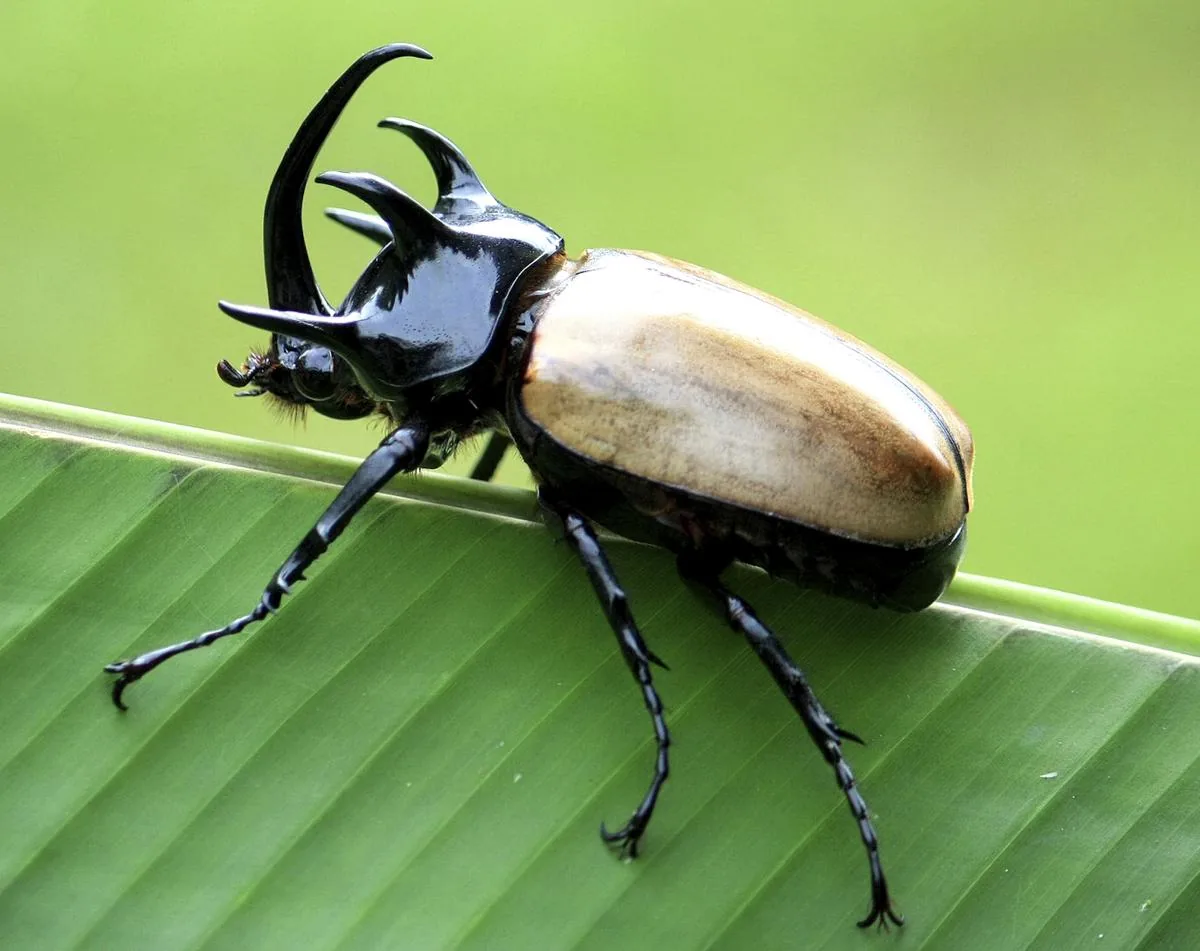
Rhinoceros beetles are among the largest insects in the world, and they are certainly the largest beetles. Many species are more than 6 inches long, while the larvae of the Goliath beetle (Megasoma actaeon) can grow to more than 110 grams in weight. The adult Goliath beetle itself, along with the elephant beetle (M. elephas), is one of the largest insects in the world by all criteria. It could be the heaviest adult insect alive, with individuals possibly exceeding 90-100 g.
Many rhinoceros beetles are more than 3-4 inches long and can weigh up to 30-40 grams. These beetles are also exceptionally strong, the Hercules beetle has been observed to lift 850 times its own body weight.
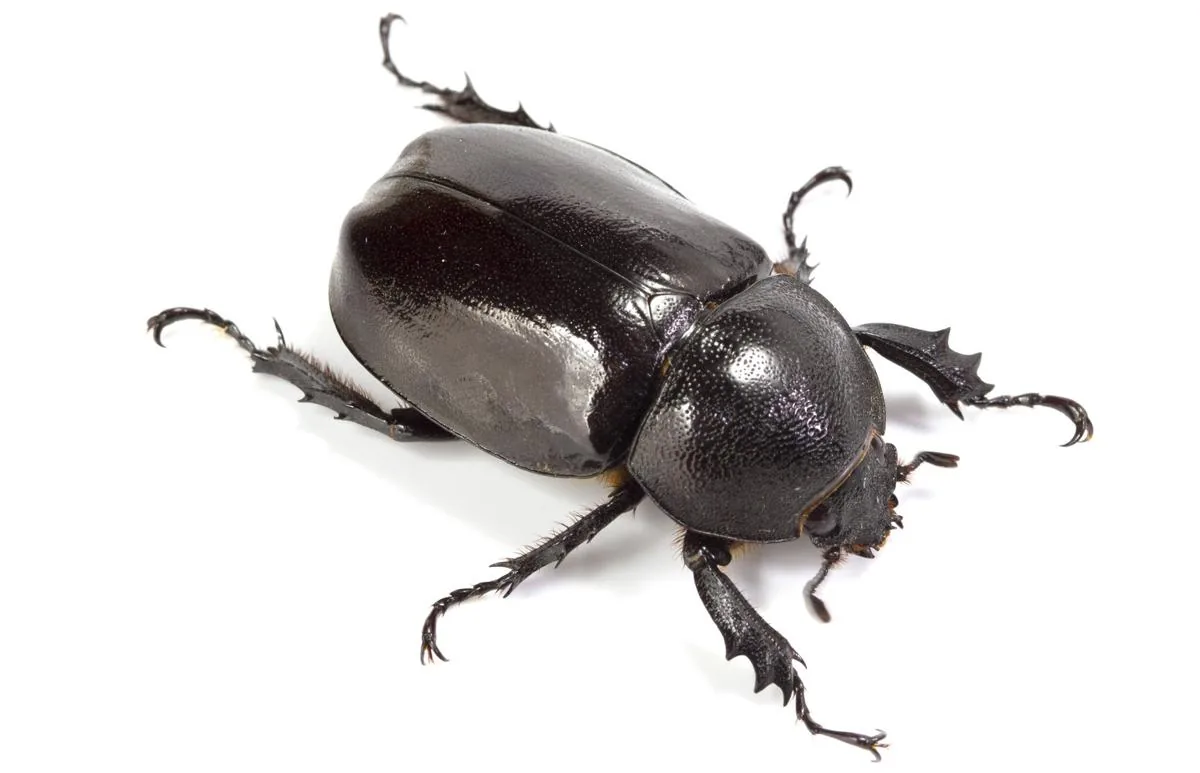
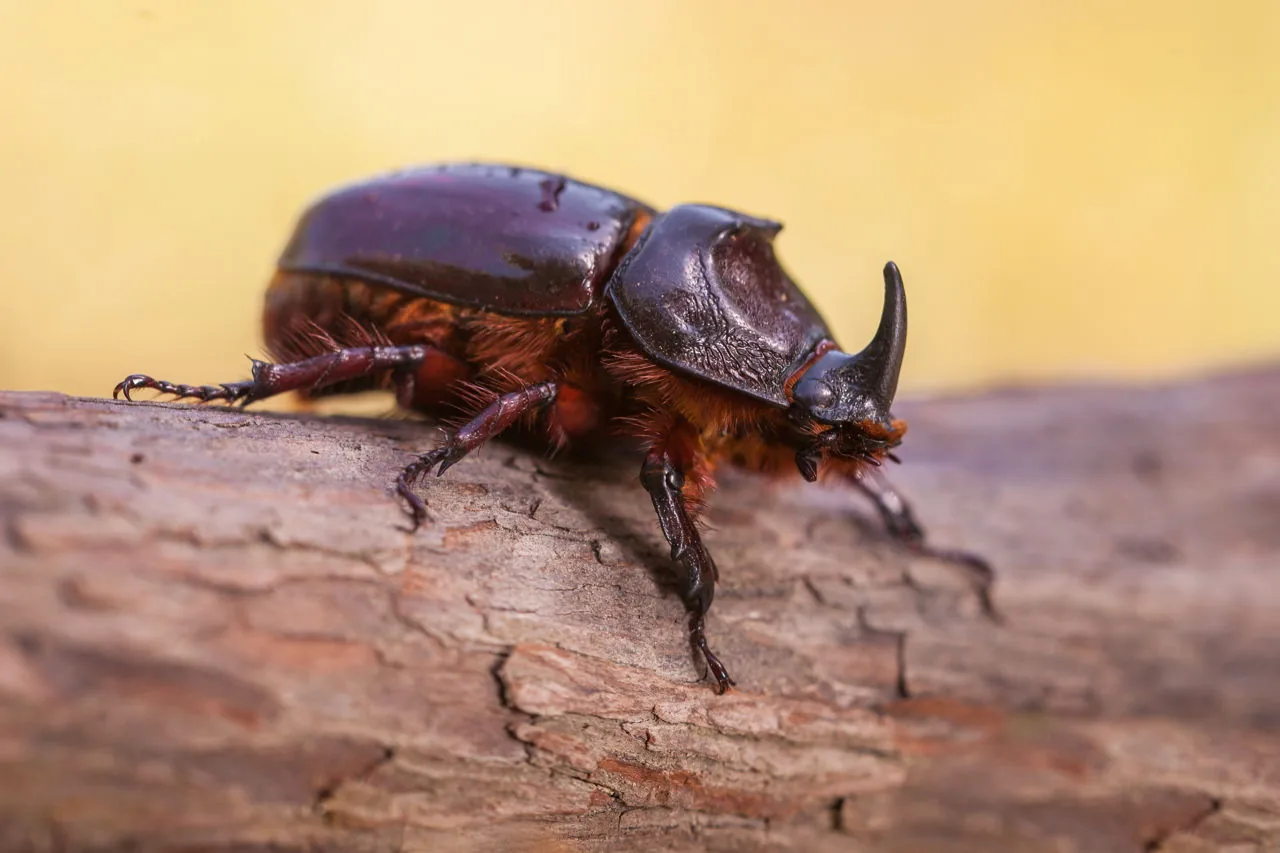
Rhino beetles are covered in a hard sheath. Their front wings form a protective covering for their rear wings. Because of their size, most rhinoceros beetles are not good fliers. Instead, they rely on camouflage to stay safe, hiding under logs or in the dark undergrowth to avoid their few predators. Some rhino beetles can also produce a hissing sound by rubbing their front wings against their abdomens, a warning sign if the beetle is persistently disturbed.
The Horn
The horn-like appendage is undoubtedly the most striking physical feature of rhinoceros beetles, and is the source of their name. Only the males have horns. They are used in fights between rival males and sometimes for digging underground.
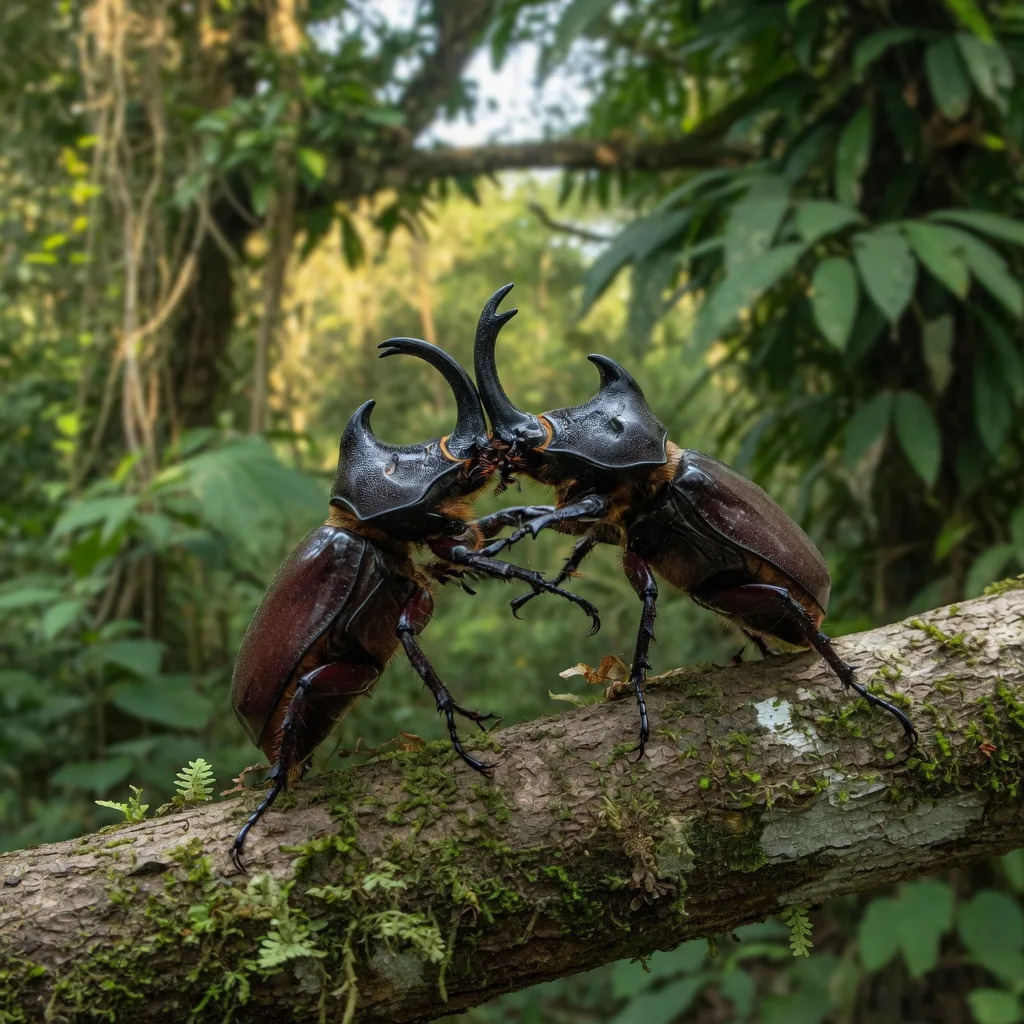
According to a study published in the journal Science, the length of the horn is directly related to the nutrition the male beetle received while growing up. This is why the horn has evolved to be so important in mating displays. Tissues in the horn are much more sensitive to insulin-like growth factors (IGFs) than tissues elsewhere in the body. IGFs are responsible for growth in most complex organisms, and their levels depend on nutrition.
To test this idea, scientists disabled the gene that activates the IGF pathway in these beetles. The horns in beetles without the gene were 16% smaller than the horns on beetles that could use the IGF pathway. For comparison, the difference in wing size was only 2%.
Rhinoceros Beetle Quiz
5 quick questions. How much do you know about these armoured giants?
Life Cycle
Female rhinoceros beetles lay around 50 eggs (though this can differ between species). These beetles have a very long larval stage, sometimes extending to more than 3 years. The larvae mostly eat rotten wood.
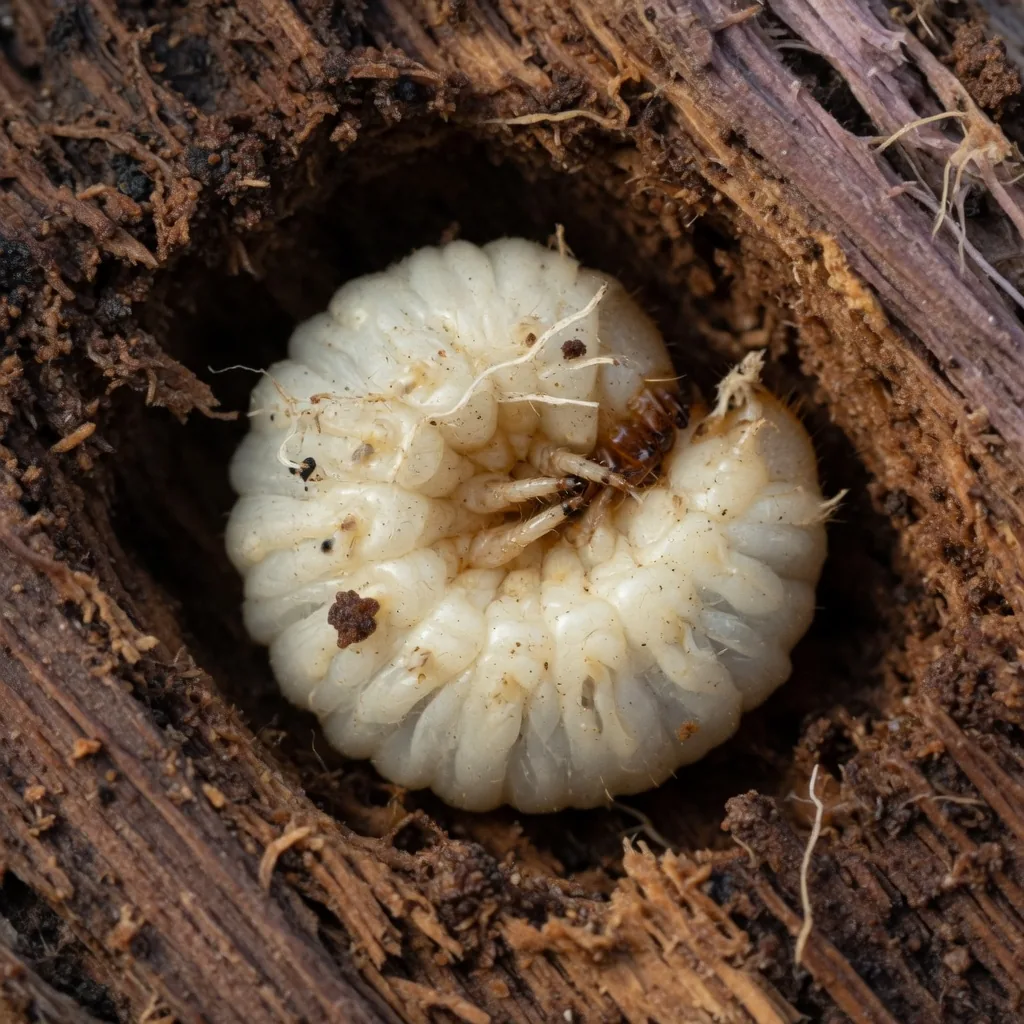
After the larval stage, the larvae pupate. In some species the beetle emerges as a fully formed adult. In others, it first emerges as a nymph and then goes through several further stages (called instars) to reach adulthood. The adults eat plant nectar, sap, and fruits. Adult beetles eat significantly less frequently than their larvae, and certainly much less than their size might suggest.
These tough and well-armoured beetles live for 2-3 years, though the females die soon after reproduction.
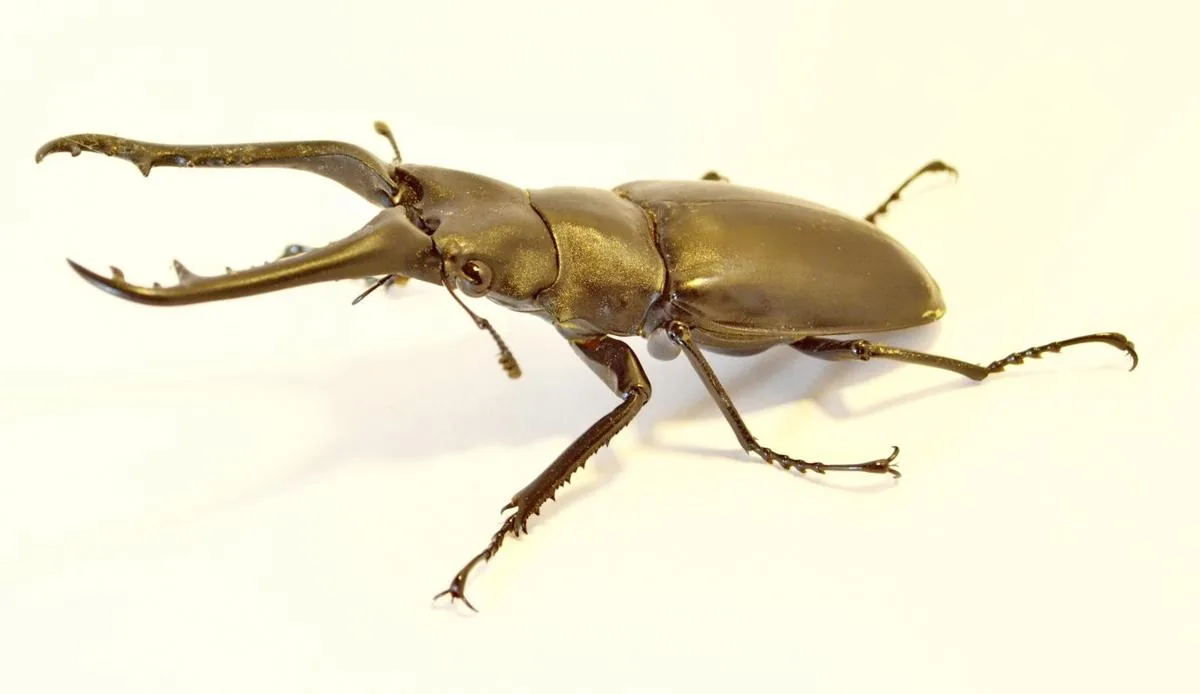
The images below show each stage in the life cycle of a Hercules beetle. The first is a larva, the second is a nymph, and the third is the adult.
Interaction with Humans
Rhinoceros beetles are popular as pets, particularly in eastern Asia. Despite their size, they cannot sting or bite. They are also quite clean pets, with no mess to clean up in their wake.
In the same region, male beetles are used as combatants in gambling fights, due to their large size and their natural tendency to attack other males.
Some are also eaten in many parts of the world, though the larvae are usually preferred over adults. The larvae are reported to carry proportionally more protein than popular sources of protein such as meat or legumes. You can also read about the related Hercules beetle and other types of insects to compare how different species interact with people around the world.
Explore More Animals
 Interesting Facts About the Hercules BeetleThe Hercules beetle is one of the largest and strongest insects on Earth. Discover its color-changing shell, epic horn battles, and amazing life cycle.
 Types of Beetles: 8 Species You Should KnowBeing the largest insect order, there are over 350,000 species of beetles found across the world. Meet 8 different species, from glowing fireflies to armoured
 Facts About the Tiger Beetle You Need to Read Right NowDespite their small size, tiger beetles possess some really interesting characteristics. Find out some amazing tiger beetle facts by reading this post.
 Meet the World's Largest Terrestrial ArthropodsCoconut crabs are the biggest land arthropods on Earth, tree-climbing, coconut-cracking giants. Learn their life cycle, diet, adaptations, names, and why they

 Fun fact for today!The Hercules beetle can lift 850 times its own body weight, that would be like a person lifting a bulldozer!