

The Siberian tiger (also known as the Amur) is the world's largest cat and one of the most endangered species on Earth. Today, these magnificent animals are mostly found in southeastern Russia. Their numbers in China and Korea have dropped sharply because of illegal poaching. It is estimated that around 350-400 tigers remain in the wild, and 490 more live in zoos.
Facts about Siberian Tigers
Siberian tigers are huge and possess an imposing body frame. These powerful creatures can weigh up to 650 pounds and are about 10 to 12 feet in length. Their average weight ranges from 400 to 650 pounds. When standing, their height measures 3 to 3½ feet at the shoulder. Their coat is pale orange with black stripes. White Siberian tigers have chocolate-colored stripes against their white coat.
Maturity is reached between the ages of 3 and 5 years, and they have no fixed mating season. The gestation period ranges from 3 to 3½ months. Cubs are born blind and are protected by their mothers for about 8 weeks, after which they begin to roam alongside her. By the age of 1 year, they help their elders during hunts. Siberian tigers reach full size at 3 years old, the age when they start hunting on their own.
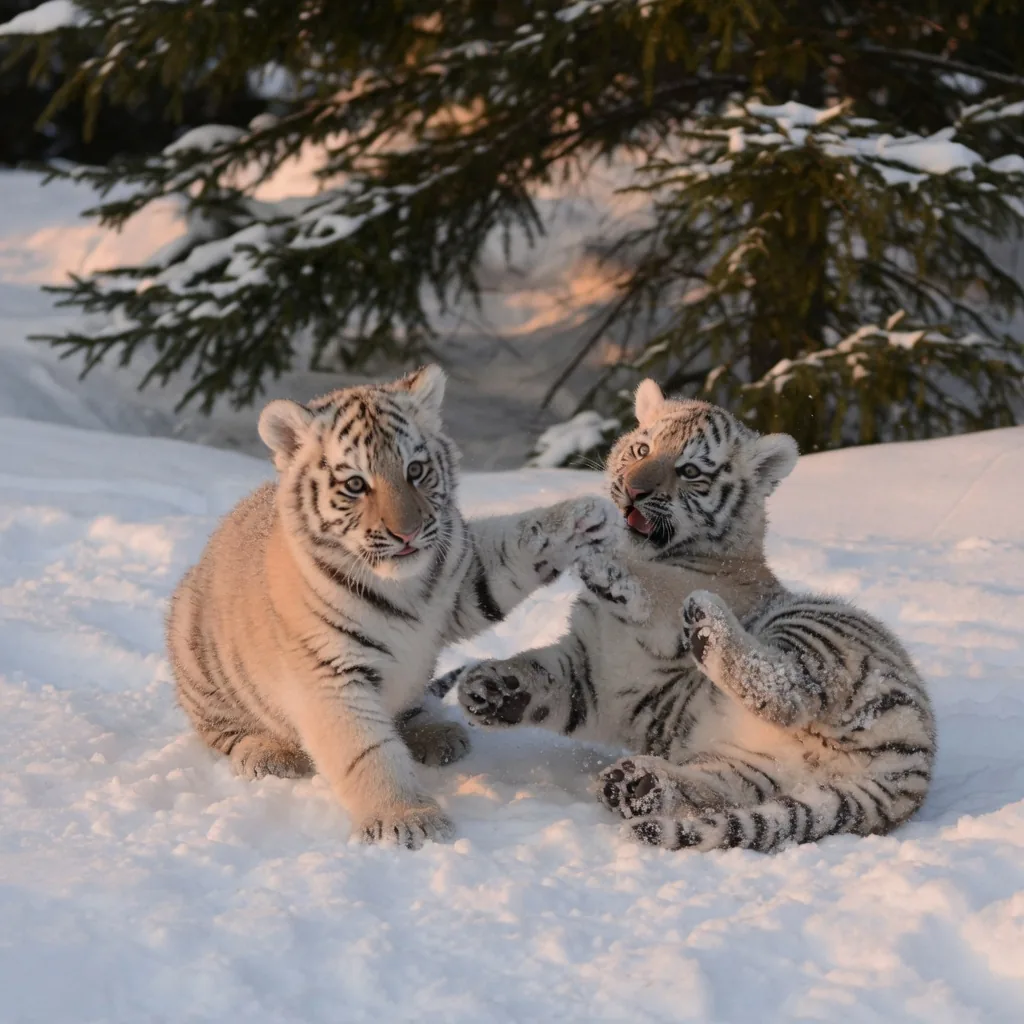
What Do Siberian Tigers Eat?
They need around 20 pounds of meat for their daily diet. They mainly eat deer, elk, and wild pigs. Monkeys, fowls, frogs, and fish fill in during times of food scarcity. On average, only 1 out of every 10 hunting attempts is successful. According to records, one tiger traveled more than 600 miles in search of food. An adult tiger can eat as much as 200 pounds of meat in a single day, and up to 100 pounds at one sitting.
Siberian tigers use the method of 'ambush' while hunting. Although they can run at great speed, they need to come within 30 to 80 feet of their prey before launching an attack. This is why patience and stealth matter far more than raw speed.
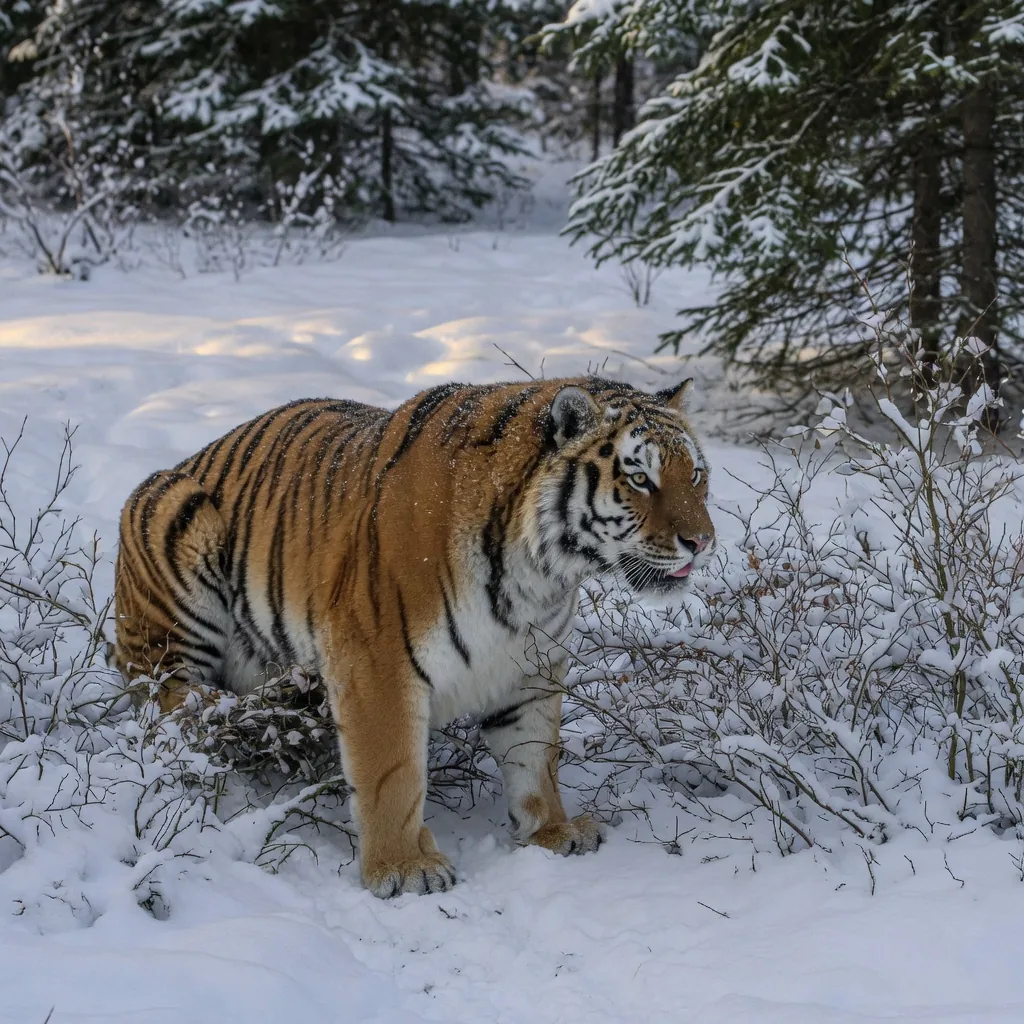
Where Do Siberian Tigers Live?
Siberian tigers prefer a solitary life and hold large territories, some of these areas cover more than 4,000 square miles. Females generally live in smaller ranges and stay close to their cubs. Originally, these tigers lived in large numbers across Russia, China, and Korea, but poaching has cut their numbers drastically. Tigers are usually killed for their prized skins; in China, body parts are also used in some traditional medicines. Today, the Siberian tiger's habitat is confined to far eastern Russia.
One of the main reasons for the ongoing decline (alongside poaching) is the shrinkage of Siberian tiger habitat. In most cases, the logging that has destroyed their forest home was carried out illegally.
Take the Siberian Tiger Quiz!
5 quick questions. How much do you know about Earth's biggest cat?
Some Interesting Facts
Here are some fascinating facts about Siberian tigers that you might find useful for a school essay or just for your own curiosity.
- The local people of Siberia hold great respect for these tigers. The Tungusic people call the Siberian tiger 'Old Man' or 'Grandfather', while the Nanai people have named them 'Amba'.
- Unlike the Bengal tiger, Siberian tigers are rarely known to attack people. Only six incidents of man-eating were recorded during the entire 20th century.
- On December 25th, 2007, a Siberian tiger named 'Tatiana' was shot dead after escaping from a San Francisco zoo. The tiger had killed one person and injured two others.
- Bears have sometimes been killed by these tigers. This happens when the ungulate population drops and the tigers must find other food. Brown bears are more vulnerable to tiger attacks than black bears because brown bears cannot climb trees.
- Siberian tigers in the wild survive for as long as 15 years, though those in captivity tend to have a shorter lifespan.
- Unlike their orange counterparts, white Siberian tigers actually live longer in captivity than they do in the wild.
- Siberian tigers can survive extremely heavy frosts.
- When facing an intruder, a Siberian tiger warns it first by rattling its tail before attacking.
- Although a male tiger defends his territory fiercely, he will not attack an intruding female that has cubs.
- The Wildlife Conservation Society (WCS) in Russia launched the Siberian Tiger Project in 1992, with the goal of preparing conservation plans for these animals. Gathering information on tiger ecology is one of the project's main tasks.
- The number of Siberian tigers in the wild had fallen to only 40 in the 1940s. Thanks to joint efforts by organizations in Russia, including the World Wildlife Fund (WWF), tiger numbers have been rising steadily since.
Frequently Asked Questions
How many Siberian tigers are left in the wild?
Around 350-400 in the wild, plus approximately 490 in zoos worldwide.
How big is a Siberian tiger?
They can weigh up to 650 pounds and measure 10 to 12 feet in length, the largest cat on Earth.
What do Siberian tigers eat?
Mainly deer, elk, and wild pigs. In lean times they may also eat monkeys, fowls, frogs, and fish.
Where do Siberian tigers live today?
Their habitat is now confined to far eastern Russia, mainly the Amur-Ussuri region.
How long do Siberian tigers live?
In the wild they survive for as long as 15 years.
Protecting the Siberian tiger is urgent. Real effort is needed to save this powerful but endangered creature. Every person (even kids) can help raise awareness and support conservation organizations working in Russia.
Explore More Animals
 Tiger's Habitat: What do Tigers Eat?Royal in their appearance, tigers are one of the most majestic animals seen in the wild. Here is some information about their habitat and food habits.
 Astonishing Facts About Amur Leopards, the World's Rarest Big CatsOne of the rarest animals on the planet, the Amur leopard is actually a subspecies of the leopard; in fact, it is one of the nine subspecies of leopards.
 Facts About the Bengal Tiger That Will Leave You FlabbergastedBengal tigers are the second largest big cat on Earth, and one of the most endangered. Discover their stripes, hunting habits, white tiger connection, and how
 Utterly Mind-boggling Facts About the White Bengal TigerAlso known as Indian tigers, white Bengal tigers were initially hunted down for fun, as a part of sporting activities. Today, most of these are bred in captivit

 Fun fact for today!Siberian tigers are also called Amur tigers, named after the Amur River region of Russia where most of them live today.