

Like a Star on the Ocean Floor
Starfish! This marine animal has always been fascinating because of its radial symmetry with five or more arms. The starfish (or "sea star" as scientists prefer to call it) gets its name from its star-shaped body.
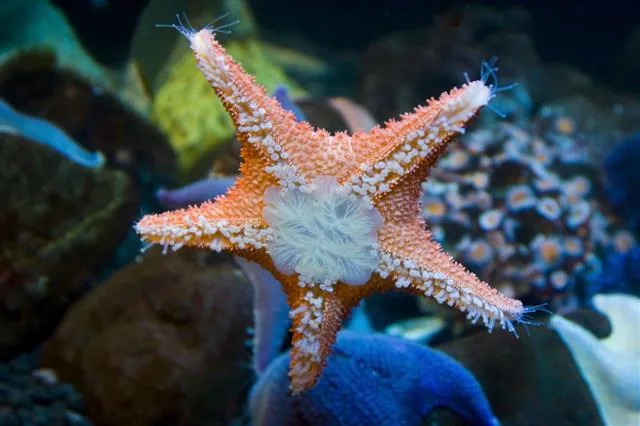
Starfish Species
About 2,000 species of this marine animal are found in every ocean across the world. Most of them live in the Indian and Pacific oceans. Starfish are generally found in shallow waters.
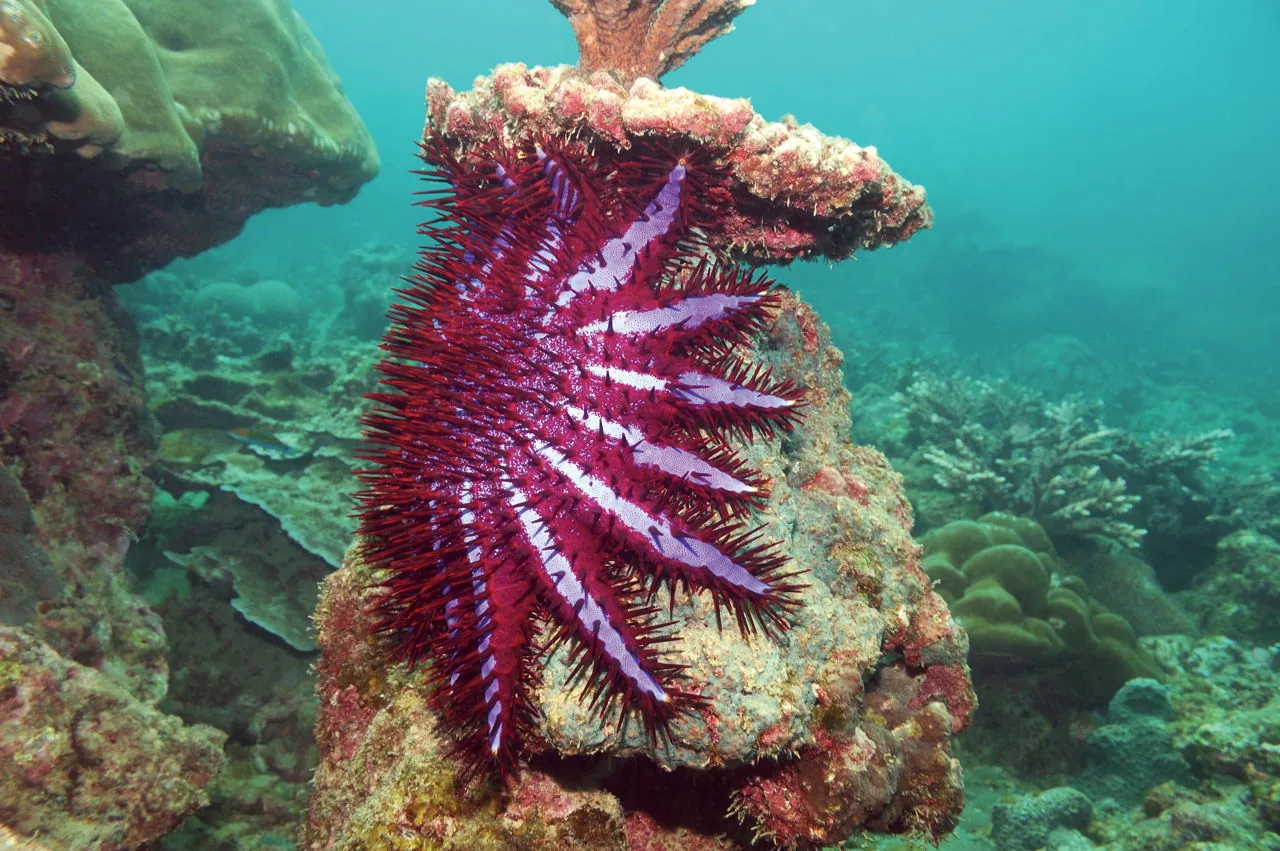
Because they share a body plan that is symmetrical by five points (just like sea urchins) starfish belong to the phylum Echinodermata.
Tube Feet: Built for Movement and Feeding
If you have ever picked up a starfish and turned it over, you will find hundreds of tiny projections on its underside. These are called tube feet. They serve two main jobs: moving the starfish through the water, and helping it pry open scallops or clams to eat.
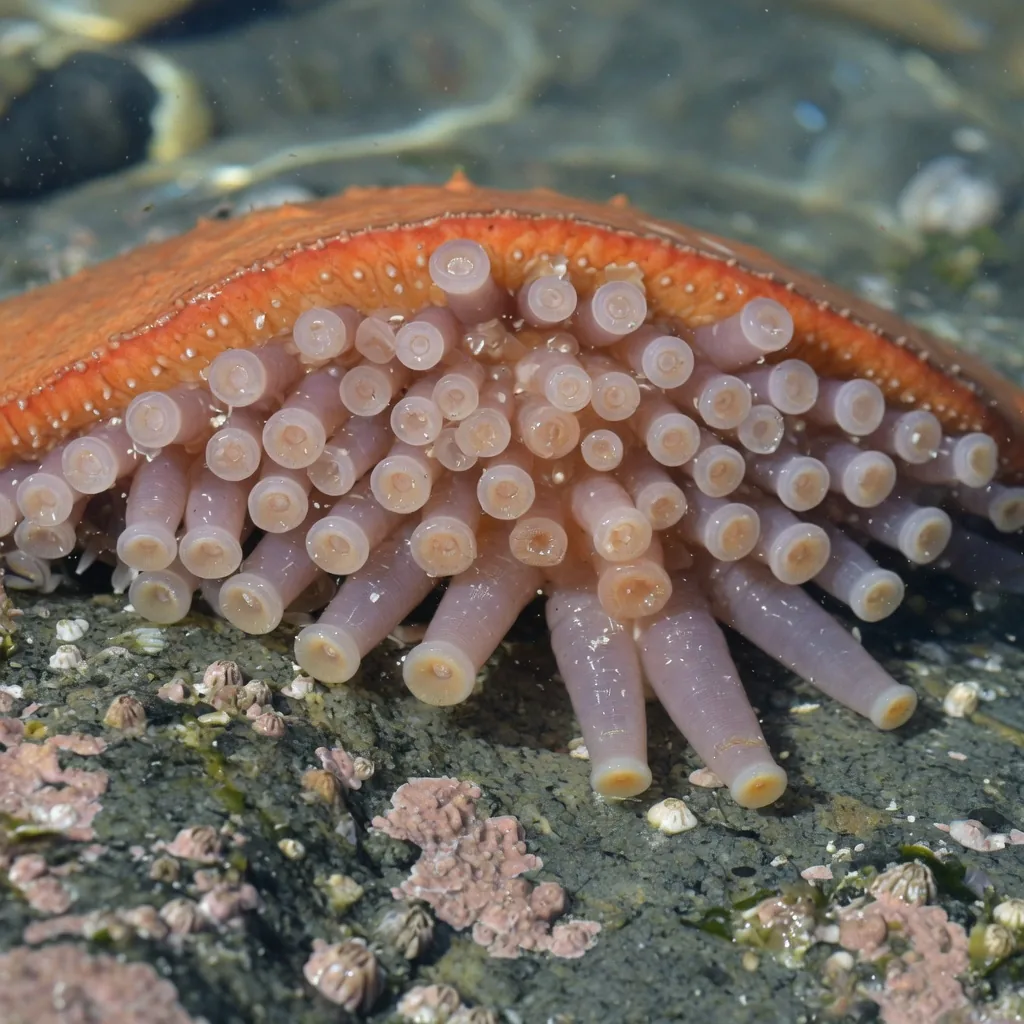
Two Stomachs
One of the most interesting facts about the starfish is that it has two stomachs. The cardiac stomach can reach outside the body to start digesting food before it is even swallowed. When the cardiac stomach comes back inside, the partially digested food is passed to the pyloric stomach.
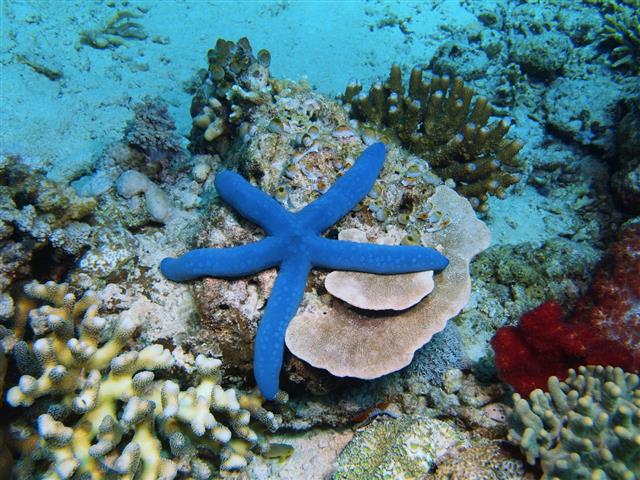
Mouth of a Starfish
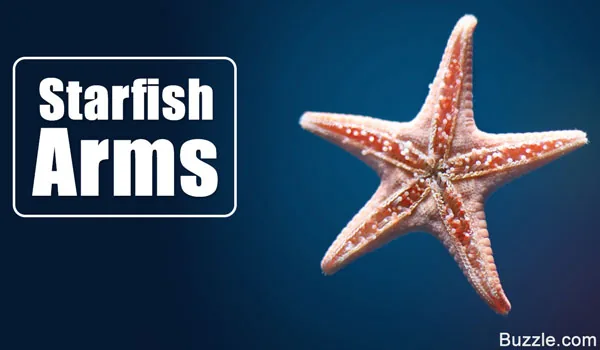
Have you ever tried to find the mouth of a starfish? It is located on the ventral surface, the underside. The sea star with five arms is the most commonly spotted type. However, some species have 10, 20, or even up to 40 arms!
Eye Spots at the Tip of Each Arm
The starfish has an eye spot at the end of each arm. It cannot see fine details, but the eye spot lets the starfish detect movement and tell the difference between light and dark.
Protective Armor
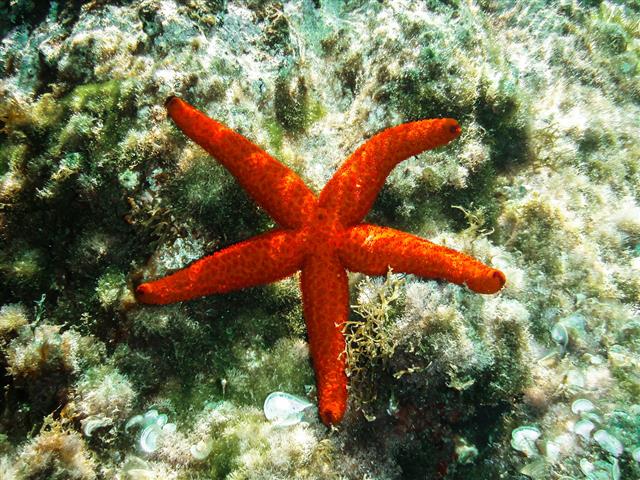
Most starfish have a spiky or leathery surface, depending on the species. The crown-of-thorns starfish is famous for its thorny spines covering its whole body. This tough outer layer is made of calcium carbonate plates with tiny spines, it acts as armor against predators.
Take the Starfish Fact or Fiction Quiz!
5 quick questions. How much do you really know about sea stars?
A Unique Anatomy
In addition to having no brain, these sea animals do not have a single drop of blood in their body. Instead, they use a water vascular system, seawater is pumped in through a small opening called a sieve plate. The anus of this invertebrate is located on top of its body.
Regeneration: Growing Back from One Arm
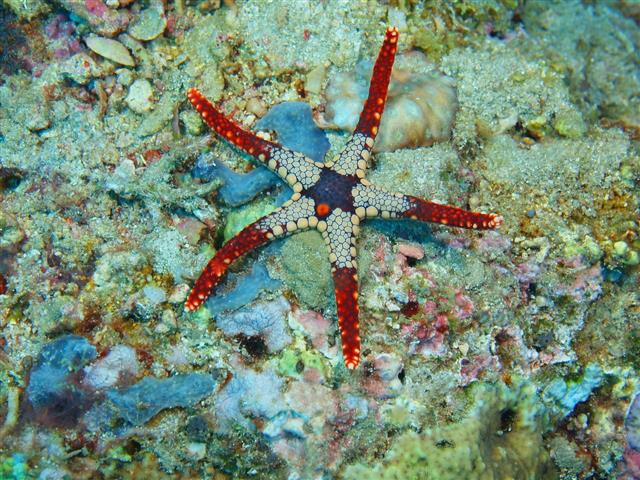
Amazingly, if a starfish loses an arm, it can grow a new one back in about a year. This is very useful when threatened by a predator, the sea star can shed the arm and escape. Sometimes, an entirely new starfish can grow from just one detached arm. This happens because most of the vital organs are stored inside the arms.
Frequently Asked Questions
Is a starfish actually a fish?
No, starfish are echinoderms in the class Asteroidea, not fish at all.
How long can starfish live?
Starfish can live for up to 35 years in the wild.
How many species of starfish are there?
About 2,000 species of starfish are found in every ocean around the world.
Can a starfish regrow a lost arm?
Yes, a starfish can regenerate a lost arm in about a year. In some cases, an entirely new starfish can grow from just one arm.
Do starfish have blood?
No, starfish do not have blood. They use a water vascular system, pumping seawater through a sieve plate to move and feed.
Feeding Technique
These marine animals have a very unusual way of eating prey that is larger than their mouth. The starfish wraps its arms tightly around a clam or shell and forces it open. Then it pushes its stomach out through its mouth and into the shell, digests the prey there, and pulls the stomach back in. This lets ocean invertebrates like starfish eat food much bigger than their mouths could normally handle.
Flexible Reproduction System
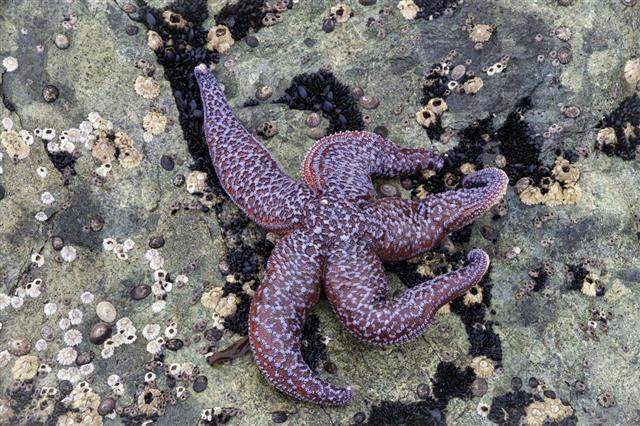
An interesting fact about starfish is that they can reproduce both sexually and asexually. In the mating season, females release eggs and males release sperm into the water.
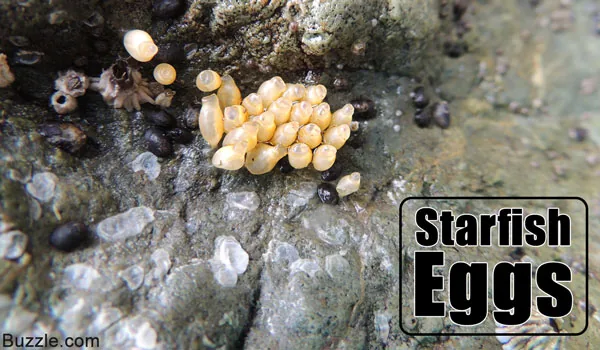
A female starfish is capable of producing around a million eggs at one time. These facts about starfish give us a glimpse of the kind of life that exists beneath the sea, complex, beautiful, and full of surprises.
Explore More Animals
 Starfish Facts for KidsDiscover amazing starfish facts for kids: how they walk on 15,000 tube feet, why they have two stomachs, how they can regrow lost arms, and much more.
 Starfish Habitat: Where Sea Stars Actually LiveIn this article, we shed light on one of the little-known attributes of the life of starfish, their natural habitat, and their adaptations which help them survi
 Fascinating Facts About Sea Anemones You Never KnewSea anemones are stinging polyps that live on coral reefs and rock faces. Discover how they sting, reproduce, and form one of nature's most famous partnerships
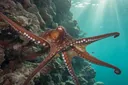 Octopus Facts for Kids: Eight Arms, Blue Blood, and Big BrainsThe octopus is an intriguing creature of the seas that derives its name from a Greek word which means eight-footed. Discover fascinating octopus facts for kids:

 Fun fact for today!Starfish are not fish, they are echinoderms, more closely related to sea urchins than any fish!