

Pack Life and Social Structure
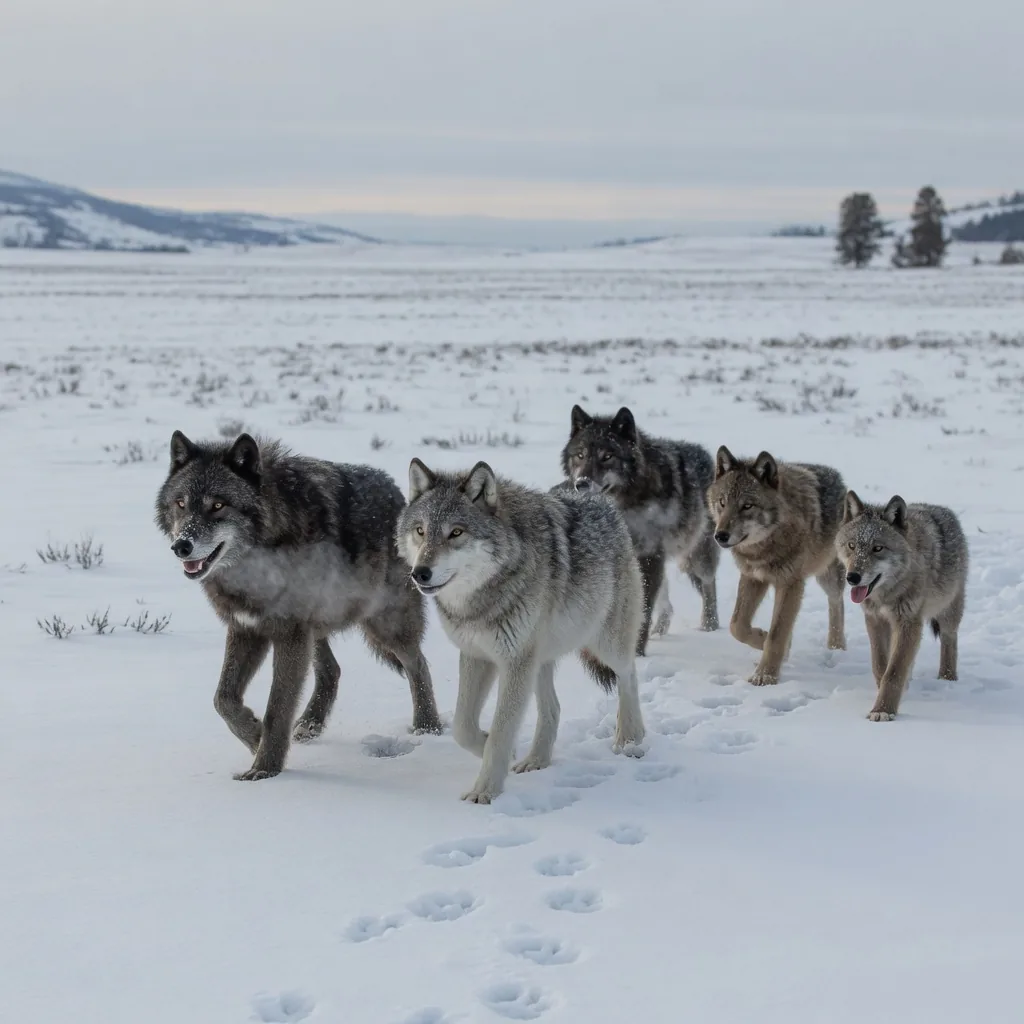
Wolves hunt in packs, and every pack has a clear ranking. In a pack (which can contain anywhere from 2 to almost 30 wolves) mating only takes place between the alpha male and the alpha female. While this breeding pair is away, the rest of the pack looks after the cubs.
Wolves breed once a year. The breeding period starts towards the end of February and lasts until just after the start of March. When a new litter arrives, the mother helps each newly born cub to urinate by massaging the cub's belly with her tongue.
Built for the Hunt
A wolf's body is engineered for chasing and catching prey. Wolves have webbing between each toe, which helps them move across all kinds of ground with ease. To keep their paws from tiring, wolves run on their toes, a trick that also helps them stop, sprint, and turn quickly.
The first digit on a wolf's claw can rotate, and the claws themselves stay sharp since wolves use them to grip prey that is larger than themselves.
Perhaps the most striking physical feature is the jaw. A wolf's jaw can exert a crushing pressure of 1,500 pounds per square inch, that's nearly twice the force a dog's jaw can produce.
Super Senses
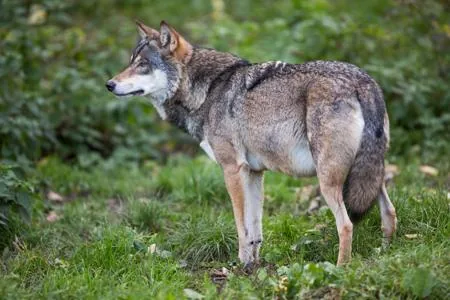
A gray wolf's sense of smell is actually weaker than that of trained hunting dogs. But wolves make up for it in another way: they possess the sharpest night vision of all canids.
Their hearing is also exceptional. While running, wolves hold their head low and tilted to one side. This position directs one ear forward and the other backward at the same time, letting the wolf use its full hearing range without any hindrance.
A gray wolf normally keeps its head level with the rest of its body. It only raises its head when it senses a warning.
Take the Wolf Facts Quiz!
5 quick questions. How much do you really know about wolves?
How Wolves Communicate
Wolves use several methods to communicate: facial expressions, body language, and sounds. Of all their signals, howling is the most distinctive.
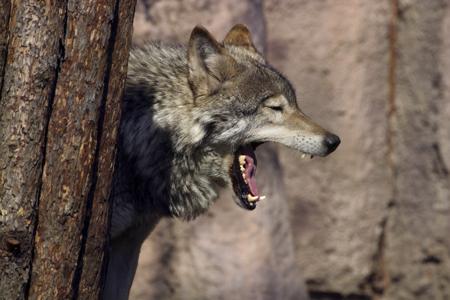
Howling serves a clear purpose, it assembles the pack, helps members detect the location of other wolves, and signals an alarm or a warning. Interestingly, wolves in a pack do not howl at the same time. One wolf begins and another follows immediately, which gives the impression there are far more wolves than there actually are.
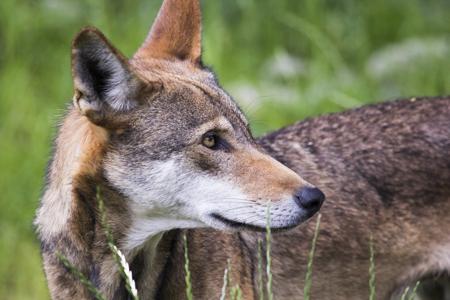
Research also shows that wolves from different parts of the world howl differently. The howls of North American wolves are louder and sharper, while European wolves tend to produce howls that are more prolonged.
Hunting Behavior
When a wolf pack picks up the scent of prey, there is a moment of excitement: the wolves sometimes press their noses together and wag their tails before heading off toward the kill.
After a successful hunt, the alpha pair feeds first, followed by the cubs. The remaining pack members then drag the kill to a secluded spot to eat. Wolves typically start with the larger internal organs (the heart and lungs) and save the muscles for last.
Wolves often give up the chase after about 1.5 miles. North American wolves have been observed herding prey onto steep slopes, riverbanks, and thick ice to slow them down and prevent escape.
Notable Subspecies
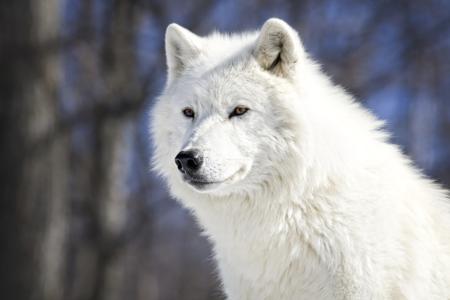
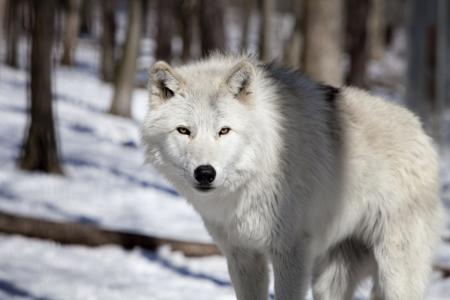
Of all the wolf subspecies, the arctic wolf is the only one that is not currently threatened. In winter, arctic wolves can grow a second layer of protective fur to survive extreme cold.
Wolves and Humans: A Troubled History
The last wolf killed in England was in the late 14th or early 15th century. In Ireland, the last confirmed killing is believed to have taken place in the later part of the 18th century.
Although hunting of wolves on a minor scale still occurs in some countries today, efforts to increase their populations have led the IUCN to classify the gray wolf as "Least Concern", a meaningful step for a species that was once driven out of much of its former range.
Explore More Animals
 Where Do Wolves Live?Wolves are intelligent animals that have lived on the planet since many centuries. This article will answer the question where do wolves live.
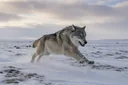 Gray Wolf Adaptations & HabitatThe complete kids' guide to the gray wolf: how its lean body, double-layered fur, powerful jaws, pack teamwork, and incredible senses help it survive, plus whe
 Astounding Facts About Wolf Spiders That'll Leave You AwestruckWolf spiders don't spin webs, they hunt like wolves. Discover their eight-eyed vision, water-walking skills, and the amazing way mothers carry their young.
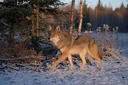 Facts About the Coyote-Wolf Hybrid (Coywolf)In the wild, wolves usually kill coyotes upon spotting them. But what if they breed among themselves to produce a hybrid? AnimalSake tells you some facts about

 Fun fact for today!In the 17th century, Ireland had between 500 and 1,000 wolves and was nicknamed "wolf-land"!