

What Was the Irish Elk?
The Irish Elk, Megaloceros giganteus, also called the Giant Deer, is an extinct deer species that last walked the earth about 7,700 years ago. It lived mainly across the Eurasian subcontinent, stretching from Ireland all the way to the Russian lake Baikal. Lake Baikal is also the oldest and deepest lake on earth.
Despite its name, the Irish elk is not related to the European or North American elks that exist today.
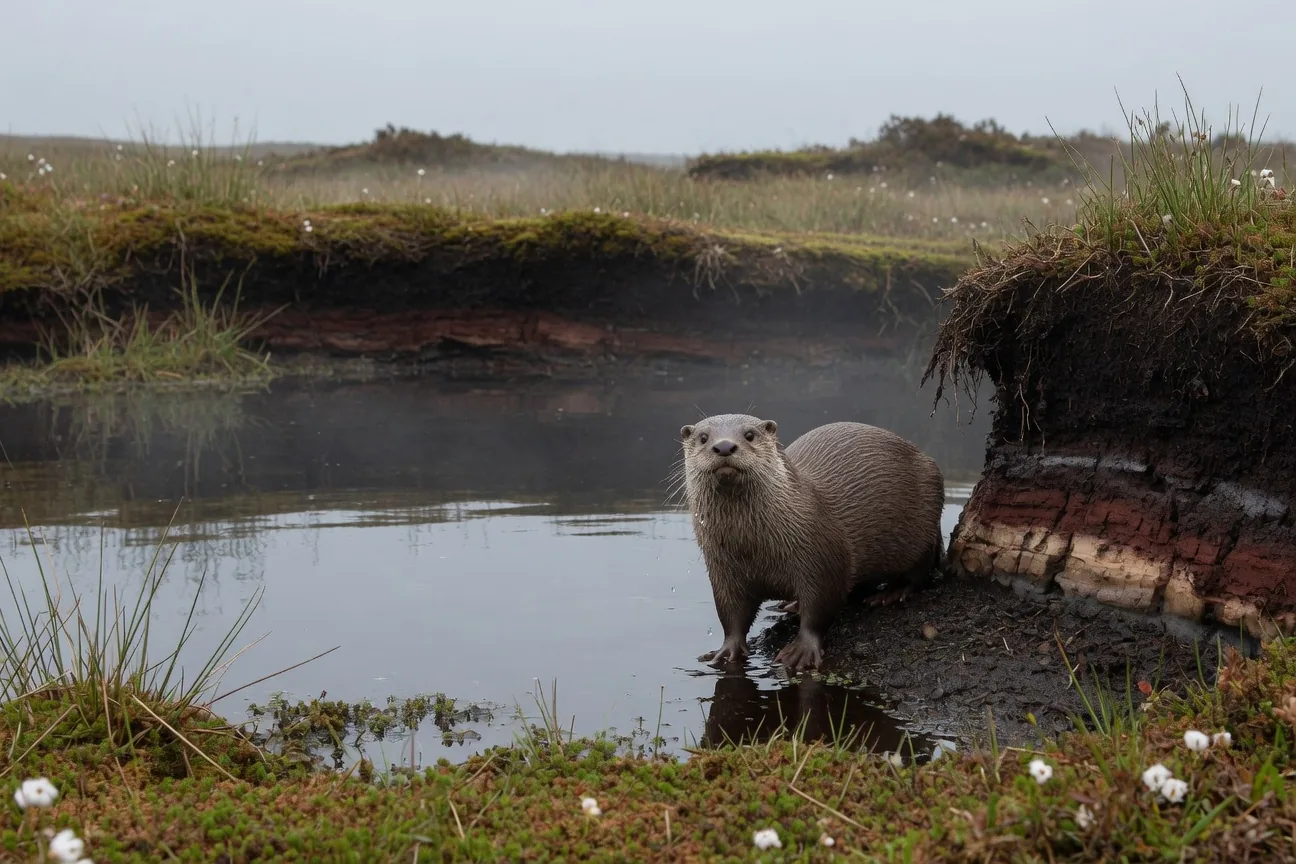
One of the most striking Irish elk facts is that the animal was enormous, roughly twice the size of an average person who stands 5 feet 6 inches tall. The first fossils of this animal were pulled from deep bogs and swamps, which helped preserve the bones under layers of floor sediment.
Irish Elk Facts and Information
The Irish elk is thought to have evolved from an earlier species, M. antecedens, which had a similar body plan.
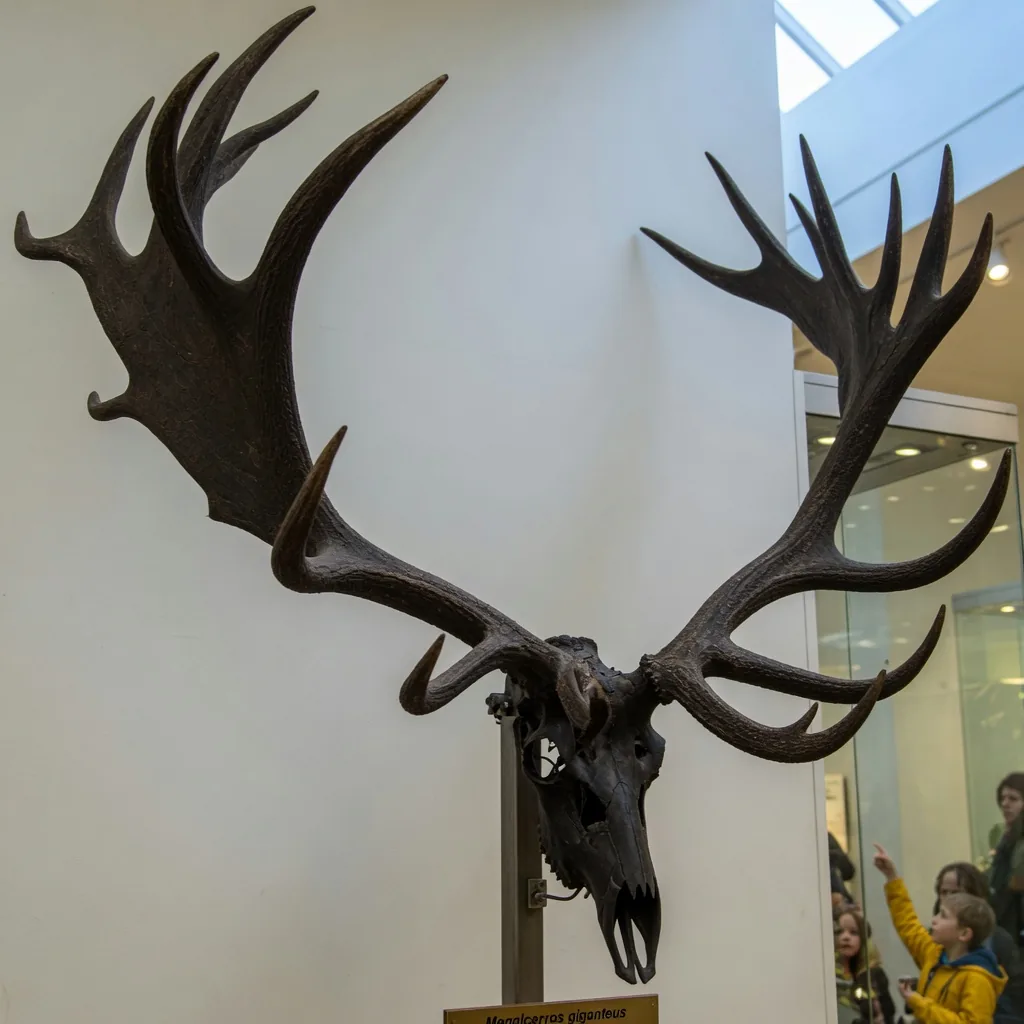
- The Irish elk stood about 6 feet 11 inches tall and had very widespread antlers.
- The antlers extended to about 12 feet in length from one tip to the other.
- The antlers themselves weighed about 40 kg, according to estimates by paleontologists.
- These antlers served as weapons for fighting rival males and fending off predators.
- Large antlers also helped males attract mates, females preferred males with bigger antlers, so over generations the antlers kept growing.
Take the Irish Elk Quiz!
5 quick questions. How much do you know about this Ice Age giant?
Theories of Extinction
Scientists have proposed six different explanations for why the Irish elk disappeared. It may well have been a combination of several causes working together.
Theory 1, The Antlers Grew Too Big
The Irish elk genetically evolved to grow large antlers, and selective mating meant that each generation had bigger ones than the last. Eventually, the antlers grew out of proportion with the animal's head and neck. This made it harder and harder for the animal to support its own weight, and may have contributed to its extinction.
Theory 2, Loss of Calcium-Rich Food
These animals needed high amounts of calcium and phosphate compounds to grow healthy antlers. They got these nutrients from vegetation. Over time, the plants rich in calcium and phosphate began to disappear. Without enough of these minerals, the animals could not regrow their antlers or produce healthy offspring. This created a kind of osteoporosis (a weakening of the bones) across the species, slowly leading to extinction.
Theory 3, Overhunting by Humans
Humans may have been responsible for the Irish elk's extinction. As people spread across Eurasia, they hunted the elk for meat, skin, and bones, which were used to make weapons, tools, and support frames for building shelters. The elk may have bred more slowly than people hunted them. The extinction would have unfolded over several decades.
Theory 4, Habitat Loss
Loss of habitat through human settlement may also have played a role. As more land was cleared and occupied, the elk had less space to roam and find food.
Theory 5, Climate Change
The Irish elk may not have been able to adapt to the dramatic shift in climate at the end of the last Ice Age. As temperatures rose, the open grasslands it depended on shrank, and the animal could not survive in the changing, subarctic conditions.
Theory 6, Gradual Evolution
One theory suggests the animal did not go extinct at all, but gradually evolved and shrank in size over time. Under this view, it can now be seen as either the common deer or, more likely, the present-day moose.
Frequently Asked Questions
What is the scientific name of the Irish Elk?
Megaloceros giganteus, also called the Giant Deer. Despite the name, the Irish Elk was not closely related to modern elk or European moose.
How big were the Irish Elk's antlers?
The antlers extended about 12 feet from tip to tip and weighed around 40 kg, wider than a small car.
When did the Irish Elk go extinct?
The Irish Elk became extinct about 7,700 years ago. It had ranged across the Eurasian subcontinent from Ireland to Lake Baikal in Russia.
Why did the Irish Elk go extinct?
Scientists have proposed six theories: oversized antlers limiting movement, loss of calcium-rich vegetation, overhunting by humans, habitat destruction, inability to adapt to climate change, and gradual evolution into a smaller species.
Legacy and Fossils
Whatever caused the Irish elk to die out, the fact remains that this great animal once roamed the grasslands of the ancient world. Today it is listed among the top 10 extinct animals on earth. Many fossils have been found, but most of them have been male.
The females may also have played a role in the extinction. It is possible that females developed some form of disability that made it hard to reproduce. Or perhaps newborns became more and more vulnerable to disease or climate change, cutting off the next generation before it could survive.
Explore More Animals
 Reindeer FactsReindeer are found all over the Arctic area. Read on for some more facts about them, which are bound to make you more knowledgeable about these fascinating crea
 The Symbol of Canada's Native Wildlife: Facts About the MooseHave you ever seen a moose? Discover fascinating moose facts: the world's largest deer, surprising speeds, the famous dewlap, Canadian moose facts, and more.
 16 Fascinating Facts About Woolly Mammoths That'll Blow You AwayWe were reacquainted with woolly mammoths all thanks to the super-successful animated film series, 'Ice Age'. Let's learn more about these fascinating creatures
 A Definitive List of the Different Types of Deer | Animal SakeFrom the white-tailed deer and the giant moose to the tiny pudu: meet the world's deer species, with photos, sizes, habitats and a full list of every kind.

 Fun fact for today!The Irish Elk is not related to modern elk at all, scientists believe it may be closer to the present-day fallow deer!