

There are various ways to measure the "largest" spider. The two main ones are body weight and leg span. While the Goliath birdeater holds the distinction of being the heaviest spider in the world, the giant huntsman spider is the longest. Both are remarkable creatures, and both are very real.
Goliath Birdeater: Largest by Body Mass
How Big Are They?
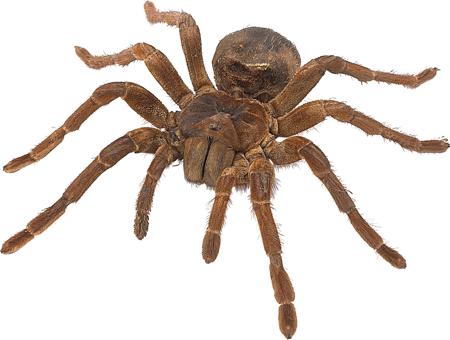
The Guinness Record for the largest spider belongs to a female Goliath birdeater, which weighs around 175 grams. When it comes to body weight, the Goliath birdeater is the largest spider in the world. In terms of leg span, it is the second largest (after the giant huntsman), it can have a leg span of up to 30 centimeters. Males of this species are longer, while females have more girth than length.
Do They Look Scary?
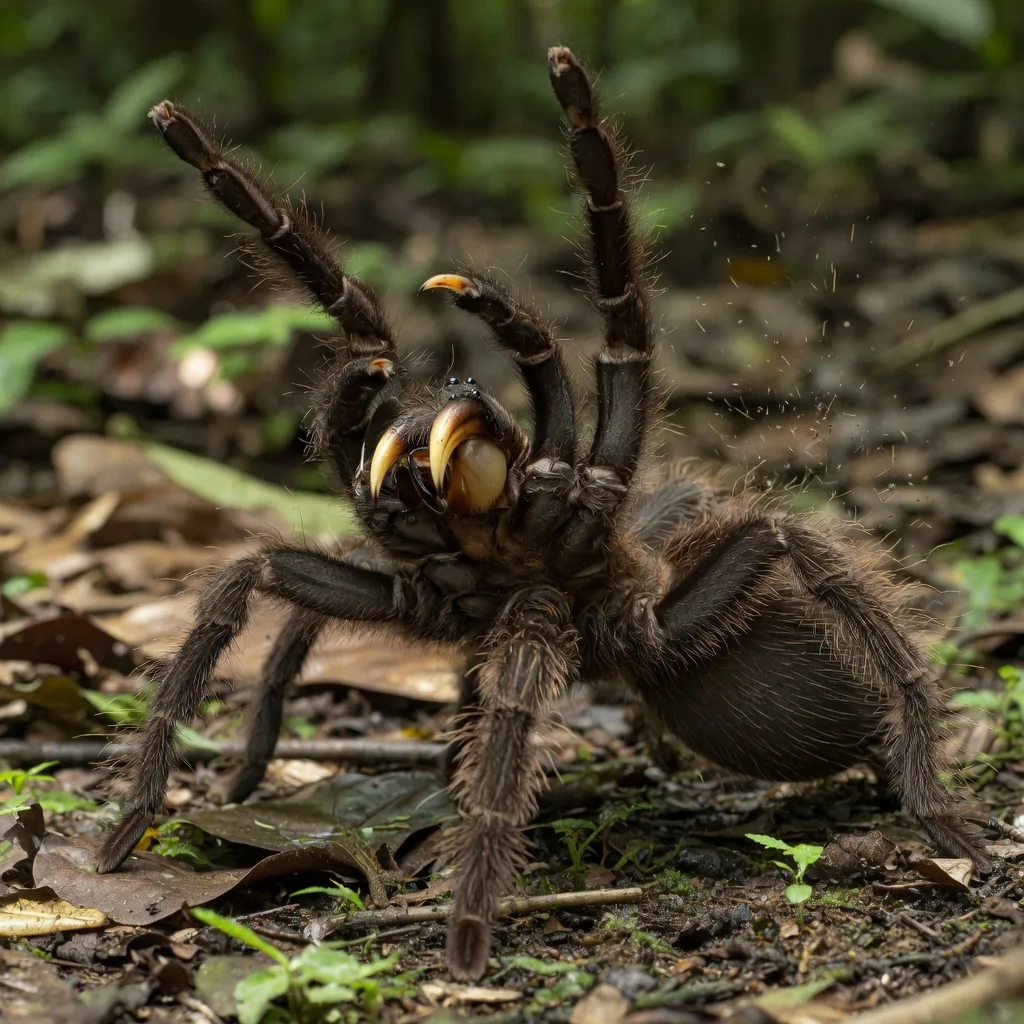
If you are afraid of spiders, Goliath birdeaters will look scary. They have a giant, hairy body. Their long fangs (which can be one to two inches in length) come with poison glands. You might also hear these spiders make a hissing sound, produced by rubbing their legs together.
Are They Venomous?
Yes, Goliath birdeaters are venomous. Their venom can be fatal to smaller animals, but for humans it isn't usually dangerous. A bite may cause symptoms like pain, nausea, and swelling. In most cases, these tarantulas bite humans only in self-defense, and the bites often involve no venom at all, these are called "dry bites."
Where Do They Live?
Goliath birdeaters are found in the rainforests of South America. Their habitat includes wet swamps and marshy areas. These spiders usually live in deserted burrows that they dig using their fangs. They are natural burrowers, spending most of their time underground.
Do They Eat Birds?
Goliath birdeaters (Theraphosa blondi) are the heaviest spiders in the world. The name comes from a story: some Victorian explorers once saw one eating a hummingbird, which gave rise to the dramatic name. In reality, these spiders are not regular bird-eaters. They may occasionally feed on bird hatchlings, but their usual diet includes insects, invertebrates, and small vertebrates, beetles, lizards, frogs, rodents, snakes, and bats.
Goliath Birdeaters as Pets
While some people keep Goliath birdeaters as exotic pets, experts warn against it for most owners. These spiders are very large, aggressive, and fragile. Their most dangerous defense mechanism is not their fangs, it's their hair. If threatened, they rub their hind legs on their abdomen and fling out bristled hairs. Contact with these hairs can cause irritation of the skin and lungs. If the hairs reach the eyes or mouth, the symptoms can be severe. These spiders are so delicate that even a minor fall can cause their body to split apart.
Take the World's Largest Spiders Quiz!
5 quick questions. How well do you know the Goliath birdeater and the giant huntsman?
More About Goliath Birdeaters
These spiders are solitary creatures. Their body color ranges from light to dark brown, and some have markings on their legs. Goliath birdeaters molt (periodically shedding their outer skin) as they grow, and they can regrow lost limbs.
Lifespan varies greatly between the sexes. Females can live for around 15 to 25 years. Males live only three to six years. A female has an egg sac in her abdominal region, and a single female can lay around 100 to 300 eggs, which may take almost two months to hatch. Females may kill males after mating, which could explain the much shorter lifespan of males.
Although these spiders have eight eyes, their eyesight is very weak. They make up for this by sensing vibrations through the sensory hairs on their body, allowing them to detect prey movements nearby.
Goliath birdeaters usually don't climb trees, their body weight makes it difficult. Instead, they overpower prey with their huge body and inject venom through their fangs. Since they have no teeth to chew, they liquefy their food: they inject venom into the prey's body so that the soft tissues break down and can be swallowed.
Giant Huntsman: Largest by Leg Span
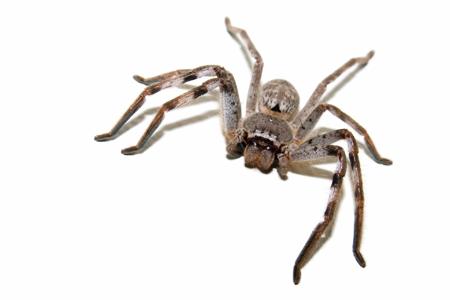
As the name suggests, these spiders are known for their hunting skills. With long, lean legs, they can move very fast and chase down prey. It is the length of its legs that earns the giant huntsman spider (Heteropoda maxima) the title of longest spider in the world. Its leg span can be more than 35 centimeters (1.15 feet), wider than most rulers. This species was discovered in Laos in 2001.
Giant Huntsman Facts
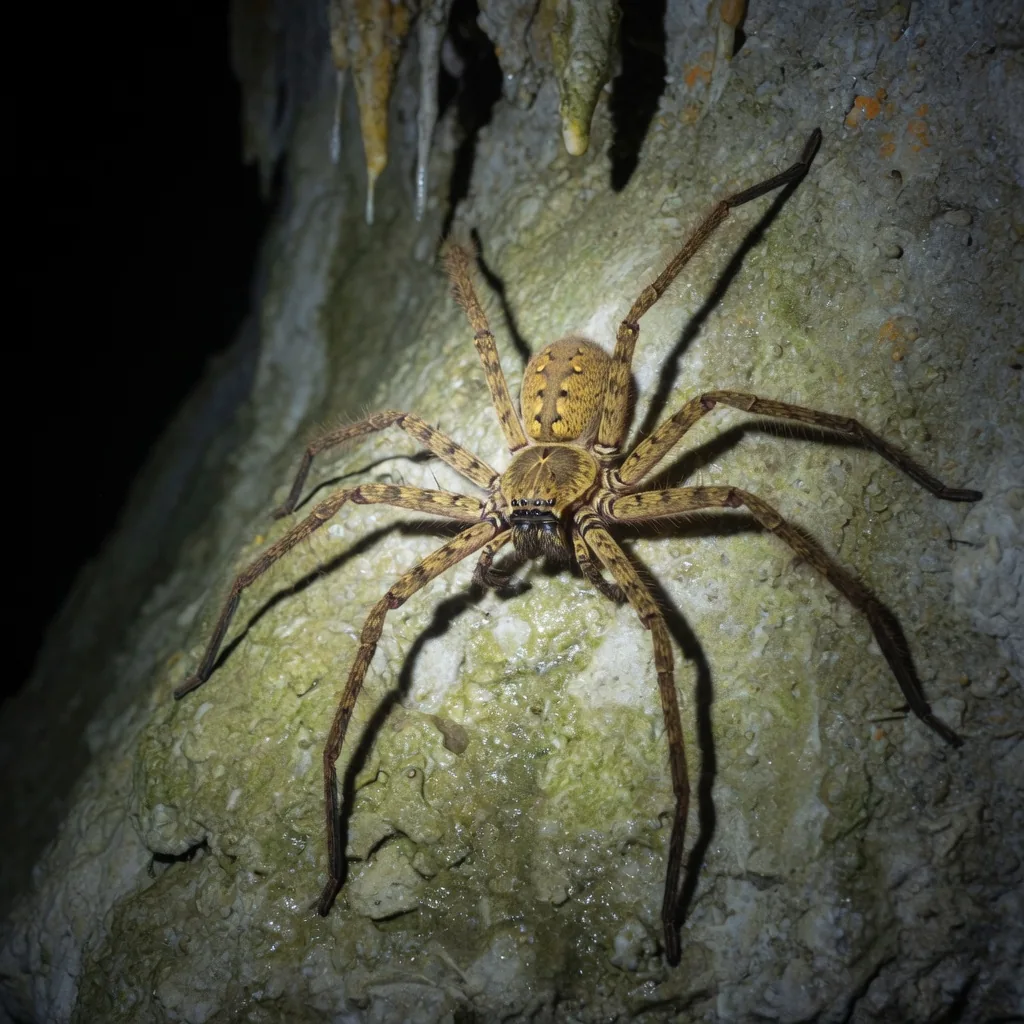
Giant huntsman spiders are usually found in lighter shades of yellowish brown, with band-like marks and small hairs on their legs. The rear end of their body may have dark spots, which are not uniform in all members. Their legs bend forward, like a crab's.
It is thought that huntsman spiders are cave dwellers. These nocturnal spiders can be found in warm regions of Australia, South and Central America, and Asia.
Huntsman spiders pounce on prey rather than spinning webs to trap them. They can hold still and wait, then sprint and pounce. Once the prey is caught, the spider injects venom to liquefy the soft tissues, which can then be easily swallowed. They feed mainly on insects and small invertebrates.
Although their bites are not life-threatening, giant huntsman spiders can cause a fright with their enormous size and crab-like movements. Their bites can cause discomfort and pain, but are not harmful to healthy humans. Some people may also develop headache, nausea, and fever. If threatened, these spiders may make startling movements and sometimes cling to your body or clothes.
Frequently Asked Questions
What is the largest spider in the world?
Two spiders share the title: the Goliath birdeater is the largest by body mass (up to 175 g), and the giant huntsman is the largest by leg span (over 35 cm).
How heavy is the Goliath birdeater?
The record-holding female Goliath birdeater weighed around 175 grams.
Where was the giant huntsman spider discovered?
The giant huntsman spider (Heteropoda maxima) was discovered in Laos in 2001.
Is the Goliath birdeater dangerous to humans?
Its venom is not life-threatening to healthy humans, though a bite can cause pain, nausea, and swelling. It often bites in self-defense with dry bites (no venom).
In short, both these spider species are gigantic. While one is the largest by body mass, the other wins by leg span. However, there are many more spider species still to be discovered, so new contenders may yet appear in the future!
Explore More Animals
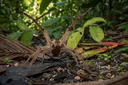 Tiny But Deadly: The World's Most Poisonous SpidersAlmost all spiders possess venom, but only a few can seriously harm humans. Meet the Brazilian Wandering Spider, Sydney Funnel-web, Black Widow, Brown Recluse,
 An Exceptionally Brilliant Guide to Identifying SpidersOther than the 40,000 odd spiders on the planet, there exist thousands of arachnids which are often confused for spiders. Being well-versed with spider traits m
 Banana SpidersBanana spiders are quite fascinating creatures, especially known for spinning impressive webs. This AnimalSake article lists some interesting facts about these
 Startling Facts About Daddy Long-legs SpidersDaddy long-legs spiders are characterized by exceptionally long legs, in proportion to their tiny bodies. They are among the most widely found spiders in any ho

 Fun fact for today!The Goliath birdeater is so large it can have a leg span of up to 30 centimeters, nearly as wide as a ruler!