

Chickens (Gallus gallus domesticus) are one of the most widespread domestic animals on Earth. There are more chickens on the planet than any other bird. While people once believed chickens were first domesticated in India, recent research reveals they were actually domesticated in Vietnam, since the past 10, 000 years.
People raise chickens for many reasons. Some keep them for their meat, others for their eggs, and some even use them for pest or weed control. All these uses have helped push chicken numbers higher and higher across the globe.
There are many different chicken breeds, such as the White Leghorn, Rhode Island Red, and Bantams. But no matter the breed, every chicken follows the same life cycle: egg, chick, and chicken. Let's look at each stage in turn.
Stage 1: The Egg
Egg Laying
The female chicken is called the hen and the male is called the rooster. A hen does not need to mate with a rooster to lay eggs. However, for an egg to develop into a chick, it must be fertilized. The eggs sold in grocery stores are unfertilized eggs, that's why they never hatch. A hen begins to lay eggs when she is 20 weeks old. She lays one egg a day and can produce over 300 eggs in a single year.
How the Egg Forms
The whole process (from egg creation to being laid) takes about 25 hours. It begins with the formation of the egg yolk inside the hen. The ovary produces this yolk through a process called ovulation. At this stage the yolk is called an oocyte. The oocyte then travels down the hen's oviduct, where it can be fertilized by the rooster's sperm. Fertilization is not required for an egg to form, but if it does happen, a chick can develop later on.
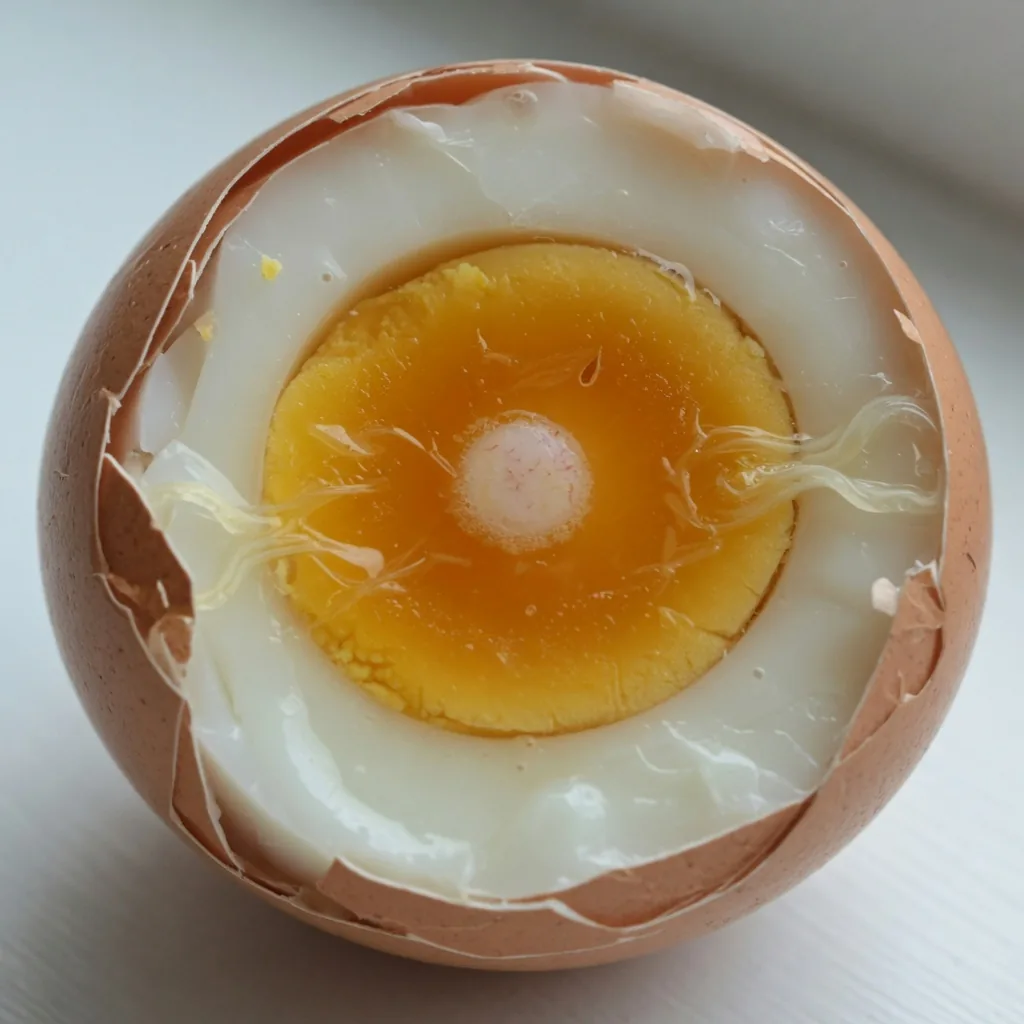
As the yolk moves further down, it gets covered with a thin membrane called the vitelline membrane, plus several layers of egg white, also known as albumin. This is where the egg white forms. The yolk and albumin continue moving down the oviduct, where a protective casing develops around them. Slowly and gradually, the shell forms, and after about 20 hours it is completely solid. The shell then receives its pigmentation. Once the shell is finished, the hen lays her egg in a comfortable place.
Stage 2: The Chick
After the hen lays her egg, the chick inside will grow for 21 days. The baby chick uses the yolk for nutrition as it develops. The hen keeps the eggs warm by sitting on them and turns them regularly with her beak. After the full 21 days of incubation, the chick cracks the shell and enters the world, wet but determined.
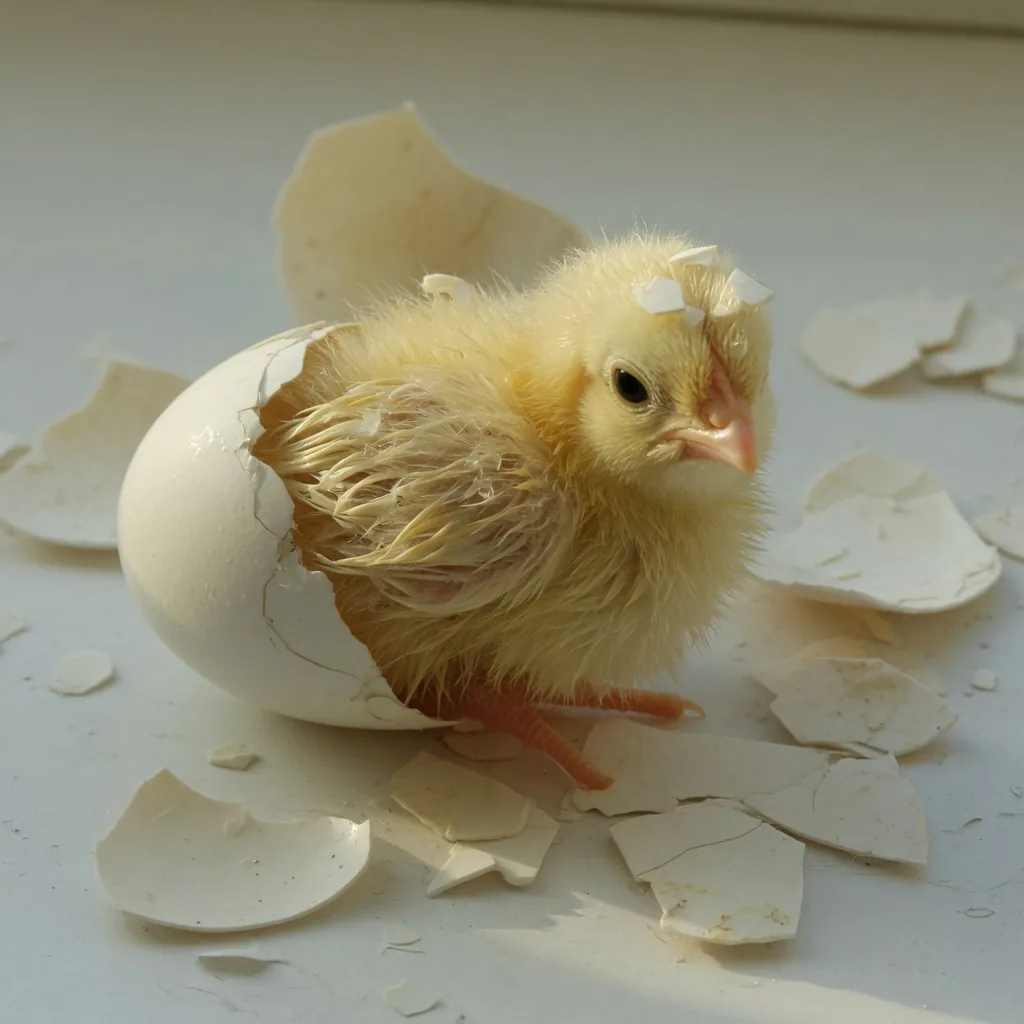
Newly-hatched chicks come covered in soft feathers called "down," which dry very quickly. Chicks can walk as soon as they have hatched. Only fertilized eggs develop into chicks. Since chicks (like adult chickens) have no teeth, they use their gizzards to grind food into smaller pieces. For this to work, they need to be fed a grainy substance called grit, which should be added to their food once the chicks are 1 week old.
Test Your Chicken Knowledge!
5 quick questions about the chicken life cycle. How many can you get right?
Stage 3: The Chicken
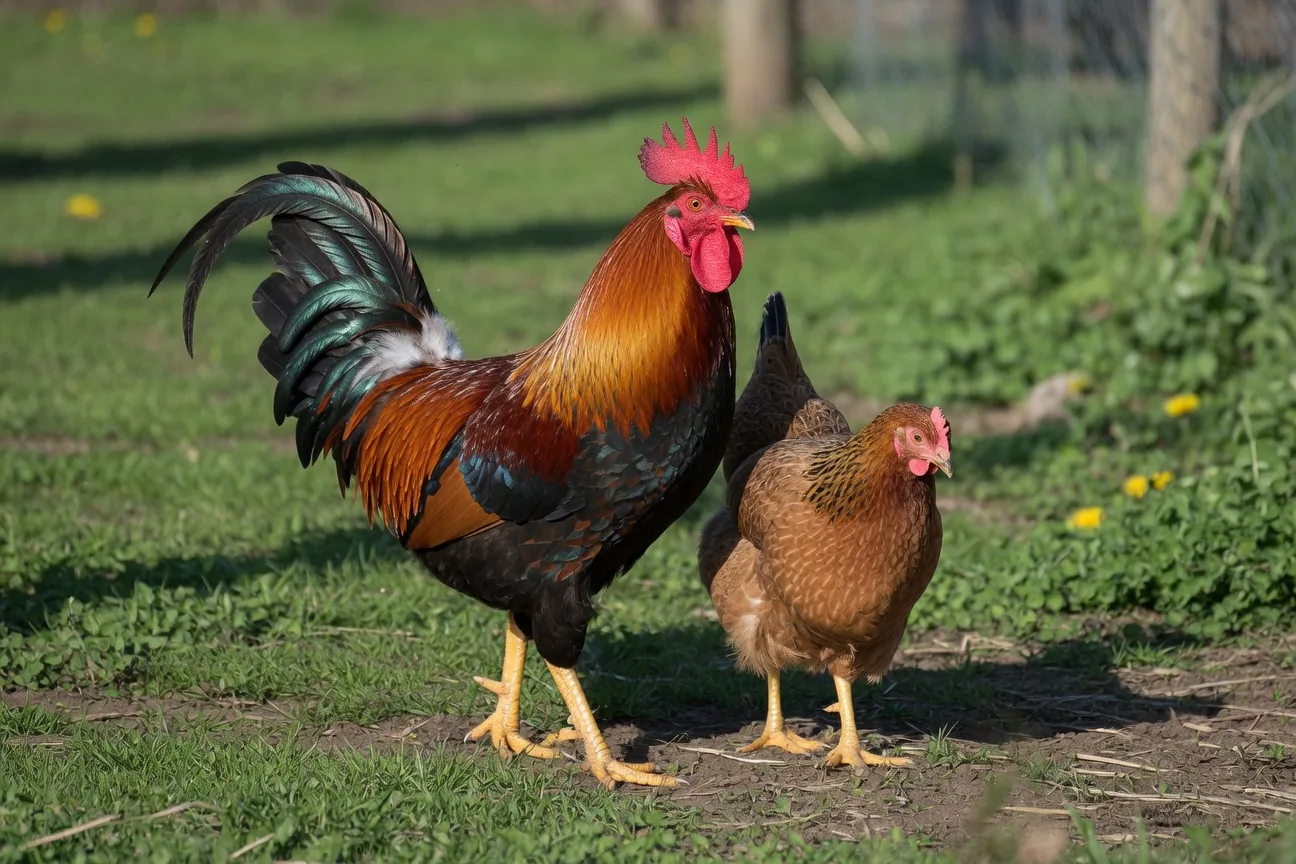
In just 6 months, a chick grows into a full adult. Depending on their sex, the male chicks become roosters (complete with bright, colorful plumage) while the female chicks become hens. When they reach adulthood, the rooster and hen mate, and the life cycle begins all over again.
Frequently Asked Questions
How many stages are in a chicken's life cycle?
Three, egg, chick, and chicken.
How long does it take a chicken egg to hatch?
21 days of incubation under the hen.
When does a hen start laying eggs?
At 20 weeks of age, she can lay over 300 eggs a year.
Where were chickens first domesticated?
Recent research points to Vietnam, about 10,000 years ago.
Chickens are raised at home and on poultry farms in large numbers. Some are bred solely for meat or eggs, while others are bred for both. Some people simply keep chickens as pets. Whatever the reason, watching the full life cycle unfold (from the first crack in the shell to a fully grown hen) is one of nature's most endearing sights.
Explore More Animals
 Eggitarians, Do You Know How Chicken Eggs are Fertilized?For chicken eggs to be fertilized, it is essential that the rooster mates with the hen prior to the formation of the egg. Though, the hen does not necessarily r
 Golden Comet Chicken BreedThe Golden Comet is one of the best egg-laying breeds for beginners. Learn about their appearance, temperament, egg production, coop setup, and breeding.
 Crazily Fabulous Facts About the Plymouth Rock ChickenEverything you need to know about the Plymouth Rock chicken: barred and white varieties, egg production, the White Rock's dramatic growth story, and why this br
 3 Stages in the Life Cycle of a SnakeThe life cycle of a snake starts with the egg stage and ends at the adult stage. In some species the female gives birth to live young. Discover all three stages

 Fun fact for today!Chickens have been living alongside humans for around 10,000 years, longer than most other farm animals!