

Sharks: Ancient Ocean Predators
Sharks are spread across all the world's seas and are the strongest predators among marine creatures. Most wild marine sharks can live for up to 20-30 years, while whale sharks have a remarkably long lifespan of up to 100 years. Sharks have excellent eyesight and can spot objects moving even in dim light. Their strong senses of smell and touch make them highly effective hunters. Once a shark has locked onto its prey, that animal has very little chance of escape.
Sharks have cartilage instead of heavy bones. This gives their bodies great flexibility, which helps them swim fast and change direction quickly. There are all kinds of sharks that have been prowling the ocean for millions of years, and they continue to fascinate scientists and nature lovers alike.
How Sharks Carry Their Young
Sharks carry their young in three different ways:
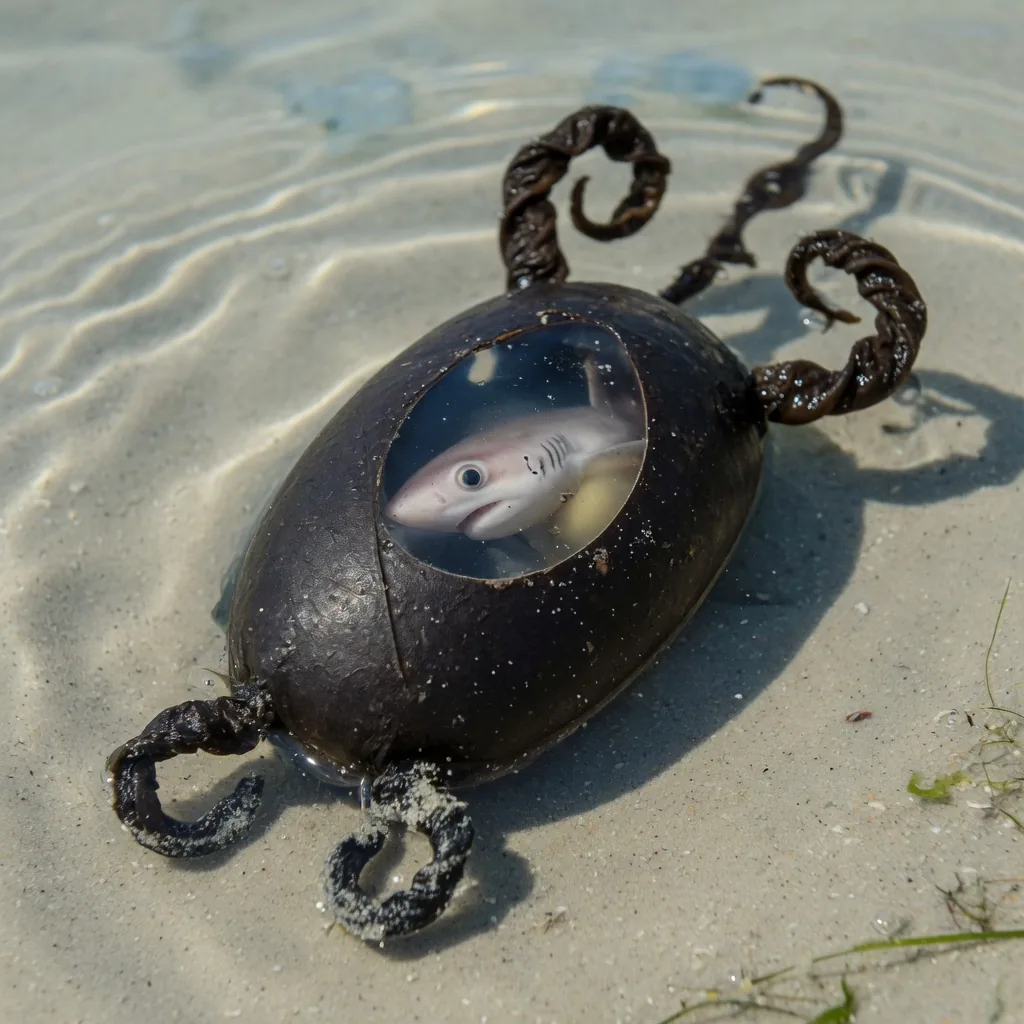
- Oviparous, Some sharks lay eggs directly in the sea. Each egg has a tough, leathery case (sometimes called a "mermaid's purse") that protects the developing pup until it hatches. The shape of the egg case varies by species.
- Viviparous, Certain sharks have a placenta, just like mammals. The mother feeds and nourishes the pup through the placenta throughout the pregnancy. The pups are born live into the sea at the end of the gestation period.
- Ovoviviparous, Many sharks lay eggs inside their own bodies. After the eggs hatch, the pups stay inside the mother until they are fully developed. The mother provides complete nutrition throughout this time. Once the pups are ready, she gives birth to live young. The gestation period for these sharks can range from a few months to two years.
Lives of Sharks
Life Cycle of Great White Sharks
The great white shark mainly lives in temperate waters and is usually spotted alone. These sharks grow up to 21 feet in length and weigh around 680 kg. Great whites feed on many marine animals, including porpoises, seals, sea turtles, and other small sharks. They are ovoviviparous. Females give birth to around 2-14 pups per litter. The gestation period is not fully known for ovoviviparous sharks like the great white.
Female great white sharks reach sexual maturity at around 12-14 years of age, while males mature earlier, at 9-10 years. Newborn great white pups measure up to 100 cm at birth and weigh about 40 pounds. Sometimes the developing pups even eat unfertilized eggs while still inside the mother.
Take the Shark Life Cycle Quiz!
5 quick questions. How much do you know about sharks?
Life Cycle of Hammerhead Sharks
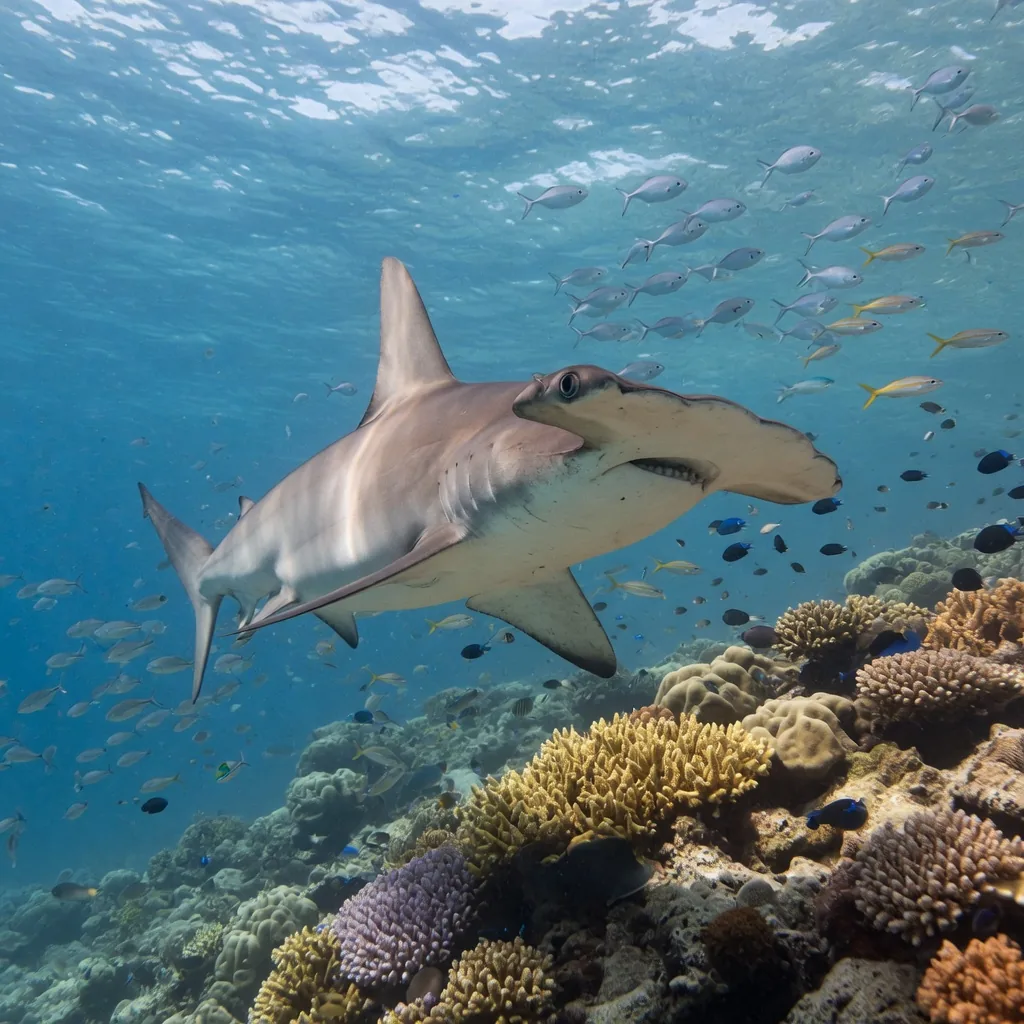
The unusually shaped hammerhead shark is known to live up to 30 years. These sharks are found in all the world's oceans and are excellent at tracking prey using their distinctively wide, flat heads. The female hammerhead produces a litter of 30-50 pups each year. Gestation lasts around 10-12 months. The pups separate from their mother soon after birth and move to shallow waters to start hunting on their own.
Hammerheads measure 13-20 feet in length and weigh around 500 to 1,000 lbs. They migrate to cooler waters each year and mainly feed on squids and octopuses.
Life Cycle of Bull Sharks
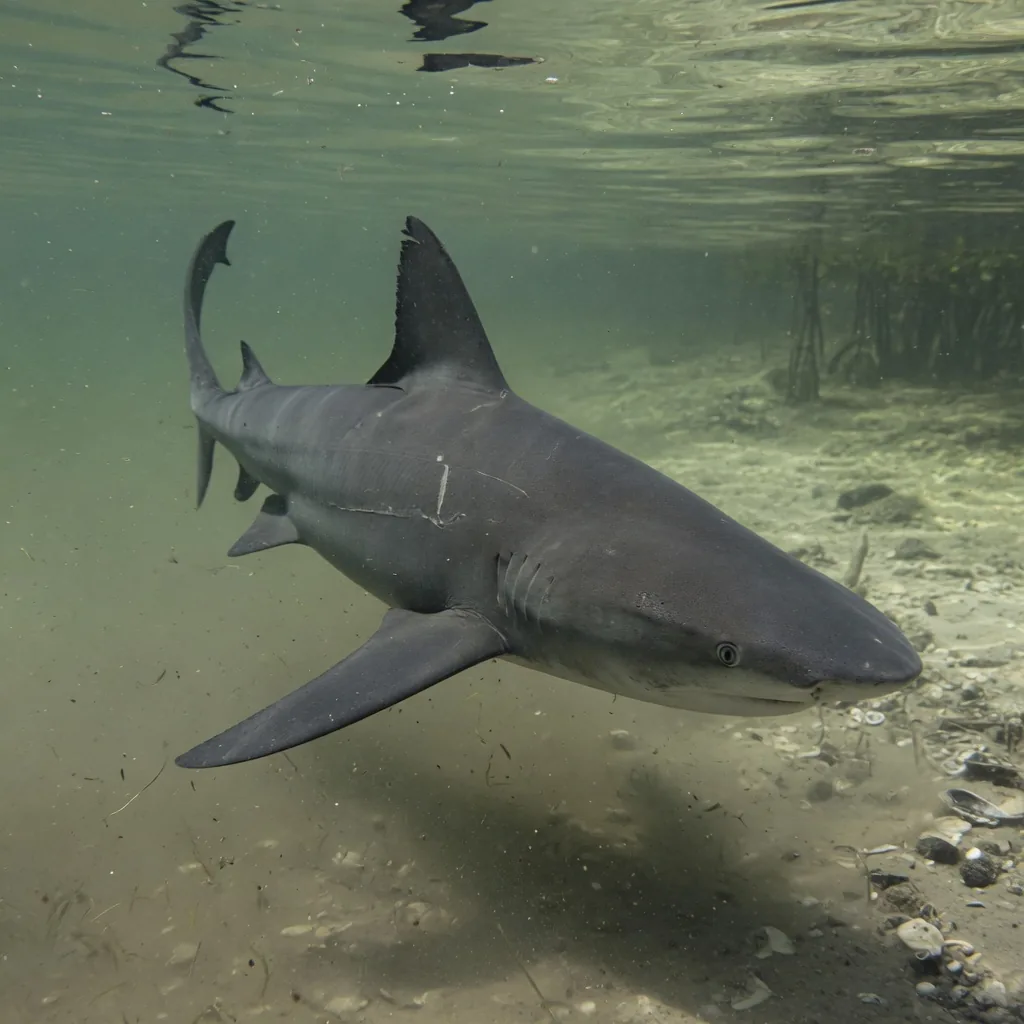
Bull sharks are aggressive and swim in shallow coastal waters, which means they sometimes come into contact with people. Female bull sharks are larger than males: females can reach 11.5 feet in length and weigh up to 500 pounds, while males grow to about 7 feet and weigh around 200 pounds. Bull sharks are viviparous, meaning they give birth to live pups. Females produce a litter of 1-13 pups, and the gestation period lasts up to a year. The pups are 28 inches long at birth, and bull sharks have a lifespan of about 15 years.
Life Cycle of Thresher Sharks
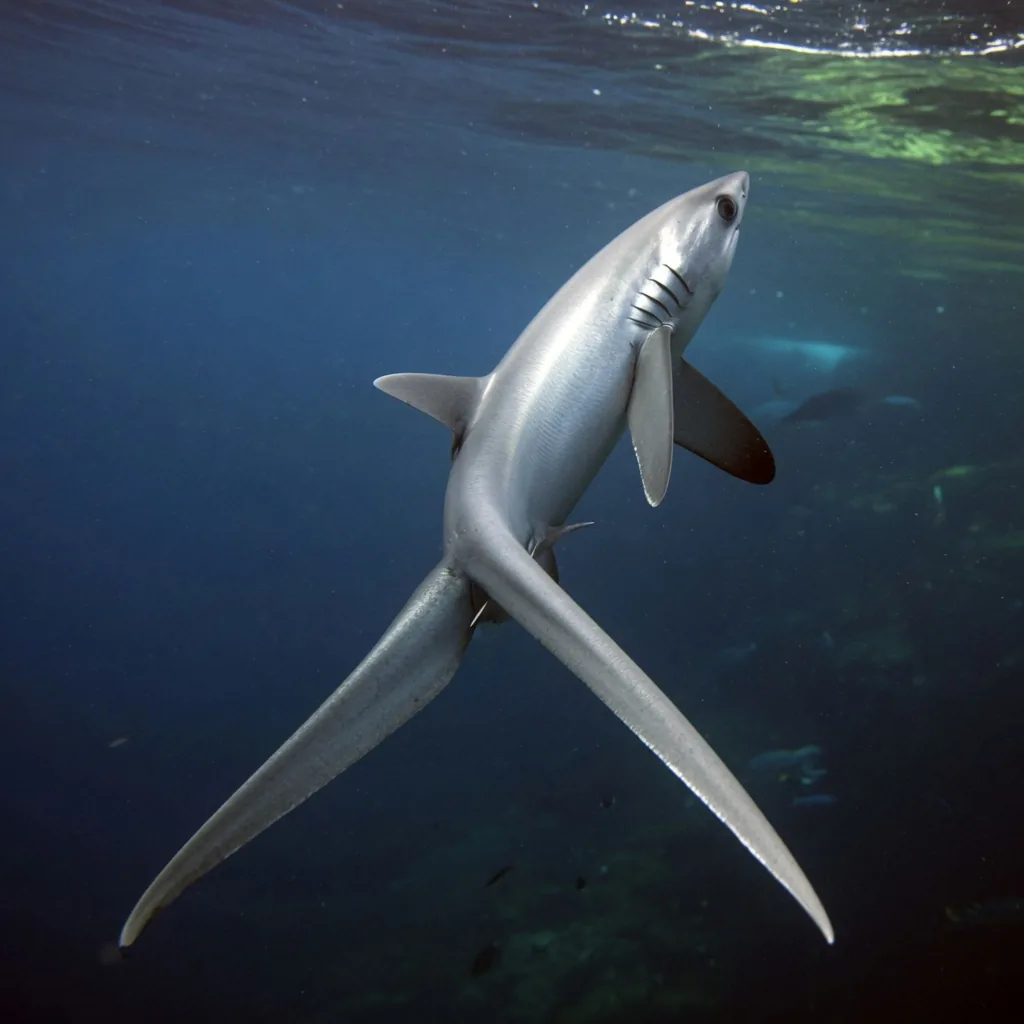
Thresher sharks are ovoviviparous. Males reach sexual maturity when they grow to 2.7 meters, while females mature at 3 meters. A female thresher can give birth to 4-6 pups, each measuring around 1.37-1.55 meters in length and weighing about 5-6 kg at birth. The pups grow quickly once they enter the water. Thresher sharks live in warm waters and are sometimes seen in coastal areas hunting for food. On average, a thresher shark lives for up to 20 years or more.
A World Shaped by Sharks
Sharks have been in existence for around 420 million years and have evolved into many different species over that time. A shark's physical appearance, diet, and habitat all shape its unique life cycle. Every species of shark has its own remarkable traits that make it one of the ocean's most extraordinary predators.
Explore More Animals
 Bull Shark vs. Great White Shark: How to Tell Them ApartBull shark or great white? Meet two of the ocean's most feared sharks side by side (habitat, size, teeth, and hunting tricks) plus a quiz, glossary, and myth-
 Habitat of a Tiger Shark: Where Does It Live?The tiger shark lives in warm tropical and subtropical seas worldwide. Discover its habitat, range, physical features, diet, and reproduction, plus a quiz!
 All About the Food and Habitat of the Great White SharkGreat white sharks are the largest predatory fish of the oceans. Dubbed as killing machines, they derive their name from their typical white underbellies.
 Predators of the Sea: The Life Cycle and Habitat of Killer WhalesKiller whale - the name itself evokes images of a monster ruling the ocean depths. These dangerous yet fascinating marine mammals rule the oceans around the glo

 Fun fact for today!Sharks have no bones at all, their skeleton is made entirely of cartilage, the same flexible material as your ears and nose!