

The lifespan of a butterfly varies greatly from species to species. A specific number of days or months cannot cover all butterflies, but a general idea can be given. The average lifespan is considered as 20 to 40 days. The minimum span is just 3 to 4 days, while the maximum considered time period is 12 months. Given below are the four life stages of the butterfly.
The Four Life Stages
The Egg
The first stage in the life cycle is the egg, which is a tiny oval object with fine ribs and other minute structures. The female adult attaches the egg somewhere nearby, so that during the caterpillar's life cycle, food is easily available.
The Caterpillar
The caterpillar is a worm-like stage of the butterfly. It comes in many different patterns, it generally has a striped pattern or patches, or even spine-like hair. At this stage, the larva keeps eating leaves and sheds its skin many times. You can learn more on our page about caterpillar life cycle.
The Pupa
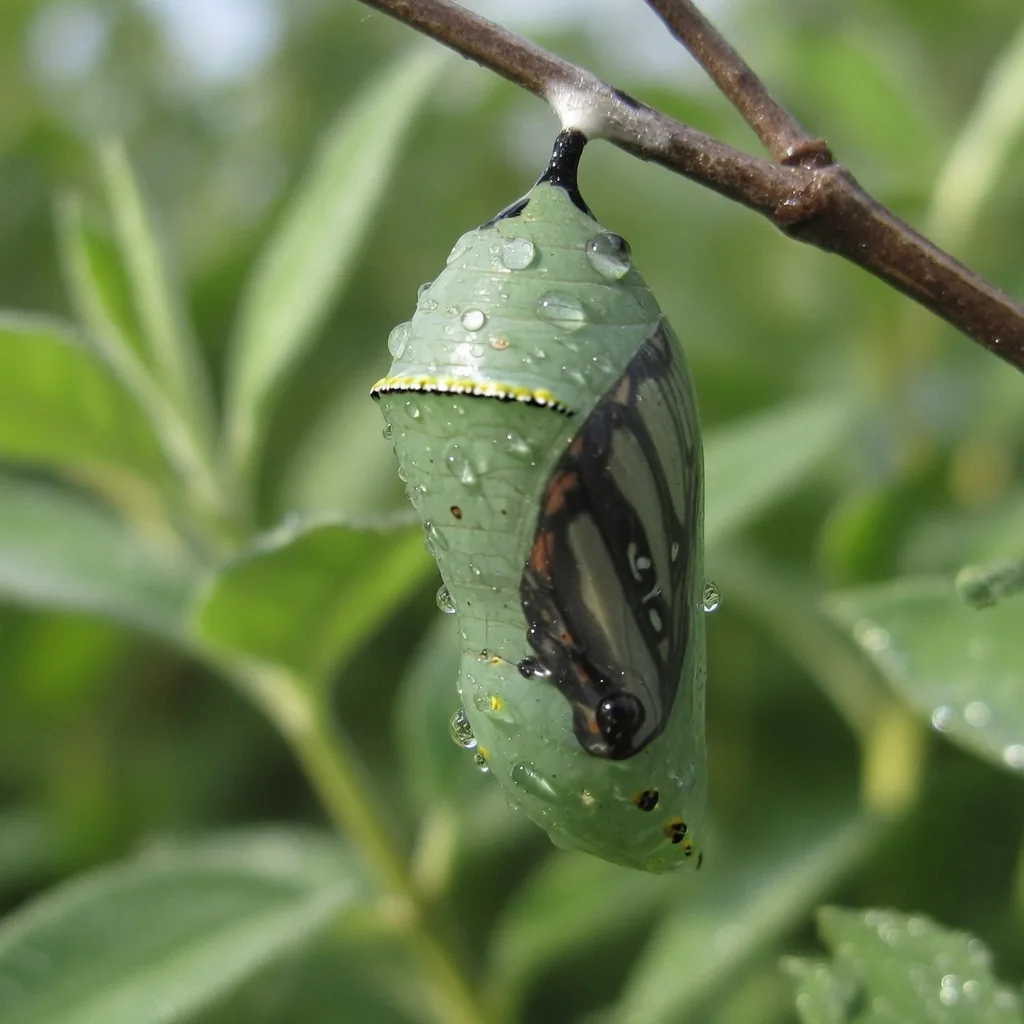
The pupa, also called the chrysalis, is the stage when the caterpillar's tissues are broken down and the adult butterfly's body structures are formed. It is usually a color that blends with the background.
The Adult
This is the stage when we get to see the colorful butterfly. At this stage, it is mobile and reproductive. During this stage, mating takes place between the male and female, and new eggs are laid by the female.
Take the Butterfly Lifespan Quiz!
5 quick questions. How much do you know about butterfly lifespans?
More Facts About Butterfly Lifespans
The shortest lifespan for a butterfly species (just a few days) belongs to the copper butterfly and the small blue butterfly.
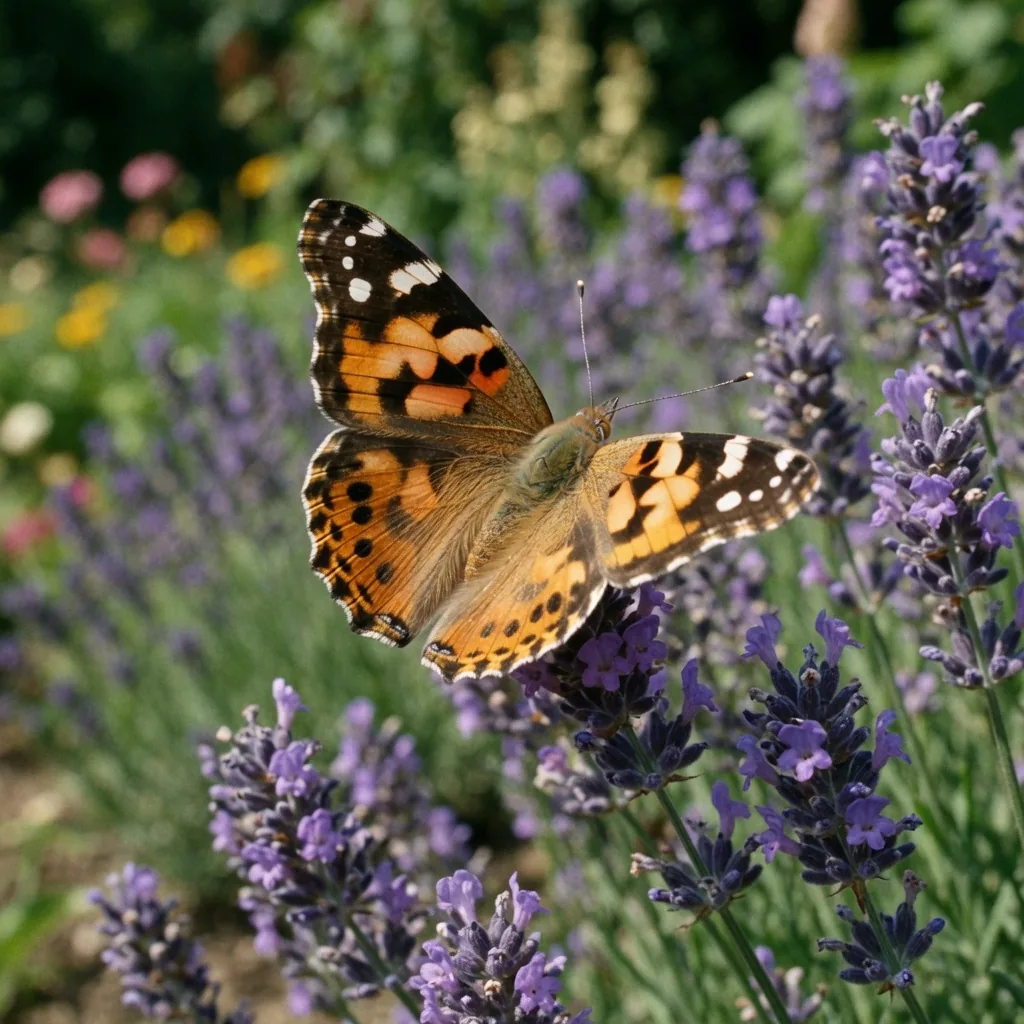
The average lifespan of a painted lady butterfly is just 2 weeks. The egg stage lasts 3-5 days, the caterpillar stage 5-10 days, the pupa stage 7-10 days, and then the adult stage begins at around 2 weeks.
The longest lifespan belongs to the monarch butterfly, up to 12 months. The monarch is also remarkable for its long migration journeys. You can read more on our facts about monarch butterflies page.
Factors That Affect Lifespan
Many factors affect the total lifespan of a butterfly species. These include local weather conditions, latitude, and time of year.
During the adult stage, most butterfly species tend to live for a week or two.
One interesting fact is that the female butterfly lives for a few days longer than the male. The total lifespan of a butterfly includes the time spent in the caterpillar and pupa stage plus the adult stage.
The number of flights taken by a species for migration also affects the total lifespan. If a species takes two flights, then two generations will emerge. For example, if there are two flights during the months of May to September, one generation will appear from the pupa stage during spring and another during summer.
The real months of emergence depend on latitude, because the two generations will have their own strategies for passing through the winter months.
Many northern species of butterflies only have a single flight annually, and have a total lifespan of around a year. Some arctic butterflies have a life cycle lasting 2 years due to a short growing season and scarcity of good quality food needed during the larva stage.
This was all about the lifespan of the butterfly, how different factors affect it, and the various stages involved in its life cycle. It is possible to observe the life cycle of a butterfly yourself by buying a butterfly kit at a pet store or online.
Explore More Animals
 An Awesome Explanation of the Life Cycle of a CaterpillarThe caterpillar life cycle is explained in short in this article, along with some interesting facts about caterpillars.
 Utterly Fascinating Information About Butterfly MetamorphosisA complete change of physical form starting from the egg, to a larva, then a chrysalis, and then a gorgeous butterfly, discover the four amazing stages of butt
 Four Growth Stages of a ButterflyHow does a caterpillar that comes out of a tiny egg, metamorphose into a butterfly with magnificently artistic designs on its wings? This article will tell you
 16 Incredibly Marvelous Facts About Monarch ButterfliesKnown as the wanderers, Monarch butterflies can migrate long distances due to their excellent sense of direction. This article lists many more interesting facts

 Fun fact for today!The monarch butterfly can live up to 12 months, by far the longest lifespan of any butterfly!