

We have made huge strides in marine biology over the last few years. Even so, there are still things about ocean life we don't fully understand, including the lifespans of many marine species. The octopus is one animal that almost everyone has heard of, yet not many people can say much about how long it lives. That's partly understandable: there are over 300 recognized species of octopuses on Earth, and they differ enormously from one another.
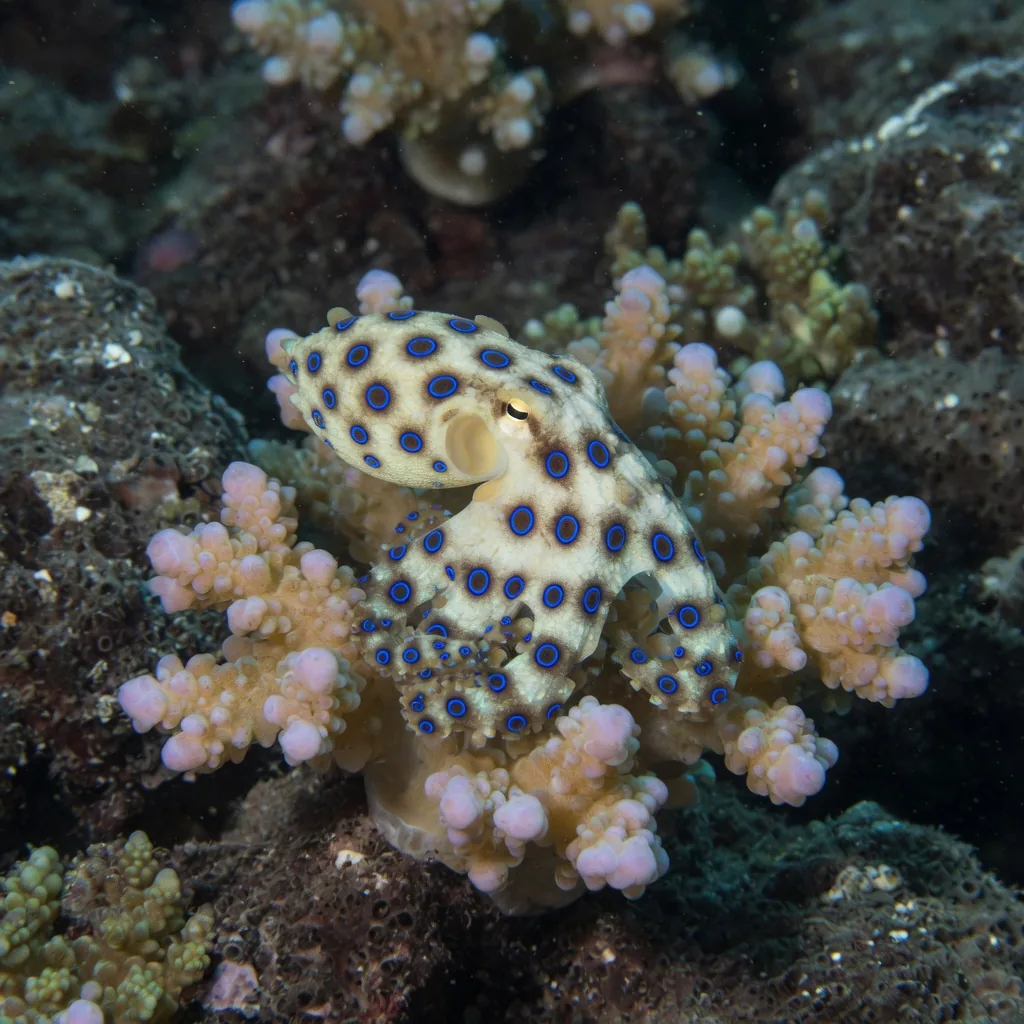
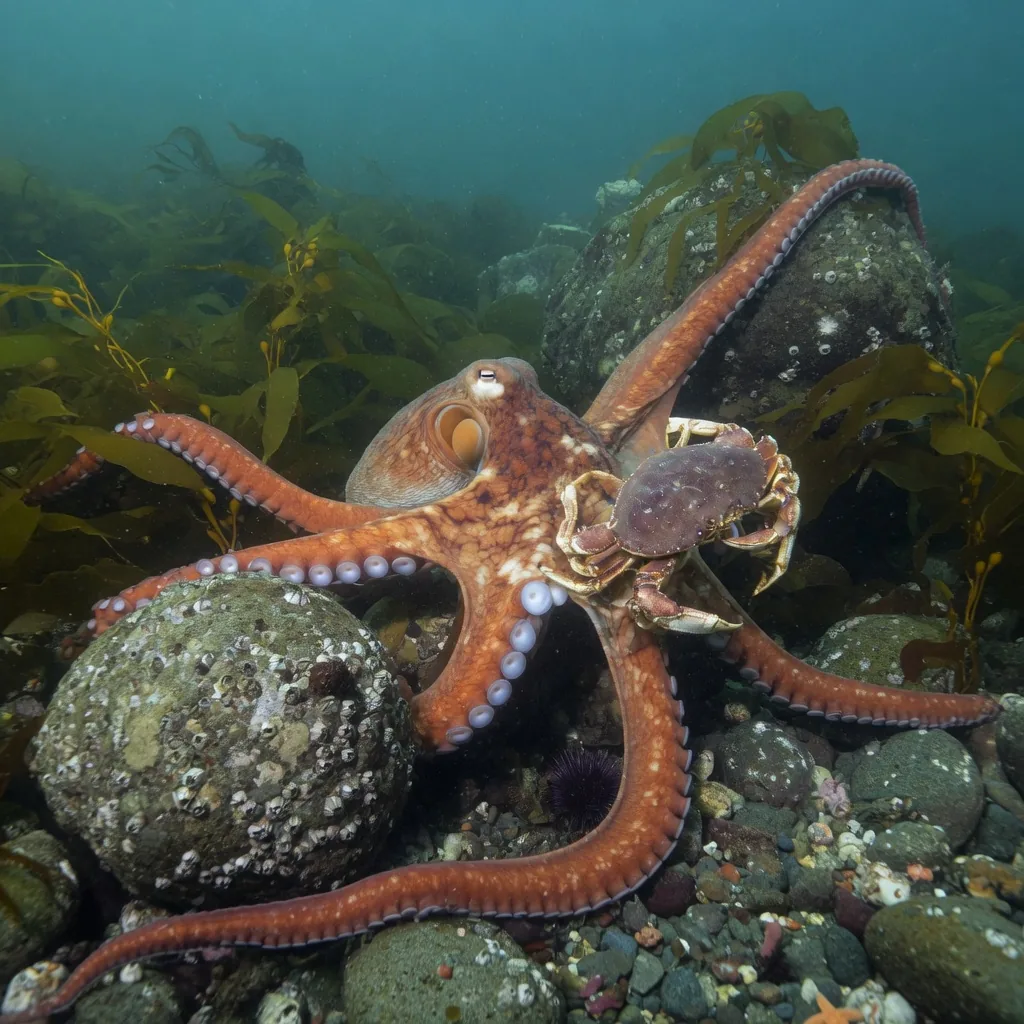
You can see a great deal of diversity in this family of cephalopods. Some species measure less than an inch. On the other end of the scale, the North Pacific giant octopus boasts of being the largest octopus on the planet, with an arm-span of 14 feet and an average weight of 33 lbs. Even though all species of octopus are venomous to some extent, only the blue-ringed octopus (native to the Pacific) has venom that is potent enough to kill humans.
How Long do Octopuses Live?
The life expectancy of octopuses is one of the shortest among marine animals, with some species having a lifespan of mere 6 months. Larger species can live for 3-4 years in the wild, but if you are looking for an average figure, it comes to around 3 years. Species that live in warm waters tend to have shorter lifespans than their counterparts in colder regions. The common octopus, which is the most widely found species, lives for between 1 to 2 years. With an average lifespan of 3 years, the giant Pacific octopus is the longest-living octopus on the planet.
It may come as a surprise, but the death of these creatures is closely linked to their reproduction. Male octopuses die within a few months of mating, while females die shortly after the eggs hatch. It is believed by some that female octopuses die of starvation because they neglect food after laying eggs, but this is not true at all. Their genetically programmed death is triggered by a hormone (an endocrine substance) secreted from the two optic glands within their body. In pet octopuses, these glands can be surgically removed to extend their lifespan.
Frequently Asked Questions
How long does an octopus live?
On average, between 6 months and 5 years, depending on the species.
Which octopus lives the longest?
The giant Pacific octopus, with an average lifespan of 3 years.
Why do octopuses die after laying eggs?
Their death is genetically programmed and triggered by hormones from the two optic glands, not by starvation.
How many eggs does an octopus lay?
On average, about 200,000 eggs, though the number varies by species.
How quickly do baby octopuses grow up?
Very fast, they reach maturity within 150 days of birth.
Take the Octopus Lifespan Quiz!
5 quick questions. How much do you really know about octopus life cycles?
Fast Breeders: Reproduction and Growth
The short lifespan of octopuses is balanced by their ability to reproduce fast. On average, a female lays 200,000 eggs, though this number varies from species to species. As noted above, the female dies a few months after the eggs hatch, leaving the young to fend for themselves. They grow very fast and attain maturity within 150 days of their birth.
Explore More Animals
 Octopus Facts for Kids: Eight Arms, Blue Blood, and Big BrainsThe octopus is an intriguing creature of the seas that derives its name from a Greek word which means eight-footed. Discover fascinating octopus facts for kids:
 Squid vs. Octopus: What's the Difference?Squid or octopus? Both are clever cephalopods with three hearts and blue blood, but their bodies, homes, and habits are different. Here's a clear side-by-side
 Life Cycle and Habitat of Sea OttersThe coast of the Pacific, especially to the east and north, is home to the magnificent sea otter. Discover where sea otters live, what they eat, and how their p
 Surprisingly Not-so-dumb Facts About the Dumbo OctopusThe Dumbo octopus gets its name from Walt Disney's famous cartoon character, Dumbo the Flying Elephant, because of its ear-like fins that resemble the ears of t

 Fun fact for today!Over 300 recognized species of octopus live on Earth, from tiny inch-long ones to giants with a 14-foot arm-span!