

The Only Mammals That Can Fly
Unlike flying squirrels and flying snakes, which only glide from one tree to another despite their names, bats are capable of true, powered flight. They really do flap their wings and fly.
It shouldn't come as a surprise that bats make up 20 percent of the world's mammal population, given that there are around 1,240 species of them. Neither should the fact that bats are found all over the world, except for the cold regions of the Arctic and Antarctic.
They come in wildly different sizes. On one hand, we have species like Kitti's hog-nosed bat (Craseonycteris thonglongyai) and the eastern small-footed myotis (Myotis leibii), which are small enough to fit on your palm. On the other, there are species like the large flying fox (Pteropus vampyrus) and the giant golden-crowned flying fox (Acerodon jubatus), with a wingspan well in excess of 4 ft.
Megabats and Microbats
The 1,240 species of bats are sorted into two groups: the suborder Megachiroptera (megabats) and the suborder Microchiroptera (microbats). Simply put, there are two types of bats: megabats and microbats.
Despite their names, megabats are not always large, and microbats are not always small. The names don't come from size at all — they come from the bats' physical and behavioral traits. One of the biggest differences is echolocation: microbats send out sound waves from their larynx (voice box) and listen for the echoes to "see" in the dark, while most megabats do not.*
*The Egyptian fruit bat (Rousettus aegyptiacus) is the one exception — it uses high-pitched tongue clicks to make its sound waves instead of using its larynx.
Megabats
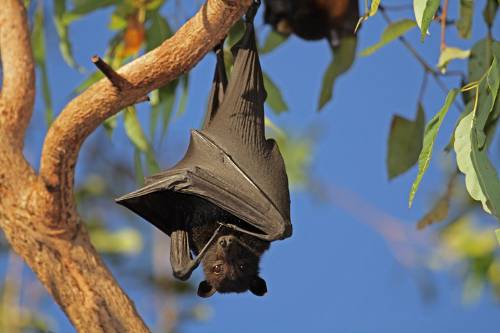
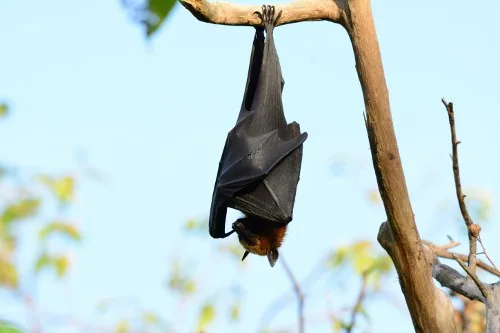
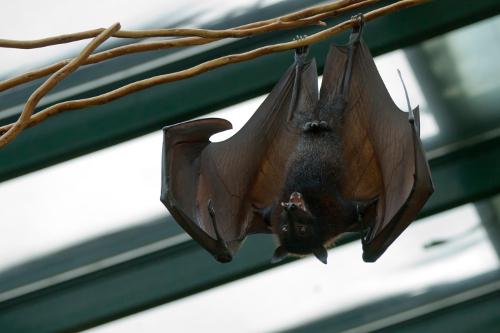
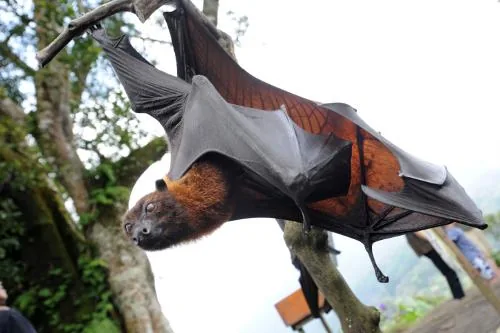
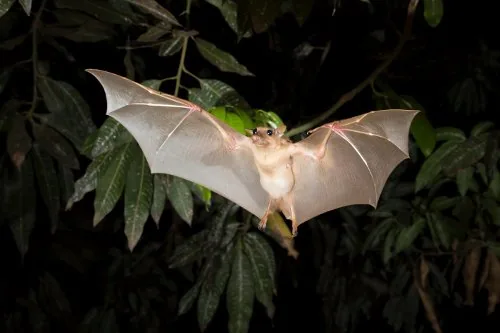
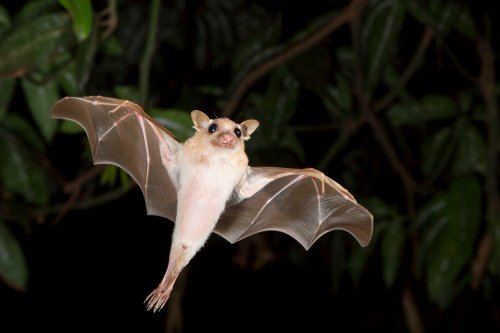
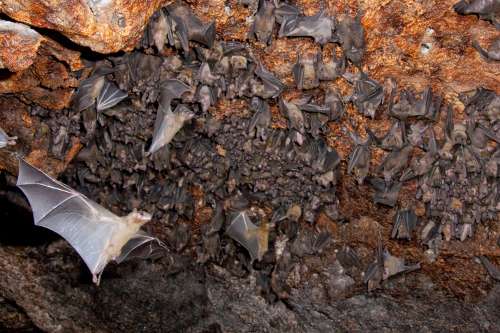
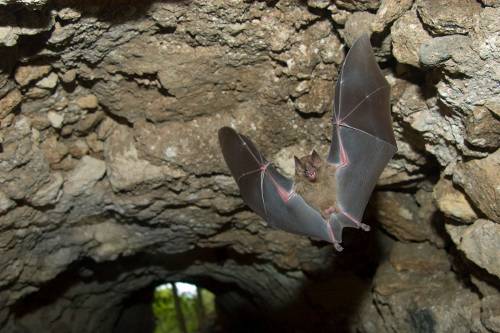
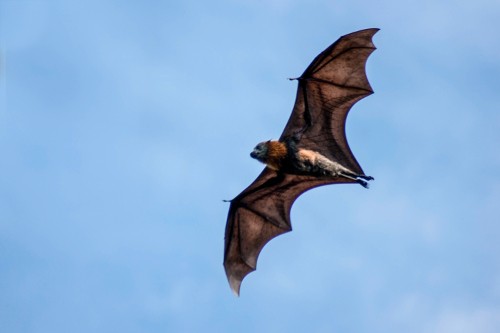
Megabats are the big-eyed, fox-faced bats most people picture roosting in trees. Here are a few of the best-known species.
Fruit Bats
When it comes to megabats, there is only one family to consider — the Pteropodidae family, with 186 species spread across 44 genera. These bats are usually known as fruit bats, or Old World fruit bats. Some species of fruit bats are also called flying foxes — the ones belonging to the genus Pteropus in particular. This family includes some of the most famous bat species, such as the Jamaican fruit bat (Artibeus jamaicensis), the golden-capped fruit bat (Acerodon jubatus), the greater short-nosed fruit bat (Cynopterus sphinx), the lesser short-nosed fruit bat (Cynopterus brachyotis), and the Egyptian fruit bat we discussed above.
Microbats
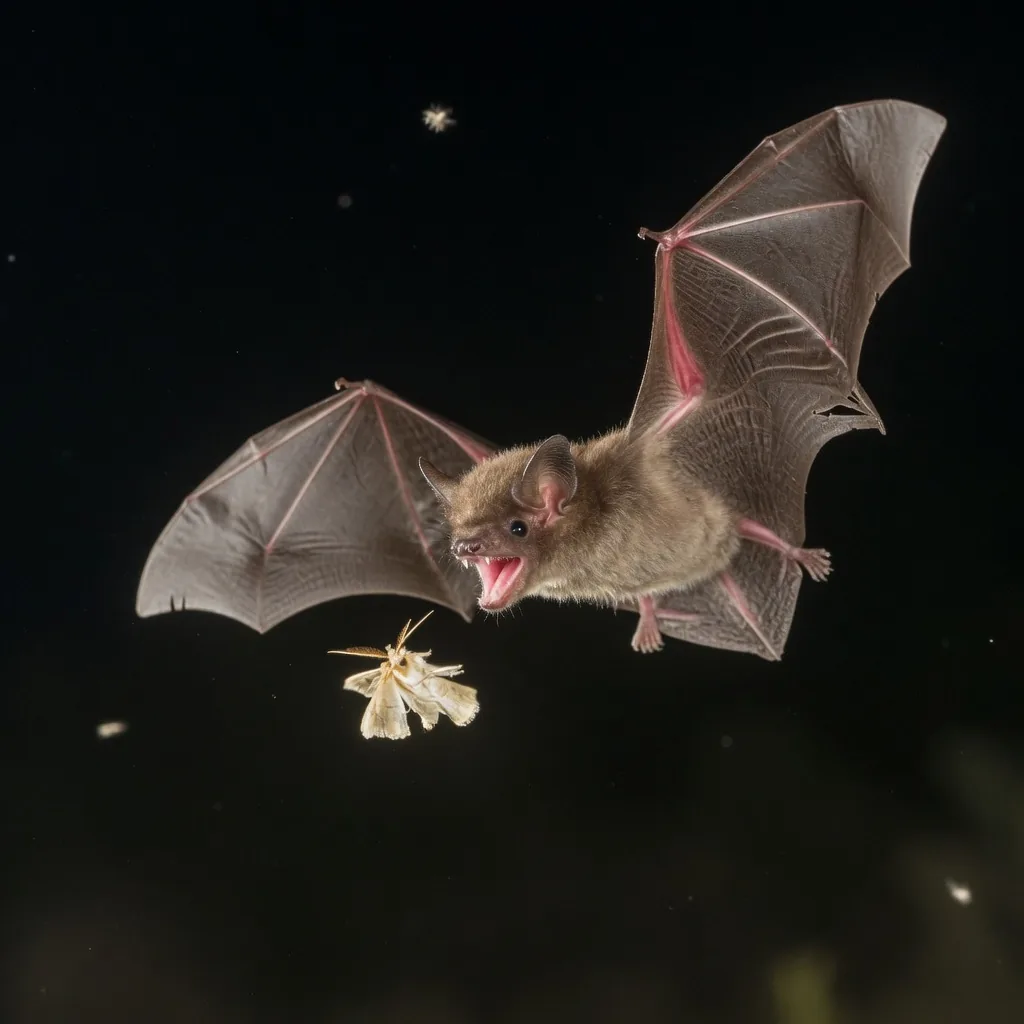
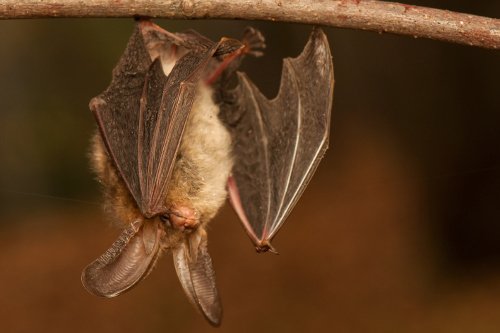
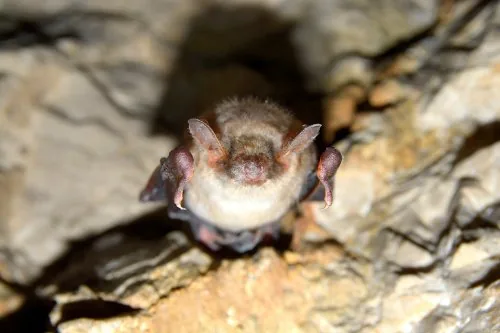
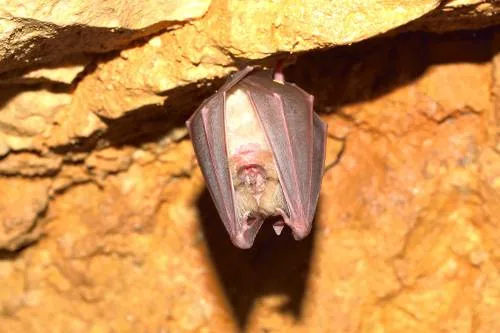
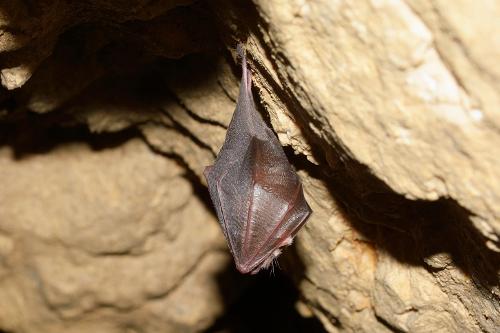
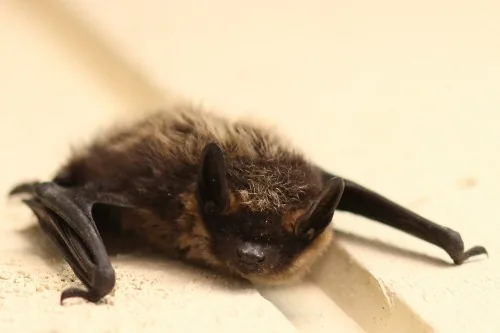
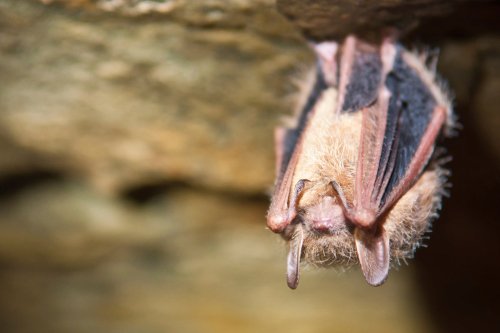
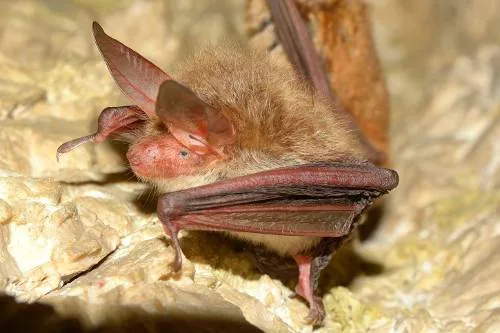
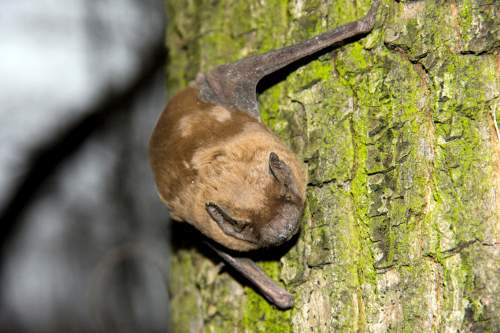
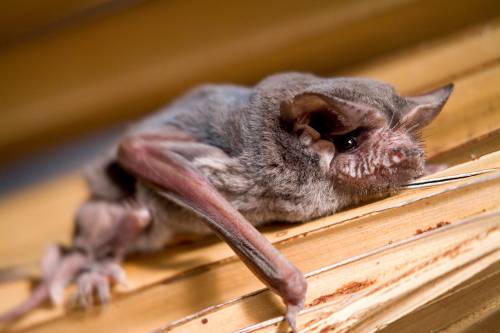
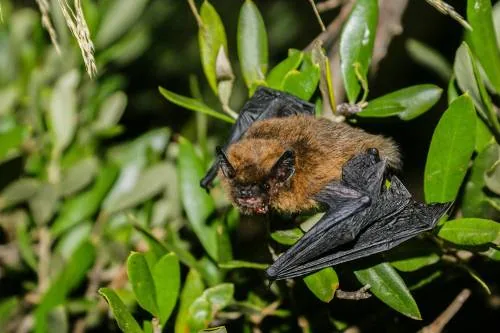
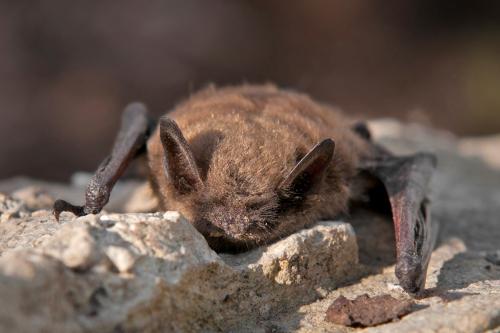
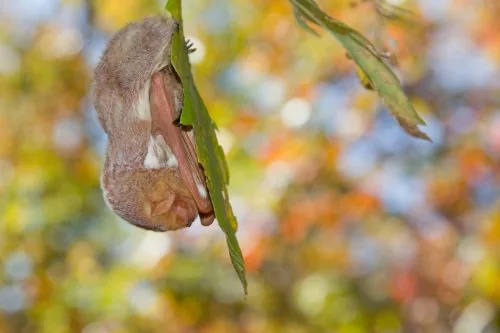
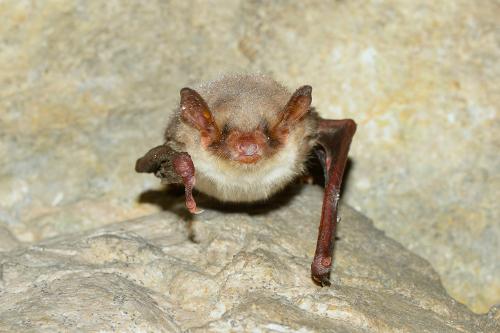
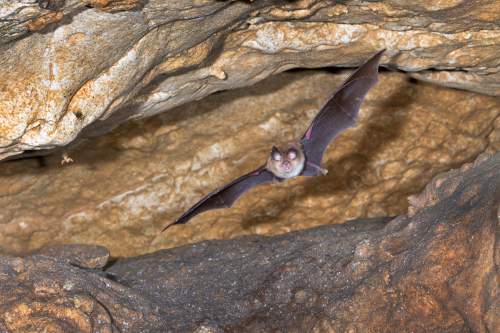
Microbats are the small, echolocating bats — the ones that swoop through the night sky catching insects. There are far more families of microbats than megabats. Here are some of the species you might meet.
Microbat Families at a Glance
Microbats are split into many families, each named for a clever feature — a horseshoe-shaped nose, funnel ears, suction-cup feet, or a tail like a mouse. Here is a quick field-guide table; the sections below tell each family's story.
| Family (common name) | Range | Species |
|---|---|---|
| Bulldog batsNoctilionidae | South America and the Caribbean Islands | 2 |
| Disc-winged batsThyropteridae | Central and South America | 5 |
| False vampire batsMegadermatidae | Central Africa, South Asia, and Australia | 5 |
| Free-tailed batsMolossidae | Every continent except Antarctica | 100+ |
| Funnel-eared batsNatalidae | South America and the Caribbean Islands | 11 |
| Horseshoe batsRhinolophidae | Europe, Africa, Asia, and Australia | 85 |
| Kitti's hog-nosed batCraseonycteridae | Southeast Asia; Thailand and Burma | 1 |
| Leaf-nosed batsPhyllostomidae | Central and South America | 192 |
| Mouse-tailed batsRhinopomatidae | Africa and Asia | 6 |
| Mustached batsMormoopidae | North and South America | 13 |
| New Zealand short-tailed batsMystacinidae | Endemic to New Zealand | 2 |
| Sac-winged batsEmballonuridae | All over the world | 51 |
| Slit-faced batsNycteridae | Parts of Asia and Africa | 16 |
| Smokey batsFuripteridae | Central and South America | 2 |
| Sucker-footed batsMyzopodidae | Endemic to Madagascar | 2 |
| Vesper batsVespertilionidae | All over the world | 300+ |
Bulldog Bats
Bulldog bats are 2 species belonging to the genus Noctilio of the Noctilionidae family of microbats: the greater bulldog bat (Noctilio leporinus) and the lesser bulldog bat (Noctilio albiventris). They get their name from their bulldog-like faces, caused by the cheek pouches where they store their food. They are also known as fisherman bats — the greater bulldog bat in particular, which scoops fish from the water.
Disc-winged Bats
The Thyropteridae family, commonly known as disc-winged bats, has 5 species belonging to the genus Thyroptera. If bulldog bats are named for their cheek pouches, disc-winged bats are named for the tiny suction cups on their thumbs and ankles, which help them cling to smooth surfaces such as banana leaves. The best examples are Spix's disk-winged bat (Thyroptera tricolor) and Peter's disk-winged bat (Thyroptera discifera).
False Vampire Bats
The Megadermatidae family has 5 species belonging to 4 different genera: Cardioderma, Lavia, Macroderma, and Megaderma. The ghost bat (Macroderma gigas), found only in Australia, is perhaps the most famous member. It is a threatened species, and gets its name from its whitish, pale-gray, ghost-like look. Other well-known species are the greater false vampire bat (Megaderma lyra), the lesser false vampire bat (Megaderma spasma), and the heart-nosed bat (Cardioderma cor).
Take the Bat Detective Quiz!
5 quick questions. Find out how much you really know about megabats, microbats and their amazing families.
Free-tailed Bats
One of the largest bat families, the Molossidae family has over 100 species spread over 18 genera. These bats are named for their relatively long tail. The family includes some of the fastest-flying bats, such as the Mexican free-tailed bat (Tadarida brasiliensis), which can clock speeds of 40 mph. Other popular members are the Brazilian free-tailed bat (Tadarida brasiliensis), the western mastiff bat (Eumops perotis), and the European free-tailed bat (Tadarida insignis).
Funnel-eared Bats
Funnel-eared bats are the 11 species of the Natalidae family, spread across 3 genera: Chilonatalus, Natalus, and Nyctiellus. True to their name, these bats have funnel-shaped ears. Popular species include the Cuban funnel-eared bat (Chilonatalus micropus), the Mexican funnel-eared bat (Natalus stramineus), and Gervais's funnel-eared bat (Nyctiellus lepidus).
Horseshoe Bats
Horseshoe bats are the 85 species in the Rhinolophidae family, all grouped into a single genus, Rhinolophus. They are named for the horseshoe-shaped flap on their nose, which helps them aim their sound waves in a particular direction when using echolocation. Among the most popular species are the greater horseshoe bat (Rhinolophus ferrumequinum), the lesser horseshoe bat (Rhinolophus hipposideros), and the Mediterranean horseshoe bat (Rhinolophus euryale).
Kitti's Hog-nosed Bats
The Craseonycteridae family has just one living member: Kitti's hog-nosed bat (Craseonycteris thonglongyai). Also known as the bumblebee bat, it is the smallest bat in the world and, according to some sources, the world's smallest mammal too. It gets its name from its pig-like snout. Sadly, it is listed as a vulnerable species on the International Union for Conservation of Nature's (IUCN) Red List of Threatened Species.
Frequently Asked Questions
What are the two main types of bats?
All bats are grouped into two suborders: megabats (Megachiroptera) and microbats (Microchiroptera).
How many species of bats are there?
There are more than 1,240 species of bats, which is about 20 percent of all mammal species.
What is the smallest bat in the world?
Kitti's hog-nosed bat, also called the bumblebee bat, is the smallest bat and, by some measures, the smallest mammal in the world.
Are megabats bigger than microbats?
Not always. The names come from physical and behavioral traits, not size, some microbats are larger than some megabats.
Do all bats use echolocation?
Microbats use echolocation with their larynx; most megabats do not. The Egyptian fruit bat is an exception, using tongue clicks instead.
Leaf-nosed Bats
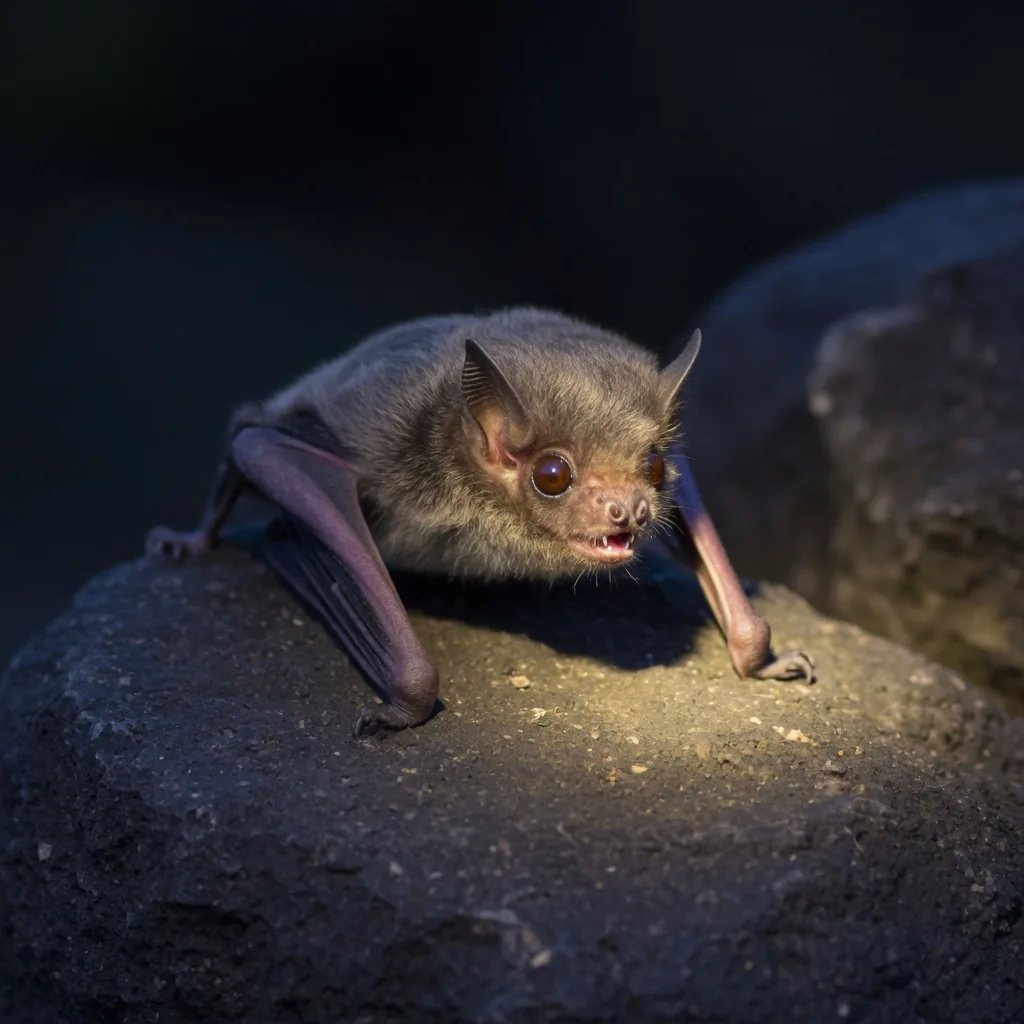
Leaf-nosed bats — or New World leaf-nosed bats, to be precise — are members of the Phyllostomidae family. This is a very diverse family, with 192 species spread across 56 genera. Its most famous members include the three notorious, blood-feeding species of vampire bats: the common vampire bat (Desmodus rotundus), the white-winged vampire bat (Diaemus youngi), and the hairy-legged vampire bat (Diphylla ecaudata). The family also includes the spectral bat (Vampyrum spectrum), the largest carnivorous bat in the world.
Mouse-tailed Bats
Mouse-tailed bats are the 6 species of insect-eating bats that make up the Rhinopomatidae family, all grouped into the genus Rhinopoma. As their name suggests, they have a long tail — but unlike other tailed bats, their tail is not joined to their wing membrane. The most popular members include the small mouse-tailed bat (Rhinopoma muscatellum), the lesser mouse-tailed bat (Rhinopoma hardwickei), and the greater mouse-tailed bat (Rhinopoma microphyllum).
Mustached Bats
Also known as ghost-faced bats or naked-backed bats, mustached bats are the 13 species that make up the Mormoopidae family. These species are split into 2 genera: Mormoops and Pteronotus, with the latter divided into two subgenera, Phyllodia and Pteronotus. The Parnell's mustached bat (Pteronotus parnellii), the Antillean ghost-faced bat (Mormoops blainvillii), and Davy's naked-backed bat (Pteronotus davyi) are among the most popular species.
New Zealand Short-tailed Bats
A unique family, the Mystacinidae family has 2 species: the critically endangered New Zealand greater short-tailed bat (Mystacina robusta) and the New Zealand lesser short-tailed bat (Mystacina tuberculata). These bats are special because, unlike most bats, they spend more time on the ground than in the air. Their claws even have extra little projections to help them dig in the ground.
Sac-winged Bats
The Emballonuridae family, commonly known as the sac-winged bats, has 51 species spread across 13 genera. It includes some of the smallest bats, a few measuring no more than 3.5 cm long. The sac-shaped glands in their wings, which give them their name, are used to attract mates during the mating season. The most popular species include the greater sac-winged bat (Saccopteryx bilineata), the Amazonian sac-winged bat (Saccopteryx gymnura), and the ghost bats — species belonging to the genus Diclidurus.
Slit-faced Bats
Slit-faced bats, or hollow-faced bats, are the 16 described species that make up the Nycteridae family. They get their name from the long slit that runs down their face, which probably helps them with echolocation. The most popular species include the large slit-faced bat (Nycteris grandis), the dwarf slit-faced bat (Nycteris nana), the Malayan slit-faced bat (Nycteris tragata), and Andersen's slit-faced bat (Nycteris aurita).
Smokey Bats
Smokey bats are the two species Amorphochilus schnablii and Furipterus horrens, which belong to the Furipteridae family. They are sometimes called thumbless bats, because they tuck their thumbs into their wings, making it look as if they have no thumbs at all. These bats are usually seen in large groups, sometimes with up to 300 individuals at a time.
Sucker-footed Bats
Sucker-footed bats are the two species belonging to the genus Myzopoda, found in Madagascar: the Madagascar sucker-footed bat (Myzopoda aurita) and the western sucker-footed bat (Myzopoda schliemanni). They get their name from the tiny cup-like structures on their wrists and ankles, similar to those of disc-winged bats. Sucker-footed bats are most often seen on or around the Traveler's tree.
Vesper Bats
The Vespertilionidae family is the largest and, hands down, the most diverse family of bats, with over 300 species. These bats are also known as common bats or evening bats — "vesper" means evening in Latin. They don't have well-developed nose structures, so they make up for it with enlarged ears that help with echolocation. Some are brilliant fliers: species in the genus Nyctalus can even catch birds in flight. The long list of popular vesper bats includes the chocolate wattled bat (Chalinolobus morio), the serotine bat (Eptesicus serotinus), the common pipistrelle (Pipistrellus pipistrellus), Peter's trumpet-eared bat (Phoniscus jagorii), and the birdlike noctule (Nyctalus aviator).
Bats and the Natural World
So, the different species of bats on the planet are sorted into 18 families and two main types, based on their physical and behavioral traits. It is also worth thinking about the important role they play in nature. For starters, they share a mutualistic relationship with plants: the plants give them food, and in return the bats help the plants by spreading pollen. Bats also help keep insect numbers down — a single brown bat can eat hundreds of mosquito-sized insects in just one hour. And yet, bats are still killed for food and, even worse, because of the superstitions people believe about them.
Together, these superstitions, the hunting for food, and more recently a disease called White-nose Syndrome (WNS) have taken a heavy toll on bat numbers. That is why 26 species of bats are now listed as Critically Endangered and 51 as Endangered on the IUCN Red List.
Explore More Animals
 Types of Frogs and Toads: A Complete Picture GuideFrom the tiny Paedophryne to the giant goliath frog, discover all the main types of frogs and toads, with pictures, quick facts, and a quiz for kids.
 A Complete List of Different Types of Foxes, With PicturesNot every animal called a fox is a true fox. Meet the 12 true foxes of genus Vulpes (the red, Arctic and fennec) plus the crab-eating, South American, bat-ear
 A Complete List of All Types of MonkeysFrom the pygmy marmoset (5 inches tall) to the giant Mandrill: discover every major type of monkey (New World and Old World) with photos, fun facts, and a qui
 Jungle Animals ListAn A-to-Z list of jungle animals for kids: mammals, birds, insects, arthropods and reptiles that live in the world's jungles, each with a photo and fun facts.

 Fun fact for today!Bats make up about 1 in every 5 kinds of mammal on Earth — they live on every continent except the freezing Arctic and Antarctic.