

Australia is home to a huge range of plants and animals found nowhere else on Earth. Many laws have been passed, and lots of conservation work is done, to help protect them. Even so, many species and subspecies of mammals, birds, reptiles, fish, and frogs are still in danger of disappearing. These are grouped as endangered and critically endangered. The list is set out by the Environment Protection and Biodiversity Conservation Act 1999 (EPBC Act).
Endangered Animals
These animals are officially listed as endangered — their numbers have dropped so low that they could disappear without our help. Here are some you can put a face to, followed by the full A–Z roster.
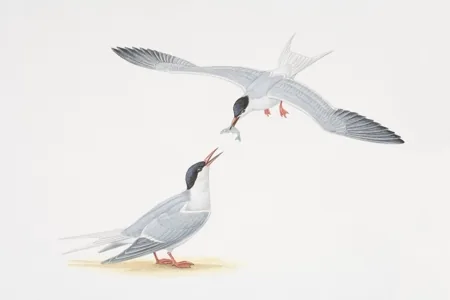
Antarctic Tern
Scientific name: Sterna vittata bethunei
A small white-and-gray seabird that nests on rocky sub-Antarctic islands and dives for fish in cold southern seas.
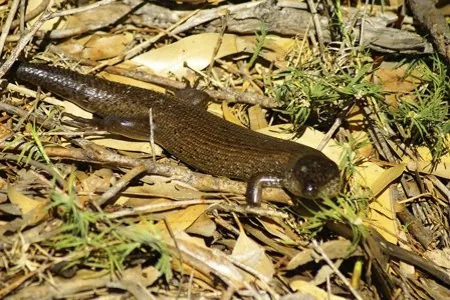
Arnhem Land Egernia
Scientific name: Egernia obiri
A rare skink known only from the rugged sandstone country of Arnhem Land in Australia's Northern Territory.
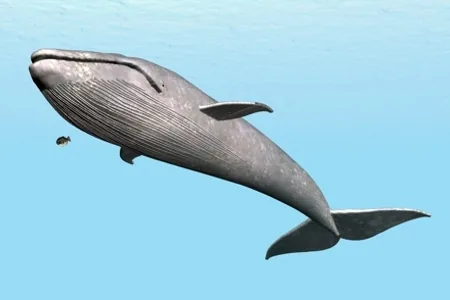
Blue Whale
Scientific name: Balaenoptera musculus
The largest animal that has ever lived. Southern blue whales feed in Antarctic waters and were almost wiped out by whaling.
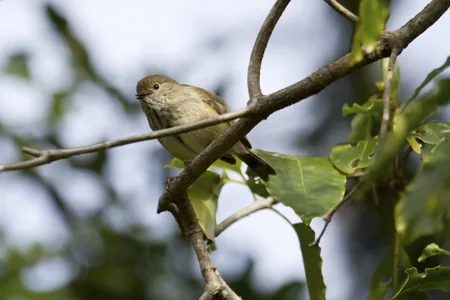
Brown Thornbill
Scientific name: Acanthiza pusilla archibaldi
A tiny, busy songbird of forest and scrub. The endangered island form lives only on Australia's remote outer islands.
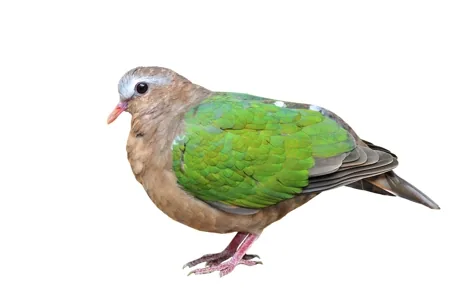
Emerald Dove
Scientific name: Chalcophaps indica natalis
A shy ground-dove with shimmering emerald-green wings. The protected race lives in the rainforests of Christmas Island.
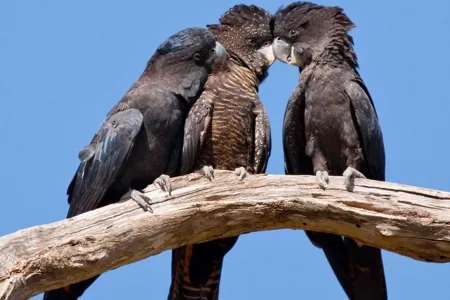
Glossy Black-Cockatoo
Scientific name: Calyptorhynchus lathami halmaturinus
A large smoky-black cockatoo with red tail panels that feeds almost entirely on the seeds of she-oak trees.
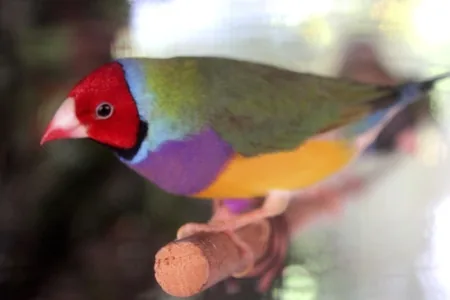
Gouldian Finch
Scientific name: Erythrura gouldiae
One of the world's most colorful finches, painted in red, black, purple, yellow and green across Australia's tropical north.
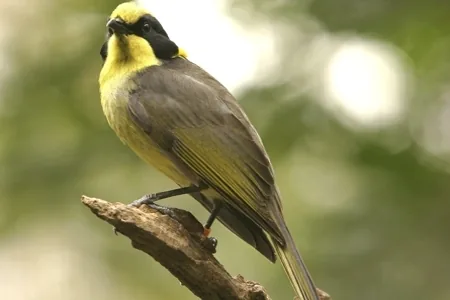
Helmeted Honeyeater
Scientific name: Lichenostomus melanops cassidix
Victoria's bird emblem, with a golden 'helmet' of feathers. Only a few hundred survive in swampy forest east of Melbourne.
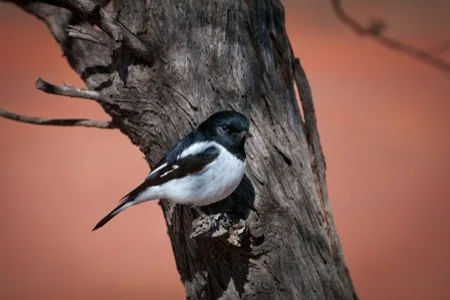
Hooded Robin
Scientific name: Melanodryas cucullata melvillensis
A neat black-and-white robin of open woodland. The island race is rare and clears land has shrunk its home.
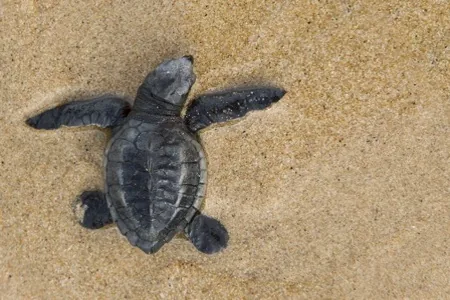
Loggerhead Turtle
Scientific name: Caretta caretta
A big-headed sea turtle that nests on Australian beaches and crosses whole oceans during its long life.
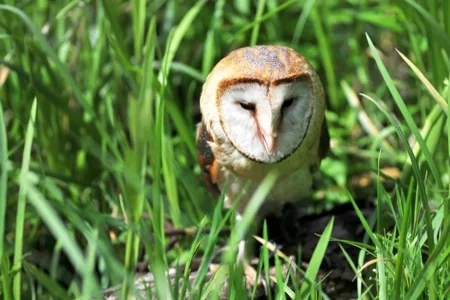
Masked Owl
Scientific name: Tyto novaehollandiae melvillensis
A powerful night hunter with a heart-shaped 'mask' of facial feathers. The island form is among the rarest of its kind.
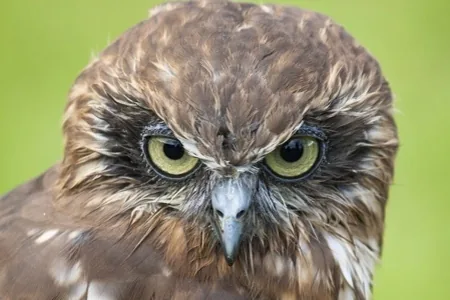
Norfolk Island Boobook
Scientific name: Ninox novaeseelandiae undulata
A small owl found only on tiny Norfolk Island. It came so close to extinction that just one wild female was left.
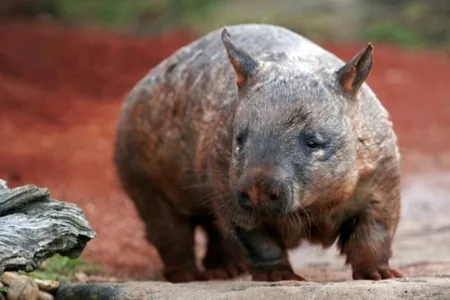
Northern Hairy-nosed Wombat
Scientific name: Lasiorhinus krefftii
One of the rarest mammals on Earth. This burrowing wombat survives in just a couple of protected reserves in Queensland.
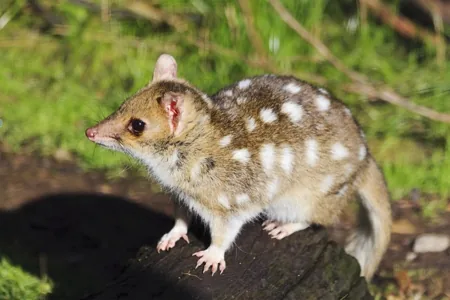
Northern Quoll
Scientific name: Dasyurus hallucatus
A speckled, cat-sized marsupial hunter. Cane toads, which are poisonous to eat, have hit its numbers hard.
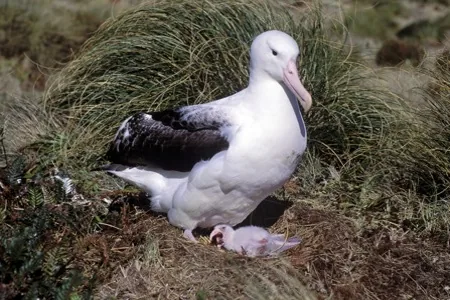
Northern Royal Albatross
Scientific name: Diomedea sanfordi
A huge ocean wanderer with wings that can stretch about three meters, gliding for days over the Southern Ocean.
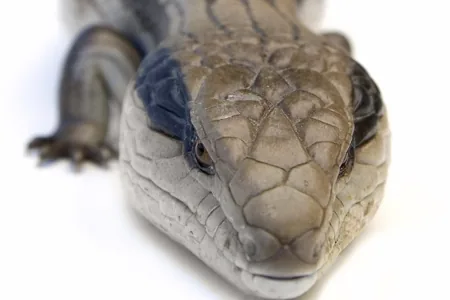
Pygmy Blue-tongue Lizard
Scientific name: Tiliqua adelaidensis
A small skink once thought extinct, rediscovered living inside spider burrows in South Australian grassland.
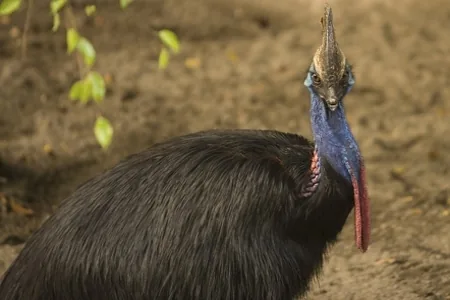
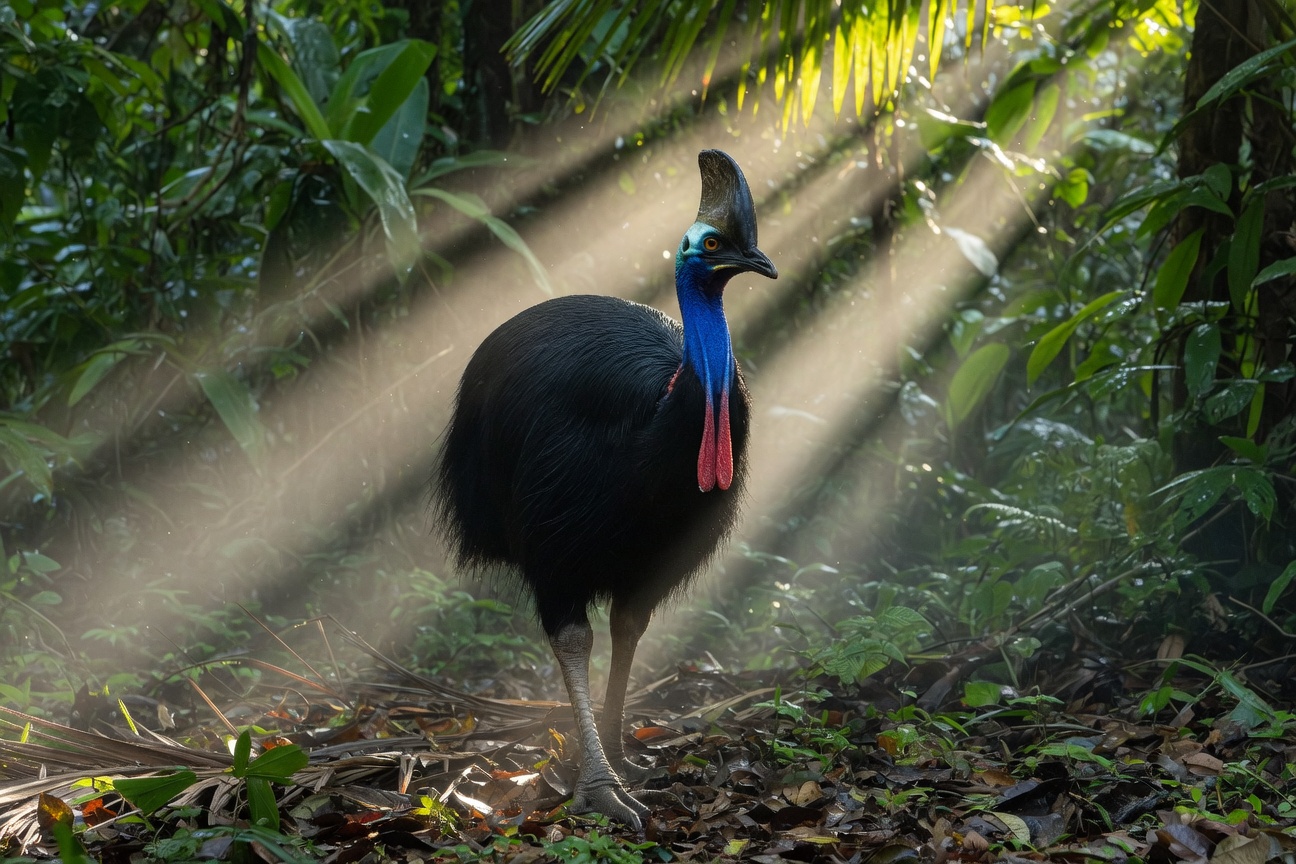
Southern Cassowary
Scientific name: Casuarius casuarius johnsonii
A tall, flightless rainforest bird with a bony helmet and bright-blue neck. It spreads the seeds of dozens of rainforest plants.
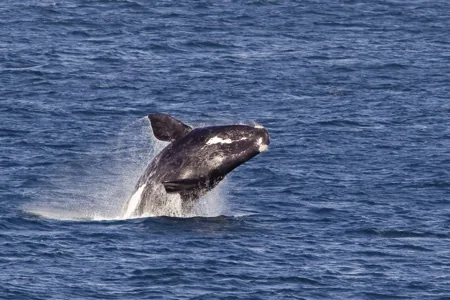
Southern Right Whale
Scientific name: Eubalaena australis
A slow, friendly whale that comes close to Australia's southern coast to calve. It was 'right' to hunt, so few are left.
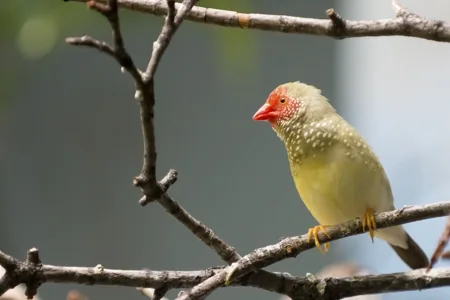
Star Finch
Scientific name: Neochmia ruficauda ruficauda
A grass finch sprinkled with white 'stars' on a red face and olive body, living near water in northern Australia.
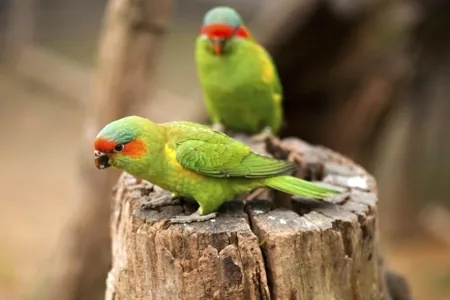
Swift Parrot
Scientific name: Lathamus discolor
A fast, jewel-green parrot that breeds only in Tasmania and flies across to the mainland for winter.
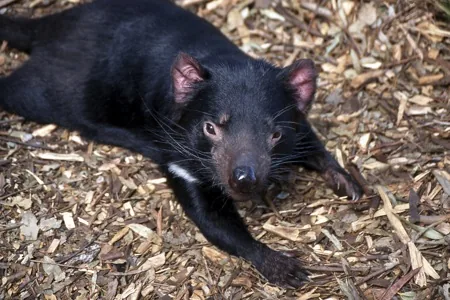
Tasmanian Devil
Scientific name: Sarcophilus harrisii
The world's largest meat-eating marsupial, found only in Tasmania. A spreading face disease has made it endangered.
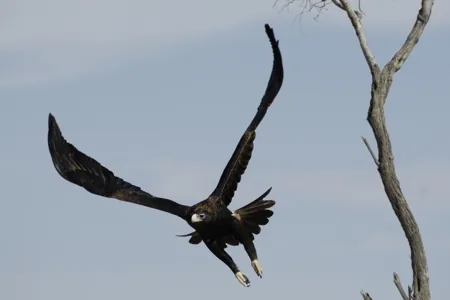
Wedge-tailed Eagle
Scientific name: Aquila audax fleayi
Australia's largest bird of prey, named for its diamond-shaped tail. The Tasmanian race is rare and easily disturbed.
Take the Endangered Aussies Quiz!
5 quick questions. Find out how much you really know about Australia's animals in danger.
More Endangered Animals (A–Z)
Endangered species A–E
- Abbott's Booby Sula abbotti
- Allan's Lerista (Retro Slider) Lerista allanae
- Ampurta Dasycercus hillieri
- Amsterdam Albatross Diomedea amsterdamensis
- Armoured Mistfrog Litoria lorica
- Arthurs paragalaxias Paragalaxias mesotes
- Barred Galaxias Galaxias fuscus
- Baw Baw Frog Philoria frosti
- Black-eared Miner Manorina melanotis
- Black-throated Finch Poephila cincta cincta
- Blue Mountains Water Skink Eulamprus leuraensis
- Booroolong Frog Litoria booroolongensis
- Bramble Cay Melomys Melomys rubicola
- Bridled Nail-tail Wallaby Onychogalea fraenata
- Broad-toothed Stag Beetle Lissotes latidens
- Buff-banded Rail Gallirallus philippensis andrewsi
- Buff-breasted Button-quail Turnix olivii
- Carnaby's Black-Cockatoo Calyptorhynchus latirostris
- Carpentarian Rock-rat Zyzomys palatalis
- Central North Burrowing Crayfish Engaeus granulatus
- Central Rock-rat Zyzomys pedunculatus
- Chatham Albatross Thalassarche eremita
- Chestnut-rumped Heathwren Hylacola pyrrhopygia parkeri
- Christmas Island Goshawk Accipiter fasciatus natalis
- Christmas Island Shrew Crocidura attenuata trichiura
- Clarence galaxias Galaxias johnstoni
- Clarence River Cod Maccullochella ikei
- Corangamite Water Skink Eulamprus tympanum marnieae
- Coxen's Fig Parrot Cyclopsitta diophthalma coxeni
- Desert Sand-skipper Croitana aestiva
- Dibbler Parantechinus apicalis
- Eastern Barred Bandicoot Perameles gunnii
- Eastern Bristlebird Dasyornis brachypterus
- Elizabeth Springs goby Chlamydogobius micropterus
- Eungella Day Frog Taudactylus eungellensis
Endangered species F–P
- Fleay's Frog Mixophyes fleayi
- Forty-spotted Pardalote Pardalotus quadragintus
- Furneaux Burrowing Crayfish Engaeus martigener
- Golden galaxias Galaxias auratus
- Golden-shouldered Parrot Psephotus chrysopterygius
- Gould's Petrel Pterodroma leucoptera
- Gove Crow Butterfly Euploea alcathoe enastri
- Grassland Earless Dragon Tympanocryptis lineata pinguicolla
- Greater Large-eared Horseshoe Bat Rhinolophus philippinensis
- Gulf Snapping Turtle Elusor lavarackorum
- Hastings River Mouse Pseudomys oralis
- Island Thrush (Christmas Island) Turdus poliocephalus erythropleurus
- Julia Creek dunnart Sminthopsis douglasi
- Kangaroo Island Dunnart Sminthopsis aitkeni
- Lace-eyed Tree Frog Nyctimystes dayi
- Lake Eacham rainbowfish Melanotaenia eachamensis
- Land snail Sinumelon bednalli
- Leadbeater's Possum Gymnobelideus leadbeateri
- Long-footed Potoroo Potorous longipes
- Lord Howe Placostylus Placostylus bivaricosus
- Macquarie Perch Macquaria australasica
- Mahogany Glider Petaurus gracilis
- Mary River Cod Maccullochella peelii mariensis
- Mary River Tortoise Elusor macrurus
- Maugean skate Port Davey Skate Raja
- Moth Phyllodes imperialis
- Mountain Mistfrog Litoria nyakalensis
- Mountain Pygmy-possum Burramys parvus
- Night Parrot Pezoporus occidentalis
- Norfolk Island Green Parrot Cyanoramphus novaezelandiae cookii
- Northern Bettong Bettongia tropica
- Northern Marsupial Mole Notoryctes caurinus Karkarratul
- Northern River Shark Glyphis
- Oxleyan Pygmy Perch Nannoperca oxleyana
- Pacific Ridley Lepidochelys olivacea
Endangered species P–Y
- Proserpine Rock-wallaby Petrogale persephone
- Red-tailed Black-Cockatoo Calyptorhynchus banksii graptogyne
- Red-tailed Phascogale Phascogale calura
- Redfin blue-eye Scaturiginichthys vermeilipinnis
- Regent Honeyeater Xanthomyza phrygia
- Rufous hare-wallaby Lagorchestes hirsutus
- Sandhill Dunnart Sminthopsis psammophila
- Scottsdale Burrowing Crayfish Engaeus spinicaudatus
- Semon's Leaf-nosed Bat Hipposideros semoni
- Slater's Skink Egernia slateri slateri
- Smoky Mouse Pseudomys fumeus
- Southern Barred Frog Mixophyes iteratus
- Southern Brown Bandicoot Isoodon obesulus obesulus
- Southern Corroboree Frog Pseudophryne corroboree
- Southern Emu-wren Stipiturus malachurus intermedius
- Southern Giant-Petrel Macronectes giganteus
- Spot-tailed Quolll Dasyurus maculatus maculatus
- Spotted cuscus Spilocuscus maculatus
- Spotted Handfish Brachionichthys hirsutus
- Spotted Tree Frog Litoria spenceri
- Spotted-tailed Quoll Dasyurus maculatus gracilis
- Sunset Frog Spicospina flammocaeruleat
- Swan galaxias Galaxias fontanus
- Tinkling Frog Taudactylus rheophilus
- Tristan Albatross Diomedea dabbenena
- Trout Cod Maccullochella macquariensis
- Waterfall Frog, Torrent Tree Frog Litoria nannotis
- Western Barred Bandicoot Perameles bougainville bougainville
- Western Ground Parrot Pezoporus flaviventris
- Western Spiny-tailed Skink Egernia stokesii badia
- Western Whipbird Psophodes nigrogularis nigrogularis
- White-bellied Frog Geocrinia alba
- Yellow-snouted Ground Gecko Diplodactylus occultus
- Yellow-spotted Tree Frog Litoria castanea
Frequently Asked Questions
What law protects endangered animals in Australia?
The Environment Protection and Biodiversity Conservation Act 1999, known as the EPBC Act.
Where does the Tasmanian devil live in the wild?
Only on the island of Tasmania. A spreading face cancer has made it endangered.
Which is more at risk: endangered or critically endangered?
Critically endangered is the higher danger level, just one step away from extinction in the wild.
Why are introduced animals a threat to Australian wildlife?
Introduced animals like the cane toad can poison or out-compete native species. A northern quoll can die just from biting a poisonous cane toad.
Critically Endangered Animals
A critically endangered animal is at the highest level of risk in the wild — just one step away from being lost forever. Every one of these needs urgent protection.
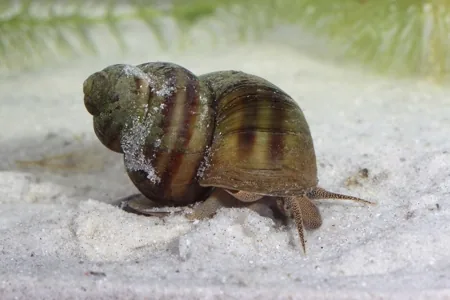
Freshwater Snail
Scientific name: Beddomeia tumida
A tiny water snail found in just a few Tasmanian streams, making it very easy to lose if its creek is damaged.
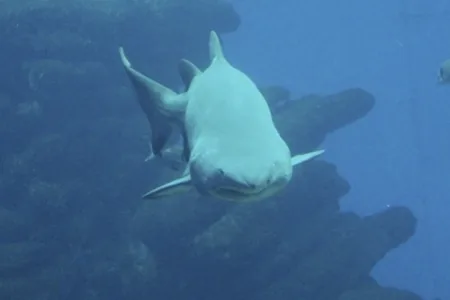
Gray Nurse Shark
Scientific name: Carcharias taurus
A fierce-looking but calm shark of rocky reefs. Its east-coast population is critically low after years of fishing pressure.
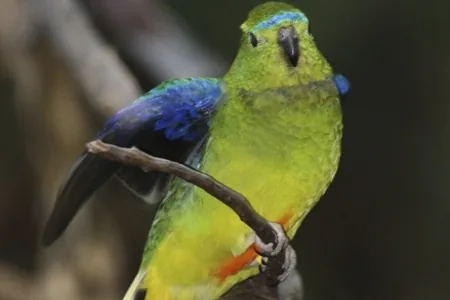
Orange-bellied Parrot
Scientific name: Neophema chrysogaster
One of the rarest parrots on the planet, migrating between Tasmania and the mainland with only tens left in the wild.
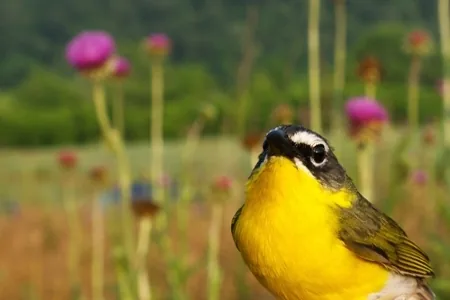
Yellow Chat (Dawson)
Scientific name: Epthianura crocea macgregori
A bright-yellow little bird of coastal marshes. The Dawson form clings on in a small patch of central Queensland wetland.
More Critically Endangered Animals
Critically endangered species Highest risk
- Bare-rumped Sheathtail Bat Saccolaimus saccolaimus nudicluniatus
- Boggomoss snail Adclarkia dawsonensis
- Christmas Island Pipistrelle Pipistrellus murrayi
- Dandenong amphipod Austrogammarus australis
- Gilbert's Potoroo Potorous gilbertii
- Golden Sun Moth Synemon plana
- Herald Petrel Pterodroma heraldica
- Leathery Turtle Luth Dermochelys coriacea
- Lord Howe Island stick insect Dryococelus australis
- Margaret River Hairy Marron Cherax tenuimanus
- Mitchell's rainforest snail Thersites mitchellae
- Opal Cling Goby Stiphodon semoni
- Round Island Petrel Pterodroma arminjoniana
- Scrubtit Acanthornis magnus greenianus
- Southern Bent-wing Bat Miniopterus schreibersii bassanii
- Speartooth shark G. glyphis
- Spotted Quail-thrush Cinclosoma punctatum anachoreta
- Western Swamp Tortoise Pseudemydura umbrina
- Western Trout Minnow Galaxias truttaceus hesperius
Australia is not alone in this fight: animals are under pressure all over the planet. See the full list of endangered animals of the world, or read more about the Tasmanian devil’s habitat and why it matters.
Explore More Animals
 List of All Endangered Species: An A, Z of Animals & Plants at Risk | Animal SakeA comprehensive A-to-Z list of endangered animals and plants whose numbers have fallen so far that they are in immediate danger of extinction.
 A List of Endangered Animals From Every ContinentFrom the Bengal tiger and giant panda to the mountain gorilla and polar bear: a continent-by-continent list of the world's endangered animals, with photos.
 Marsupials List: 334 Pouched Mammals of the WorldFrom the red kangaroo to the tiny long-tailed planigale: meet the marsupials, the pouched mammals. A photo guide plus a full list of 334 species with ranges and
 Mesmerizing Facts About the Australian WildlifeAustralia is one of the richest ecosystems on Earth. Discover the amazing mammals, birds, reptiles, amphibians, and fish that make this island continent unlike

 Fun fact for today!The Southern Cassowary in this photo is a living seed-spreader: as it walks the rainforest it plants the seeds of dozens of trees that grow almost nowhere else on Earth.