

Slithering bodies, chill-inducing hisses, and scary background music — that is how snakes are pictured in much of the world. We treat these wonders of nature as bloodthirsty killers. In truth they are extremely timid and almost always scared of humans. Their fascinating evolution of legless locomotion has made them some of the most successful hunters in the world, and that same skill is what makes people find them scary and loathsome.
Most people fear snakes because they fear snake venom. But here is the reality: about 85% of snake species are nonvenomous. Instead of using venom, these snakes sometimes eat their prey alive, or kill it by constricting (squeezing) it. And even among the snakes that are venomous, the venom of many is too weak to have any effect on humans.
Here is a list of some nonvenomous snakes, along with a little basic information about each one.
Common Nonvenomous Snakes
Pythons Nonvenomous
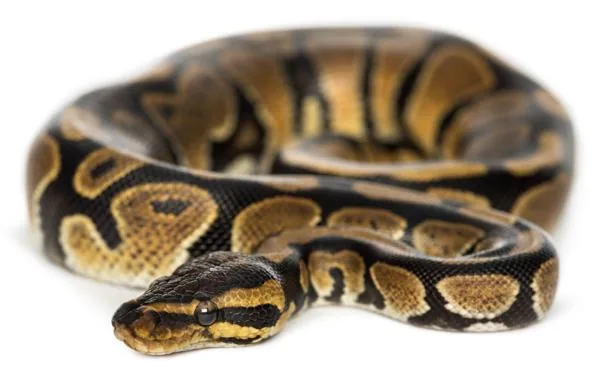
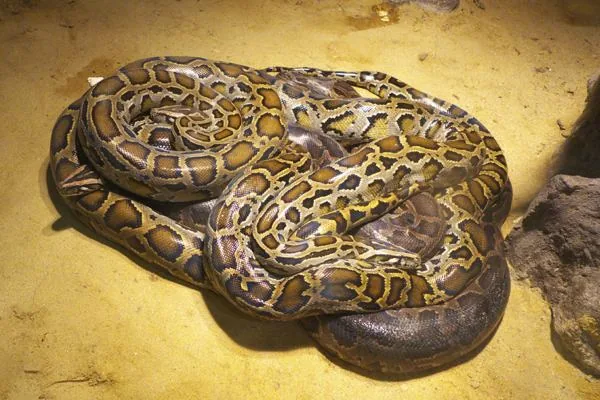
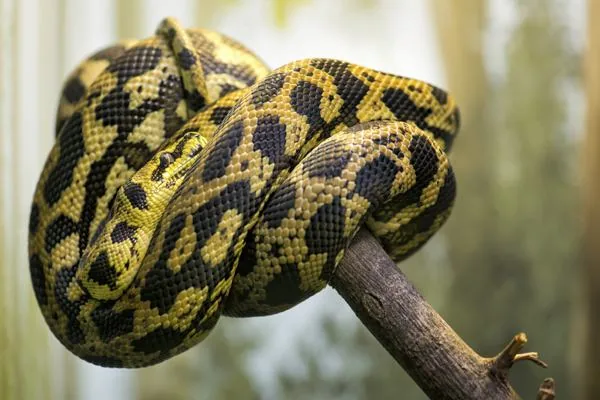
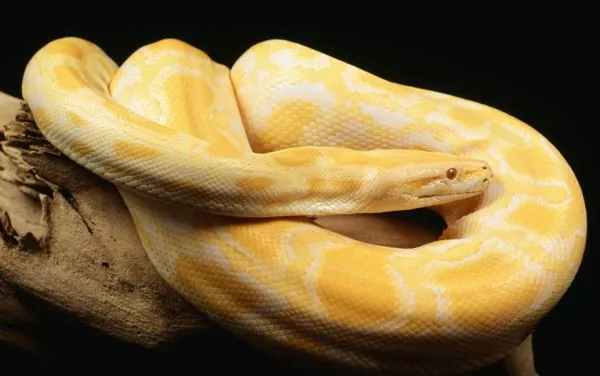
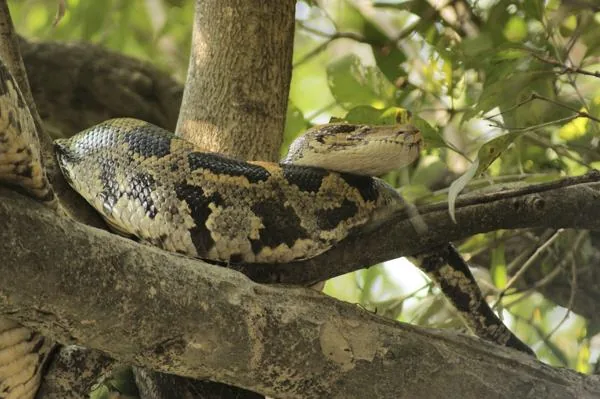
Pythons are some of the scariest-looking snakes, and among the largest — yet every one of them, united under the Pythonidae family, is nonvenomous. They kill prey using the well-known mechanism of constriction. Contrary to popular belief, this is not used to crush bones. The constriction actually suffocates the victim, drawing the coils closer with each breath the unfortunate animal lets out. A largely unsupported theory also suggests the pressure of a python's coils could cause a cardiac arrest, becoming the proximal cause of death.
All pythons are nonvenomous, without exception. Instead of the typical fangs seen in venomous snakes, pythons have many sharp, serrated, backward-curving teeth. This dentition lets them grab hold of prey, with the backward curve of the teeth stopping its escape. Once prey is caught, a python quickly coils around it. When the prey stops moving, it is swallowed whole — though it may only be unconscious.
Boas and Anacondas Nonvenomous
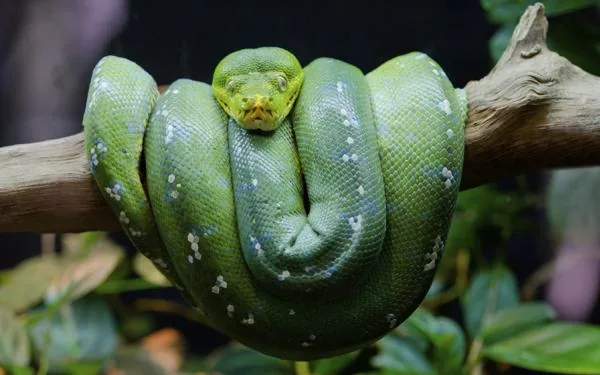
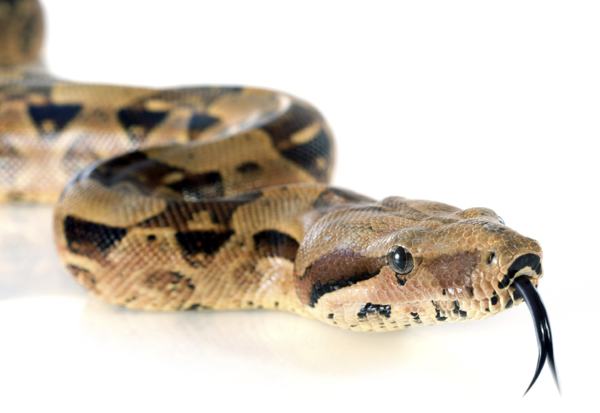
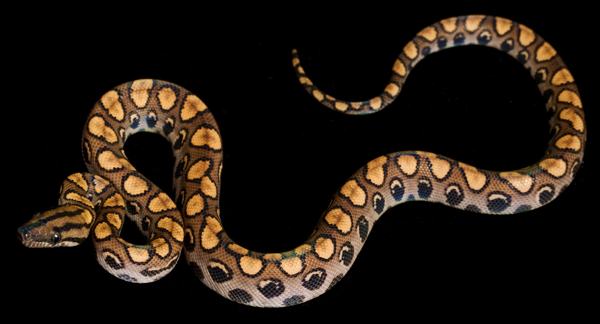
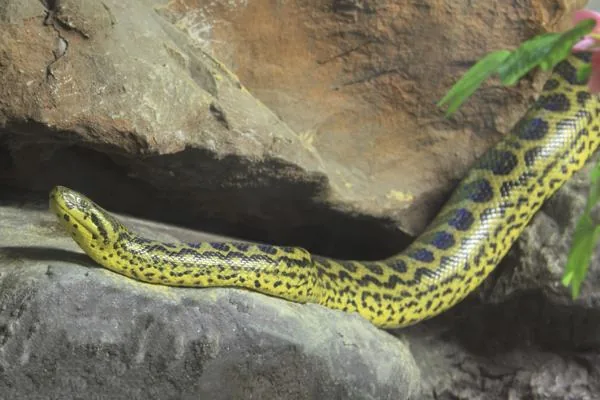
Boas, which make up the boidae family, are also constrictors. They catch live prey with teeth similar to a python's, then wrap their powerful, muscular bodies around it. Boas are found mostly in the New World, plus a few isolated spots in the Old World such as Madagascar and the Solomon Islands. The anacondas, which form the Eunectes genus, are strong contenders for the title of largest snake in the world.
The Boidae family is split into 4 subfamilies. Two of them — the Boinae (the true boas) and the Erycinae — contain most of the species: eight out of the eleven genera in the family belong to these two groups, with two genera in Sanziniinae and one in Candoiinae.
Kingsnakes Nonvenomous
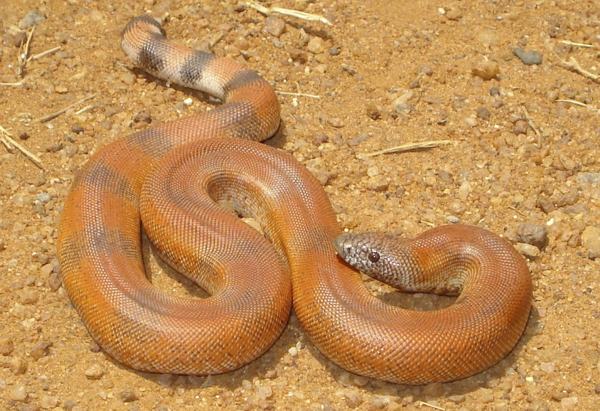
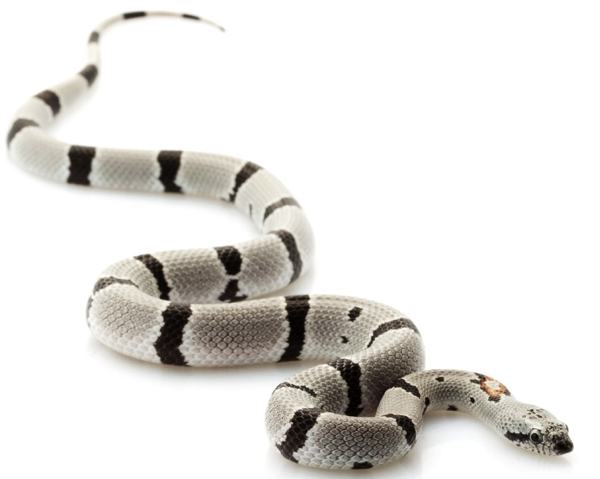
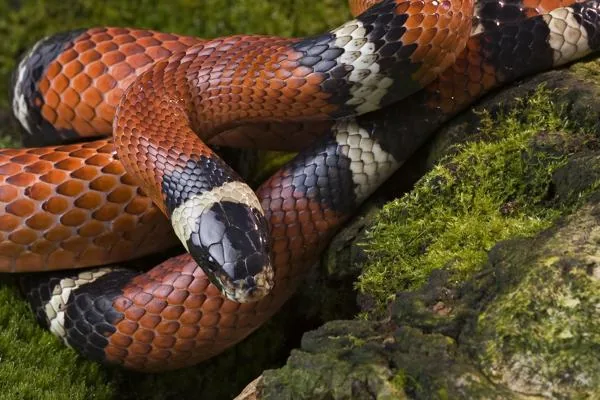
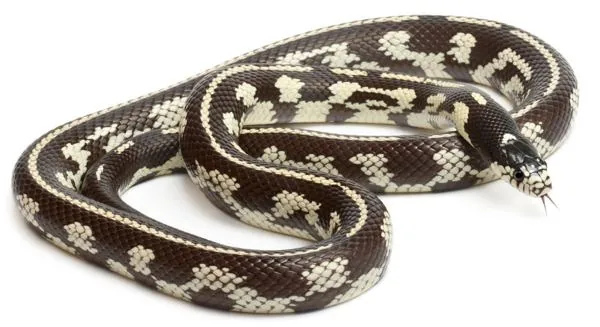
Kingsnakes are made up of the eleven species of the Lampropeltis genus, and they are common all over the USA. They are popular in the pet trade thanks to the many naturally occurring color morphs they can have, their docile nature, and their easy upkeep. Milk snakes, one of the kingsnake species, are popular as coral snake lookalikes — looking like a venomous snake has obvious benefits for a nonvenomous one — but no kingsnake is venomous. In fact, kingsnakes are immune to many types of snake venom, and they regularly prey on other snakes, including rattlesnakes.
Rat Snakes Nonvenomous
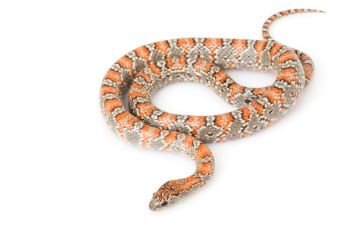
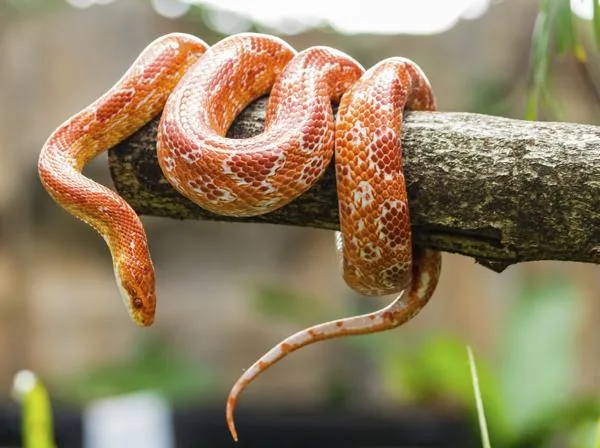
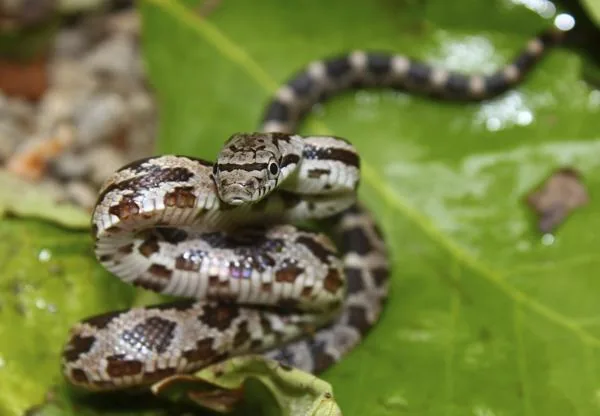
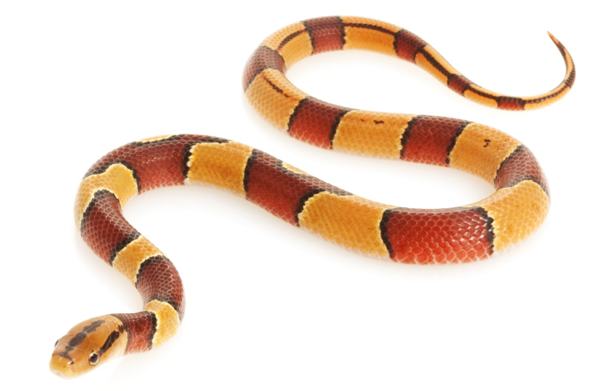
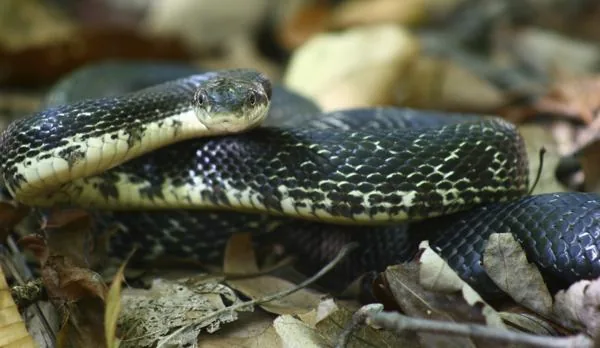
Both Old World rat snakes (found in Afro-Eurasia) and New World rat snakes (found in the Americas) are nonvenomous, which is why many of them are also popular as pets. Corn snakes, in particular, are one of the easiest unconventional pets to keep. The large majority of rat snakes have no venom at all, and the venom of the few that do is so weak that it is not even their main weapon for hunting.
These snakes rely on constriction to hold and kill the rodents they are named for. They are welcomed in farmlands, because they keep the pest rodent population down and pose no threat to humans.
Gopher Snakes Nonvenomous
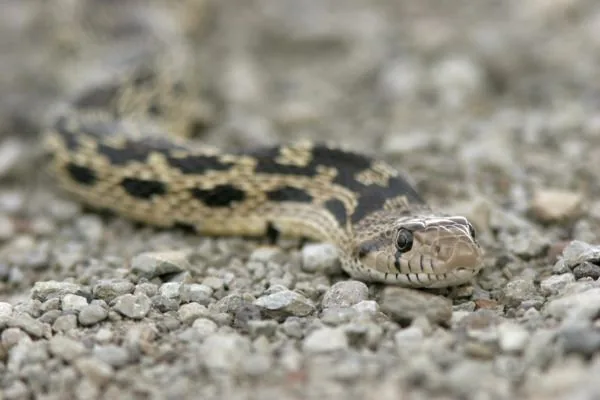
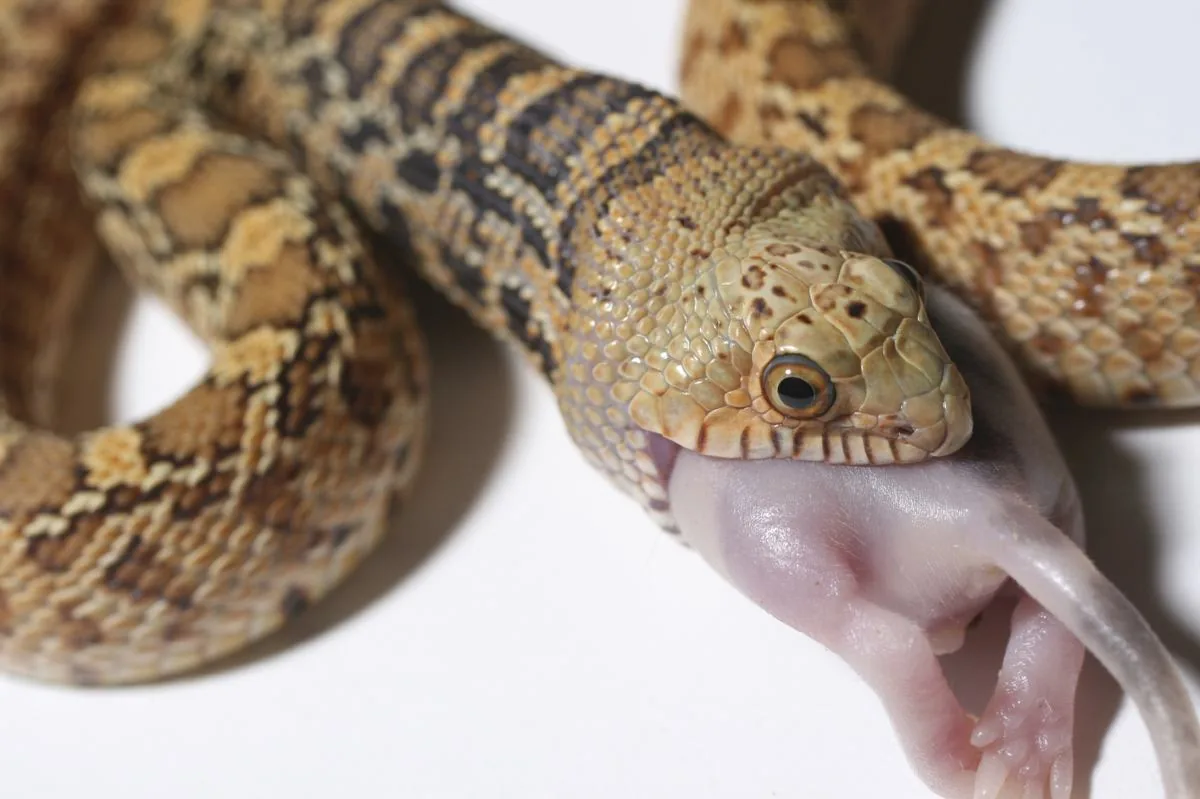
Also known as pine snakes, gopher snakes (the Pituophis genus) are found in North America. They are completely nonvenomous.
Smooth Snakes Nonvenomous
The three species in the Coronella genus are nonvenomous colubrids. They are found all around the Mediterranean — including most of continental Europe (as far north as southern Scandinavia), North Africa, and western Asia.
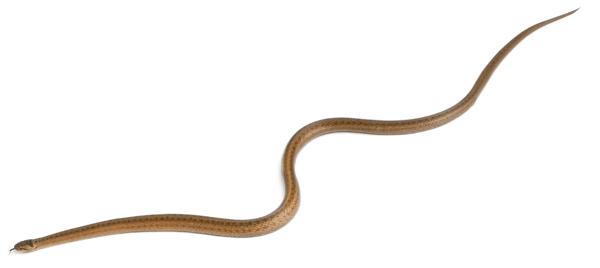
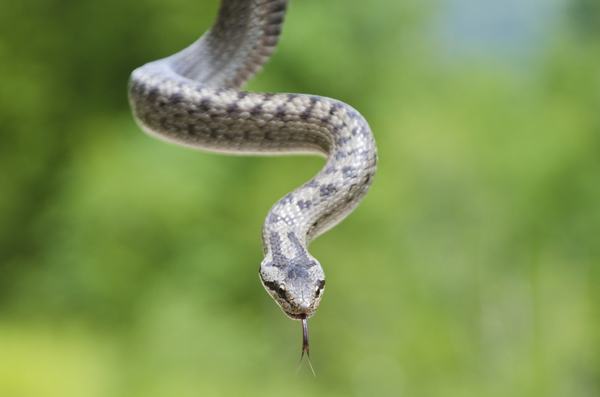
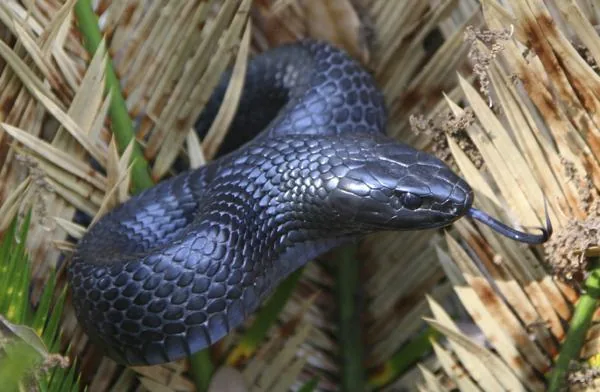
Indigo Snakes Nonvenomous
Making up the Drymarchon genus, indigo snakes are found in the southeastern United States, and in Central and South America. Like many colubrids, they are harmless to humans.
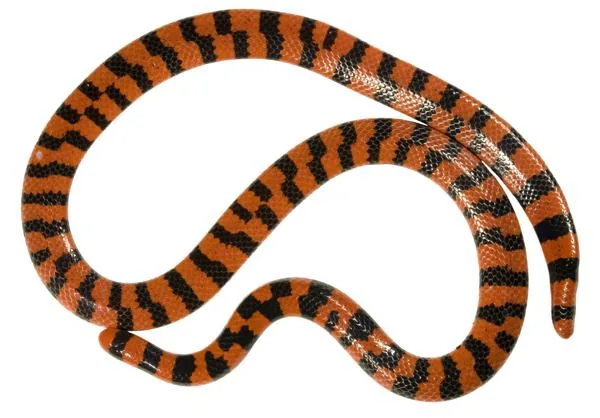
False Coral Snake Nonvenomous
The false coral snake (A. scytale) makes up the monotypic genus Anilius and the monotypic family Aniliidae — meaning each one contains just this single species. Like the milk snake, it is another mimic of the coral snake. It lives mainly in the Amazon rainforest, plus the surrounding regions and the Caribbean islands. Even though it looks like a coral snake, the two are easy to tell apart once you know their different patterns.
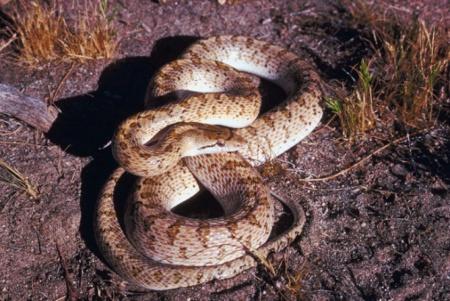
Glossy Snake Nonvenomous
Found in the southwestern United States and Mexico, the glossy snake (Arizona elegans) makes up the monotypic genus Arizona. Glossy snakes look similar to gopher snakes, but they are smaller.
Racer Snakes and Whipsnakes Nonvenomous
Snakes from the Coluber genus are called ‘racers’ or ‘whipsnakes’, and they are found all over the world in many different habitats and conditions. This genus is a bit of a catch-all: it contains a number of snakes that cannot be neatly shifted into another group. Its members live in the Americas, north Africa, continental Europe, and the Indian Subcontinent.
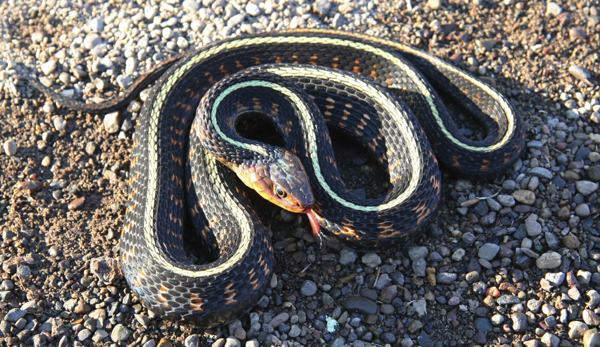
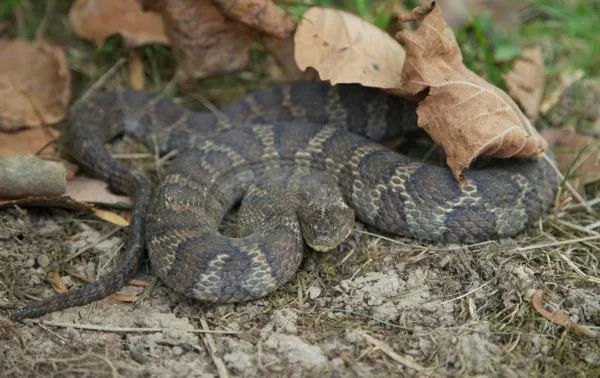
Water Snakes Nonvenomous
This group refers to the snakes of the Nerodia genus. Don't confuse them with sea snakes, which are among the most venomous snakes in the world. The 9 species in the genus are all native to North America, and they are named for their liking of a semi-aquatic habitat. They are stout snakes — though nowhere near as stout as boas or pythons — and they have a reputation for their temper.
Frequently Asked Questions
What percentage of snakes are nonvenomous?
About 85% of snake species are nonvenomous. Instead of using venom, many of them kill prey by constriction, squeezing it in their coils.
What is the difference between venomous and poisonous?
A venomous animal makes its own toxin and injects it with a bite or sting. A poisonous animal is only harmful if it is touched or eaten, because it takes in toxins rather than making them. Snakes are venomous, not poisonous.
Are pythons and boas venomous?
No. All pythons and boas are nonvenomous. They kill prey by constriction. But they are large and strong with sharp teeth, so it is still best to watch them from a safe distance.
Which nonvenomous snakes are kept as pets?
Corn snakes, kingsnakes and ball (royal) pythons are among the most popular pet snakes, thanks to their docile nature, easy care and many color morphs.
Why does the milk snake look like a coral snake?
The milk snake is a harmless mimic. Looking like the venomous coral snake helps scare off predators, even though the milk snake has no venom of its own.
Take the Harmless Snakes Quiz!
5 quick questions on pythons, boas, kingsnakes and the rest. How much do you really know about the snakes that won't bite back?
Nonvenomous Doesn't Mean Harmless
These were some of the most prominent nonvenomous snakes in the world. It should be remembered that even though they carry no venom, many of these snakes — especially pythons and boas — are stoutly built and have sharp teeth that can cause severe injuries. Pythons may even consider a young person, or sometimes an adult, as prey. So while they don't bring the threat of venom, it is better to let them be, and to watch them from a safe distance.
Explore More Animals
 Types of Snakes With PicturesMeet every type of snake, from the deadliest venom-injecting cobras and vipers to record-breaking constrictors, tiny thread snakes, and ocean-going sea snakes.
 A List of the World's Biggest Snakes With Stunning PicturesMeet the biggest snakes on Earth, from the record-setting reticulated python (and Medusa, the longest in captivity) to the heavyweight green anaconda and the b
 Your Complete Guide to Snake IdentificationIdentify any snake by its length, girth, pupils, pattern, head shape, and tail plates, then learn the warning signs of a venomous one. A clear photo field guid
 Mind-blowing Facts About Snakes That Will Leave You DumbfoundedThere's a lot more to snakes than most of us know. They are as intriguing as they are scary. An insight into the world of these fascinating reptiles proves why.
Want to keep exploring? See how scientists sort every snake on Earth in our guide to the different types of snakes, then meet the giants in our look at the biggest snake in the world.

 Fun fact for today!Snakes don't squeeze prey to crush its bones, a constrictor tightens its coils each time the animal breathes out, gently cutting off its breath.