

Maggot is the commonly used term for the larval phase of development in insects belonging to the Diptera fly order. Several fishing enthusiasts use maggots to catch non-predatory fish. Beyond that, maggots are also used in therapies: they are introduced to the wounded part of the body, where they eat their way into the necrotic tissue and promote healing by consuming the bacteria in it. So these creepy-looking creatures turn out to be beneficial to humans.
The Maggot Phase
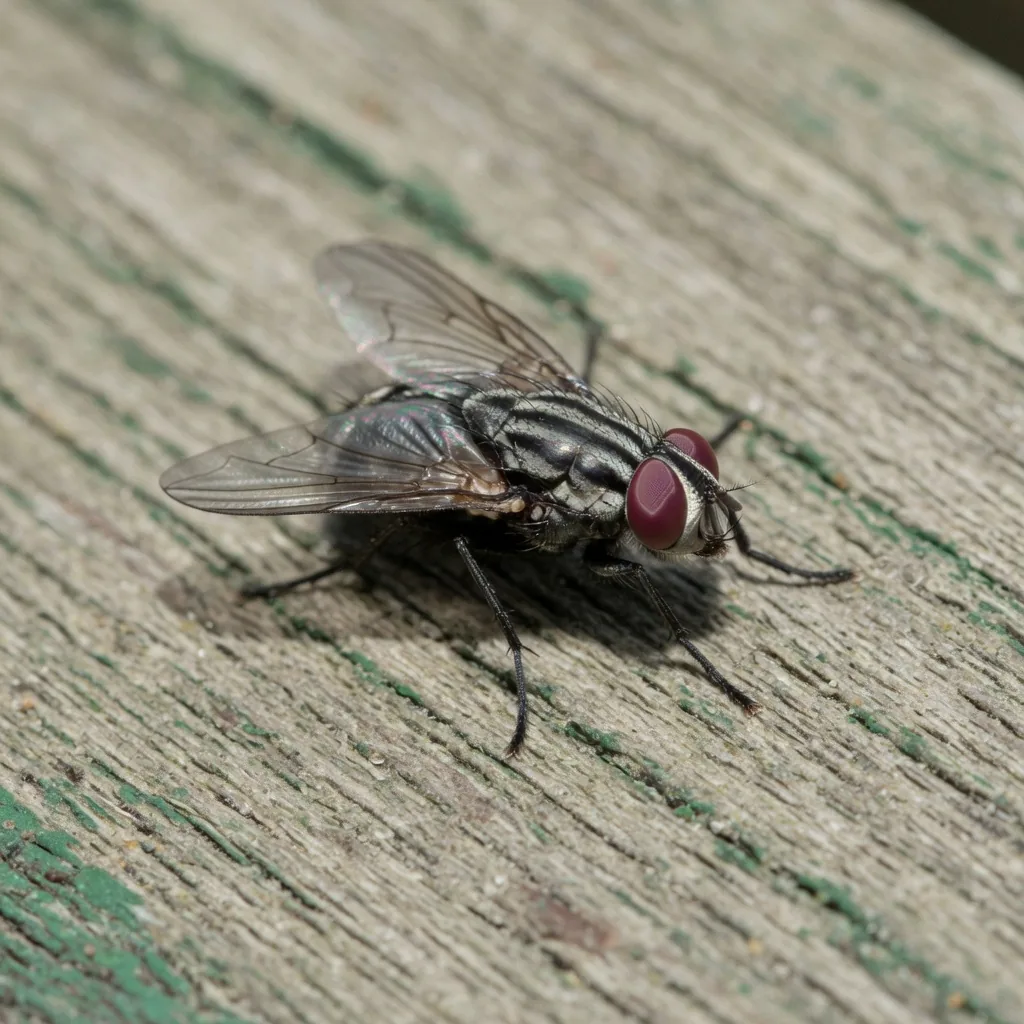
Common house flies are drawn to garbage, leftover food, animal dung, manure, and moist rotting material. They lay their eggs in these materials, in clusters of hundreds. In warm weather, the eggs hatch within the next 8 to 20 hours. The moment they hatch, the larvae begin feeding on the material they were laid on. What makes this insect fascinating is the life cycle it goes through, and the maggot phase is one of the most active stages in it.
First-instar Larvae
Freshly hatched larvae are creamy white with a length of 2 to 3 mm. These first-instar larvae are voracious feeders and immediately begin consuming the food material around them.
Second-instar Larvae
Once the larvae reach 10 mm in size, they enter the second larval stage. They continue feeding and then molt, shedding their skin for the first time.
Third-instar Larvae
As feeding continues, the larvae grow to between 15 and 20 mm. Their color shifts from creamy white to a light brown or reddish hue. They molt once more at this stage.
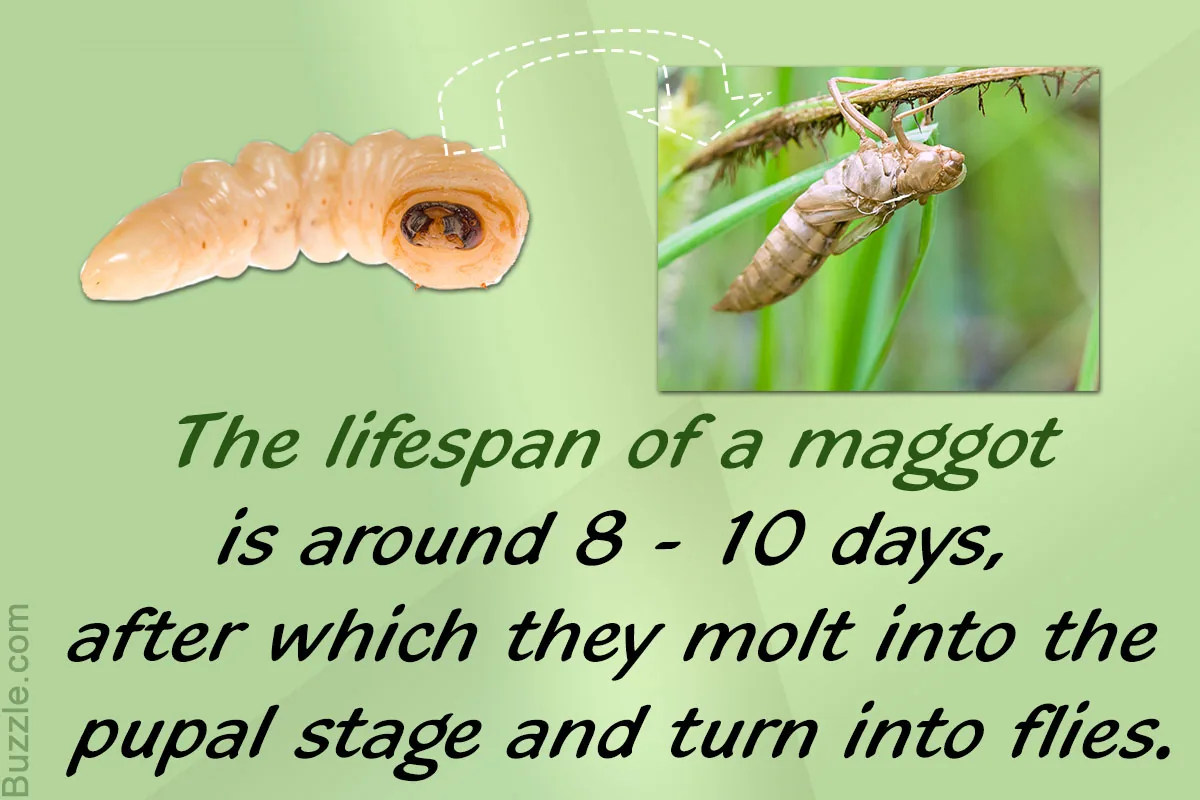
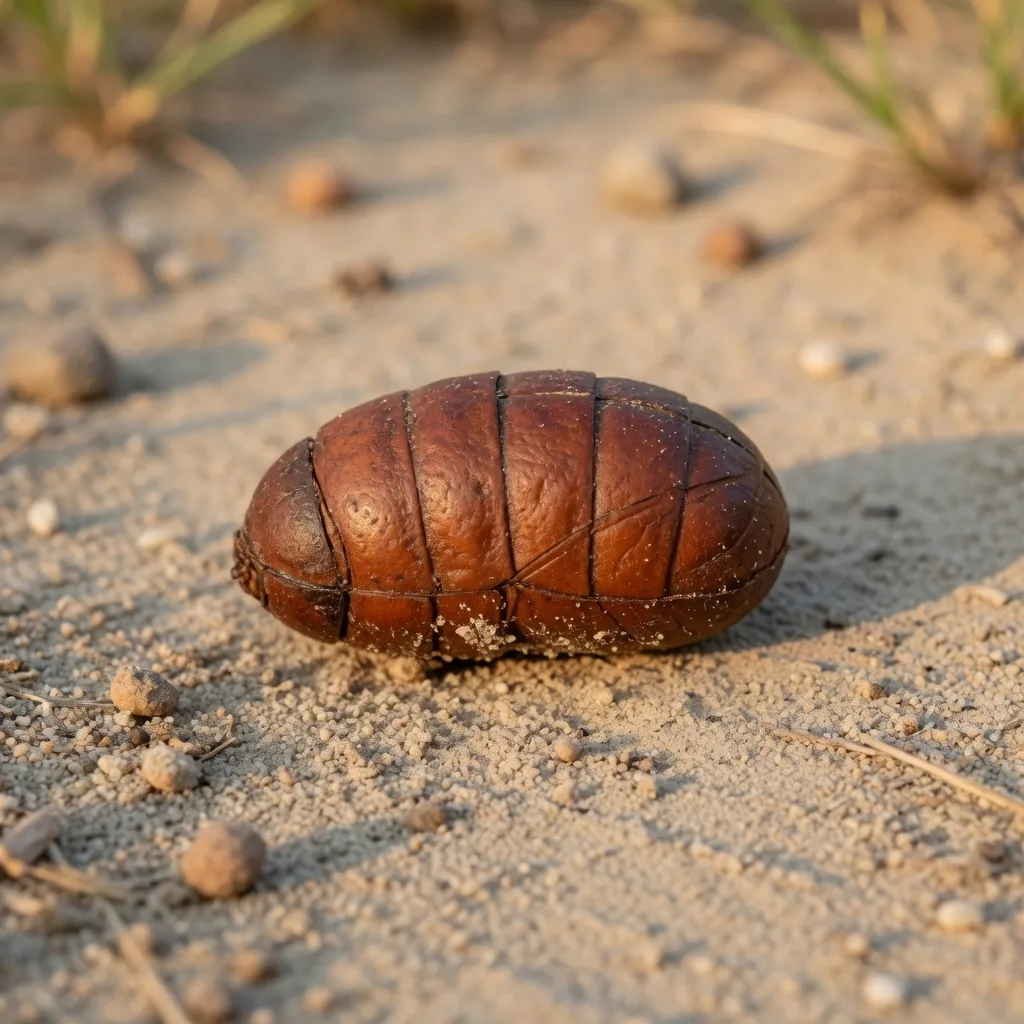
These three instar stages make up the main feeding period of the fly's life. Maggots are voracious feeders and can eat continuously for 24 hours non-stop. That relentless appetite is exactly what makes maggot therapy effective. After the feeding stage is over, the mature larva is ready to pupate. It moves to a drier area, forms a reddish-brown casing around itself, and pupates.
Take the Maggots & Fly Life Cycle Quiz!
5 quick questions about the three instar stages, maggot therapy, and fly biology.
Facts About Maggots
Where Do Maggots Live?
Maggots are voracious feeders, so they only live where food is plentiful. Flies know this, which is why they lay their eggs on carcasses, rotting waste, and similar material. There are also plant maggots, which feed on fruits and leaves rather than animal matter.
Can Maggots Live in Water?
Water doesn't seem to hinder maggots from growing. You can test this by placing a chunk of stale meat in a plastic cup filled with water and leaving it out for flies. Soon the flies will lay their eggs in the water, and the maggots will thrive on the stale piece of meat.
Explore More Animals
 4 Stages in the Life Cycle of a Bottle Fly: Explained in DetailThe life cycle of a bottle fly includes four successive stages, namely eggs, larvae, pupae, and adults. This article explains this process in detail.
 An Awesome Explanation of the Life Cycle of a CaterpillarThe caterpillar life cycle is explained in short in this article, along with some interesting facts about caterpillars.
 Undeniably Interesting Facts About HoverfliesWhen it comes to impersonation, the hoverfly leaves everyone else in the shade. Often mistaken as wasps and bees, this unique fly is a perfect example of Batesi
 Interestingly Gripping Facts About the Lifespan of a ButterflyThe lifespan of a butterfly varies according to the species. Learn about the four life stages, species records from the tiny copper butterfly to the mighty mona
How Long Do Maggots Live?
Because maggots are an in-between stage in a fly's life cycle, their lifespan is only around 8 to 10 days, after which they molt into the pupal stage and eventually become flies. The second molt (which happens during the third-instar larval stage) leads the maggot to the pre-pupa stage, then to the pupa stage, and finally to the adult fly stage. The entire maggot phase takes 10 days in a warm environment and up to a month in cold weather.
Though maggots are used in the treatment of non-healing wounds, a maggot infestation can itself be dangerous in some cases. Maggots of certain species feed on live as well as decaying matter, making them harmful. The screw worm fly is a clear example: its maggots are flesh-eaters. The screw worm fly lays its eggs on the edges of wounds or on mucus membranes of body openings. When those eggs hatch, the maggots eat into the body, causing severe tissue damage, and in extreme cases can even result in death.

 Fun fact for today!Maggots can feed non-stop for 24 hours straight, and doctors actually use them to clean wounds!