

The Marine Biome
More than a million species of plants and animals are found only in the marine biome. That makes it the richest biome in the world for biodiversity. The World Registry of Marine Species (WoRMS) has over 200,000 species listed, but scientists believe the actual number is at least ten times greater than that.
When we talk about marine species, we usually mean fish, reptiles, mammals, and invertebrates that live in oceans and estuaries. But to truly understand the marine biome, we also need to include seabirds and land mammals that depend on it for food.
The marine biome is a key part of Earth's ecosystem. It covers five oceans (the Pacific Ocean, Atlantic Ocean, Indian Ocean, Arctic Ocean, and the Southern Ocean) plus several estuaries and the millions of living organisms that call them home. It is the largest and most diverse biome on the planet. Scientists who study it are called marine biologists, and their field is known as marine biology.
Marine Biome Animals
When most people think of marine life, fish spring to mind first. Sea turtles, sea snakes, and marine mammals like dolphins and whales might come next. But even all those names together only hint at how many creatures live in the ocean. The full list covers a huge range of species, from the tiniest fish larvae to animals longer than a school bus.
Species of Fish
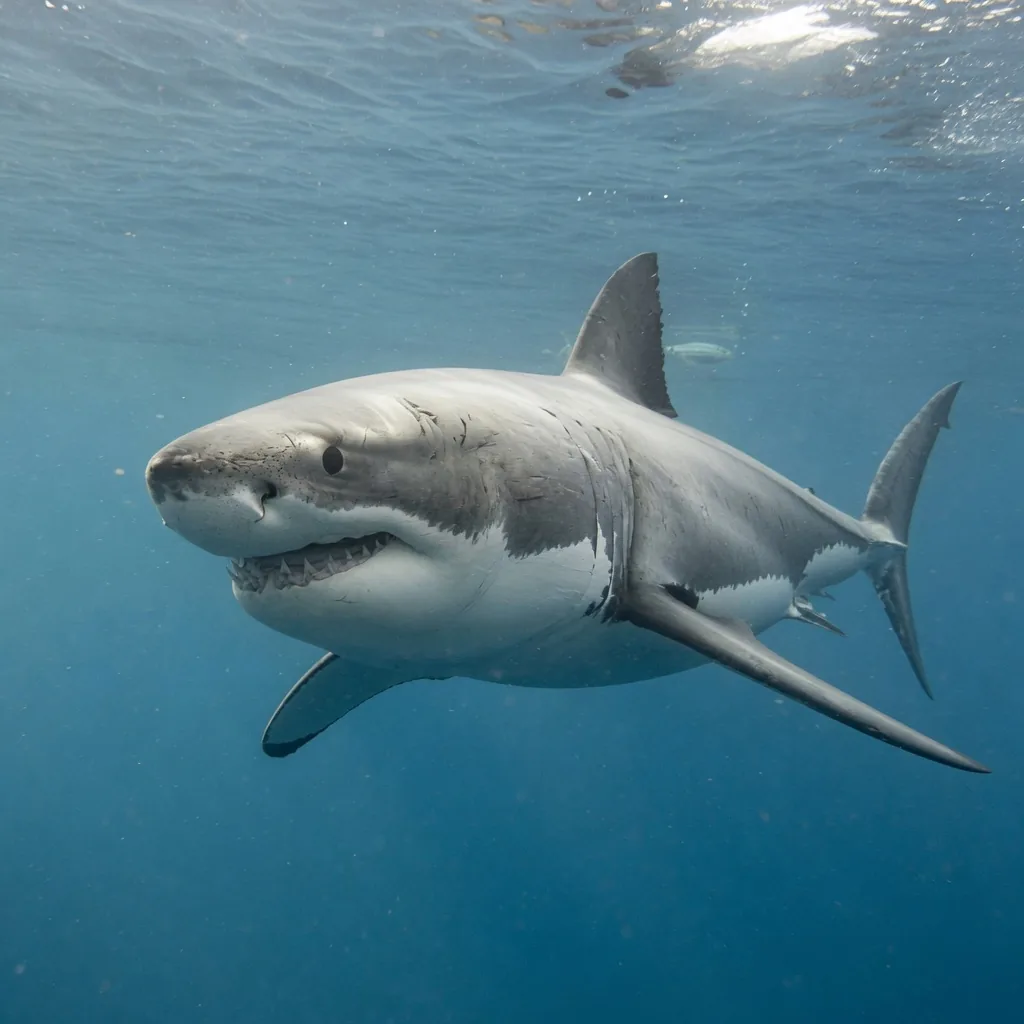
FishBase (the global database of fish species) has identified around 32,700 species of fish. About 60 percent of them live in oceans. They range from the tiny stout infantfish to whale sharks, the world's largest fish. Popular species like sardines, halibuts, and sharks are an important part of our diet.
Some fish move between seas and rivers, like salmons and sea trouts. Others are deep-sea species, like lanternfish and anglerfish, found at depths where sunlight never reaches.
Some fish are solitary; others travel in large groups called shoals or schools. What a fish eats depends on its size and natural habitat. The great white shark sits at the very top as the apex predator of the marine biome. Yet some smaller species are equally notorious for their aggression and will attack animals much larger than themselves.
Note: Whales and dolphins may be absent from fish lists, and that's correct. Technically, they are mammals, not fish.
Marine Invertebrates
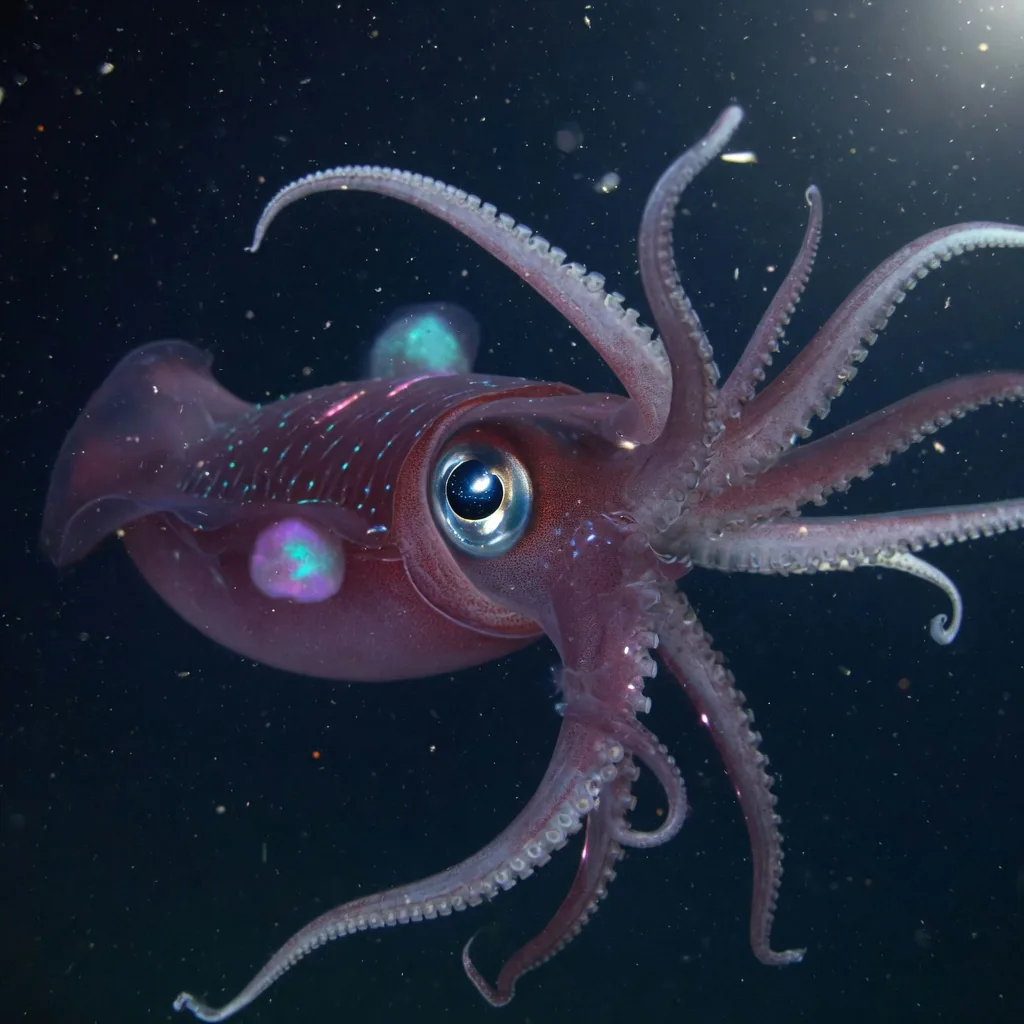
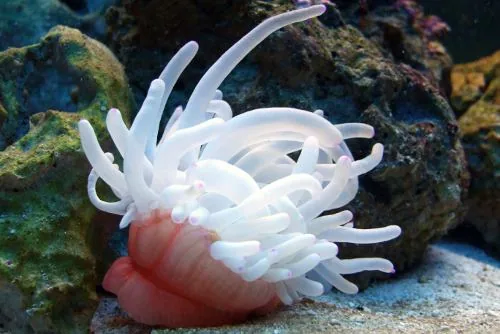
Invertebrates are animals without a backbone. In the ocean, they are usually found near coral reefs, which is why they're often called coral reef animals. Examples include jellyfish, sponges, sea worms, shellfish, sea stars (starfish), squids, octopi, crabs, and more.
With an average length of 39 to 46 feet, the colossal squid is the largest known invertebrate on the planet. Over time, some species (like crabs and mollusks) have developed a hard shell called an exoskeleton to protect themselves. Just as invertebrates make up most land-dwelling species, they also form the majority of ocean life.
Curious about a specific invertebrate? Check out our deep-dive on squid vs. octopus or our guide to jellyfish facts.
Take the Marine Animals Quiz!
5 quick questions. Find out how much you know about ocean life.
Marine Reptiles
Marine reptiles include sea snakes, sea turtles, and species that move between sea and land, such as the marine iguana and the saltwater crocodile. Most marine reptiles are oviparous, meaning they lay eggs. Sea snakes are the only exception.
Sea turtles come ashore specifically to lay their eggs, so they're often seen in the shallow water close to land. Saltwater crocodiles prefer estuarine waters, the brackish mix where rivers meet the sea. Sea snakes, even though they never leave the water, tend to stay in shallower parts of the ocean where they can hide from predators more easily.
Marine Mammals
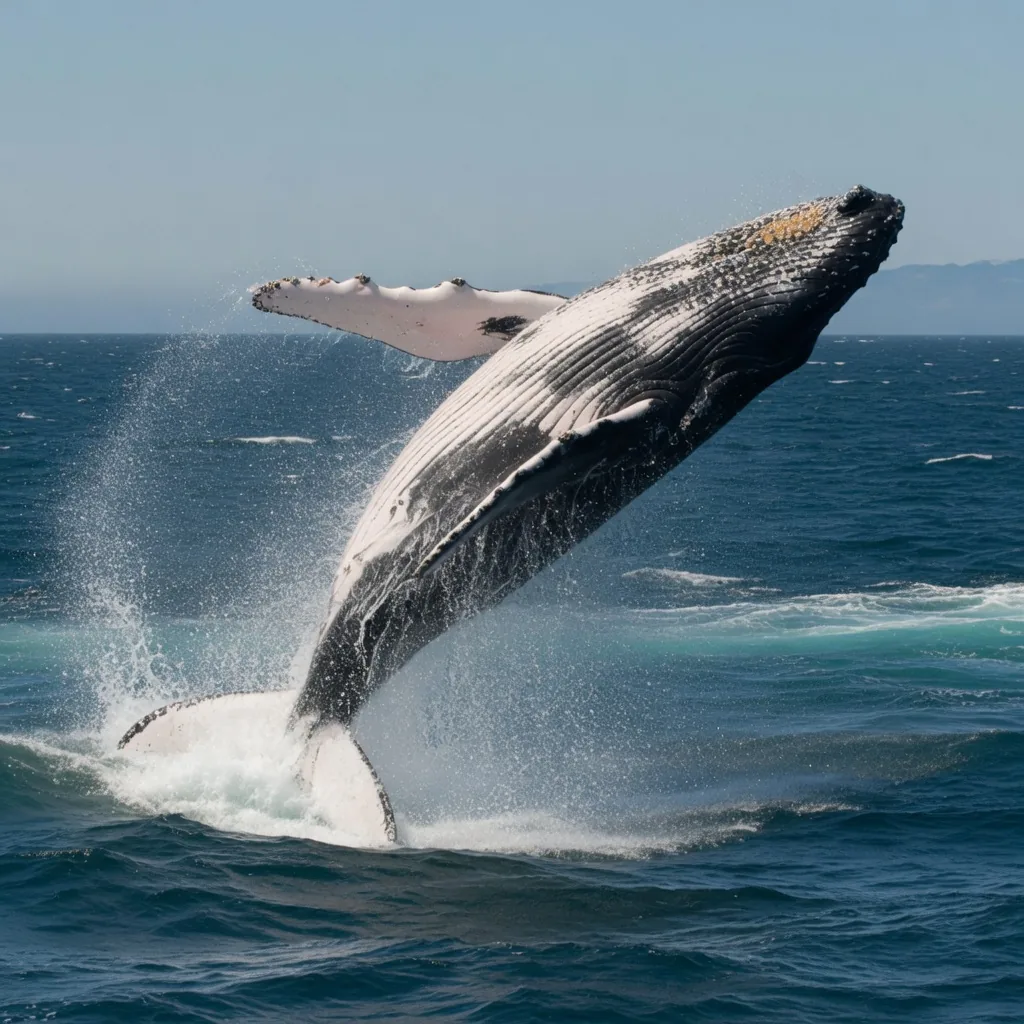
Marine mammals include whales (such as the blue whale, gray whale, and humpback whale), dolphins, seals, sea otters, walruses, sea cows, and polar bears. Whales and dolphins live and feed entirely in water. Seals, otters, and walruses use the ocean mainly for food but also spend time on land.
In total, there are 129 species of mammals that either live in the ocean or depend on it for food.
It might seem odd to include polar bears as marine animals, but they qualify because the definition of a marine species includes animals that "depend upon the sea for sustenance." Polar bears have a vital role in the marine ecosystem of polar regions, and there's no question they belong on this list.
Frequently Asked Questions
How many marine species are there?
The World Registry of Marine Species (WoRMS) lists over 200,000 species, but scientists believe the actual number is at least ten times greater.
Are polar bears marine animals?
Yes, polar bears qualify as marine mammals because they depend upon the sea for sustenance, which meets the definition of a marine species.
What is the largest marine invertebrate?
The colossal squid, with an average length of 39-46 feet, is the largest known invertebrate on the planet.
Marine Birds
Whether seabirds should count as marine animals is debated. Marine biologists argue they absolutely should, these birds have adapted to the ocean environment and play a crucial role in the ocean food chain. Popular seabird species include penguins, albatrosses, gulls, petrels, terns, skuas, auks, gannets, and frigatebirds.
Seabirds have special adaptations that help them survive at sea: salt glands that remove excess salt from their bodies, and waterproof feathers that keep them dry and warm. Many seabirds are also champion migrants. The Arctic tern, for example, travels between the north pole and the south pole every year, the longest migration of any animal on Earth.
Zooplankton
Beyond all the animals we've covered, the marine biome is also home to zooplankton, tiny organisms made up mostly of small crustaceans and fish larvae. Zooplankton are vitally important because energy transfer in the marine food web starts with them feeding on phytoplankton.
The Sargasso Sea in the North Atlantic Ocean alone is home to more than 500 species of zooplankton. Their world population is estimated to be in the millions.
Explore More Animals
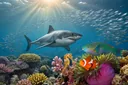 Types of FishThere are over 32,000 species of fish, more than all other vertebrates combined. Discover how fish are classified by species and habitat, plus the fish we keep
 Freshwater Biome Animals That are Vital to the EnvironmentIt may well be the smallest biome on the Earth, but that doesn't make the freshwater biome less important; not with so many animals to its credit. Discover the
 Tundra Animals: Arctic, Antarctic & Alpine WildlifeIf you thought survival in the tundra was impossible, think again. Meet the remarkable animals of the Arctic, Antarctic, and Alpine tundra, from the polar bear
 Jungle Animals ListAn A-to-Z list of jungle animals for kids: mammals, birds, insects, arthropods and reptiles that live in the world's jungles, each with a photo and fun facts.
Threats to Marine Animals
Like animals on land, sea creatures have suffered greatly from human activities. Marine biome plants and animals are threatened by overfishing, oil drilling, and marine transportation. These threats have already driven some species to extinction, including the Caribbean monk seal and the Japanese sea lion. Many others are fighting to survive on the endangered species list.
Proper conservation is urgently needed. Further delay risks losing a huge chunk of the planet's biodiversity, something we simply cannot afford.

 Fun fact for today!The marine biome is the largest and most diverse biome in the world, covering over 70% of Earth's surface!