

The Family
Monkeys belong to the parvorders Platyrrhini and Catarrhini. This makes the mammal paraphyletic, without any distinct coherent group. The species is also characterised by prehensile tails and a trichromatic color vision.
The Smallest and the Biggest
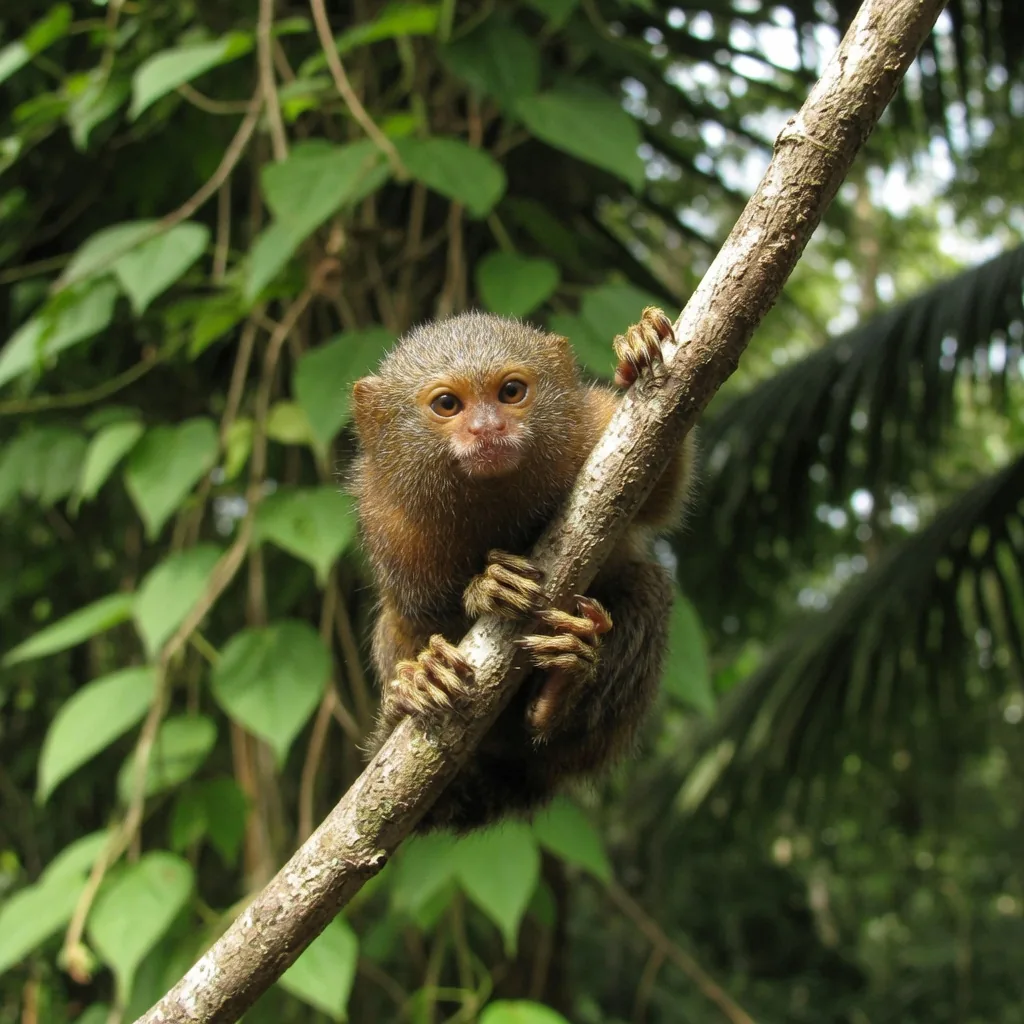
Monkeys range widely in size. New World Monkeys range in size from around 160 millimeters (Pygmy Marmoset), to almost a meter (Mandrill).
What Do Monkeys Eat?
The diet of the monkey includes fruits, wild berries, leaves, seeds, nuts, eggs, flowers, and other smaller animals and insects.
Monkey Habitat
While some monkey species are arboreal (preferring tree dwellings) others are found in places as open as the Savanna.
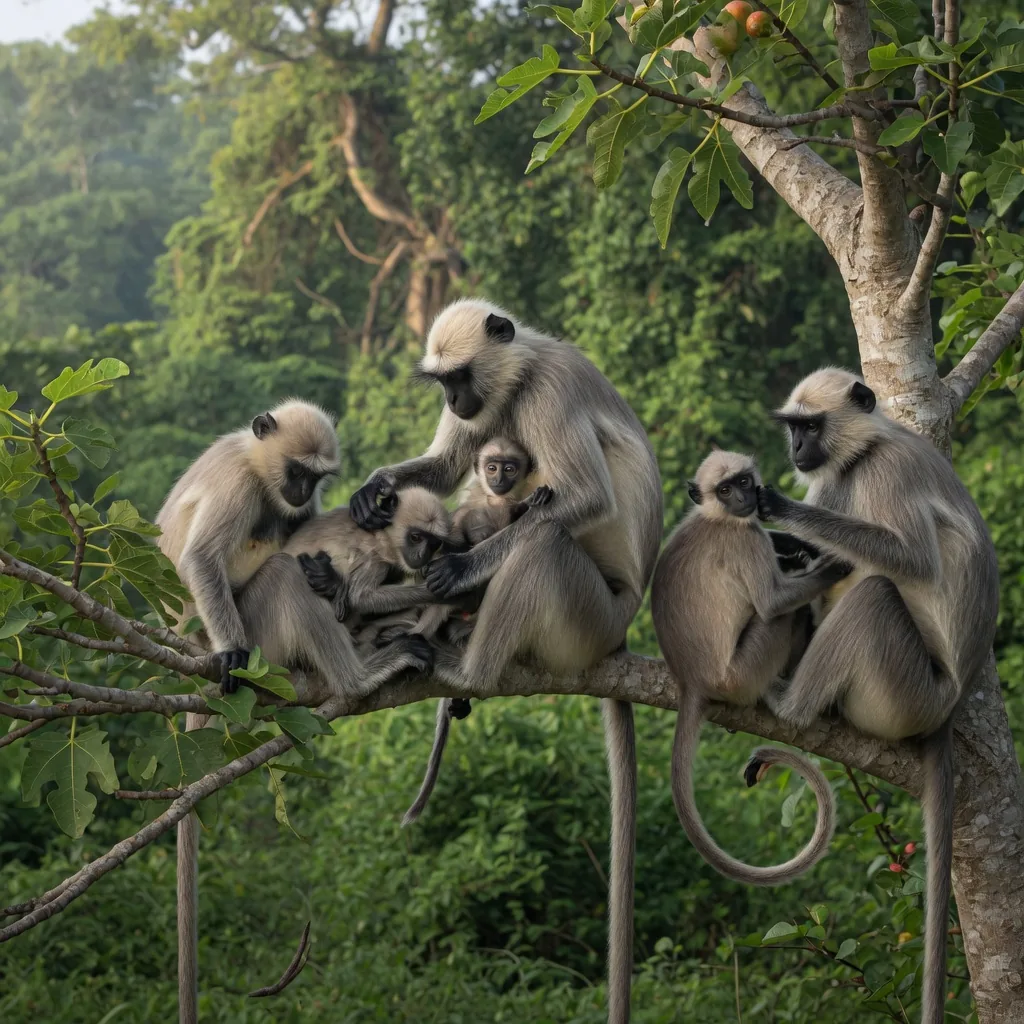
Monkey habitat is found across Asia, Africa, and Central and South America. The species are rarely seen in the wild in Australia, North America, or Antarctica. Monkeys show a strong preference for tropical rainforests. A few are also found in mountainous regions, plains, and grasslands. Depending on the terrain, monkeys live either in trees or on the ground. In rainforest ecology, monkeys play a vital role in seed dispersal. Most monkeys avoid wetlands, but are good swimmers. New World Monkeys mostly inhabit Central and South America, while their Old World counterparts are a common sight across Asia and Africa.
Adaptations
Most monkeys that spend their lives in trees have a prehensile tail that acts as an extra limb, as seen in spider, howler, and owl monkeys. The Saki monkeys, which live in the mountainous terrains of South America, have coarse fur. This adaptation helps them stay dry during the frequent rain spells in the region.
Amazon Rainforest
The Amazon rainforest is a perfect monkey habitat. Because of its wet and very hot climate, the Woolly monkeys that live along the Amazon basin and the mountain ranges of Peru make their homes high up in the tree canopies.
Asia and Africa
The Asian and African Old World monkeys enjoy more varied habitats. They are both arboreal and terrestrial. Some species can even live in cooler climates, monkeys found in China and Japan are prime examples, though this is not common.
Humans are the biggest threat to the species. Encroachment along forest fringes, indiscriminate logging, and hunting monkeys for meat are all taking a toll on monkey habitat and population numbers.
Take the Monkey Habitat Quiz!
5 quick questions. How much do you know about where monkeys live?
Monkey Trivia
Howler Monkeys
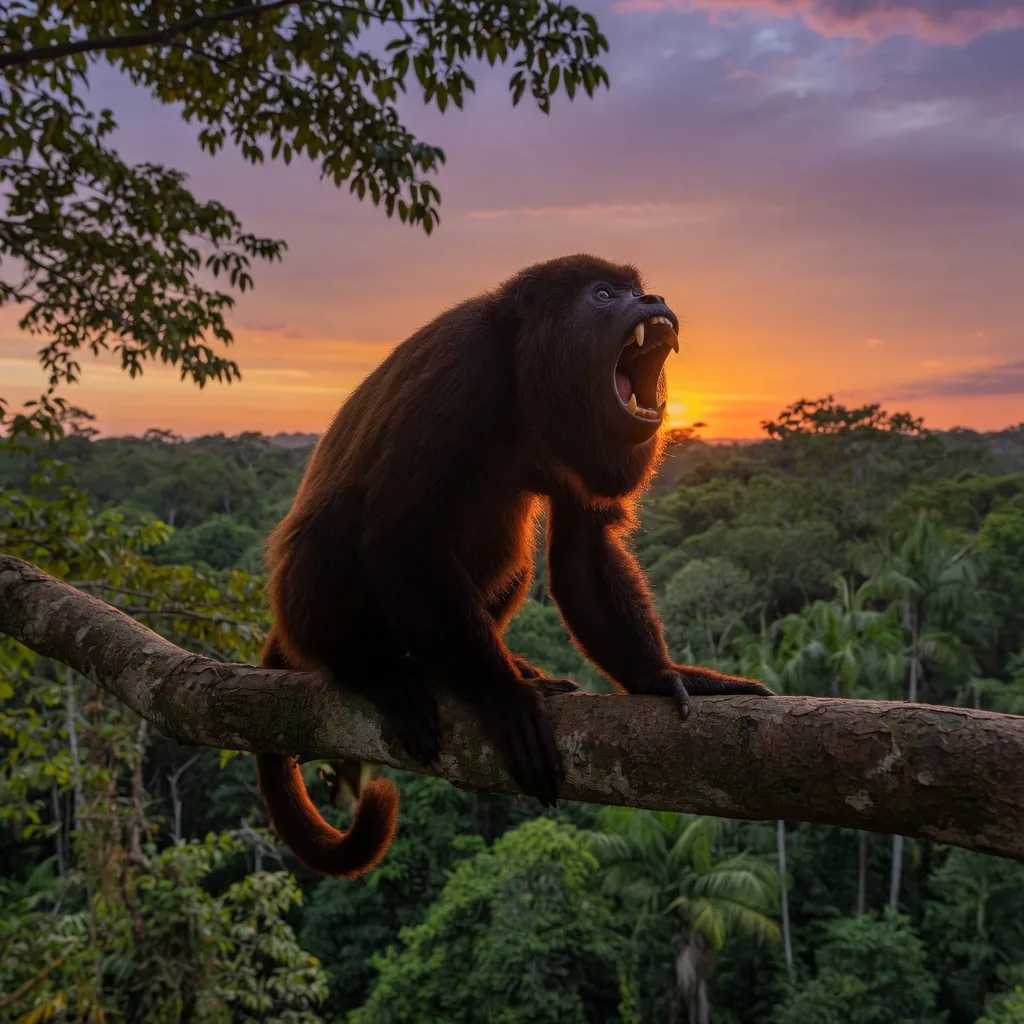
The Howler Monkey howls at dawn and dusk every day. Its howl can be heard as far as three miles away from its habitat! It is recognized as the loudest land animal in the world.
Lifespan and Offspring
Monkeys usually have only one baby at a time and live in groups called troops, which may number up to several hundred. The average lifespan of monkeys varies from 15 to 45 years according to their species.
Explore More Animals
 A Complete List of All Types of MonkeysFrom the pygmy marmoset (5 inches tall) to the giant Mandrill: discover every major type of monkey (New World and Old World) with photos, fun facts, and a qui
 Undeniably Interesting Facts About MonkeysIf a monkey yawns at you, better let it be, it's most likely angry. Discover fascinating monkey facts: Old vs New World, the loudest land animal, the world's t
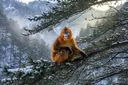 Endangered Monkeys ListMeet the world's endangered monkeys: a full list of around 80 threatened species, from snub-nosed monkeys to tiny tamarins, plus why they are vanishing and how
 Staggering Facts About Spider Monkeys You'd Never BelieveSpider monkeys are the 'trapeze artists' of the jungle, swinging through the canopy on a prehensile tail stronger than their own body weight. Discover how they
Quick Facts
- Monkeys are confirmed carriers of viruses that trigger tuberculosis, hepatitis, and simian herpes B.
- The Squirrel monkey of South America grows to a full length of only ten inches!
- The baboon is the largest extant monkey, while the owl monkey is the only nocturnal relative.
Monkeys and Humans
Different sub-species of monkey are used as pets, laboratory specimens, and even on space missions. Albert II was the first monkey in space, aboard the V-2 rocket launched in 1949. In many countries, these primates are trained to serve as service animals for disabled people. Capuchin monkey helpers are trained to assist quadriplegic and mobility-impaired individuals. Macaques and the African Green Monkeys are used extensively in animal testing facilities because of their physical and psychological similarity to humans.

 Fun fact for today!The Howler Monkey's call can be heard three miles away, making it the loudest land animal on Earth!