

Moose is the largest existing animal belonging to the deer family. Male moose have huge, characteristic flattened palm-shaped antlers. Antlers are different from horns. While they grow, they are covered with a velvet-like skin that provides essential nutrients to the soft and tender bone underneath. Once the antlers become hard, the velvet is shed. Later in winter, the antlers are shed too, and new ones grow again the following year. Horns are never shed. In winter, older males shed their antlers before the younger ones do.
Interesting Facts about Moose
Moose is a ruminant animal like cattle, sheep, goats, and deer. Its stomach is divided into four compartments. It is a cud-chewing hoofed mammal that can regurgitate food, re-chew it, and then swallow it again. You can learn more on the facts about mammals page.
European elk (Alces alces), Eastern Canadian (Taiga) moose, Western Canadian (Manitoba) moose, Siberian moose, Yukon moose, and Wyoming moose are some of the popular moose species. In Europe, moose is commonly known as "elk," while in North America it is called "moose."
Moose are often found in mountain meadows and forests, and they are abundant in North America, Europe, and Russia. They prefer marshes and river banks because those habitats provide plenty of food and water.
Diet and Feeding
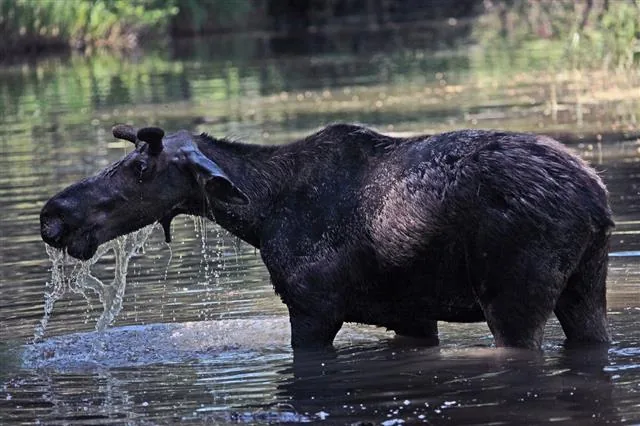
Moose are herbivores. Their diet includes willow, birch, and aspen twigs, plus plants, bushes, saplings, horsetail, sedges, roots, pond weeds, and grasses. They eat the bark of some woody plants along with leaves, twigs, and buds. They also eat lichens, aquatic plants, and some taller non-woody land plants. A moose eats 40 to 60 pounds of plants every day, and it can even feed underwater.
Calves, Groups, and Sounds
A male moose is called a "bull" and a female is called a "cow." A moose baby is called a "calf." Moose give birth to one or two babies at a time, and babies weigh about 14 kilograms (30 pounds) at birth.
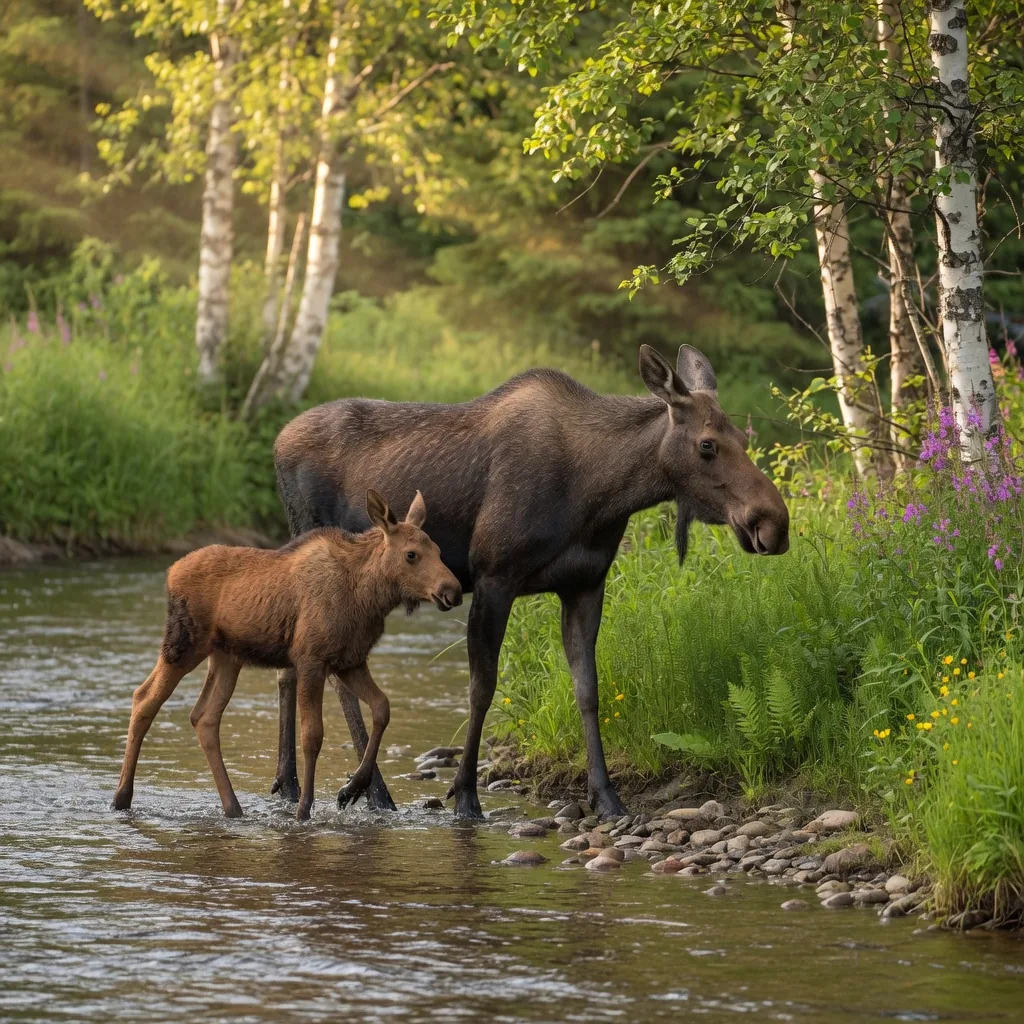
A group of moose is called a "herd" or a "gang." The sound a moose makes is called a "bark" or "bugle."
Size and Speed
A fully grown moose stands about 6.5-7 feet at the shoulder and may weigh around 1,600-1,800 pounds! Despite their enormous size, moose are much faster than they look. They can run at speeds of 35-40 miles per hour, almost like a horse. When swimming, their speed reaches 10-15 miles per hour. Moose have long legs that help them walk through deep snow and cross rough terrain.
Take the Moose Facts Quiz!
5 quick questions. How much do you really know about the world's biggest deer?
Defense and Senses
Moose use their sharp hooves and antlers for defense. They can kick out in all directions! They usually use their front feet to hold off a predator.
Lifespan
Female moose live longer than males. A healthy female lives up to 20 years, while a male lives up to 15 years, if they succeed in avoiding predators. The average life of a moose in the wild is only 8-12 years.
Frequently Asked Questions
What is the moose's scientific name?
Alces alces
How fast can a moose run?
35-40 miles per hour on land; 10-15 miles per hour when swimming
How much do moose antlers weigh?
More than 50 pounds, spanning 60 inches or more tip to tip
What is the flap of skin under a moose's chin called?
The dewlap or bell, a fur-covered piece of skin about one foot long
How many moose live in Canada?
Between half a million and one million
Appearance, "Old Bucket Nose"
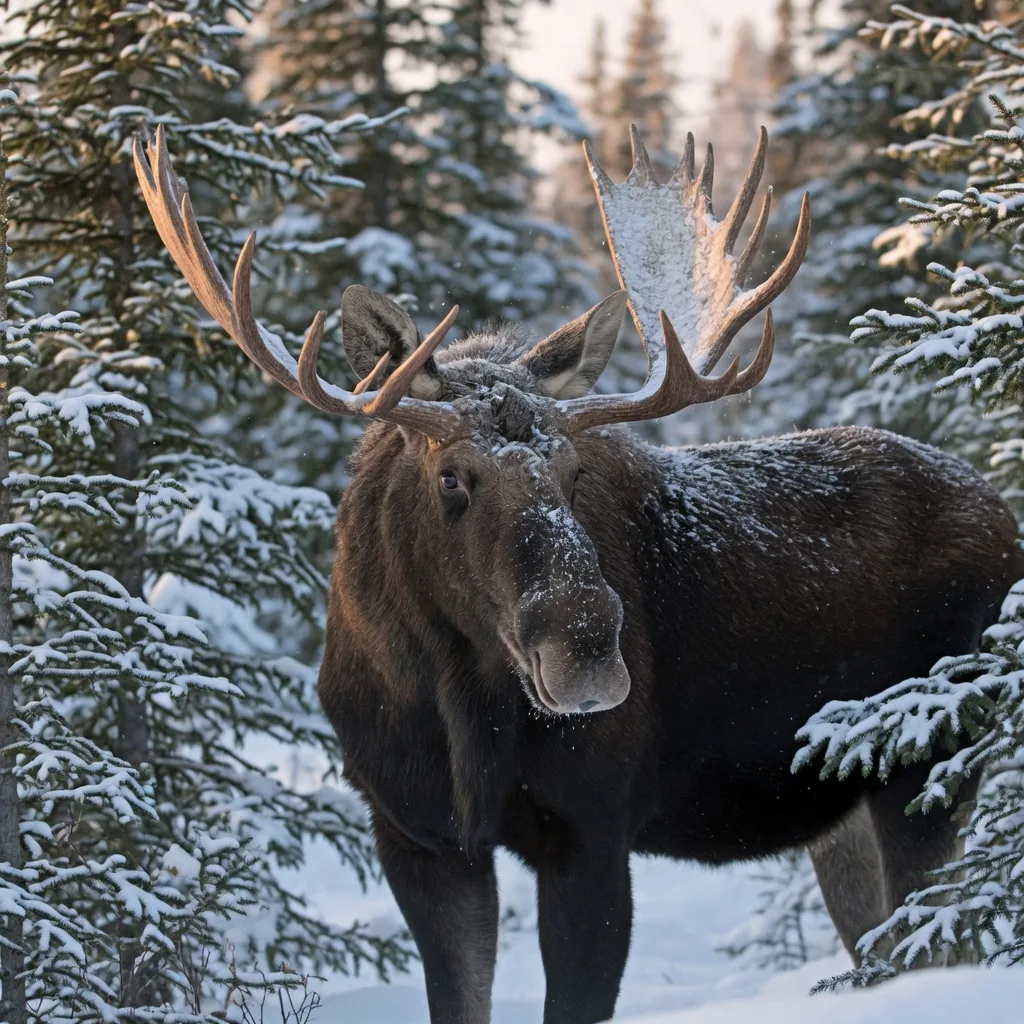
Moose have an oddly shaped, large upper lip. Their face looks like a bucket, which is how they earned the nickname "old bucket nose." The beard-like flap under their chin is known as the dewlap or bell. It is about one foot long, covered with fur, and hangs from the throat.
The antlers of a grown bull are shaped like scoops. These majestic antlers can measure 60 inches or more from tip to tip and can weigh more than 50 pounds.
Moose Facts for Kids
Moose have excellent hearing, but they don't have upper teeth! Their eyesight is also poor. Winter tick infestation is responsible for about 50% of the decline in moose population. A fully grown adult moose has only a 3-inch-long tail!
Moose prefer to live alone. They are active throughout the day but are most active at dusk and dawn.
Explore More Animals
 A Definitive List of the Different Types of Deer | Animal SakeFrom the white-tailed deer and the giant moose to the tiny pudu: meet the world's deer species, with photos, sizes, habitats and a full list of every kind.
 Gray Wolf Adaptations & HabitatThe complete kids' guide to the gray wolf: how its lean body, double-layered fur, powerful jaws, pack teamwork, and incredible senses help it survive, plus whe
 Reindeer FactsReindeer are found all over the Arctic area. Read on for some more facts about them, which are bound to make you more knowledgeable about these fascinating crea
 Interesting Facts About Manatees (Sea Cows)Manatees are docile sea mammals more closely related to elephants than dolphins. Discover their habits, intelligence, and conservation story, plus a quiz and g
Canadian Moose Facts
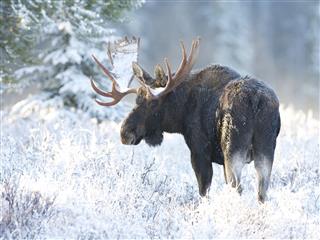
Moose are found in Canadian forests in Newfoundland, Labrador, and in Alaska. The antler rack of a Canadian moose spans between 120 and 150 centimeters and may weigh about 20-30 kg. The number of moose in Canada is between half a million and one million.
Moose is one of the northern hemisphere's largest land mammals. Moose prefer marshes and river banks for dwelling because they can find plenty of food and water there. Also, check out our page on different types of deer to see how moose compare to their relatives.
 Fun fact for today!A moose's antlers can measure 60 inches tip to tip and weigh more than 50 pounds, then they fall off every winter and grow back!