

Aggressive Snakes or Dangerous/Venomous Snakes?
There is a difference between aggressive snakes and dangerous or venomous snakes. Not all dangerous or venomous snakes are aggressive, and not all aggressive snakes are as dangerous as some others. These terms cannot be used interchangeably.
When we say aggressive snakes, we mean those which have less or zero tolerance for provocation. We do not mean that these species will come after you for no reason. There has to be provocation or the fear of being threatened in most cases. Maybe they feel cornered, maybe they were disturbed after a meal, maybe they were stepped on by mistake. But there is always a reason for a snake attacking someone.
The natural response of most snakes when confronted is to retreat, and some may simply hold their ground. But very, very few species have a reputation for advancing.
Disclaimer: The snakes listed below (with the exception of the black mamba, which can at times attack without provocation) will usually not attack unless provoked. The use of the term "aggressive" is based on the assumption that their patience has been tested.
What Makes a Snake "Most Aggressive"?
Identifying the world's most aggressive snake is quite challenging, because the criteria for classification are so many. Not all fierce snakes are dangerous, and not all venomous snakes are particularly aggressive. The severity of a snakebite also depends on the age and overall health of the person bitten, as well as the size and age of the snake. Many factors have to be weighed up.
Most Aggressive Land Snake
One of the most aggressive and deadliest snakes in the world is the Black Mamba (scientific name Dendroaspis polylepis), which is native to Africa. Its main attributes are its large size (it is the second longest snake in the world after the king cobra) its lethal venom (which contains dendrotoxin), its speed, and its aggressiveness. With a recorded crawling speed of 4.5-5.5 meters per second, it is the fastest moving snake in the world.
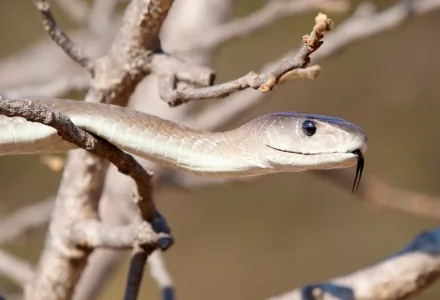
Named after its black mouth parts, the black mamba grows to a length of about 14 feet and weighs 1.6 kg at maturity. This deadly African snake is gray, brown, or olive in color and lives in woodland, savannah, swamps, rocky habitat, and dense forests. When threatened, it spreads its neck flap, exposes its black mouth, and hisses loudly. Even though it is the most aggressive snake on land, the black mamba will only inject venom (100-400 mg) if it fails to scare away the attacker first. It does that so it can get a chance to flee. It hunts for chickens, bats, birds, rats, and galagos.
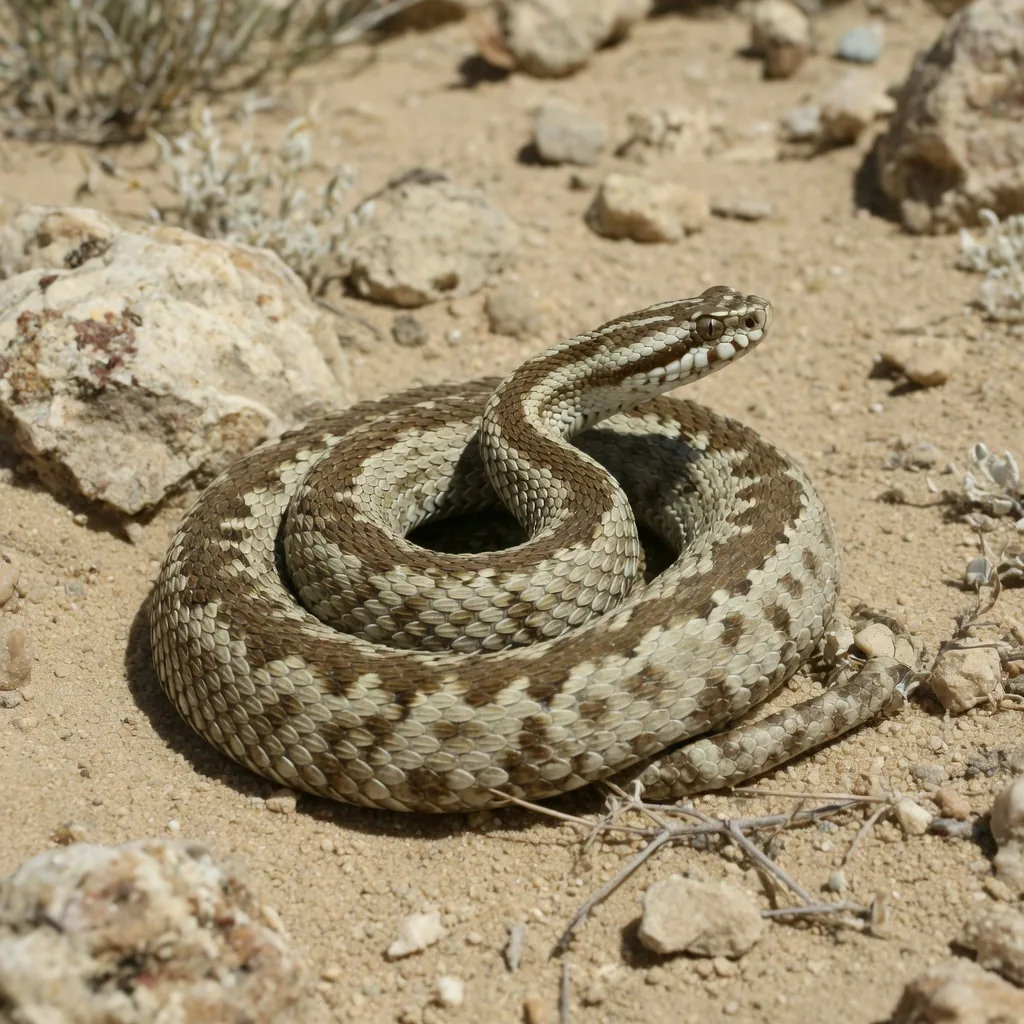
Another short-tempered and highly aggressive snake is the small-sized Carpet Viper. According to data on fatalities due to snakebites, this snake has killed more people than any other snake in the world.
Most Aggressive Water and Sea Snakes
Sea snakes spend almost their entire lives in marine water. They are among the most venomous snakes, some are even more venomous than most land snakes. They usually prefer warm coastal waters. Many sea snakes are quite docile, using their venom more for defense than aggression, but a few can be quite aggressive. Notable among them are:
- Beaked Sea Snake (Enhydrina schistosa)
- Olive/Golden Sea Snake (Aipysurus laevis)
- Ornate Reef Sea Snake (Hydrophis ornatus)
- Stokes' Sea Snake (Astrotia stokesii)
Sea kraits are primitive snakes and can get aggressive if removed from the water. Sea snakes tend to become highly aggressive when taken out of water, because it is not easy for them to move on land. They become panicky and defensive, lashing out at anything that moves. When sea snakes do bite, it is rare for them to inject a high dose of venom. They normally inject very little, so their bites can go unnoticed since they are usually painless.
Water snakes are different from sea snakes. While sea snakes live in marine waters, water snakes are found in freshwater. Unlike sea snakes, water snakes do not spend their entire lives in water and are capable of living on land as well. The northern water snake is generally more aggressive than other types, but usually not unless provoked.
Take the Aggressive Snakes Quiz!
5 quick questions. How much do you really know about the world's most dangerous serpents?
Aggressive Snakes by Continent
The snakes above are considered some of the most aggressive in the world. But let's get more specific and look at aggressive snakes on every continent.
Africa
Apart from the black mamba, the cobra family and the python family are considered the other notably aggressive groups in Africa. Spitting Cobras, Cape Cobras, and Egyptian Cobras are feared because of their temperamental natures. The African Rock Python is also known to show aggression at times. The venom of cobras can be quite potent and should be treated immediately. Spitting cobras can spit venom accurately as far as 2m!
Asia
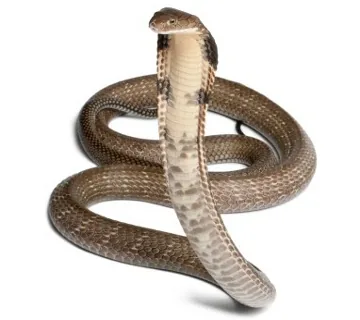
The King Cobra is one of the most feared snakes in Asia. King cobras are highly aggressive with very low tolerance for provocation. While they generally do not harm humans, they will not hesitate to strike if threatened. The King Cobra's fearful reputation is backed up by the fact that it is the largest venomous snake in the world, and it is also very agile and fast. They inject a high dose of venom when they bite, which can kill an adult human within 15 minutes.
Australia
In Australia, the Taipans and the Eastern Brown Snake are the ones to look out for. While the Taipans are generally shy, they will strike easily when provoked. The Inland Taipan is the most venomous snake in the world, but it is actually less aggressive than the Coastal Taipan (which is less venomous). Taipans usually avoid humans, but if you come across one, give it a wide berth, if they bite, they inject a large amount of potentially fatal venom.
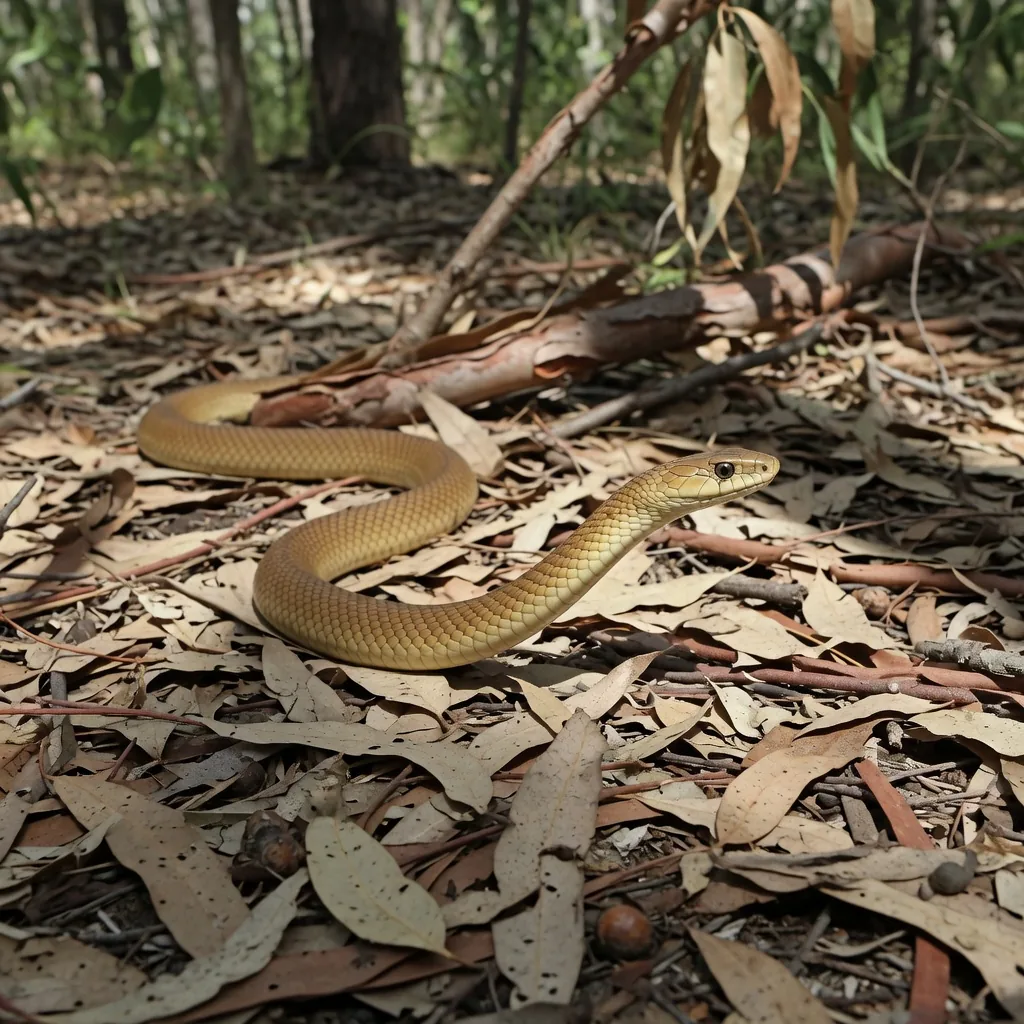
The Eastern Brown Snake has a reputation for striking as well. It is the second most venomous snake in the world and is very aggressive when provoked. It is mostly active at night, but can be seen during the day too.
Europe
Most European snakes are pretty gentle, but the ones to look out for are Ladder Snakes, Whip Snakes, and the European Viper. While Ladder snakes are non-venomous, they are known to be highly defensive and aggressive, striking easily and repeatedly if handled or provoked. Whip snakes are also non-venomous and not dangerous to humans, but they are still pretty temperamental. The European Vipers on the other hand are quite venomous, though their fearsome reputation is not entirely deserved. They are quite timid, but bite people in panic when stepped on, which can happen easily given their habitat.
North America
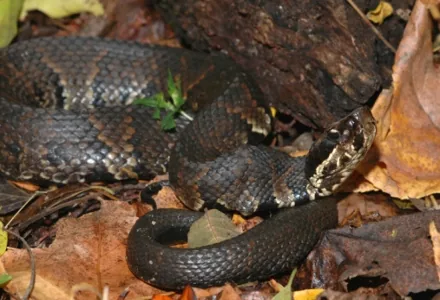
The Cottonmouth / Water Moccasin is more a case of the bark being worse than the bite, but its bite, if delivered, has the potential to kill. The Cottonmouth is the only semi-aquatic viper in the world and is able to bite when under water. It has a host of defense mechanisms: a vibrating tail, loud hissing, snapping jaws, gaping open to expose its white mouth, and emitting a foul odor. If all of these fail to work, the Cottonmouth can deliver a fatal bite when sufficiently provoked.
Explore More Animals
 Top 10 Deadliest Snakes That'll Chill You to the CoreAccording to the WHO, approximately 5 million people get bitten by snakes every year. Which snakes are truly the deadliest? Meet the top 10, ranked by toxicity
 The Top 10 Most Aggressive Animals in the WorldWith the number of animal species on our planet far exceeding the million mark, compiling a list of ten most aggressive animals can be a daunting task. We tried
 Types of Snakes With PicturesMeet every type of snake, from the deadliest venom-injecting cobras and vipers to record-breaking constrictors, tiny thread snakes, and ocean-going sea snakes.
 The 10 Most Aggressive Sharks in the WorldWhich shark species are most aggressive toward humans? Discover the top 10 most dangerous sharks (from the bull shark to the lemon shark) with attack stats, s
South America
Rattlesnakes are responsible for a number of deaths due to envenomation every year. The venom of Tropical Rattlesnakes is extremely toxic and can cause irreversible blindness and paralysis, among other effects. When provoked or threatened, they can strike very quickly. Adult rattlesnakes can control the amount of venom injected in a bite, but they usually bite with an intention to kill.
Bushmasters (sometimes called "mute rattlesnakes") are a genus of venomous South American pit vipers and are the longest vipers in the world. They are mostly nocturnal, so contact with humans is fairly minimal. But their bites are extremely painful, and even juveniles can deliver a fatal bite. They are known to strike repeatedly when agitated and inject a large amount of venom with each bite.
The Fer-de-Lance is a species that is easily provoked. They are very fast and strike quickly. What makes them especially dangerous is that their venom is extremely fast-acting and lethal, often causing paralysis and temporary or permanent short-term memory loss. And no place is safe from them, although mainly terrestrial, they can also climb trees and swim.
Antarctica
Antarctica is the only continent without snakes!
Staying Safe
It is always a good idea to know something about the snakes found in the area where you live. You can refer to the "danger quotient" assigned in numerical values to identify the most venomous snake types in your area. This will not only help you stay informed about these species, but also help you make quick decisions in case of a bite.

 Fun fact for today!Most snakes will slither away from you, not toward you, aggression needs a reason!